
Photo: Wikipedia
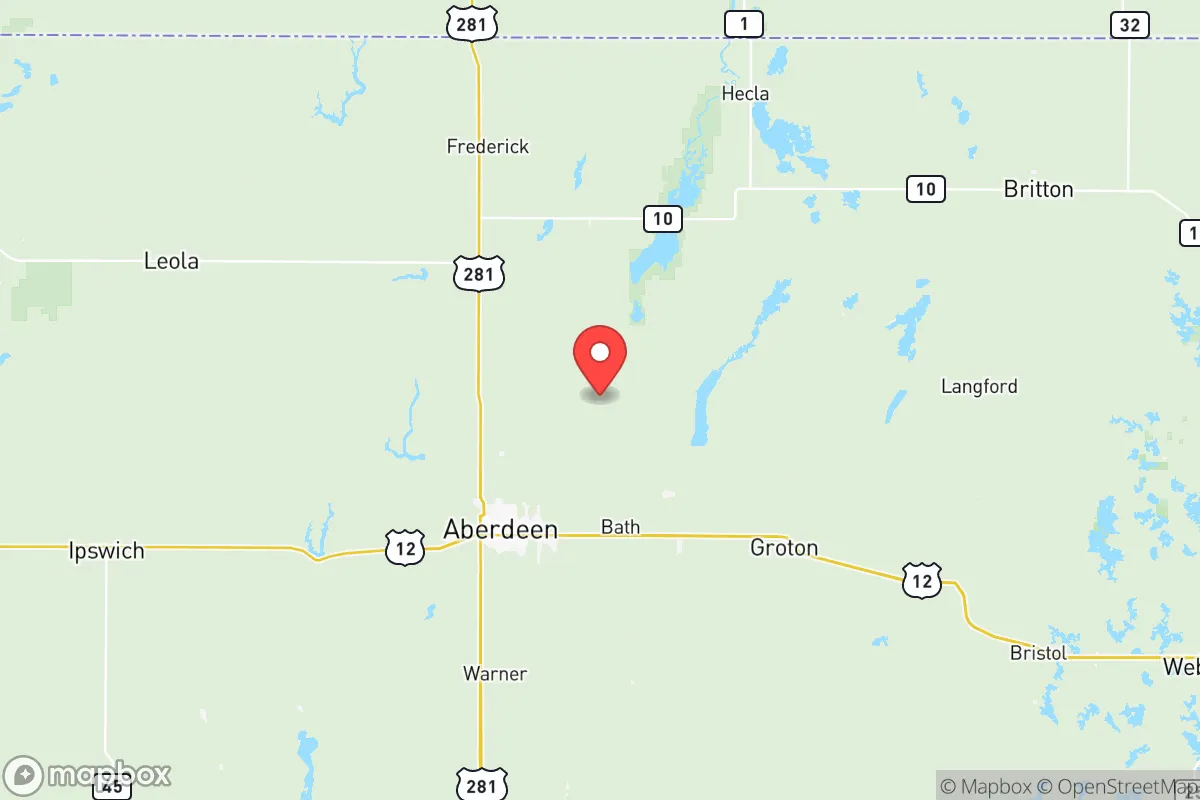
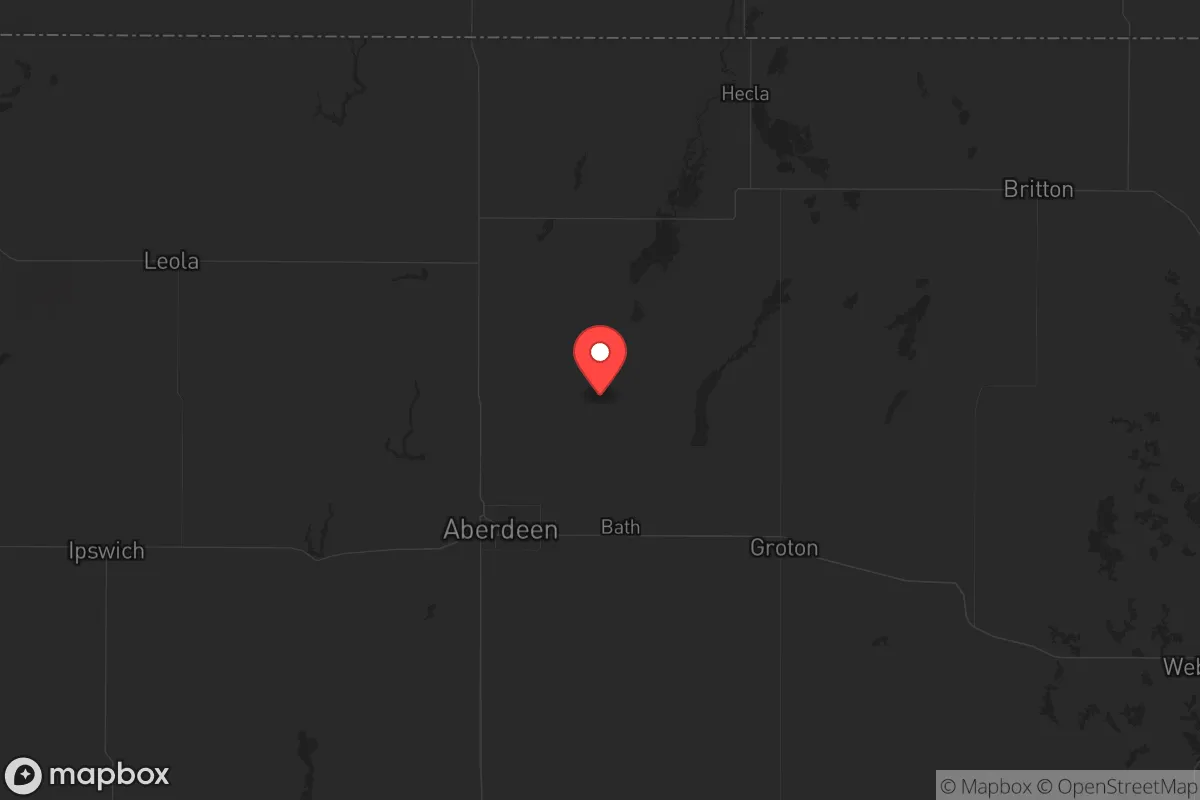
Personal Sovereignty in Brown County
Viable for self-reliance. Generally workable, though some barriers may limit total independence.
What does Personal Sovereignty tell us?
Personal Sovereignty measures your capacity for self-reliance and independence with minimal government friction. Higher scores mean fewer barriers between you and the way you want to live... but it assumes you have the space you need and good neighbors.
What does this tell us?
Personal Sovereignty measures your capacity for self-reliance and independence with minimal government friction. Higher scores mean fewer barriers between you and the way you want to live... but it assumes you have the space you need and good neighbors.
State Policy
Energy independence: Importer (35% of energy produced in-state)
Personal Liberty
Homesteading

Personal Liberty Analysis
Brown County, South Dakota, offers a notably high degree of personal sovereignty, grounded in the state’s deeply ingrained culture of limited government and individual responsibility. For those prioritizing autonomy—whether in financial decisions, self-defense, or lifestyle choices—the county provides a regulatory environment that is among the lightest in the Upper Midwest. Aberdeen, the county seat and largest city, anchors this ethos with a practical, no-fuss approach to governance, while smaller communities like Groton, Hecla, and Westport extend the same hands-off philosophy into more rural settings. The overall atmosphere is one where residents are expected to manage their own affairs with minimal interference from local or state authorities.
Tax burden and regulatory posture for residents and businesses
South Dakota’s absence of a state income tax is the cornerstone of its low-tax appeal, and Brown County residents benefit directly. There is no personal or corporate income tax, no personal property tax on vehicles or household goods, and no inheritance or estate tax. The primary revenue source is a 4.5% state sales tax, with Brown County adding a 2% county sales tax and the City of Aberdeen adding another 2% for a combined rate of 8.5% in the city—still moderate compared to many states. Property taxes in Brown County are assessed at a relatively low effective rate, typically around 1.1% to 1.3% of market value, with agricultural land taxed even more favorably. The regulatory posture is equally restrained: zoning is minimal outside Aberdeen’s city limits, and business licensing requirements are straightforward. In towns like Groton and Hecla, there are virtually no local business ordinances beyond basic health and safety codes, making it easy to start a home-based enterprise or small farm without bureaucratic hurdles. The county’s approach is consistently pro-commerce, with no county-level business income tax or burdensome environmental regulations that would impede small-scale operations.
Self-defense and gun law specifics in Brown County
South Dakota is a constitutional carry state, meaning no permit is required to carry a concealed firearm for anyone legally allowed to possess a gun. Brown County fully aligns with this framework. Residents and visitors can carry openly or concealed without a license, and the state does not require registration of firearms or impose waiting periods. The county sheriff’s office in Aberdeen processes concealed carry permits for those who want reciprocity with other states, but the process is shall-issue and typically completed within a few days. Stand-your-ground laws are in effect, with no duty to retreat in any place where a person has a legal right to be. Gun ranges and shooting clubs are accessible, including the Aberdeen Gun Club and private ranges in rural areas like Westport and Barnard. Local law enforcement is generally supportive of gun rights; there are no county-level restrictions on magazine capacity or firearm types. For those moving from more restrictive states, the transition is seamless—Brown County’s gun culture is practical, safety-oriented, and free of the legal complexities found in coastal urban centers.
Self-reliance and homesteading viability across the county
Brown County is exceptionally conducive to self-reliant living, particularly outside Aberdeen’s city limits. Agricultural zoning dominates the county, with minimum lot sizes of 40 acres in most unincorporated areas, though smaller parcels (5-10 acres) are common near towns like Groton and Hecla for hobby farms. Off-grid living is legally straightforward: there are no county-level building codes for rural properties, and residents can install solar panels, wind turbines, or rainwater collection systems without permits. The county does not mandate connection to municipal water or sewer systems outside city limits, and private wells and septic systems are standard. In Aberdeen, city ordinances require connection to utilities, but even there, backyard chickens and small gardens are permitted. For serious homesteaders, the areas around Frederick, Westport, and Barnard offer affordable land—often under $3,000 per acre—with rich topsoil ideal for market gardening or small-scale livestock. The county’s extension office in Aberdeen provides soil testing and agricultural advice, but there is no pressure to conform to any particular farming method. The overall message is clear: if you can manage your own land and resources, Brown County will not stand in your way.
Personal liberties: parental rights, medical autonomy, speech, and property
South Dakota has some of the strongest parental rights protections in the nation, and Brown County reflects this. Parents have broad authority over their children’s education, medical decisions, and religious upbringing, with no state-level mandates for vaccine requirements for school attendance beyond standard childhood immunizations. Medical autonomy is similarly robust: the state does not require health insurance, and direct primary care arrangements are common in Aberdeen. There are no mask or vaccine mandates at the county level, and local healthcare providers—including Avera St. Luke’s Hospital in Aberdeen—generally respect patient choice. Free speech is protected by a strong state constitution, and Brown County has no local hate speech or social media ordinances. Property rights are vigorously defended: eminent domain is rarely used, and the county’s planning department is known for its deference to landowners. In Groton and Hecla, residents routinely build fences, outbuildings, and even tiny homes without needing variances. The only notable restriction is in Aberdeen’s historic districts, where exterior modifications require approval, but this is a narrow exception. For families and individuals who value the right to make their own choices without government interference, Brown County’s legal climate is among the most accommodating in the region.
Compared to other parts of the country, Brown County stands out as a high-sovereignty environment where personal freedom is the default rather than the exception. The combination of no income tax, constitutional carry, minimal zoning, and strong parental rights creates a framework that rewards self-reliance and personal responsibility. While Aberdeen offers urban amenities with a light regulatory touch, the rural towns of Groton, Hecla, Westport, and Frederick provide even greater latitude for those seeking a truly independent lifestyle. For a relocation researcher or a family weighing autonomy against convenience, Brown County delivers a balance that is rare in the modern United States—a place where the government’s role is limited, and the individual’s capacity to chart their own course is both respected and expected.

* Values derived from national, state, county, city and local statistics and may differ in a specific area. Last updated: 2026-07-06T23:41:48.000Z
Narrative content on this page is AI-generated and may contain mistakes. Verify any details that matter before acting on them.
ReloMaps may earn a commission from affiliate links at no extra cost to you.

