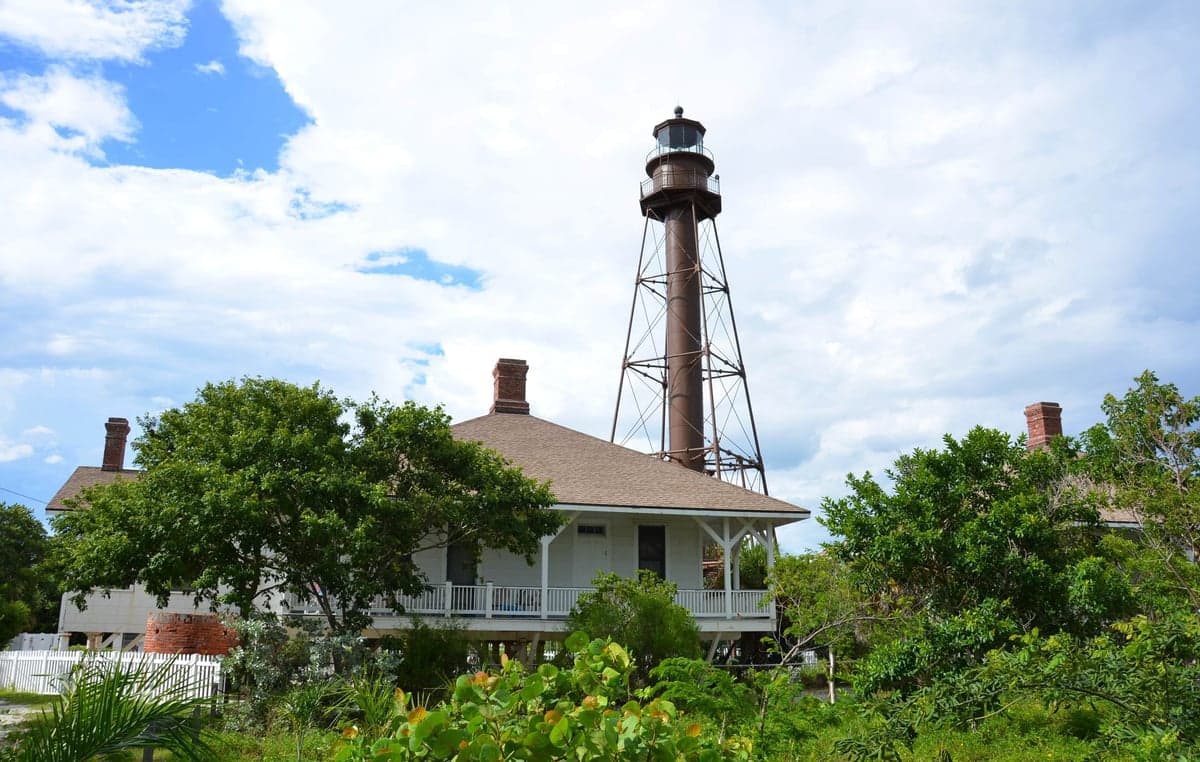
Photo: Wikipedia
Quality of Life in Sanibel, FL
A high quality of life with strong walkability, manageable living costs, healthy neighborhood signals, and solid amenity access.
What does Quality of Life tell us?
Quality of Life blends cost of living, nearby amenities, socioeconomic signals, and neighborhood character. City-level scores represent the whole municipality; individual neighborhoods can differ.
What does this tell us?
Quality of Life blends cost of living, nearby amenities, socioeconomic signals, and neighborhood character. City-level scores represent the whole municipality; individual neighborhoods can differ.
Cost of Living
68% above national average
The Real Cost of Living in Sanibel, FL for 2026
| Tier | Individual | Family (4) |
|---|---|---|
| Survival | $30k | $57k |
| Comfortable | $177k | $261k |
| Luxury | $222k+ | $344k+ |
| Elite (Top 5%) | $459k+ | $711k+ |
47%
The Area Signal
A metric tracking the socioeconomic signals of the area.
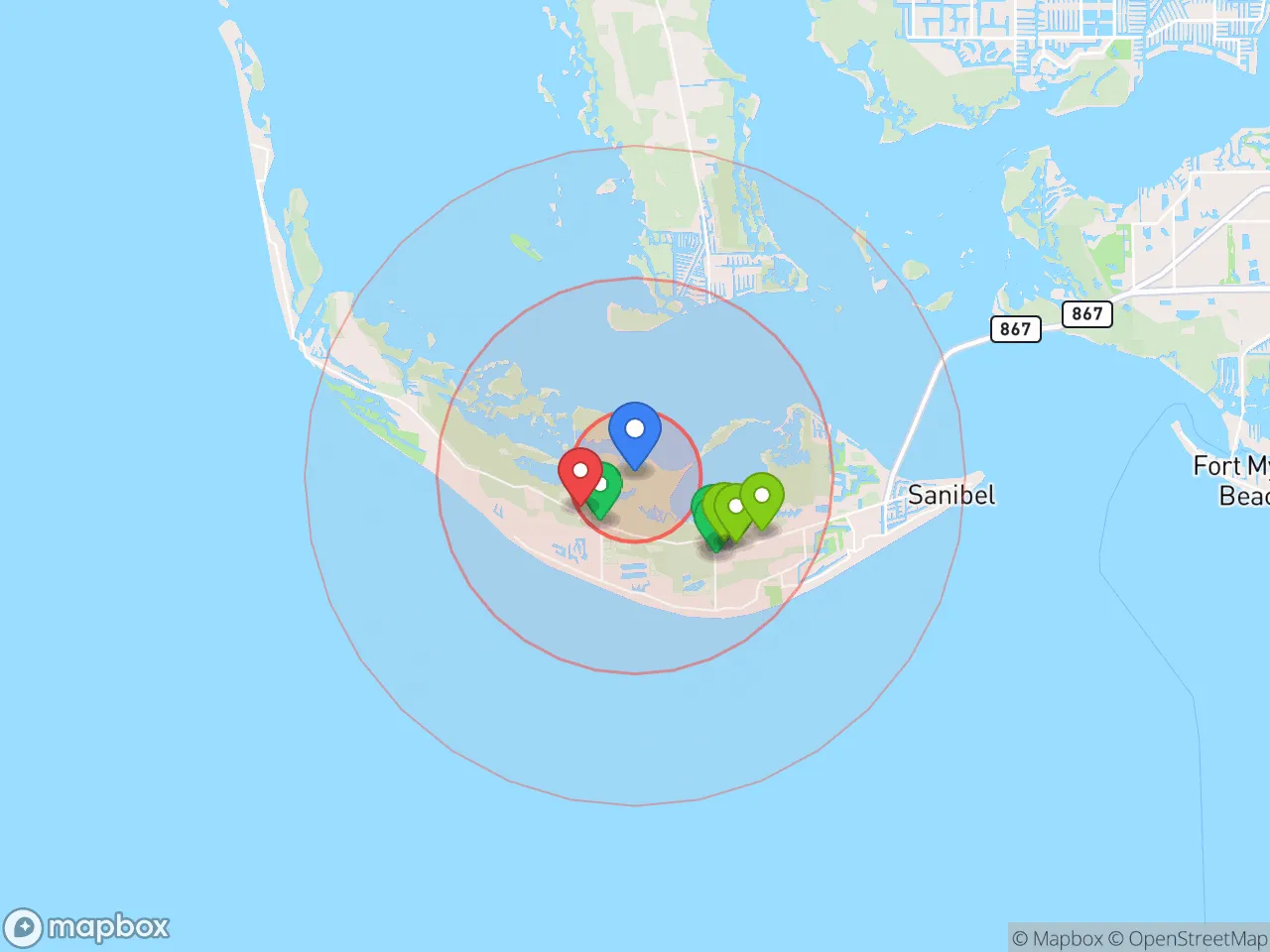
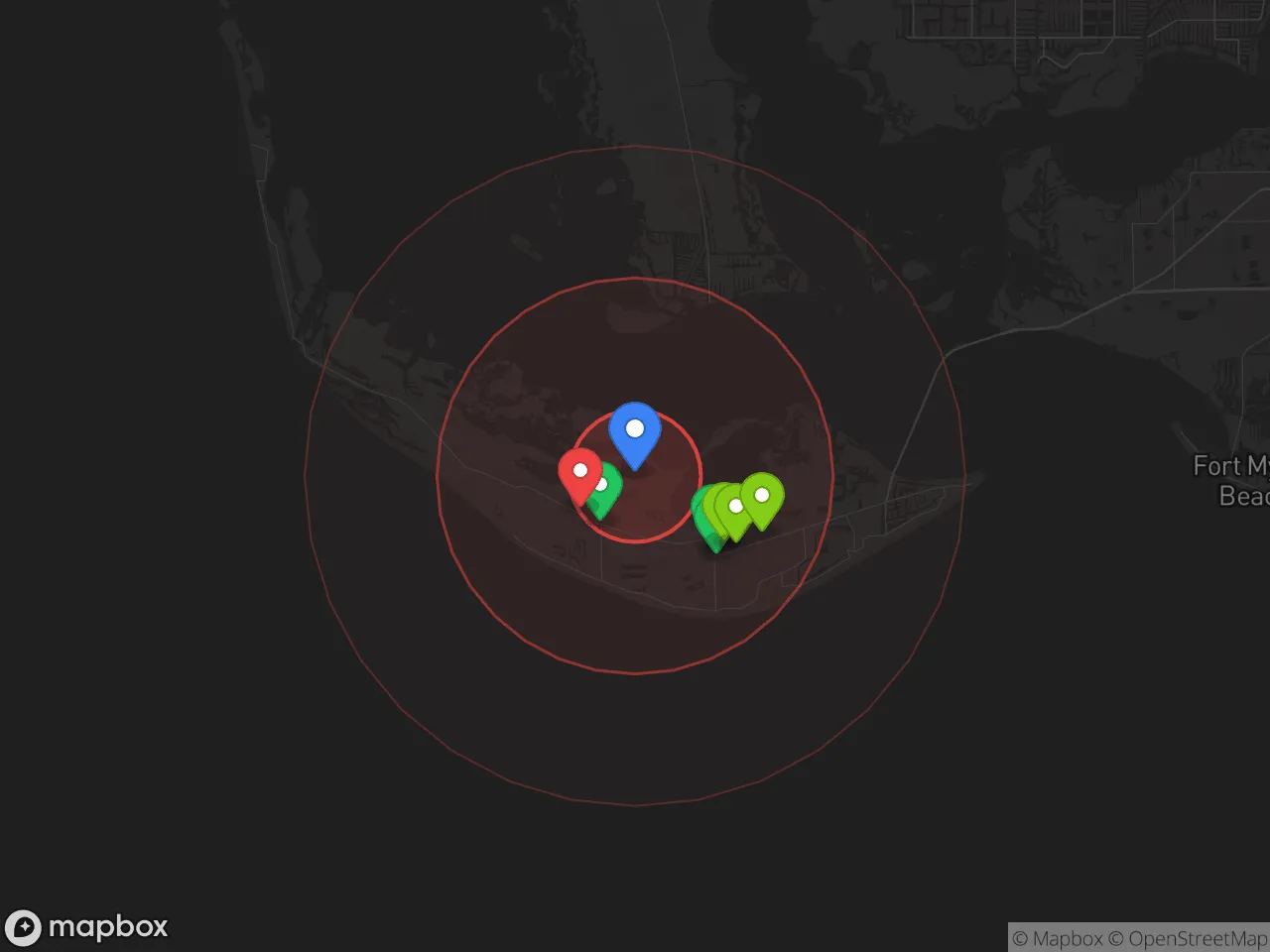
Hobbies
Explore the areaGroceries
0 within 10 miles
Gas
0 within 10 miles
Hospital
0 within 20 miles
Airport
TPA — Tampa International
Post Office
Critical Amenities
Quality-of-Life Analysis
Sanibel, Florida, is an affluent barrier-island community where the typical resident is a retiree, seasonal snowbird, or high-income professional drawn by the island’s protected wildlife refuges and low-density zoning. With a cost-of-living index of 168 (68% above the U.S. average), the island’s economy is driven by tourism, conservation, and second-home ownership, creating a demographic profile that skews older, wealthier, and more transient than mainland Lee County. The year-round population of roughly 6,500 swells to over 20,000 during peak season, a rhythm that shapes everything from traffic patterns to restaurant availability.
Cost of living, housing affordability, and how Sanibel compares to nearby mainland cities
Sanibel’s cost of living is the highest in Southwest Florida, driven almost entirely by housing. The median home value stands at $912,200, more than double the median in nearby Fort Myers ($385,000) and roughly 60% higher than in Cape Coral ($570,000). Despite these elevated purchase prices, median rent is surprisingly low at $747—a figure that reflects a rental market dominated by long-term leases on older condos and cottages rather than new luxury apartments. However, this rent figure can be misleading: seasonal weekly rentals for beachfront properties often exceed $3,000 per week, and year-round rental inventory is extremely tight. The average commute of 21.3 minutes is shorter than the national average (26 minutes), largely because most residents work on the island itself—in hospitality, retail, or conservation—or are retired. For those commuting to Fort Myers or Naples, the single bridge access point (Sanibel Causeway) can add 10–20 minutes during peak tourist season or storm evacuations. Property taxes are moderate for Florida (roughly 0.8% of assessed value), but homeowners insurance is among the highest in the state due to hurricane risk, often exceeding $6,000 annually for a median-value home.
What daily life is like: amenities, schools, and the island’s unique rhythm
Daily life on Sanibel revolves around outdoor recreation and conservation. The island is famous for its 25 miles of bike paths that connect all major neighborhoods to the J.N. “Ding” Darling National Wildlife Refuge, which covers over 6,400 acres of mangrove estuary. Grocery shopping is limited to one full-service supermarket (Bailey’s General Store) and a handful of specialty markets; most residents make a weekly run to mainland Fort Myers for bulk shopping. Dining leans toward upscale seafood and casual beachfront cafes, with few chain restaurants. The Lee County School District operates Sanibel School (K–8), which serves roughly 400 students and consistently earns an A grade from the state; high school students commute to Fort Myers High School or private options like Canterbury School. Healthcare is a notable gap: the island has no hospital, only a small urgent care clinic. For emergencies, residents drive 20–30 minutes to HealthPark Medical Center in Fort Myers. The island’s strict building codes (post-Hurricane Ian reconstruction has reinforced elevated foundations and impact-resistant windows) mean new construction is expensive but resilient. The pace of life is deliberately slow—no traffic lights, no high-rise buildings, and a city ordinance that bans neon signs.
Sanibel is best suited for retirees, remote workers with high incomes, and families who prioritize nature and safety over urban convenience. The island’s combination of extremely low crime rates (violent crime is roughly 80% below the national average), world-class shelling beaches, and a built-in community of like-minded conservationists makes it a strong fit for those who can afford the premium. It is less ideal for young professionals seeking nightlife, renters on a budget, or anyone who needs frequent access to specialized medical care. For the right household—one that values quiet, environmental stewardship, and can absorb the high cost of insurance and housing—Sanibel offers a quality of life unmatched in Southwest Florida.

Crime in Sanibel, FL
Lower crime rates than 92% of comparable U.S. locations.
Violent CrimeViolent Crime Analysis
Property CrimeProperty Crime Analysis
Crime Analysis
Sanibel, Florida, is one of the safest small cities in the state, with violent crime rates dramatically lower than both the Florida average and national median. The island’s violent crime rate of 78.7 incidents per 100,000 residents is roughly one-fifth the U.S. average, while property crime stands at 692.8 per 100,000—well below the national figure of approximately 1,950. These low numbers reflect Sanibel’s unique character as a wealthy, insular barrier island community with limited year-round population and a heavy law enforcement presence.
Crime in context
Sanibel’s violent crime rate is 84% lower than the Florida state average of about 490 per 100,000, and property crime is roughly 55% lower than the state norm. The city reports virtually no homicides or armed robberies in most years; the few violent incidents that occur are typically simple assaults among acquaintances. Property crime, while higher than violent crime, is still modest—burglaries and thefts from unlocked vehicles or vacation rentals account for the majority of reports. By comparison, nearby Fort Myers (part of the larger Lee County metro area) posts violent crime rates near 800 per 100,000, making Sanibel an extreme outlier for safety within the region.
What residents experience
Residents and seasonal visitors describe Sanibel as exceptionally safe, with many leaving doors unlocked and walking or biking at all hours without concern. The Sanibel Police Department maintains a visible presence, and the island’s single causeway entry point naturally limits opportunistic crime. However, the city is not immune to the broader regional trends of Lee County, which has seen property crime rise modestly since 2020. The most common complaints are package thefts from porches and bicycle thefts from beach access points. It is worth noting that Sanibel falls within Lee County’s judicial circuit, which has been characterized by some observers as leaning progressive in its approach to sentencing. Critics argue that such an ideological tilt—prioritizing rehabilitation over incarceration—can lead to shorter sentences for repeat property offenders, potentially increasing recidivism and undermining the deterrent effect that keeps crime low in communities like Sanibel. While the island’s isolation and wealth insulate it from the worst effects, residents should remain vigilant about securing vehicles and homes, as the same progressive policies that reduce incarceration rates may allow more persistent criminals to remain on the streets.
Neighborhood-level variation on Sanibel is minimal due to the island’s small size and uniform demographics. The eastern end near the Sanibel Lighthouse and the western end near Bowman’s Beach see slightly higher rates of vehicle break-ins during peak tourist season, but violent crime is evenly negligible across all areas. The only notable exception is the Sanibel Causeway approach, where occasional traffic-related disputes occur. Overall, Sanibel ranks among the safest municipalities in Florida for both violent and property crime, though its proximity to higher-crime metro areas like Cape Coral and Fort Myers means residents should remain aware of broader regional risks.
* Values derived from national, state, county, city and local statistics and may differ in a specific area. Last updated: 2026-11-16T14:27:13.000Z
Narrative content on this page is AI-generated and may contain mistakes. Verify any details that matter before acting on them.
ReloMaps may earn a commission from affiliate links at no extra cost to you.

