Photo: Wikipedia
Find The Best Places To Live
in Fort Myers
PRO TIP! You can paste a Zillow or Redfin link to get info on that property.
What It's Like Living in Fort Myers, FL
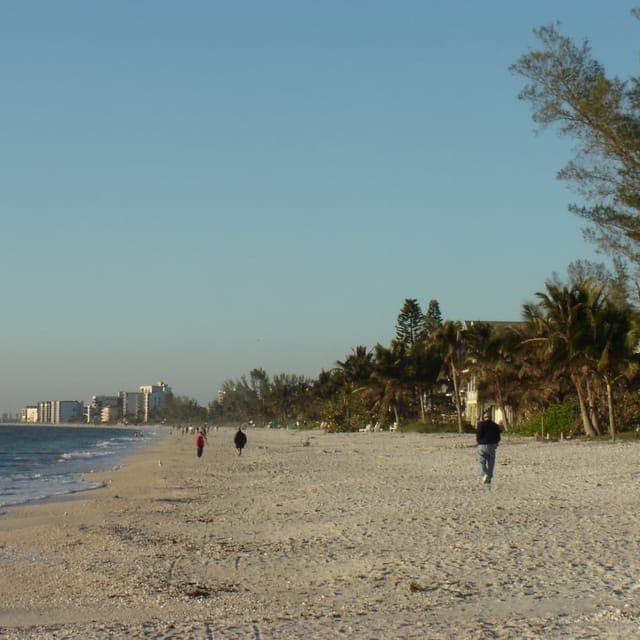
Fort Myers has a split personality that somehow works. By day, it’s a laid-back Gulf Coast town where retirees and young families share the same Publix aisles and boat ramps. By night—especially on a Friday—it turns into a place where high school football rivalries still draw crowds and the bars along Cleveland Avenue hum with a mix of snowbirds, locals, and FGCU students. It’s not flashy like Naples to the south, nor as gritty as some inland spots. It’s a middle-ground city of roughly 91,730 people, where the median age hovers around 40.3—old enough to have settled roots, young enough to still be building them.
Daily Rhythm: What People Actually Do Here
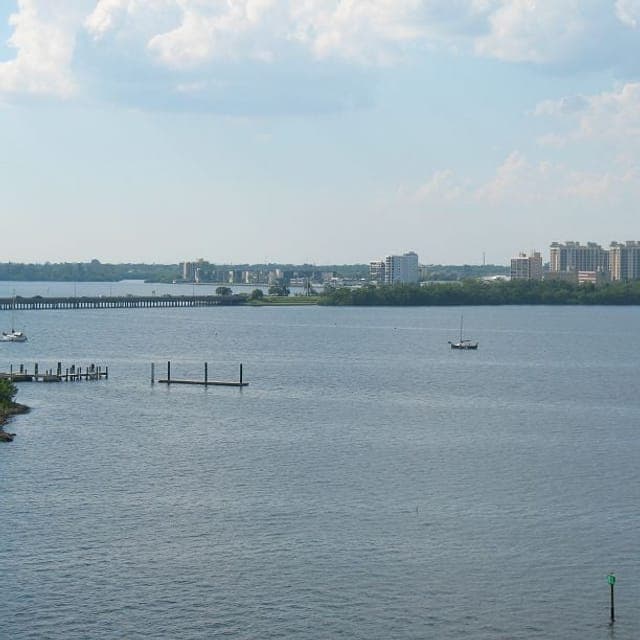
Most mornings in Fort Myers start with coffee and a decision: hit the water or hit the hardware store. The Caloosahatchee River runs right through town, and on any given weekend you’ll see kayakers, pontoon boats, and the occasional paddleboarder weaving past the downtown Yacht Basin. The city’s median income sits at $62,160—a notch below the national average—but the cost of living index of 124 means you feel that squeeze at the grocery store and the pump. Still, people here prioritize outdoor time. The Six Mile Cypress Slough Preserve is a local favorite for a shaded boardwalk walk, and Lakes Park draws families with its train rides and fishing piers. Shopping tends toward the practical: Target, Costco, and the sprawling Gulf Coast Town Center handle most needs. For a night out, locals gravitate to The Standard downtown for craft beer or Ford’s Garage for burgers in a setting that screams “old service station.”
The seasonal rhythm is real. From November through April, the population swells with snowbirds, and traffic on U.S. 41 and I-75 becomes a genuine headache—the average commute is about 25 minutes, but that number jumps to 35-40 in season. Summer brings afternoon thunderstorms that flood low-lying streets and empty the beaches by 3 p.m. Locals learn to plan errands before the daily downpour.
Sports & Community: Where Loyalties Lie
Fort Myers doesn’t have a major pro sports team, but it has something almost as loud: high school football. On Friday nights in the fall, Bishop Verot and Fort Myers High School pack bleachers with parents, alumni, and kids who’ve known each other since kindergarten. The city also hosts the Boston Red Sox for spring training at JetBlue Park—a Fenway replica that draws fans from across the state. For college sports, Florida Gulf Coast University (FGCU) is about 15 minutes away in Estero, and its basketball program—especially the men’s “Dunk City” era—still gets local bars buzzing during March Madness. If you’re a soccer fan, the Fort Myers SC semi-pro team plays at the Paradise Coast Sports Complex, a newer facility that’s also home to youth tournaments on weekends. The sports scene here is participatory, not just spectator: you’ll find adult softball leagues, running clubs along the river, and more pickleball courts than you can count.
What’s There to Do: Festivals, Parks, and the Local Hangouts
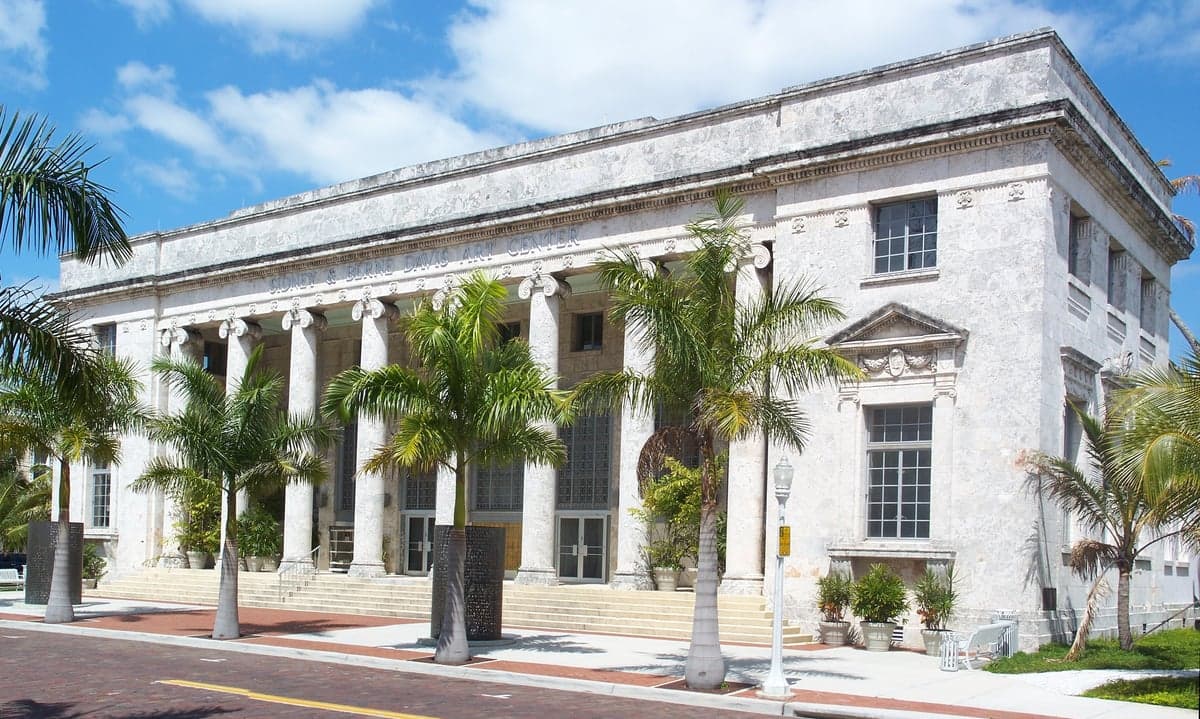
The biggest cultural event is the Fort Myers Beach Pirate Festival in October—a quirky, family-friendly weekend of costume contests and live music that leans into the area’s history of rum-running and gulf lore. The Edison & Ford Winter Estates is the city’s crown jewel: a 21-acre museum complex where Thomas Edison’s winter home sits alongside botanical gardens and a laboratory. It’s the kind of place school kids visit on field trips and out-of-town guests insist on seeing. For music, The Ranch Concert Hall & Saloon books country acts and cover bands, while Barbara B. Mann Performing Arts Hall hosts Broadway tours and symphony performances. The city’s downtown River District has a growing arts scene—First Friday Art Walks draw crowds to galleries and pop-up vendors. On the outdoor side, Lovers Key State Park (just south of town) offers shelling and kayaking without the crowds of Fort Myers Beach proper. A notable quirk: the city has a “No Wake Zone” culture on its residential canals—people live on the water but move slowly, and that’s considered polite.
Pros and Cons of Living Here
- Pro: The weather is genuinely pleasant from October through May—low humidity, sunny skies, and temperatures in the 70s. You can be on a boat or a golf course almost any winter day.
- Con: The violent crime rate is 441.1 per 100,000—higher than the national average. Most incidents are concentrated in specific neighborhoods, but it’s a stat that makes newcomers pay attention to where they rent or buy.
- Pro: The median home value of $351,600 is still below the Florida coastal average. You can find a three-bedroom ranch within a 20-minute drive of downtown for under $400,000—hard to do in Naples or Sarasota.
- Con: Summer is brutal. June through September brings heat indexes over 100°F, daily thunderstorms, and the constant hum of air conditioners. Many outdoor activities shift to early morning or evening.
- Pro: The community is family-oriented without being suburban-sterile. Schools like Allen Park Elementary and Fort Myers High School are active hubs for PTA events, sports, and after-school programs. About 32.1% of adults hold a college degree, so there’s a solid professional class but not an ivory-tower vibe.
- Con: Traffic is seasonal and frustrating. The city’s infrastructure hasn’t fully caught up to growth, and summer road construction adds to the delays. Locals joke that “season” lasts from Thanksgiving to Easter, and the rest of the year is for repairs.
Fort Myers isn’t trying to be a hipster enclave or a luxury resort town. It’s a place where people come to slow down, raise kids, and spend weekends on the water—and they’re willing to trade a few months of swampy heat for the rest of the year’s near-perfect afternoons. If you’re looking for a city with a clear sense of its own pace, and you don’t mind planning your errands around the rain, it’s a solid fit.

Similar small cities to Fort Myers

* Values derived from national, state, county, city and local statistics and may differ in a specific area. Last updated: 2026-05-03T04:45:15.000Z
Narrative content on this page is AI-generated and may contain mistakes. Verify any details that matter before acting on them.
ReloMaps may earn a commission from affiliate links at no extra cost to you.

