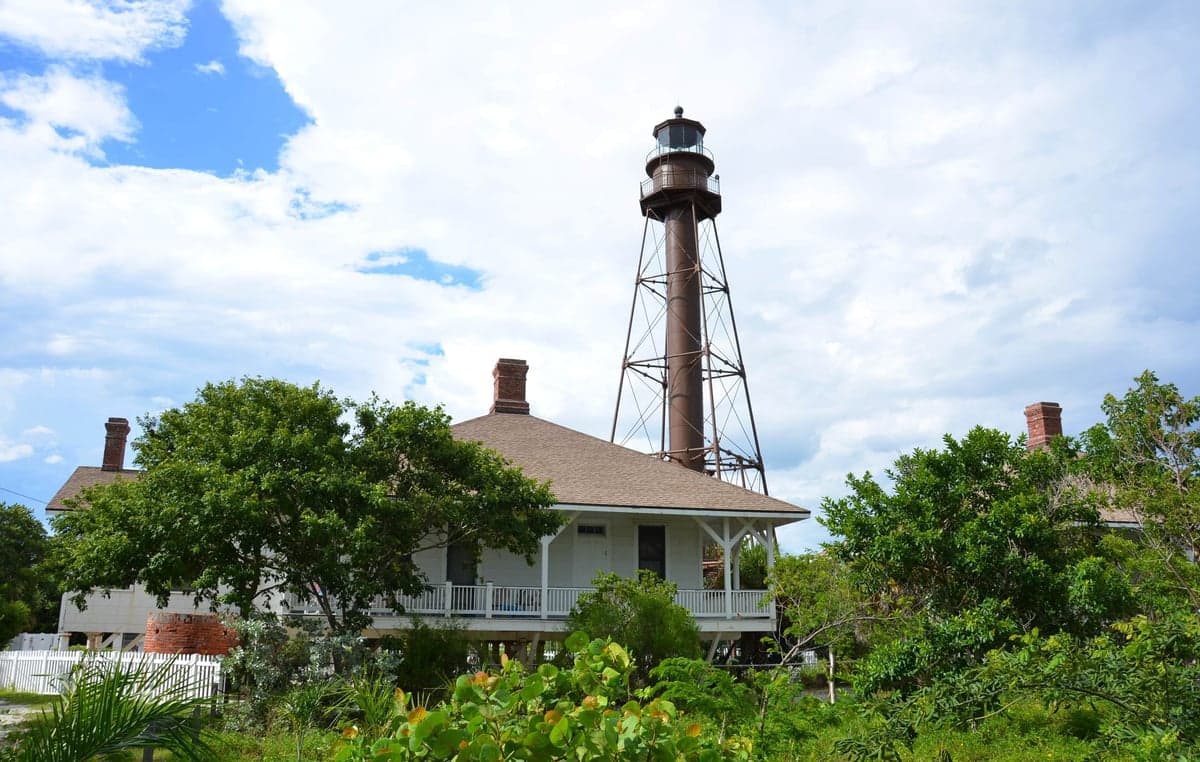
Photo: Wikipedia
Find The Best Places To Live
in Sanibel
PRO TIP! You can paste a Zillow or Redfin link to get info on that property.
Compare Sanibel with another place
What It's Like Living in Sanibel, FL
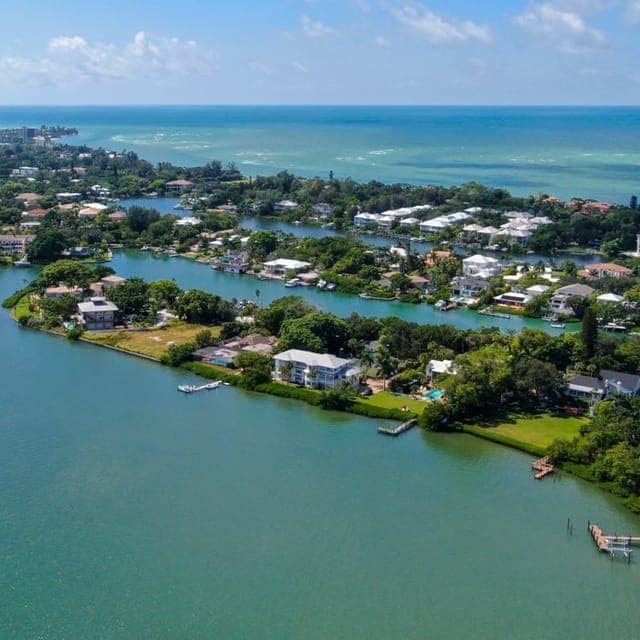
Living on Sanibel Island means trading fast-paced convenience for a slower, shell-covered rhythm where golf carts outnumber convertibles and the biggest daily decision is whether to hit the beach before or after the tide goes out. With a year-round population hovering just over 6,400, the island feels more like a small coastal town than a tourist destination, even though visitors pour in during season. The median age of 68.2 tells you a lot about who’s here—this is overwhelmingly a place for retirees and second-home owners, not young families or career climbers, and the pace of life reflects that.
The Daily Rhythm: Shelling, Golf Carts, and Early Dinners
Life on Sanibel revolves around the island’s natural rhythms. Mornings start early, often with a walk along the beach at low tide, shell bag in hand—Sanibel is famous for its shelling, and locals take it seriously. The Ding Darling National Wildlife Refuge is a daily destination for birders, kayakers, and cyclists, not a once-a-year outing. By late afternoon, the crowd shifts to places like The Timbers Restaurant & Fish Market or Doc Ford’s Rum Bar & Grille, where you’ll see the same faces ordering the same grouper sandwiches. Dinner reservations are common by 5:30 PM, and most places close by 9. The island’s only grocery store, Bailey’s General Store, doubles as a community bulletin board—you’ll hear about lost cats, upcoming town council meetings, and who’s selling a used golf cart while you pick up produce.
Getting around is easy because you don’t really drive much. Most errands are within a 10-minute golf cart ride, and the island’s 25-mph speed limit is strictly enforced. The average commute is just over 21 minutes, but that’s mostly for people who work off-island in Fort Myers or Cape Coral. For those who live and work on Sanibel, the commute is often a five-minute bike ride.
Who Fits In—And Who Doesn’t
Sanibel attracts a specific type: people who value quiet, nature, and predictability over nightlife and career hustle. The median household income of $122,730 and median home value of $912,200 make it clear this is an affluent community, and the cost of living index of 168 (well above the national average) means you need a solid financial cushion to live here comfortably. Over 61% of residents hold a college degree, and conversations at the local coffee shop often drift toward environmental conservation, real estate taxes, or the latest city council decision about beach renourishment. Young families are rare—the school system serves about 300 students total, and many families with kids choose to live on the mainland in Fort Myers for better school options and lower housing costs. If you’re under 40 and looking for a vibrant social scene, Sanibel will feel sleepy. If you’re over 55 and want to spend your days biking, birding, and eating fresh seafood by sunset, it’s close to paradise.
What There Is to Do (and What There Isn’t)
Entertainment here is low-key and outdoorsy. The big annual event is the Sanibel Shell Festival in March, which draws shell collectors from across the country. The Sanibel Island Farmers Market runs from October to May, and the Sanibel Music Festival brings classical and jazz performances to the community center. There’s no movie theater, no bowling alley, no mall—the closest multiplex is a 30-minute drive over the causeway. What you get instead is world-class fishing, kayaking through mangrove tunnels, and miles of bike paths that connect the entire island. The Sanibel-Captiva Conservation Foundation runs nature tours and volunteer cleanups that are genuinely popular, not just something people say they’ll do. For nightlife, the options are limited: a few bars like The Mucky Duck on Captiva offer live music and a lively crowd, but most evenings end with a glass of wine on the lanai.
Sports are not a big deal here. There’s no high school football culture—the island’s K-8 school, Sanibel School, feeds into mainland high schools, so local sports loyalties are scattered. You’ll see more Boston Red Sox hats than anything else (spring training is in nearby Fort Myers), but there’s no unifying local team. The real sport on Sanibel is shelling, and the competition is friendly but real—locals know exactly which beaches produce the best lightning whelks after a storm.
Pros and Cons of Living on Sanibel
- Pro: Unmatched natural beauty. The beaches are clean, the wildlife is abundant, and the island’s strict development rules mean you won’t see high-rises or chain stores. The violent crime rate of 78.7 per 100,000 is well below the national average, and the island feels exceptionally safe.
- Con: Hurricane season is real. Sanibel was hit hard by Hurricane Ian in 2022, and residents take storm prep seriously. Insurance costs are high, and the causeway can be a bottleneck during evacuations.
- Pro: A tight-knit, educated community. Neighbors know each other, and there’s a strong volunteer ethic. The island’s small size means you’ll quickly become a regular at the same spots.
- Con: Limited amenities and isolation. For anything beyond basic shopping or medical care, you’re driving 30-45 minutes to Fort Myers. The seasonal tourist influx (roughly November through April) can make restaurants and beaches feel crowded, even though the population swells.
- Pro: No traffic headaches. Compared to Naples or Fort Myers, Sanibel’s traffic is a dream—except for the causeway on summer weekends.
One cultural quirk you’ll notice: Sanibel residents are fiercely protective of the island’s character. There’s a strong “keep it natural” ethos that resists overdevelopment, and newcomers who complain about the lack of a Starbucks or a movie theater will get polite but firm pushback. The island’s identity is rooted in conservation, quiet, and a certain unhurried dignity—if that sounds like your speed, you’ll fit right in.

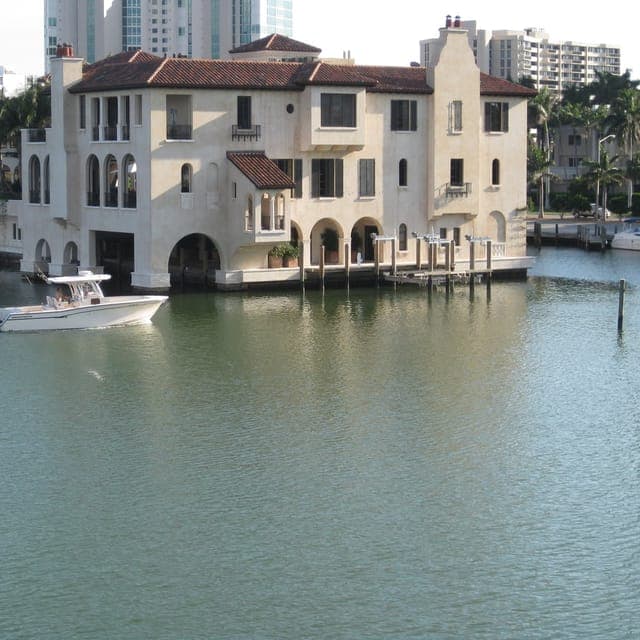
Similar small towns to Sanibel



* Values derived from national, state, county, city and local statistics and may differ in a specific area. Last updated: 2026-11-16T14:27:13.000Z
Narrative content on this page is AI-generated and may contain mistakes. Verify any details that matter before acting on them.
ReloMaps may earn a commission from affiliate links at no extra cost to you.

