
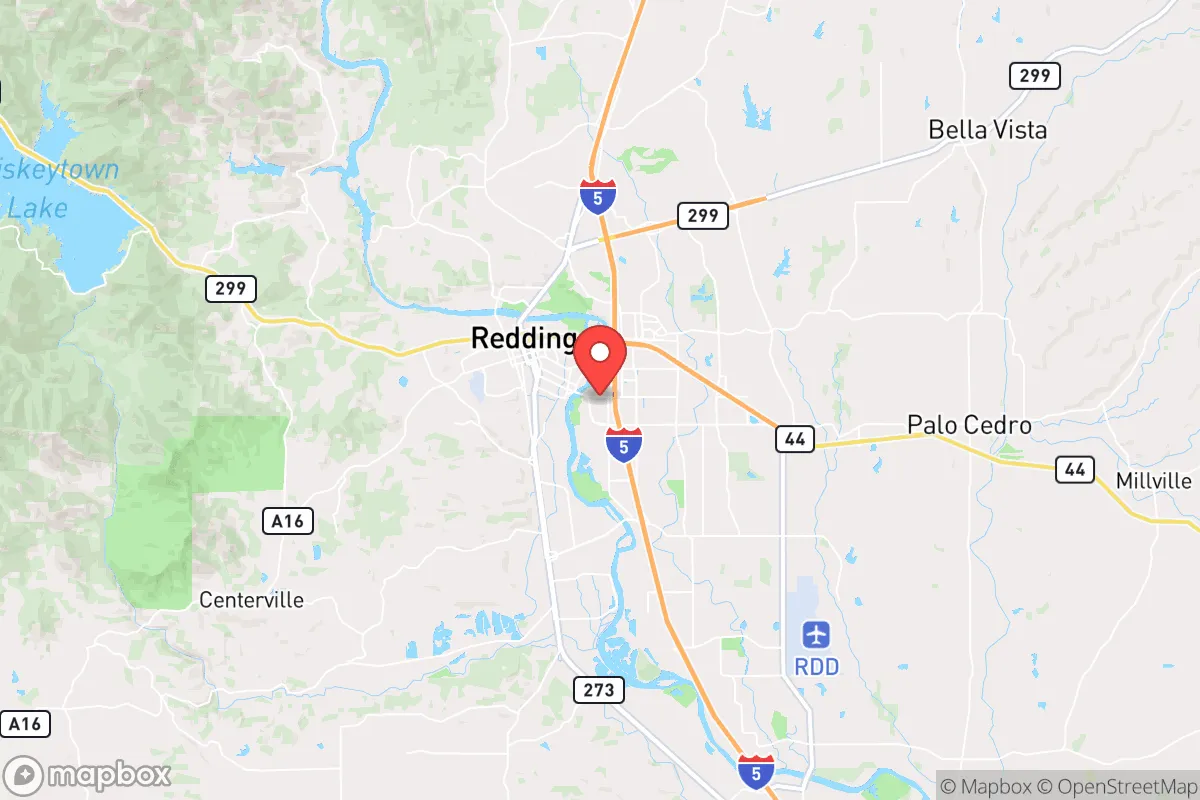
Photo: Wikipedia
Quality of Life in Redding, CA
Above-average quality of iife. The area offers a reasonable cost of living, decent mobility, and a mix of neighborhood amenities.
What does Quality of Life tell us?
Quality of Life blends cost of living, nearby amenities, socioeconomic signals, and neighborhood character. City-level scores represent the whole municipality; individual neighborhoods can differ.
What does this tell us?
Quality of Life blends cost of living, nearby amenities, socioeconomic signals, and neighborhood character. City-level scores represent the whole municipality; individual neighborhoods can differ.
Cost of Living
20% above national average
The Real Cost of Living in Redding, CA for 2026
| Tier | Individual | Family (4) |
|---|---|---|
| Survival | $21k | $40k |
| Comfortable | $71k | $104k |
| Luxury | $124k+ | $193k+ |
| Elite (Top 5%) | $146k+ | $227k+ |
67%
The Area Signal
A metric tracking the socioeconomic signals of the area.
Hobbies
Explore the areaGroceries
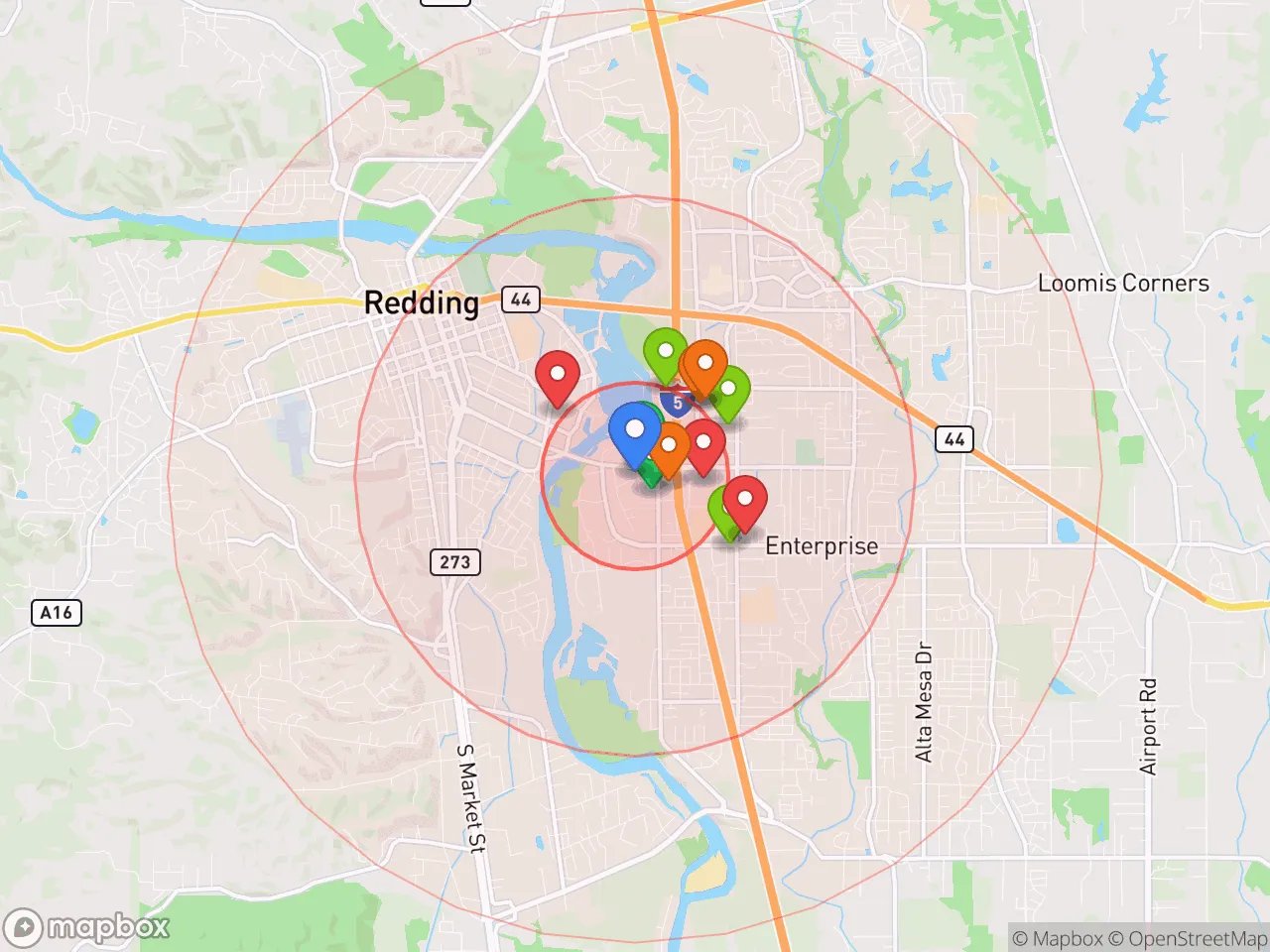
9 within 10 miles
Gas
20 within 10 miles
Hospital
3 within 20 miles
Airport
SAN — Oakland San Francisco Bay
Post Office
USPS — Redding, CA
Critical Amenities
Quality-of-Life Analysis
Redding, California, presents a quality-of-life profile that is notably more affordable than the state average, attracting a mix of outdoor enthusiasts, remote workers, and families seeking a lower cost of entry into California living. With a cost-of-living index of 120 (20% above the U.S. average), the city sits well below the California norm of roughly 150, making it a relative bargain within the state. The population skews toward middle-income households, with a significant contingent of retirees and tradespeople drawn by the region's lower housing costs and access to the Sacramento River and Shasta-Trinity National Forest.
Cost of living, housing affordability, and how it compares to nearby areas
Redding's housing market is the primary driver of its affordability advantage. The median home value of $363,800 is roughly half the California median of around $730,000, and the median rent of $1,323 is similarly below the state average of $1,800. Compared to nearby Chico (median home value ~$420,000) or the more expensive Sacramento metro ($500,000+), Redding offers a clear price break. The average commute of 16.6 minutes is well under the national average of 26 minutes, reflecting a city where most residents work locally or remotely, and traffic congestion is minimal. However, the trade-off is that wages in Redding also lag behind the state average; median household income hovers around $55,000, meaning housing still consumes a significant share of income for many. Utility costs, particularly summer air conditioning, are higher than the national average due to extreme heat, which can offset some of the housing savings.
What daily life is like: amenities, schools, and the local rhythm
Daily life in Redding revolves heavily around outdoor recreation and a slower, car-dependent pace. The city is a gateway to Shasta Lake, Whiskeytown Lake, and Lassen Volcanic National Park, making it a hub for boating, fishing, hiking, and mountain biking. The Sacramento River Trail, a 17-mile paved path through the city, is a central amenity. For families, the public school system is mixed: the Shasta Union High School District includes several well-regarded options like Shasta High School, but elementary schools in the Enterprise and Redding Elementary districts show variable test scores, with some below state averages. Retail and dining are concentrated along the Dana Drive and Hilltop Drive corridors, anchored by the Mt. Shasta Mall and big-box stores. The cultural scene is modest, with the Cascade Theatre hosting live performances and the Turtle Bay Exploration Park offering a museum and arboretum. The local rhythm is notably quiet after 8 p.m., with few late-night dining or entertainment options, which suits families and retirees but may feel limiting for younger singles or professionals seeking urban energy.
Redding is best suited for those who prioritize outdoor access and housing affordability over urban amenities, cultural density, or career diversity. It works well for remote workers who can earn higher wages from elsewhere, retirees on fixed incomes, and families who value proximity to nature and a short commute. It is less ideal for professionals in specialized fields (beyond healthcare or government), nightlife seekers, or those who prefer walkable, transit-connected neighborhoods. The extreme summer heat—average July highs of 100°F—is a defining factor that seasonal residents and newcomers should weigh carefully against the city's lower cost of living and recreational advantages.

Crime in Redding, CA
Higher crime rates than 65% of comparable U.S. locations.
Violent CrimeViolent Crime Analysis
Property CrimeProperty Crime Analysis
Crime Analysis
Redding, California, reports a violent crime rate of 735.3 incidents per 100,000 residents and a property crime rate of 1,663.3 per 100,000, placing it well above both state and national averages. These figures indicate that the city faces significant public safety challenges, particularly when compared to similarly sized communities in the region. The overall safety picture is one where residents and visitors must exercise heightened awareness, especially given the broader context of Shasta County's justice system policies.
Crime in context
Redding's violent crime rate is roughly double the national average of approximately 380 per 100,000 and significantly higher than California's statewide rate of about 440 per 100,000. Property crime in Redding, at 1,663.3 per 100,000, also exceeds the national benchmark of roughly 1,950 per 100,000 but is notably lower than many large metro areas in the state. However, the city's elevated violent crime numbers are a primary concern. This pattern is consistent with trends seen in many Northern California communities where progressive prosecutorial policies have been linked to reduced incarceration rates and increased recidivism. Shasta County's elected district attorney has faced criticism for policies that prioritize diversion programs over incarceration for repeat offenders, a factor many analysts believe contributes directly to the area's stubbornly high crime rates.
What residents experience
Daily life for Redding residents involves navigating a city where property crimes like vehicle theft and burglary are common, and violent incidents—including aggravated assault and robbery—occur with troubling frequency. The city's downtown core and areas near the Sacramento River Trail see higher concentrations of reported incidents, particularly involving drug-related activity and homelessness. Redding's proximity to Interstate 5 also makes it a corridor for transient criminal activity. Residents frequently report that the local justice system's focus on rehabilitation over accountability has created a revolving door for offenders, undermining public confidence. Neighborhood watch programs and private security measures have become more common as residents seek to compensate for what they perceive as insufficient deterrence from law enforcement and the courts.
Neighborhood-level variation is significant in Redding. Areas west of Interstate 5, including the Lake Redding Estates and Benton Drive corridors, generally report lower crime rates and more responsive policing. In contrast, neighborhoods east of the freeway—particularly around Cypress Avenue, the downtown core, and the Churn Creek Bottom area—experience the highest concentrations of both violent and property crime. Prospective residents are advised to research specific census tracts and consult local crime mapping tools, as block-by-block differences can be stark. The city's overall safety profile is heavily influenced by these high-crime pockets, meaning that choosing a residence in a lower-crime neighborhood can substantially improve one's daily experience.
* Values derived from national, state, county, city and local statistics and may differ in a specific area. Last updated: 2026-10-05T17:06:14.000Z
Narrative content on this page is AI-generated and may contain mistakes. Verify any details that matter before acting on them.
ReloMaps may earn a commission from affiliate links at no extra cost to you.

