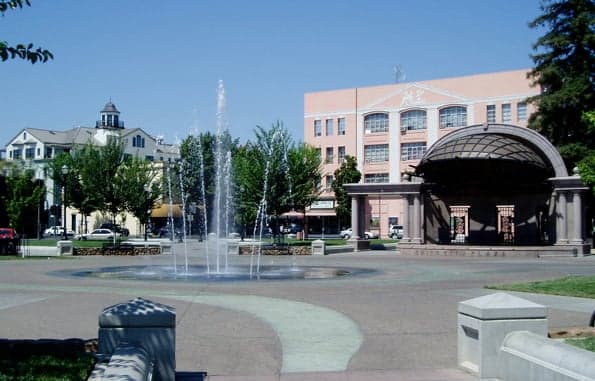
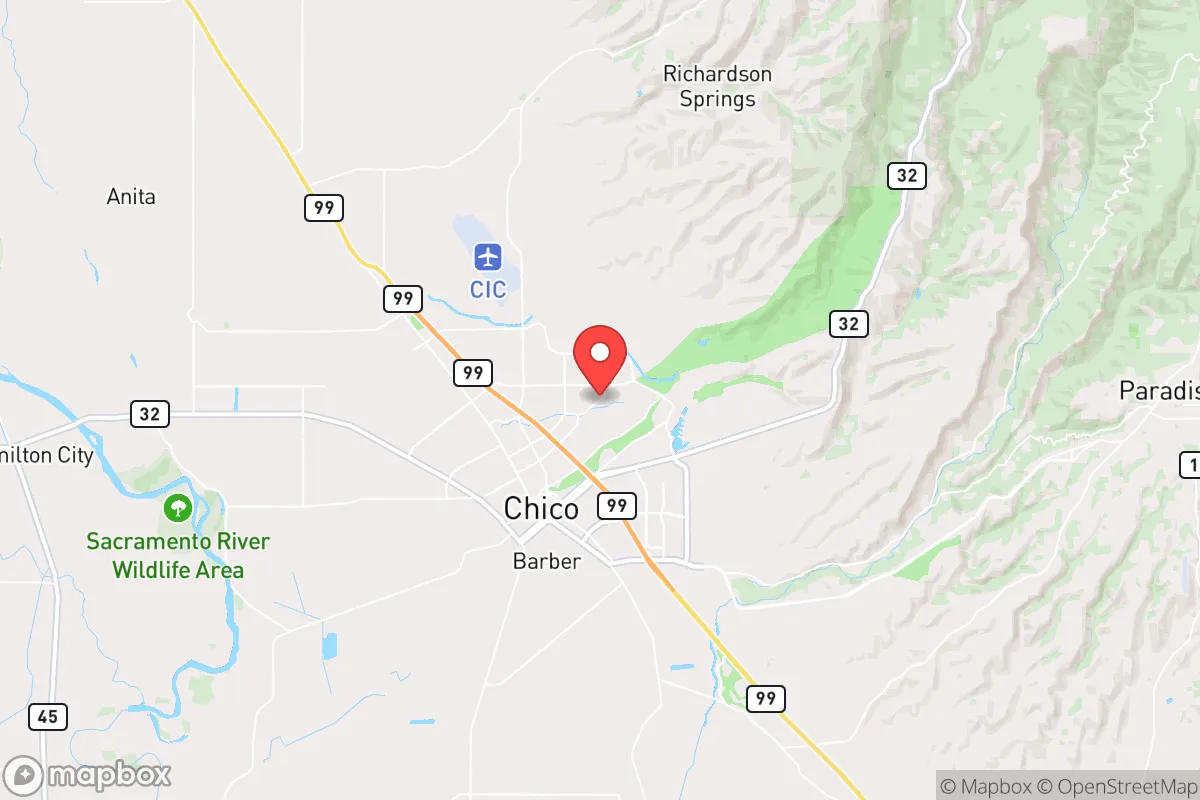
Photo: Wikipedia
Find The Best Places To Live
in Chico
PRO TIP! You can paste a Zillow or Redfin link to get info on that property.
Compare Chico with another place
What It's Like Living in Chico, CA
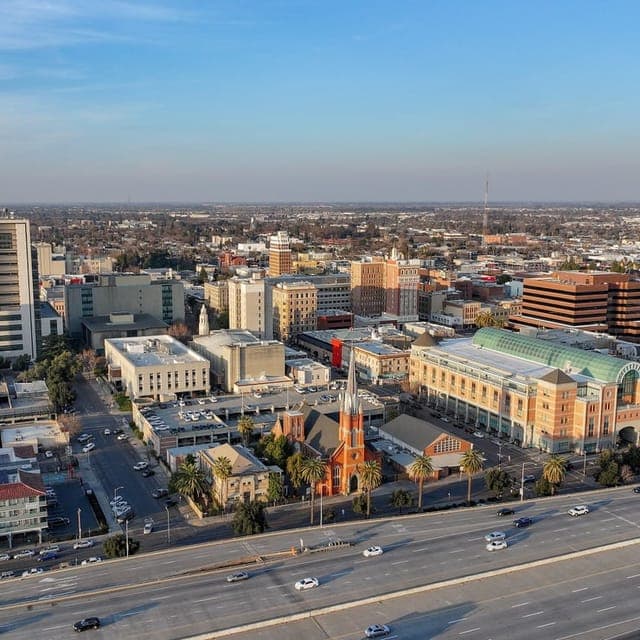
Chico feels like a college town that grew up without entirely losing its student soul. California State University, Chico anchors the north end of town, and the energy of 16,000 students bleeds into the downtown grid of one-way streets, independent coffee shops, and bars that have been around longer than most of the drinkers. But step a few blocks off campus and you’re in a city of 102,032 people where the median age is just 31 — a place where young families, tradespeople, and retirees coexist, held together by a shared love for Bidwell Park and a general impatience with Sacramento traffic.
Daily Rhythm: What Weekends and Weeknights Actually Look Like
Most Chicoans structure their free time around Bidwell Park, one of the largest municipal parks in the country. On a Saturday morning, you’ll find people running the paved Lower Park loop, mountain biking the Upper Park trails, or floating down Big Chico Creek in an inner tube when the summer heat hits triple digits. The park is the city’s living room — it’s where kids learn to swim at One-Mile, where high schoolers hang out at Bear Hole, and where the annual Chico Wildflower Century bike ride starts every spring. Weeknights, the downtown strip on Broadway and Main fills with a mix of students at The Bear (a dive bar with cheap pitchers) and locals grabbing dinner at Sierra Nevada Brewing Company’s taproom and restaurant, which draws visitors from all over the state. Grocery shopping tends to happen at Chico Natural Foods co-op or the massive Costco off Highway 99, and the Chico Certified Farmers Market on Saturday mornings at the North Valley Plaza parking lot is a genuine community ritual — not a tourist trap.
Who Fits In Here — and Who Might Not
The typical Chico resident is someone who values outdoor access over nightlife density and is willing to trade a shorter commute for a smaller job market. The median household income is $67,929, which is notably lower than the California average, and the cost of living index sits at 139 (39% above the national average). That means a family earning the median can afford a modest home — the median home value is $455,300 — but they’ll feel the pinch on groceries and utilities. The workforce is heavily tilted toward education, healthcare, and retail, with Enloe Medical Center and the university as the two largest employers. 41.3% of adults hold a bachelor’s degree or higher, so there’s a literate, opinionated undercurrent to local politics and civic life. People who thrive here tend to be self-starters: they don’t wait for the city to organize a festival; they start a book club, a trail-running group, or a backyard chicken coop. If you need a 24-hour diner or a major concert venue, you’ll be disappointed. If you’re okay driving an hour to Sacramento for a flight or a show, you’ll be fine.
Sports, Festivals, and the Things That Bring the Town Together
Chico doesn’t have a professional sports team, but it doesn’t need one. Chico State Wildcats basketball and baseball draw decent crowds at Acker Gym and Nettleton Stadium, especially when the baseball team makes a playoff run. High school sports are a bigger deal here than in most California cities of this size — Pleasant Valley High School and Chico High School football games on Friday nights can pull 3,000 people, and the rivalry is genuine enough that local bars will have the score on a TV. The biggest annual event is the Chico World Music Festival in September, which turns downtown into a stage for global acts and food vendors. The Silver Dollar Fair in May brings carnival rides and livestock shows, and the Chico Air Show at the municipal airport draws vintage-plane enthusiasts from across the North State. For music, The Senator Theatre downtown hosts touring indie and folk acts, while Lost on Main is a smaller venue for local bands and open-mic nights.
Pros and Cons of Living in Chico
Longtime residents will rattle off the same list if you ask them what works and what doesn’t:
- Pro: The commute is real. The average commute time is 17.3 minutes, one of the shortest in California. You can live on the south end of town and be at the university in 12 minutes. Traffic jams mean waiting through two light cycles at the Highway 99/20th Street interchange.
- Con: Violent crime is a genuine concern. The rate sits at 664.2 per 100,000 residents, roughly double the national average. Property crime — especially bike theft and car break-ins — is concentrated near campus and the downtown core. Most residents learn to lock everything and never leave valuables in plain sight.
- Pro: You can actually afford a house (by California standards). A median home value of $455,300 is steep for the rest of the country, but it’s a bargain compared to the Bay Area or Los Angeles. First-time buyers can still find a three-bedroom ranch in a neighborhood like Chapmantown or near Bidwell Junior High for under $400,000 if they’re willing to do some work.
- Con: Summer heat is relentless. July and August regularly hit 105°F, and the valley air can feel thick with agricultural dust from the surrounding rice and almond fields. Air conditioning isn’t optional — it’s survival equipment.
- Pro: The schools are a community anchor. Chico Unified School District is one of the larger employers in town, and schools like Bidwell Elementary and Chico Junior High host evening events that draw parents and neighbors. The district’s test scores are middling by state standards, but the schools function as social hubs in a way that’s rare in bigger cities.
Chico has a particular cultural quirk that newcomers notice quickly: people here are proud of being from Chico. They’ll tell you about the Chico Nut Company on the corner of 8th and Main, the 1940 Fire that destroyed much of downtown, and the fact that Bidwell Park was a gift from the city’s founder, John Bidwell, in 1905. There’s a low-key civic pride that doesn’t need to shout — it shows up in the way people volunteer for creek cleanups, show up for high school theater productions, and defend the city’s small-town feel against any proposal for a new strip mall. It’s not a perfect place, but it’s a place where people know their neighbors, and that counts for a lot.

Similar small cities to Chico


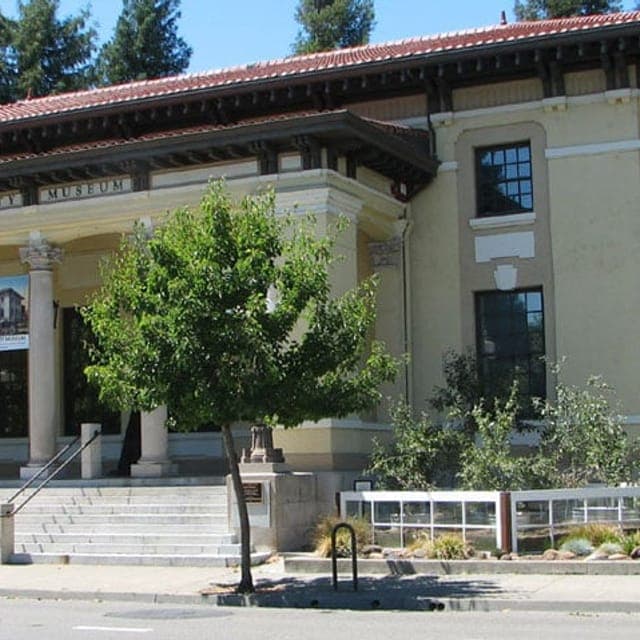
* Values derived from national, state, county, city and local statistics and may differ in a specific area. Last updated: 2026-10-30T23:50:37.000Z
Narrative content on this page is AI-generated and may contain mistakes. Verify any details that matter before acting on them.
ReloMaps may earn a commission from affiliate links at no extra cost to you.

