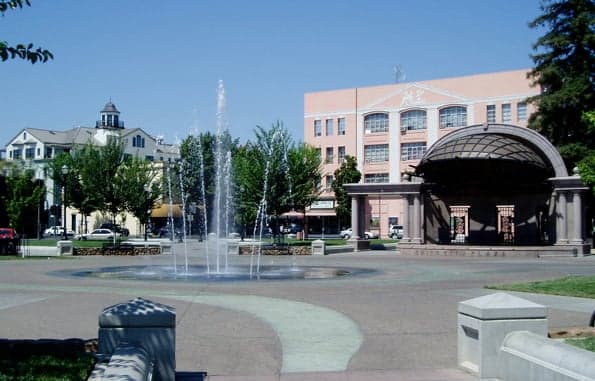
Photo: Wikipedia
Quality of Life in Chico, CA
Above-average quality of iife. The area offers a reasonable cost of living, decent mobility, and a mix of neighborhood amenities.
What does Quality of Life tell us?
Quality of Life blends cost of living, nearby amenities, socioeconomic signals, and neighborhood character. City-level scores represent the whole municipality; individual neighborhoods can differ.
What does this tell us?
Quality of Life blends cost of living, nearby amenities, socioeconomic signals, and neighborhood character. City-level scores represent the whole municipality; individual neighborhoods can differ.
Cost of Living
39% above national average
The Real Cost of Living in Chico, CA for 2026
| Tier | Individual | Family (4) |
|---|---|---|
| Survival | $23k | $43k |
| Comfortable | $88k | $130k |
| Luxury | $123k+ | $190k+ |
| Elite (Top 5%) | $152k+ | $236k+ |
52%
The Area Signal
A metric tracking the socioeconomic signals of the area.
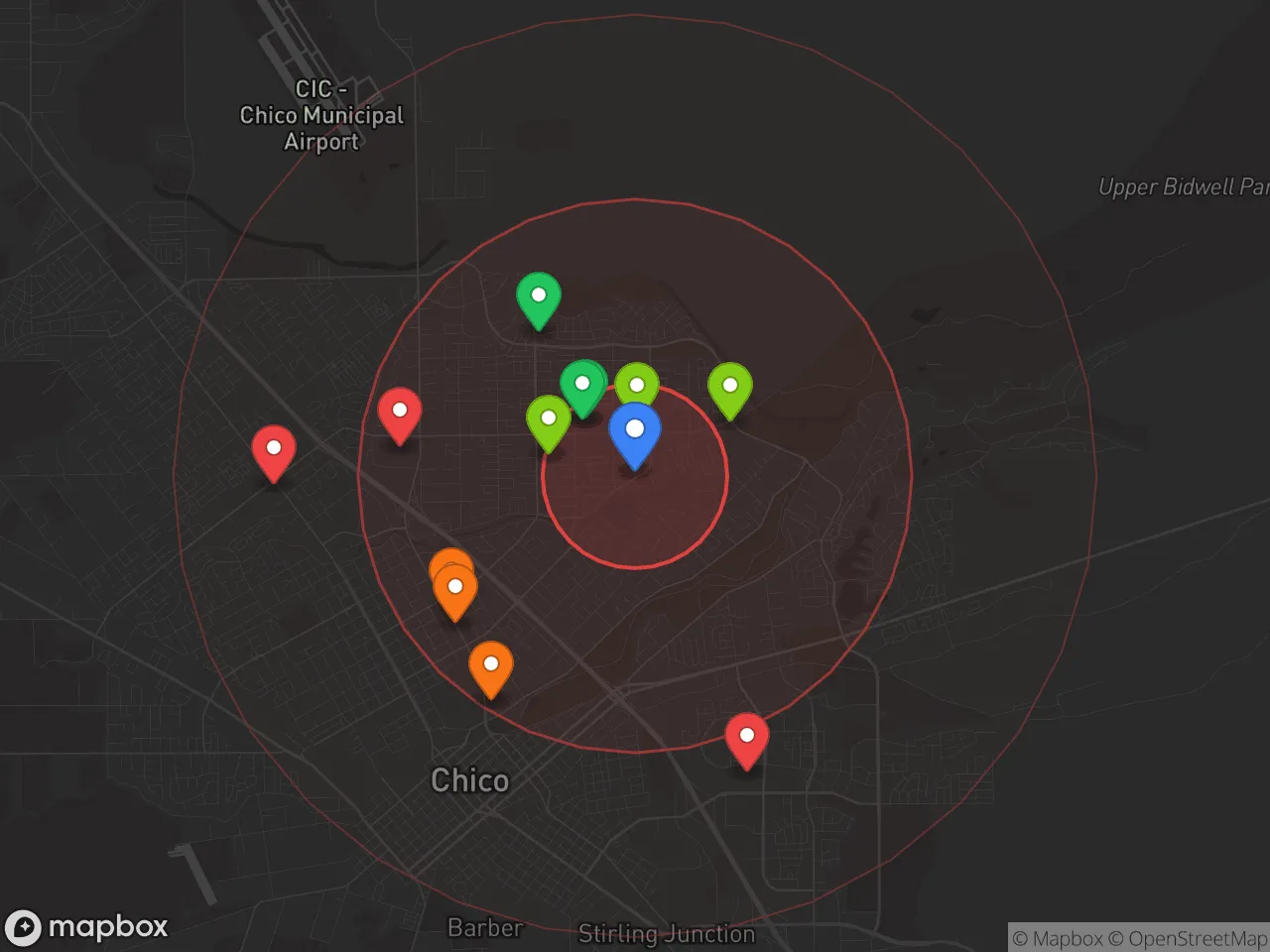
Hobbies
Explore the areaGroceries
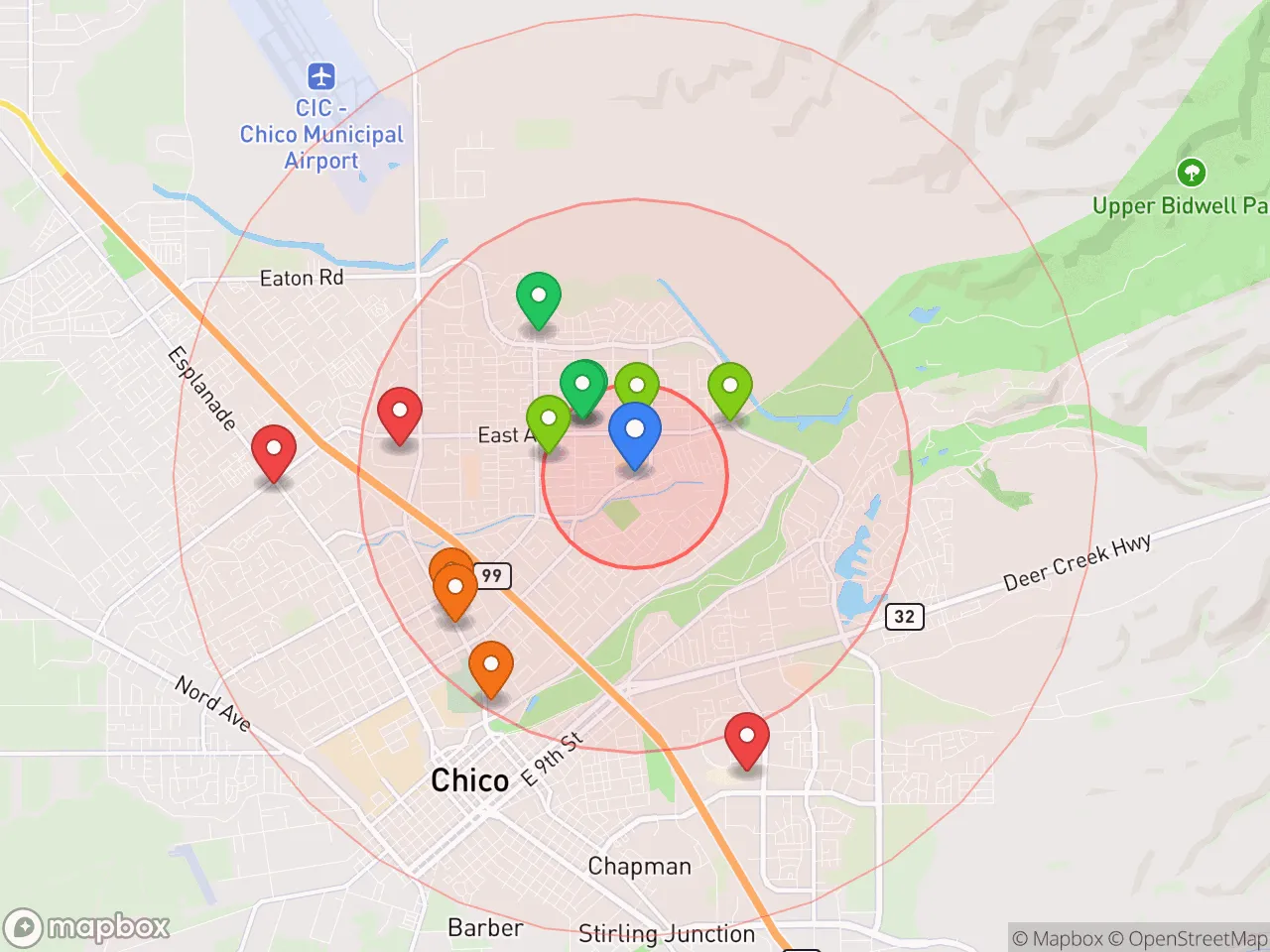
8 within 10 miles
Gas
20 within 10 miles
Hospital
3 within 20 miles
Airport
SAN — Oakland San Francisco Bay
Post Office
USPS — Chico, CA
Critical Amenities
Quality-of-Life Analysis
Chico, California, presents a quality-of-life profile that is more affluent and more expensive than the national average, yet it remains a relative bargain compared to the rest of the Bay Area-adjacent and Sacramento Valley housing markets. The city’s cost of living index sits at 139 (100 = U.S. average), meaning everyday expenses run roughly 39% higher than typical American cities. The population skews toward a mix of university faculty, healthcare professionals at Enloe Medical Center, and long-time agricultural families, creating a demographic blend that is educated, civic-minded, and deeply tied to the region’s seasonal rhythms.
Cost of living and housing affordability compared to nearby cities
Housing is the primary driver of Chico’s elevated cost index, though it still undercuts major California metros by a wide margin. The median home value in Chico is $455,300, which is roughly half the statewide median of about $780,000 and significantly below Sacramento’s median of approximately $525,000. For renters, the median monthly rent is $1,442, a figure that is about $300 cheaper than comparable units in Sacramento and nearly $1,000 less than in the Bay Area. However, Chico is not cheap by national standards—a renter earning the local median household income of roughly $62,000 would spend about 28% of gross pay on housing, which is right at the federal affordability threshold. Compared to nearby smaller towns like Oroville or Gridley, Chico commands a premium of 15–20% for homes, reflecting its stronger job market and university presence. Property taxes remain relatively low under Proposition 13, but utility costs and groceries run 10–15% above the national average, which erodes some of the savings gained on housing.
What daily life is like: amenities, schools, and community rhythm
Daily life in Chico revolves around a compact, walkable downtown core centered on Broadway and Main Street, where the Saturday farmers market draws thousands of residents year-round. The city’s crown jewel is Bidwell Park, one of the largest municipal parks in the U.S. at 3,670 acres, offering swimming holes at One-Mile and Five-Mile, miles of cycling trails, and the Bidwell Mansion historic site. The average commute time is just 17.3 minutes, one of the shortest in California, which gives residents a genuine small-city convenience—most errands, schools, and workplaces are within a 10-minute drive. The Chico Unified School District serves roughly 12,500 students, with Pleasant Valley and Chico High Schools both offering strong AP programs; for higher education, California State University, Chico enrolls about 16,000 students and anchors the local cultural calendar with performances at Laxson Auditorium and the annual Chico World Music Festival. The city’s rhythm is distinctly seasonal: fall brings almond harvest activity and the Chico Wildflower Century bike ride, while summer heat (average July highs near 94°F) pushes residents toward the park’s swimming holes and the nearby Sacramento River. Dining leans toward farm-to-table casual, with standouts like the Sierra Nevada Brewing Company taproom and local favorites such as Mom’s and The Banshee.
Chico is best suited for people who value outdoor recreation, a slower pace, and a tight-knit community over urban nightlife or career maximalism. Remote workers, university employees, and healthcare professionals will find the short commute and relatively affordable housing compelling, while those seeking a robust tech job market or extensive public transit should look elsewhere. The city’s wildfire risk—particularly the 2018 Camp Fire that devastated nearby Paradise—is a real consideration for homebuyers, and insurance costs reflect that exposure. For families and retirees who prioritize walkability, green space, and a genuine sense of place, Chico offers a quality of life that punches well above its price tag.

Crime in Chico, CA
Crime rates similar to the national median for U.S. locations.
Violent CrimeViolent Crime Analysis
Property CrimeProperty Crime Analysis
Crime Analysis
Chico, California, reports a violent crime rate of 664.2 incidents per 100,000 residents and a property crime rate of 1,841.9 per 100,000, figures that place it among the more dangerous cities in the state for its size. These statistics reflect a community where safety concerns are elevated, particularly given the influence of progressive criminal justice policies in Butte County that prioritize offender rehabilitation over strict enforcement. Residents and prospective movers should weigh these numbers carefully, as they indicate a higher likelihood of victimization compared to many other Northern California cities.
Crime in context
Chico’s violent crime rate is more than double the national average of roughly 380 per 100,000 and significantly exceeds the California state average of about 440 per 100,000. Property crime, while slightly below the state average of approximately 2,100 per 100,000, remains a persistent issue. The city’s proximity to the Sacramento Valley and its role as a regional hub for the northern Central Valley contribute to these figures, but local justice policies play a key role. Butte County has seen a pattern of lenient sentencing and early release programs under progressive district attorneys and judges, a trend that critics argue directly increases recidivism and leaves more offenders on the street. This ideological approach, while sympathetic to offenders, undermines public safety and reduces deterrence, making Chico a riskier environment than its population of roughly 100,000 would suggest.
What residents experience
For those living in Chico, property crime is the most common safety concern, with theft, burglary, and vehicle break-ins occurring regularly in both residential and commercial areas. Violent crime, while less frequent, includes aggravated assault, robbery, and occasional incidents involving firearms, particularly near downtown and the Chico State University campus. The presence of a large student population and transient communities can amplify these risks, especially during late-night hours. Residents often report feeling unsafe walking alone after dark in certain neighborhoods, and the city’s police department, while responsive, faces challenges from a justice system that frequently cycles offenders back into the community. The combination of high crime rates and progressive judicial policies creates a tangible sense of insecurity for many families and long-term residents.
Neighborhood-level variation
Safety in Chico varies notably by area. The more affluent neighborhoods in the southeast, such as those near Bidwell Park and the upper portions of the city, generally experience lower crime rates, with fewer incidents of theft and violence. In contrast, areas closer to downtown, the south end of town near Highway 99, and the vicinity of the Chico State campus report higher concentrations of property crime and disorder. The Chapman neighborhood and parts of the Barber area are known for elevated risks, including drug-related activity and burglaries. Prospective residents should research specific blocks and consult local crime maps, as even within a single ZIP code, safety can shift dramatically from one street to the next. Given the broader justice system’s leniency, choosing a lower-crime neighborhood is a practical step, but it does not eliminate the underlying risks posed by regional policies.
* Values derived from national, state, county, city and local statistics and may differ in a specific area. Last updated: 2026-10-30T23:50:37.000Z
Narrative content on this page is AI-generated and may contain mistakes. Verify any details that matter before acting on them.
ReloMaps may earn a commission from affiliate links at no extra cost to you.

