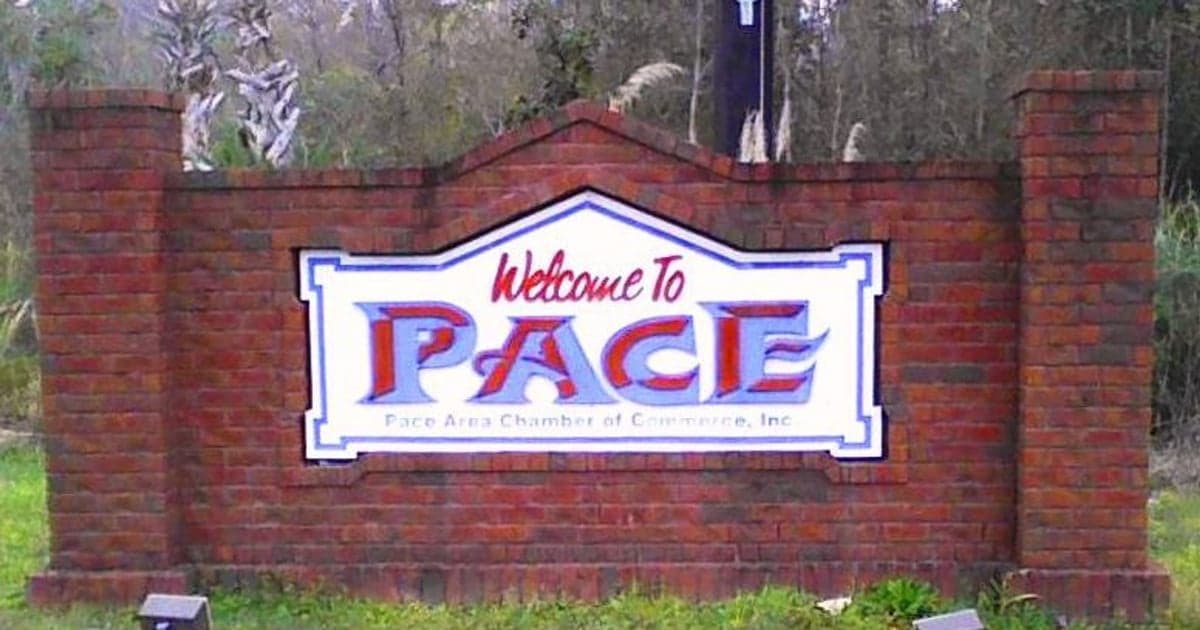
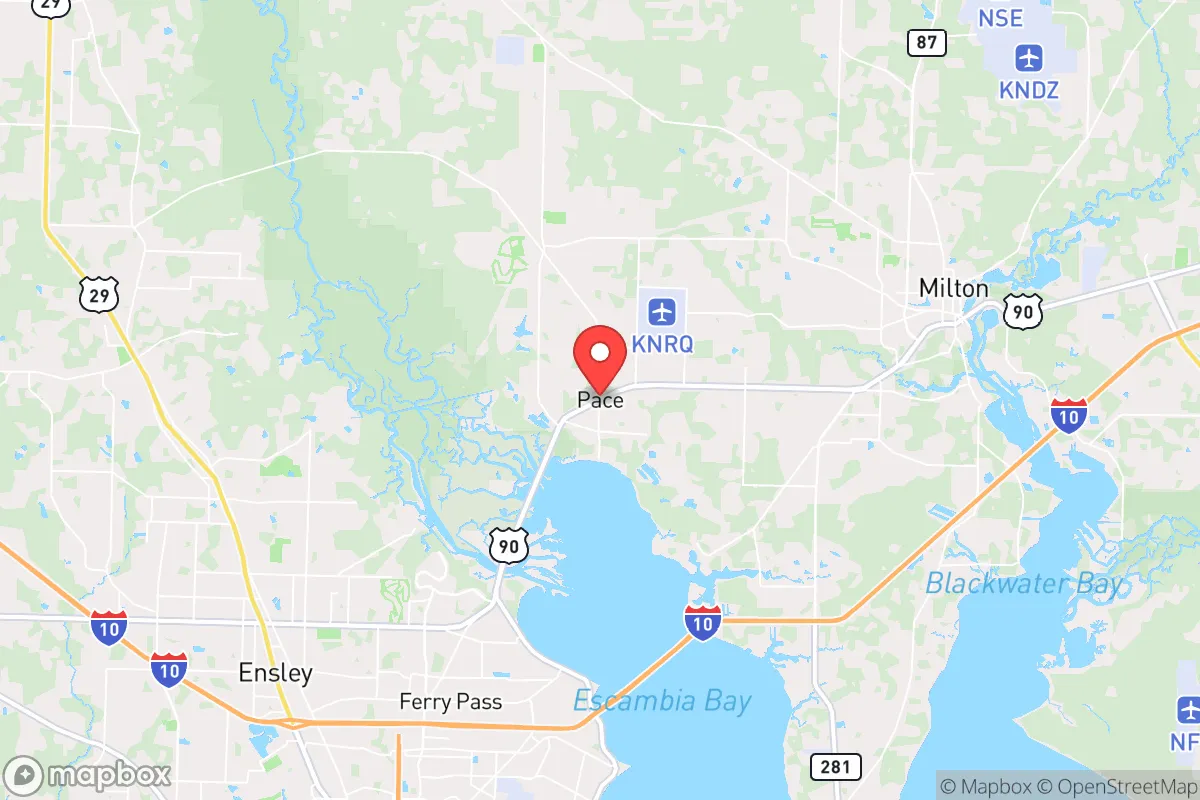
Photo: Wikipedia
Quality of Life in Pace, FL
A high quality of life with strong walkability, manageable living costs, healthy neighborhood signals, and solid amenity access.
What does Quality of Life tell us?
Quality of Life blends cost of living, nearby amenities, socioeconomic signals, and neighborhood character. City-level scores represent the whole municipality; individual neighborhoods can differ.
What does this tell us?
Quality of Life blends cost of living, nearby amenities, socioeconomic signals, and neighborhood character. City-level scores represent the whole municipality; individual neighborhoods can differ.
Cost of Living
The Real Cost of Living in Pace, FL for 2026
| Tier | Individual | Family (4) |
|---|---|---|
| Survival | $19k | $36k |
| Comfortable | $53k | $78k |
| Luxury | $153k+ | $237k+ |
| Elite (Top 5%) | $180k+ | $278k+ |
110%
The Area Signal
A metric tracking the socioeconomic signals of the area.
Hobbies
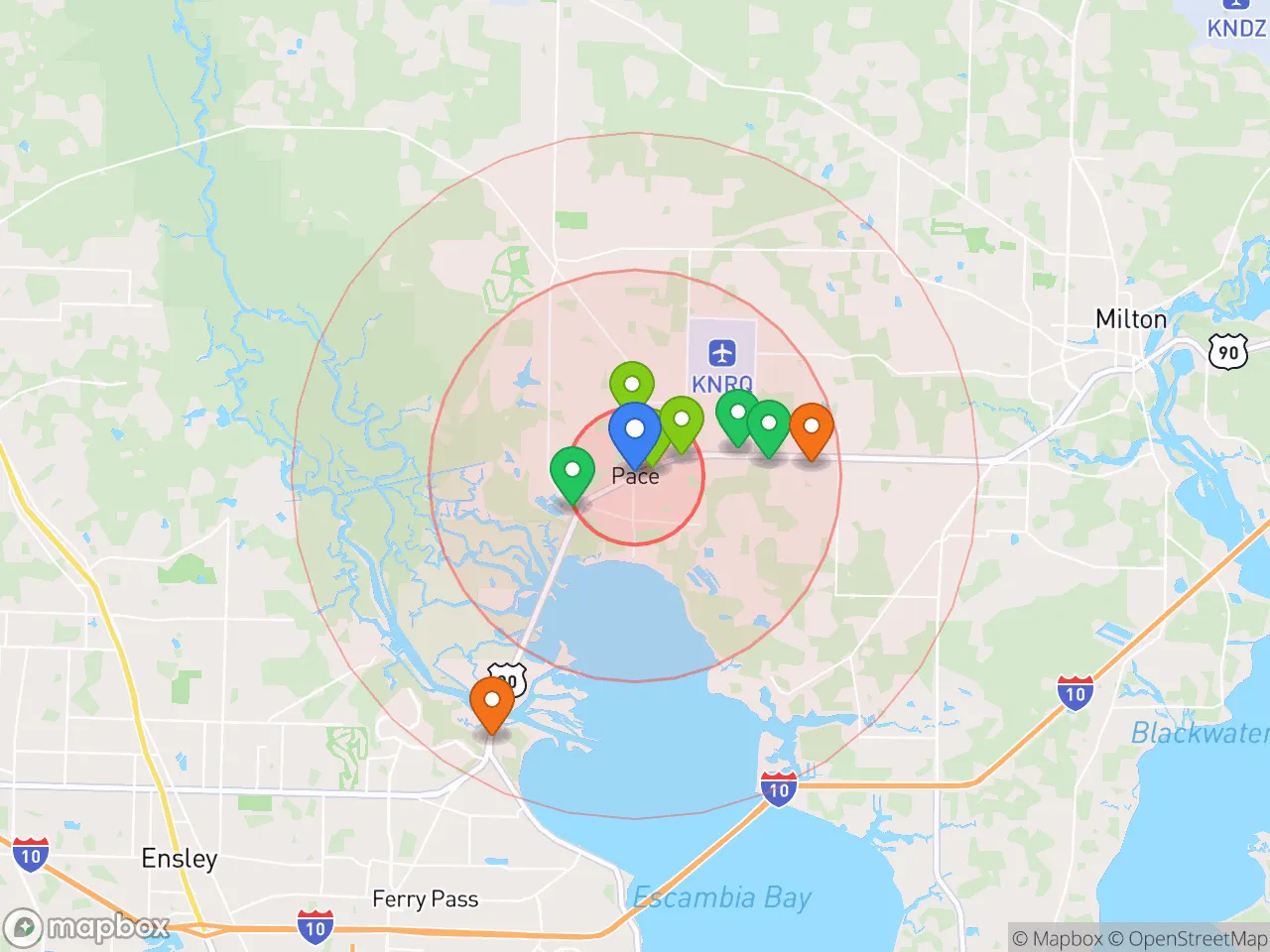
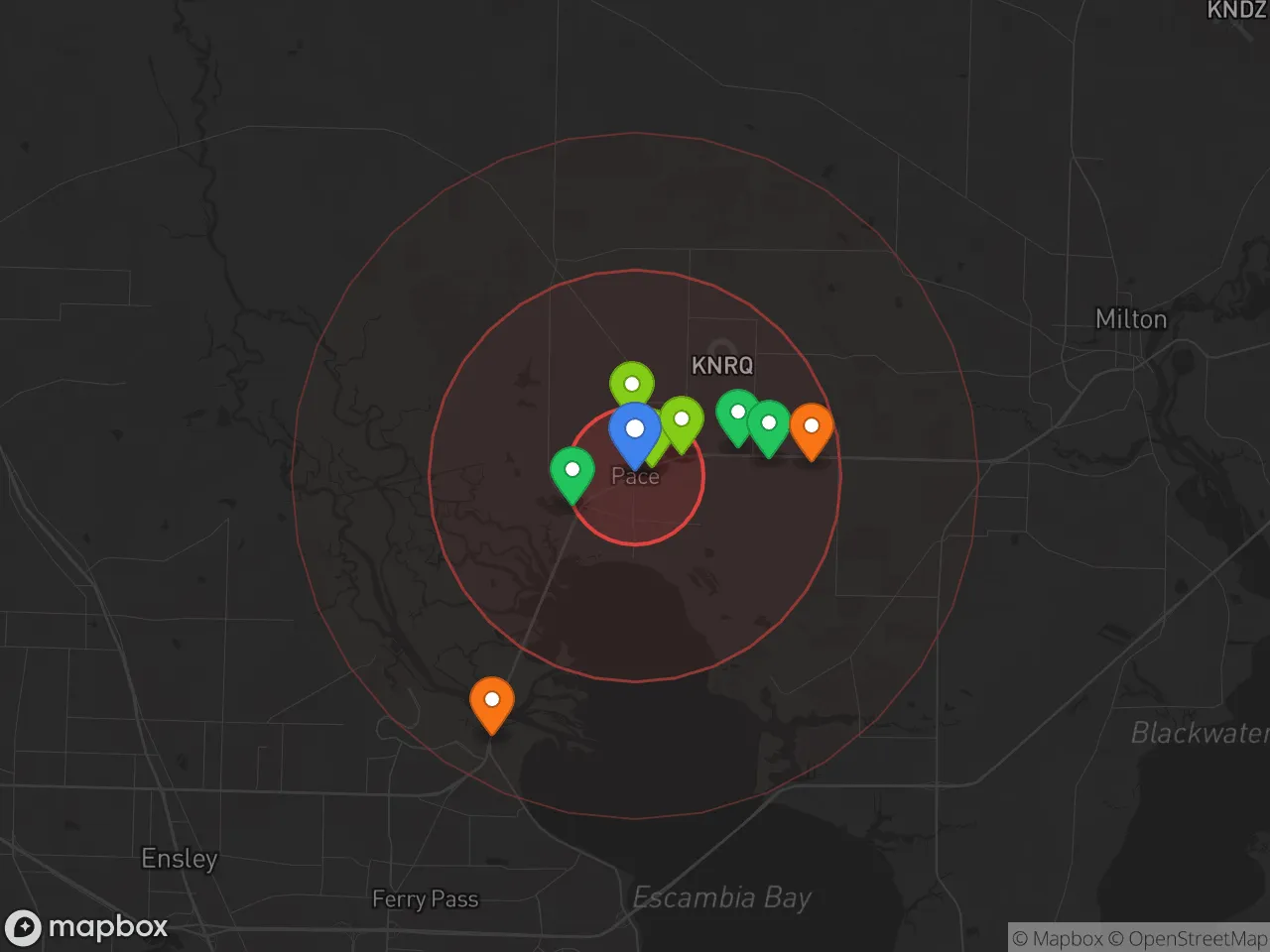
Explore the areaGroceries
5 within 10 miles
Gas
20 within 10 miles
Hospital
9 within 20 miles
Airport
ATL — Hartsfield–Jackson Atlanta International
Post Office
USPS — Pace, FL
Critical Amenities
Quality-of-Life Analysis
Pace, Florida, presents a distinctly affluent quality of life within the Santa Rosa County corridor, attracting a demographic of established families, military-affiliated professionals from nearby Whiting Field Naval Air Station, and commuters seeking a suburban buffer from Pensacola’s urban core. The area’s cost of living index sits at exactly 100, matching the national average, yet this figure masks a housing market that is notably more accessible than the coastal enclaves to the south. Residents here tend to be homeowners in their 30s to 50s, drawn by the promise of newer subdivisions, lower crime rates relative to the broader Pensacola metro, and a slower, more family-oriented daily rhythm.
Cost of living, housing affordability, and how Pace compares to Pensacola and Gulf Breeze
While Pace’s overall cost of living is on par with the U.S. average, its housing market is the primary driver of its affordability advantage over neighboring communities. The median home value of $271,400 is roughly 15-20% lower than comparable single-family homes in Gulf Breeze or East Pensacola, where proximity to the beach and bayfront inflates prices significantly. Renters also find relative value, with a median rent of $1,195—well below the $1,400+ averages seen in Pensacola’s more desirable historic districts and significantly cheaper than the $1,600+ median rents in Gulf Breeze. The trade-off is a longer average commute of 29.6 minutes, as most employment centers (Pensacola’s downtown, the naval air station, and healthcare hubs) require a drive along U.S. Highway 90 or I-10. For buyers, this means a larger house on a bigger lot for the same monthly payment they would face in a tighter, more expensive coastal market.
Daily life, local amenities, and what families can expect from Pace’s schools and services
Daily life in Pace revolves around its well-regarded Santa Rosa County public schools, which consistently earn A and B grades from the Florida Department of Education—a key draw for families. The community lacks a dense downtown core; instead, amenities are strung along U.S. 90, anchored by big-box retailers, chain restaurants, and medical offices. For recreation, residents rely on the nearby Blackwater River State Forest for hiking and canoeing, or drive 20 minutes south to Pensacola Beach for Gulf access. The area’s rhythm is decidedly suburban: children participate in youth sports leagues at Pace Community Center, weekend errands are done at the Publix and Walmart Supercenter, and social life often centers on school events or church gatherings. The absence of heavy nightlife or cultural venues means the trade-off for space and safety is a quieter, more predictable daily routine.
Pace is best suited for families and professionals who prioritize affordable homeownership, low crime rates, and strong public schools over urban walkability or coastal proximity. Commuters willing to accept the 30-minute drive to Pensacola or Milton will find a stable, growing suburb where the housing dollar stretches further than in any comparably rated school district within 20 miles of the Gulf. Retirees or singles seeking vibrant social scenes may find Pace too subdued, but for those raising children or seeking a predictable, safe base near the Panhandle’s employment hubs, it offers a compelling balance of cost and comfort.

Crime in Pace, FL
Generally safer than 68% of comparable U.S. locations.
Violent CrimeViolent Crime Analysis
Property CrimeProperty Crime Analysis
Crime Analysis
Pace, Florida, presents a mixed safety profile that is significantly safer than the national average for violent crime but slightly elevated in property crime, with a violent crime rate of 210.1 per 100,000 residents and a property crime rate of 910.4 per 100,000. While these figures place Pace well below the U.S. violent crime benchmark of roughly 380 per 100,000, the property crime rate is about 10% higher than the national average of 830 per 100,000. The town’s safety picture is heavily influenced by its proximity to Pensacola and the broader Escambia County justice system, which has drawn criticism for progressive policies that some argue prioritize offender rehabilitation over public safety and victim rights.
Crime in context
Pace’s violent crime rate is 45% lower than the national average and roughly half the rate of nearby Pensacola, making it one of the safer communities in the Florida Panhandle for personal safety. However, the property crime rate of 910.4 per 100,000 is a concern, driven largely by theft and vehicle break-ins common in suburban bedroom communities. When compared to the state of Florida’s overall property crime rate of approximately 1,100 per 100,000, Pace fares better, but the gap narrows when considering the broader metro area. The Escambia County judicial system, which handles cases from Pace, has been criticized by conservative watchdogs for lenient sentencing and progressive diversion programs that reduce incarceration rates, potentially emboldening repeat property offenders.
What residents experience
Residents of Pace generally report feeling safe in their neighborhoods, with most violent crime being domestic or acquaintance-related rather than random. The most common safety complaints involve vehicle burglaries and package theft, particularly in subdivisions near U.S. Highway 90 and Interstate 10. The Santa Rosa County Sheriff’s Office provides primary law enforcement, and response times are typically under 10 minutes in the town core. However, the influence of progressive district attorneys in the 1st Judicial Circuit has led to policies like cash bail reform and reduced prosecution of non-violent property crimes, which frustrates victims and can create a perception of impunity among habitual offenders. Residents are advised to secure vehicles and use outdoor lighting, as opportunistic theft is the primary daily risk.
Neighborhood-level variation is notable in Pace. Areas east of Chumuckla Highway and south of Berryhill Road tend to have the lowest crime rates, with many gated communities and active homeowners’ associations. In contrast, subdivisions closer to the Escambia County line, particularly around Quintette Road and the Pace High School corridor, see higher rates of property crime due to easier access from Pensacola. The town’s overall safety is bolstered by strong community policing and neighborhood watch programs, but the broader judicial environment remains a point of concern for those prioritizing long-term public safety and victim justice.
* Values derived from national, state, county, city and local statistics and may differ in a specific area. Last updated: 2026-11-08T00:46:37.000Z
Narrative content on this page is AI-generated and may contain mistakes. Verify any details that matter before acting on them.
ReloMaps may earn a commission from affiliate links at no extra cost to you.

