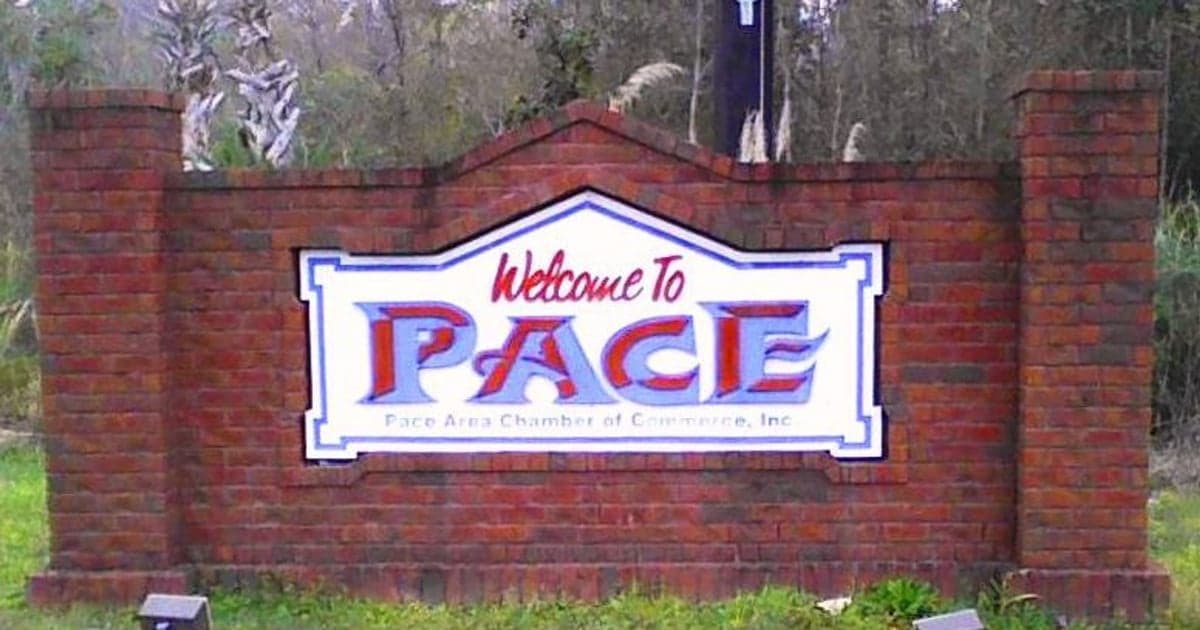
Photo: Wikipedia
Find The Best Places To Live
in Pace
PRO TIP! You can paste a Zillow or Redfin link to get info on that property.
Compare Pace with another place
What It's Like Living in Pace, FL
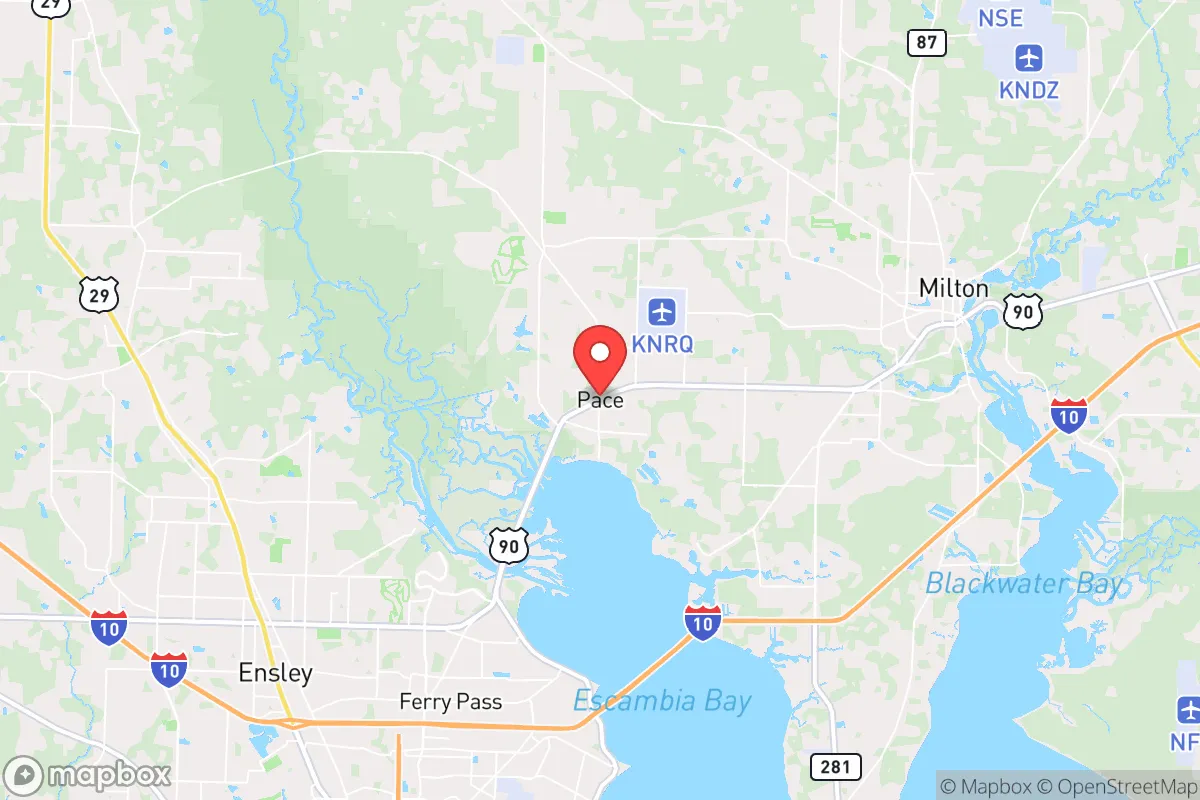
Pace, Florida, feels less like a town you pass through and more like a place you land in and stay. Tucked between the sprawl of Pensacola and the rural quiet of Santa Rosa County, it’s a community of roughly 25,630 people where the median age hovers around 37.3 — old enough to have settled down, young enough to still be building a life. The vibe is solidly middle-class, family-first, and unpretentious: think pickup trucks in driveways, Friday night lights under the bleachers, and a pace of life that actually earns its name.
Daily Rhythm: Work, School, and the Commute
Most mornings here start early. With an average commute of just under 30 minutes, a lot of residents head west into Pensacola or south toward the naval air station for work, then funnel back home to Pace in the evening. The median household income sits at $84,912, which goes further here than in many parts of Florida because the cost of living index is right at 100 — dead-on the national average. That means a decent salary actually buys you a house, and the median home value of $271,400 reflects a market that’s still accessible for teachers, tradespeople, and young families, unlike the skyrocketing prices in coastal towns. Weekends are often spent on home projects, at youth soccer games, or grabbing a bite at local staples like Pace Family Restaurant for a no-frills breakfast or El Asador for Mexican food that draws regulars from across the county.
Sports, Community, and What People Rally Around
High school sports are the closest thing Pace has to a civic religion. Pace High School’s football games on fall Friday nights pack the stands with parents, alumni, and neighbors who’ve known each other for decades. The Patriots’ rivalry with Milton High is genuine and long-standing — it’s the kind of thing that divides households and fills local Facebook groups with friendly trash talk. Beyond football, the community rallies around youth leagues, church softball teams, and the annual Pace Christmas Parade, which is less about spectacle and more about seeing everyone you know on the sidewalk. There’s no major music venue or downtown strip; entertainment here is homegrown. For outdoor time, locals head to Blackwater River State Forest for canoeing and camping, or to Adventures Unlimited for tubing and ziplining — both less than 20 minutes away.
What’s There to Do (and What Isn’t)
Let’s be honest: Pace is not a nightlife destination. There are no clubs, no concert halls, no trendy rooftop bars. What it does have is a handful of solid local hangouts — Pace Palace for pool and beer, Bubba’s Sports Bar for watching the game — and easy access to Pensacola’s restaurants and music scene when you want it. The trade-off is space and quiet. The violent crime rate of 210.1 per 100,000 is below the national average, and most people feel safe letting kids ride bikes around the neighborhood. The biggest frustration for longtime residents is the lack of retail variety — you’ll drive to Pensacola for a Target run or a sit-down dinner that isn’t a chain, and the traffic on Highway 90 can back up during school drop-off and rush hour. Seasonal rhythms are mild: summers are hot and humid, hurricane season keeps everyone watching the tropics from June through November, and winters are short enough that you’ll still be mowing the lawn in December.
Who Fits In Here — and Who Might Not
Pace works best for people who want a suburban base camp — a place with good schools, a reasonable cost of living, and neighbors who wave. About 31.5% of adults hold a college degree, which is lower than the national average, but the community values practical know-how over credentials. You’ll find plenty of military families (thanks to nearby NAS Pensacola and Whiting Field), construction and trade workers, healthcare professionals, and remote workers who traded city rent for a mortgage. The political lean is noticeably conservative — yard signs during election season lean heavily red, and the local culture is church-oriented, flag-waving, and pro-business. If you’re looking for walkable urbanism, cultural diversity in dining and arts, or a singles scene, you’ll likely chafe here. But if your priority is a safe, affordable place to raise kids, with good schools and neighbors who’ll help you jump-start your car, Pace delivers on its promise.
- Pros: Affordable housing, low crime, strong community feel, good schools, proximity to beaches and outdoor recreation.
- Cons: Limited dining and shopping, longish commute to Pensacola, few entertainment options for singles or young adults, summer humidity and hurricane risk.

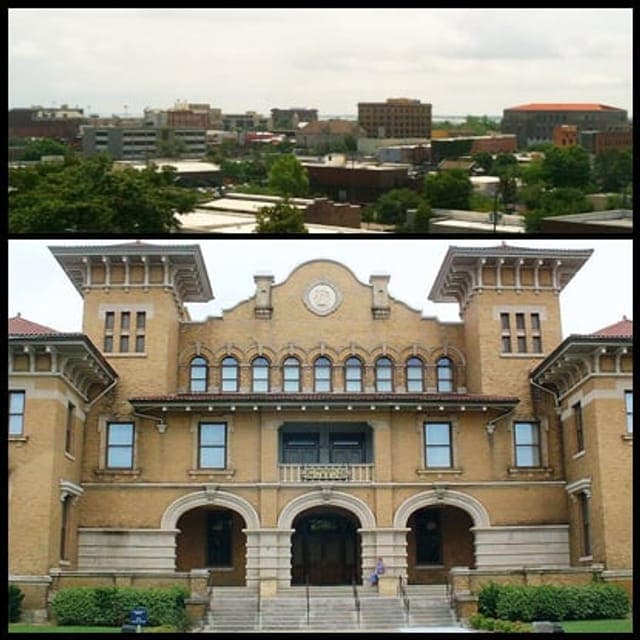
Similar towns to Pace

* Values derived from national, state, county, city and local statistics and may differ in a specific area. Last updated: 2026-11-08T00:46:37.000Z
Narrative content on this page is AI-generated and may contain mistakes. Verify any details that matter before acting on them.
ReloMaps may earn a commission from affiliate links at no extra cost to you.

