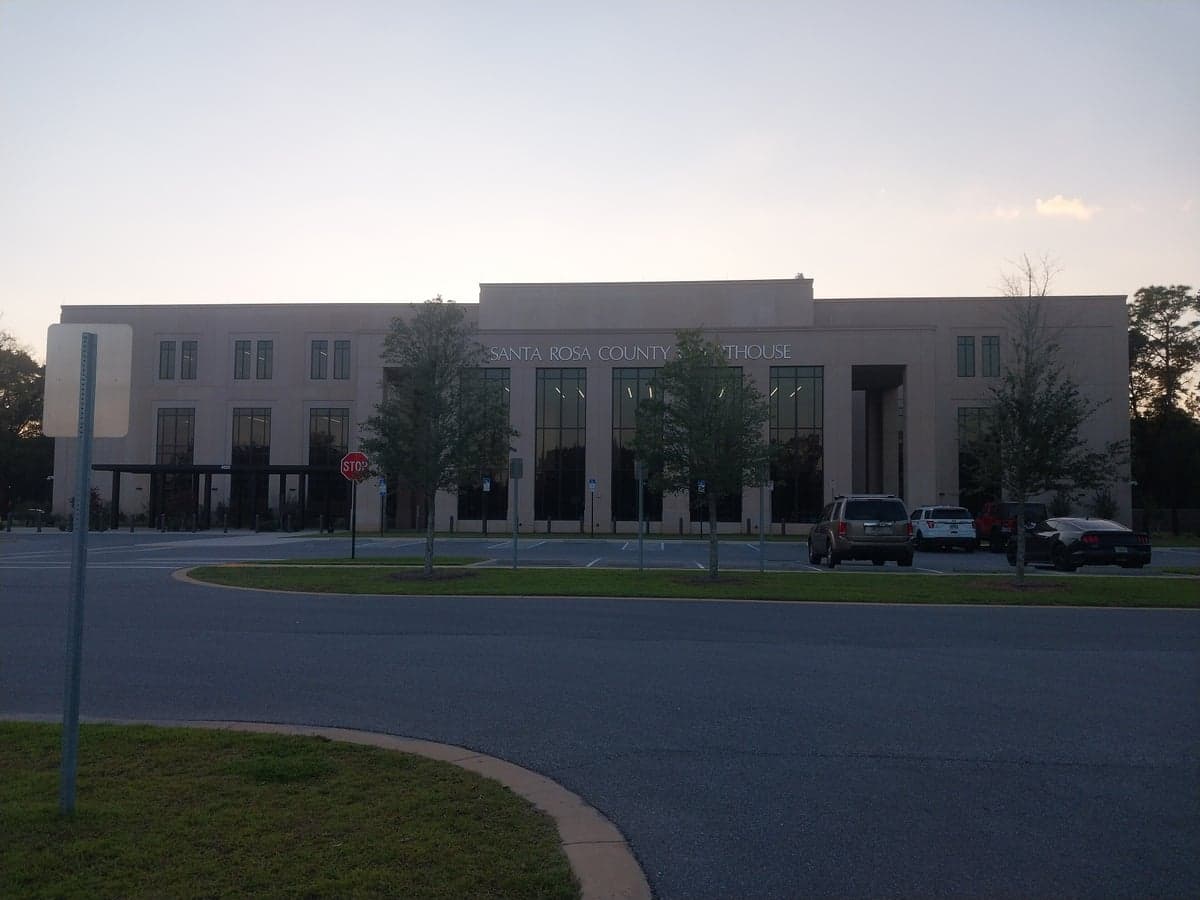
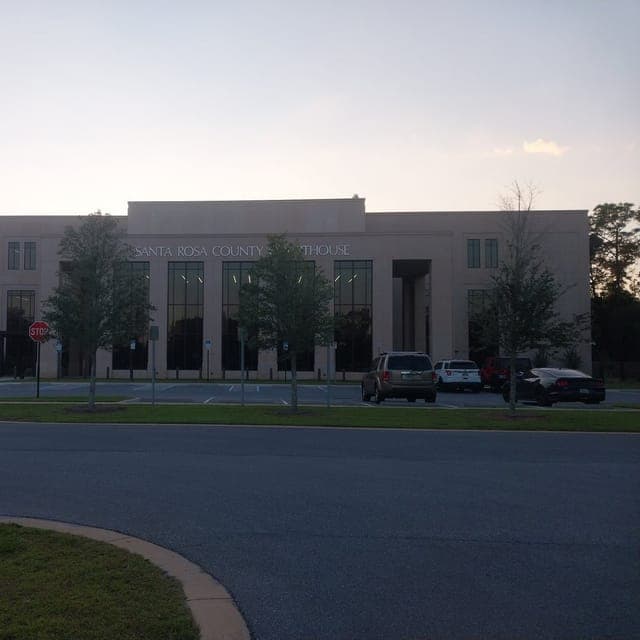
Photo: Wikipedia
Find The Best Places To Live in Santa Rosa County
PRO TIP! You can paste a Zillow or Redfin link to get info on that property.
Best Places to Live in Santa Rosa County
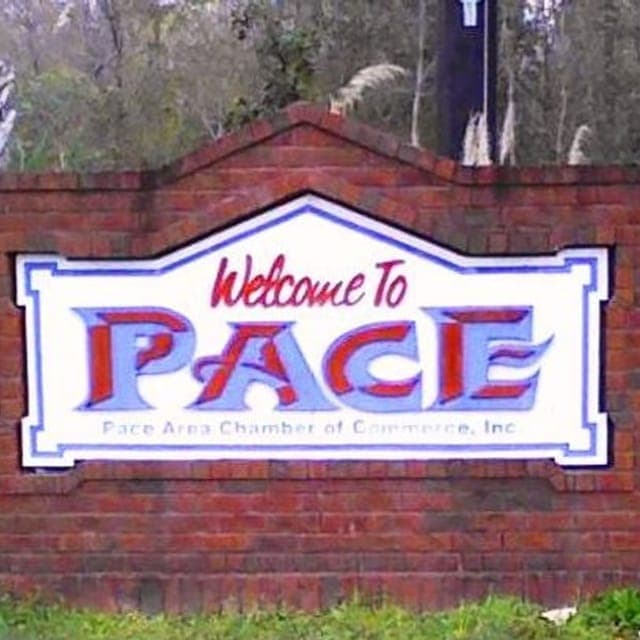
Cities & Towns in Santa Rosa County
Cities in Santa Rosa County
What It's Like Living in Santa Rosa County, FL
Living in Santa Rosa County means trading the constant buzz of Pensacola for a quieter, more spacious version of Florida life, where the pace slows down but the military presence and conservative values remain strong. From the historic streets of Milton to the growing suburbs of Pace and Gulf Breeze, this is a place where people know their neighbors, Friday night football is a weekly ritual, and the biggest traffic complaint is the commute across the bay. It’s a county that feels more like small-town Alabama or Georgia than the tourist-heavy coast, which is exactly why many families and retirees are choosing it.
Daily Rhythm: Work, Commute, and the Weekend Reset
For most residents, the workday revolves around either the local military bases—Naval Air Station Pensacola and Whiting Field in Milton—or a commute across the bridges into Pensacola or even Mobile. The average commute of about 30 minutes is a reality for many, especially those in Pace and Gulf Breeze who head west for jobs. That drive is the trade-off for living in a county where the median home value sits at $302,100, significantly more affordable than the Florida coast to the south. Weekends are spent on the water: fishing in the Blackwater River, kayaking through the springs at Coldwater Creek, or heading to Navarre Beach for a day of sun without the crowds of Destin. The county’s cost of living index of 117 is a noticeable step up from the national average, but locals will tell you it’s worth it for the space and the slower rhythm.
Sports, Community, and the Friday Night Lights
If you want to understand Santa Rosa County, look at its high school football stadiums on a Friday night. The rivalry between Pace High School and Milton High School is genuine and intense, drawing crowds that outnumber some small-town populations. The community rallies around these teams in a way that feels almost collegiate, with booster clubs, tailgates, and local businesses closing early to attend. Beyond football, the county is a hub for youth baseball and softball, with fields in Jay and Bagdad hosting weekend tournaments that become social events. There’s no major pro sports team here—that’s a Pensacola thing—but the University of West Florida Argonauts in nearby Pensacola draw a loyal following for soccer and basketball. For a county of 193,719 people, the sense of community pride is outsized, and it’s most visible in the stands.
What’s There to Do: Festivals, Food, and the Outdoors
The social calendar here is built around local traditions. The Milton Strawberry Festival in April is a genuine highlight, drawing families from across the Panhandle for carnival rides, live music, and enough strawberry shortcake to feed an army. In Gulf Breeze, the annual Panhandle Butterfly Festival celebrates the monarch migration with a release event that feels like a community-wide celebration. For food, locals swear by the seafood at The Dock in Navarre and the down-home cooking at The Diner in Pace. The bar scene is low-key—think sports bars and oyster houses rather than nightclubs—with spots like The Sandshaker in Pensacola Beach being the closest thing to a party scene, though it’s technically across the county line. Outdoor life is the real draw: the Blackwater River State Forest offers miles of hiking and biking trails, and the Gulf Islands National Seashore provides pristine beaches without the high-rise condos. The median age of 40 reflects a population that’s settled, not partying—this is a place for kayaking, camping, and backyard barbecues.
Pros and Cons of Living Here: What Locals Will Tell You
The honest upsides are clear: affordable housing compared to coastal Florida, a low violent crime rate of 210.9 per 100,000 (well below the national average), and a strong sense of community that’s hard to find in bigger cities. The schools, particularly in Pace and Gulf Breeze, are a major draw for families, with high ratings and active parent involvement. The downsides are equally real. Summer humidity is oppressive from June through September, and hurricane season brings a yearly anxiety that never fully fades. The job market outside of the military and healthcare sectors is thin—only 31% of adults hold a college degree, and many commuters accept the 30-minute drive because local opportunities are limited. Traffic on Highway 98 through Gulf Breeze can turn a 15-minute trip into a 45-minute crawl during tourist season. And while the conservative culture is a draw for many, it can feel insular for newcomers who aren’t from the South or don’t share those values. The county leans heavily Republican, and that political identity shapes everything from school board meetings to local ordinances. For the right person—someone who values space, community, and a slower pace over urban amenities—Santa Rosa County is a genuine find. For others, it might feel a little too quiet, a little too far from the action.

* Values derived from national, state, county, city and local statistics and may differ in a specific area. Last updated: 2026-11-17T22:31:04.000Z
Narrative content on this page is AI-generated and may contain mistakes. Verify any details that matter before acting on them.
ReloMaps may earn a commission from affiliate links at no extra cost to you.

