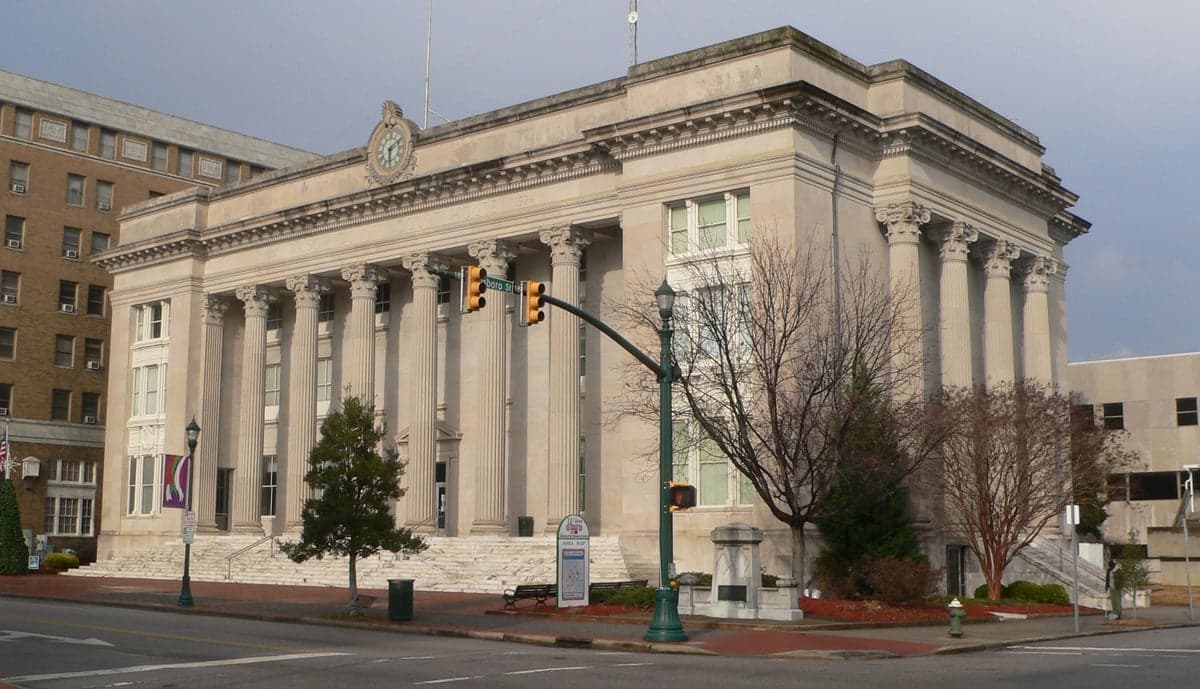
Photo: Wikipedia
Strategic Assessment of Wilson County
Meaningful friction. Expect exposure to either population pressure, blast zones, or natural disaster risk. Consider buying a retreat property.
What does the Strategic Assessment tell us?
Our Strategic Assessment grades tactical survivability of an area. Major population centers, military targets, fallout zones, natural disasters, and border exposure all drive risk — lower exposure means a more defensible position in a crisis.
This is heavily inspired by Joel Skousen's Strategic Relocation book. Highly recommended you checkout the book ($)What does this tell us?
Our Strategic Assessment grades tactical survivability of an area. Major population centers, military targets, fallout zones, natural disasters, and border exposure all drive risk — lower exposure means a more defensible position in a crisis.
This is heavily inspired by Joel Skousen's Strategic Relocation book. Highly recommended you checkout the book ($)Strategic Pillars

Key Distances
Strategic Assessment Analysis
Wilson County, North Carolina, offers a strategic blend of rural stability and practical resilience that appeals to relocation-minded individuals and families with a conservative, self-reliant outlook. Located in the Coastal Plain region, the county benefits from a lower population density than the nearby Research Triangle, yet remains within a reasonable distance of critical infrastructure and markets. Its economic base is anchored by agriculture, manufacturing, and logistics, providing a steady, if unglamorous, foundation that has weathered national downturns better than many purely suburban or rural areas. For a relocator prioritizing disaster readiness and long-term sustainability, Wilson County presents a balanced profile: moderate natural risks, manageable exposure to man-made hazards, and a workable baseline for self-sufficiency.
Geographic position and natural advantages for long-term stability
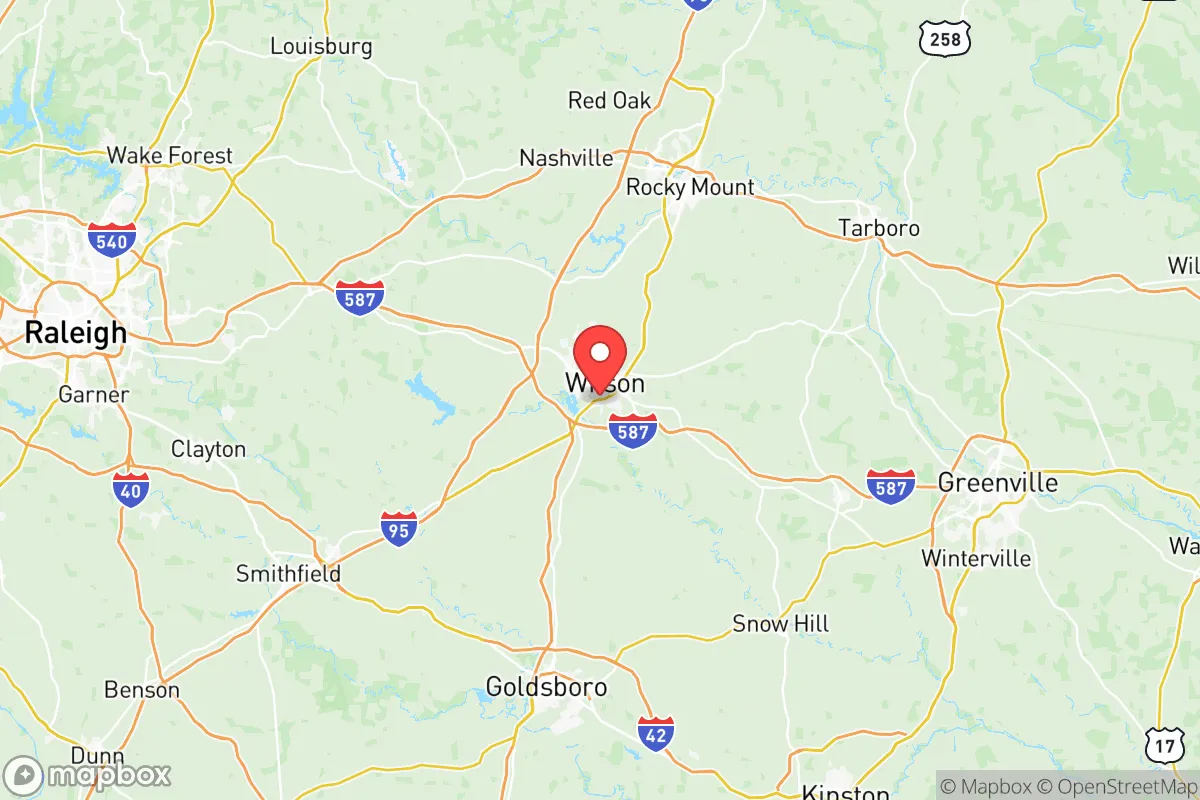
Wilson County sits roughly 45 miles east of Raleigh and 50 miles west of Greenville, placing it in a sweet spot between urban access and rural buffer. The county seat, Wilson, is the primary population center, while smaller communities like Elm City and Black Creek offer even lower density. The terrain is flat to gently rolling, typical of the Coastal Plain, which simplifies construction and farming but offers no natural defensive elevation. The region's climate is humid subtropical, with hot summers and mild winters, supporting a long growing season for gardens and small-scale agriculture. Water resources are a genuine asset: the Tar River runs through the county, and the Contentnea Creek watershed provides additional surface water. The area's aquifer systems are generally reliable for private wells, though depth and yield vary. For a relocator, the ability to drill a well and grow food year-round is a tangible advantage over more arid or mountainous regions.
Risks, exposures, and proximity to fallout-relevant landmarks
Wilson County's risk profile is moderate but requires honest assessment. The most significant natural threats are hurricanes and tropical storms, which can bring flooding, wind damage, and power outages. The county is inland enough to avoid storm surge, but heavy rainfall can overwhelm drainage, particularly in low-lying areas near the Tar River. Tornadoes are a seasonal risk, though less frequent than in the Plains. On the man-made side, Wilson County is not directly adjacent to major military installations or heavy industrial complexes, which is a net positive for fallout exposure. The nearest major military base is Seymour Johnson Air Force Base in Goldsboro, about 30 miles south, which houses F-15E Strike Eagles and is a potential target in a conflict scenario. The Port of Morehead City and Wilmington's port are roughly 90 miles southeast, while Raleigh-Durham International Airport is 50 miles west. None of these are within the immediate blast or fallout zone for Wilson County, but they are close enough to create secondary risks from evacuation traffic, supply chain disruptions, or refugee movement. The county's agricultural economy means pesticide and fertilizer storage at local farms is a minor but real hazard, though not on the scale of a refinery or chemical plant. Overall, Wilson County's exposure to catastrophic man-made events is lower than in the I-95 corridor or the Triangle, but not zero.
Practical resilience for a relocator: food, water, energy, and defensibility
For someone serious about self-sufficiency, Wilson County offers a workable but not exceptional baseline. Food production is the strongest point: the county is part of North Carolina's agricultural heartland, with tobacco, soybeans, corn, and sweet potatoes as major crops. Local farmers' markets and Wilson's Whirligig Park market provide seasonal access to fresh produce, and the growing season runs from April to October. Raising chickens, goats, or a small garden is feasible on most residential lots outside the city limits. Water security is achievable through private wells, though drilling costs and permitting should be researched in advance. The county's water table is generally high, but well depth and quality vary by location. Energy resilience is a weaker link: the grid is served by Duke Energy, and outages from storms or ice are common. Solar panels with battery storage are a viable investment, as the region gets adequate sun, but local permitting and HOA restrictions in subdivisions can be obstacles. Defensibility is limited by the flat terrain and lack of natural chokepoints. Rural properties with long driveways and good visibility are preferable to dense subdivisions. The county's sheriff's office and local police in Wilson provide law enforcement, but response times in remote areas can be 20-30 minutes. Building a resilient homestead here requires proactive planning: secure water, off-grid power, and a defensible perimeter are not automatic but are achievable with effort and capital.
The overall strategic picture for Wilson County is one of moderate resilience with clear trade-offs. It avoids the high-risk density of major cities and the direct fallout exposure of military or industrial targets, while retaining access to fertile land and water. The primary vulnerabilities are weather-related disruptions and the lack of natural defensive terrain. For a relocator who values a quiet, agricultural lifestyle and is willing to invest in off-grid infrastructure, Wilson County is a solid, if unremarkable, choice. It is not a bug-out paradise, but it is a functional, low-drama location where a prepared family can build a sustainable existence with reasonable effort. The key is to act now—secure a property with well water, install solar, and establish local supply chains—before the next major event tests the region's resilience.

* Values derived from national, state, county, city and local statistics and may differ in a specific area. Last updated: 2026-06-27T10:53:51.000Z
Narrative content on this page is AI-generated and may contain mistakes. Verify any details that matter before acting on them.
ReloMaps may earn a commission from affiliate links at no extra cost to you.

