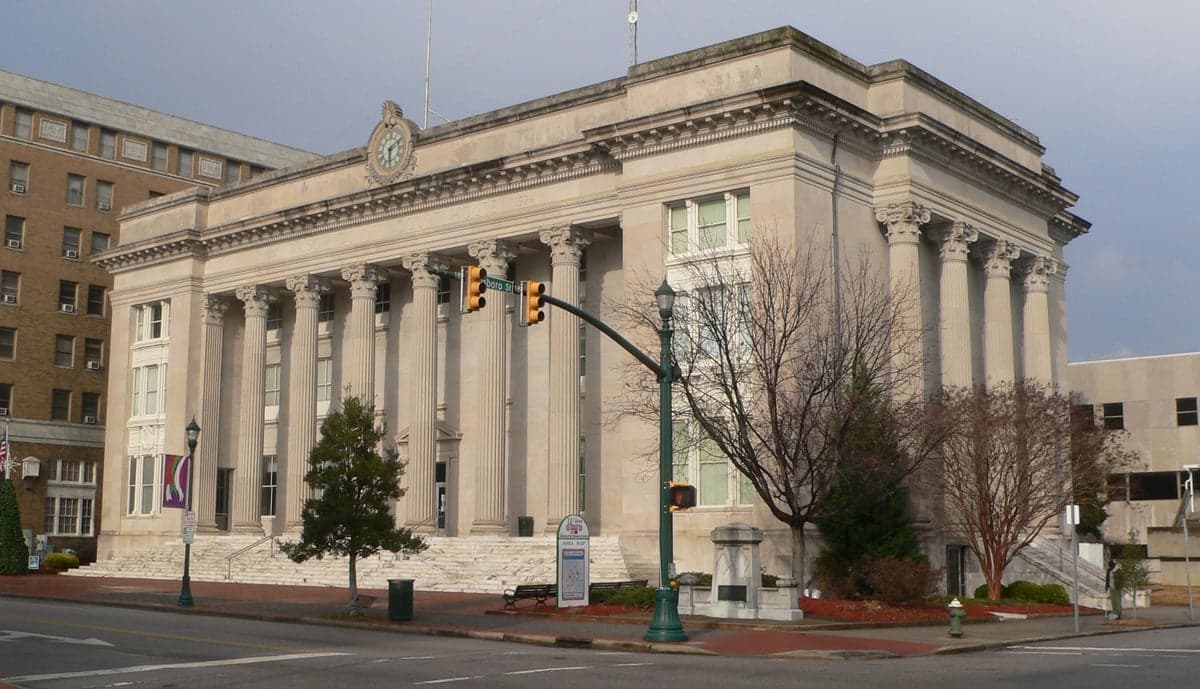
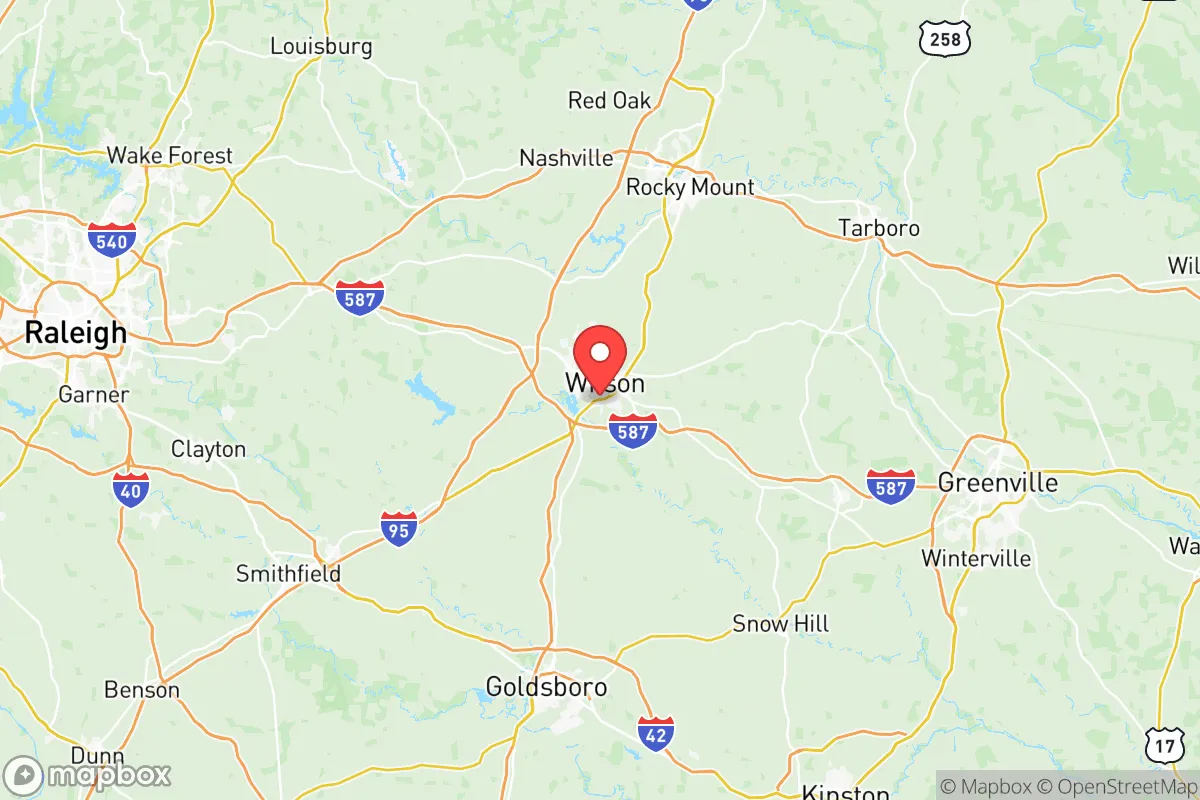
Photo: Wikipedia
Find The Best Places To Live in Wilson County
PRO TIP! You can paste a Zillow or Redfin link to get info on that property.
Best Places to Live in Wilson County
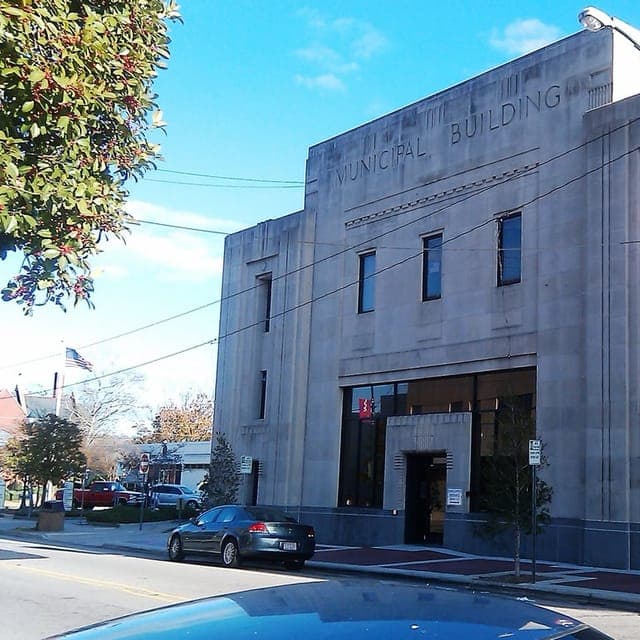
Cities & Towns in Wilson County
Cities in Wilson County
What It's Like Living in Wilson County, NC
Living in Wilson County, North Carolina, feels a lot like settling into a comfortable, well-worn pair of boots—it’s not flashy, but it fits. Stretching from the small city of Wilson itself to the quieter towns of Elm City, Lucama, and Black Creek, this is a place where Friday nights are for high school football, Sunday afternoons are for porch-sitting, and the biggest traffic jam you’ll hit is behind a tractor on Highway 301. For families and individuals looking for an affordable, slower-paced life within striking distance of Raleigh, Wilson County offers a genuine slice of eastern North Carolina that’s both grounded and quietly evolving.
The Daily Rhythm: Work, Commute, and Where You Actually Spend Your Time
Most mornings in Wilson County start early. The average commute here clocks in at just over 22 minutes, which means you’re not spending your life in the car—a stark contrast to the bumper-to-bumper grind of the Triangle. People work at local anchors like Bridgestone’s Wilson plant, the county’s school system, or the growing healthcare sector around Wilson Medical Center. Others make the manageable drive into Raleigh or Rocky Mount for work, then happily retreat home to quieter streets. When the workday ends, you’ll find folks grabbing dinner at Parker’s Barbecue (a local institution for Eastern NC chopped pork) or catching a movie at the historic Edna Boykin Cultural Center in downtown Wilson. The city of Wilson has seen a real downtown revival in the last decade, with spots like the Whirligig Park—a quirky, wind-powered sculpture garden that’s become the town’s signature landmark—drawing families for weekend concerts and farmers markets. In smaller towns like Stantonsburg or Sims, the rhythm is even slower: think church suppers, Little League games, and knowing your neighbors by name.
Who Fits In Here: Work, Family, and the Cost of Living
Wilson County is a natural fit for people who value space and affordability over urban amenities. The median home value sits at $171,800, and with a cost of living index of 72 (well below the national average of 100), a median household income of $51,381 stretches a lot further here than it would in Cary or Durham. That said, the county’s college-educated population is just 20.3%, reflecting a workforce rooted more in manufacturing, agriculture, and trades than in tech or finance. The typical resident is in their early 40s (median age 40.7), and you’ll see plenty of multi-generational families living close by. If you’re a young family looking for a first home you can actually afford, or a single person who doesn’t mind a quiet weeknight and a 20-minute drive to a good concert, this area works. The trade-off? Fewer high-paying white-collar jobs and a social scene that revolves more around church, school events, and hunting clubs than nightlife.
Sports, Community, and What People Actually Do for Fun
High school sports are the heartbeat of Wilson County. On any given Friday in the fall, you’ll find the stands packed at Hunt High School, Fike High School, or Beddingfield High School—rivalries here run deep, and the whole community turns out. There’s no major pro sports team in the county, but the nearby Durham Bulls (Triple-A baseball) and NC State athletics in Raleigh are easy day trips. For outdoor recreation, the county offers the Wilson Tobs summer collegiate baseball team at Fleming Stadium, plus the 1,200-acre Buckhorn Reservoir for fishing and kayaking. The biggest cultural event of the year is the North Carolina Whirligig Festival each November, which brings tens of thousands of people downtown for arts, food, and live music. Locals also swear by the Wilson Rose Garden, a surprisingly beautiful spot with over 1,000 rose bushes that’s perfect for a quiet afternoon. If you’re into hunting or fishing, the rural stretches around Lucama and Black Creek offer plenty of private land and public access to the Contentnea Creek.
Pros and Cons of Living in Wilson County
- Pro: Genuine affordability. A median home value of $171,800 means you can buy a solid three-bedroom house for what a down payment would cost in Raleigh. Your dollar goes further on groceries, utilities, and rent, too.
- Pro: Real community feel. People look out for each other. Whether it’s a fundraiser for a sick neighbor or a high school bake sale, the social fabric is thick and genuine.
- Con: Limited job diversity. If you’re not in healthcare, education, or manufacturing, you’ll likely need to commute to the Triangle for work. The median income reflects that reality.
- Con: Crime is a concern in parts of Wilson city. The violent crime rate of 310.5 per 100,000 is above the national average, and while most of the county feels safe, some neighborhoods in the city of Wilson itself require street-smart awareness.
- Con: Not much nightlife or cultural variety. If you’re used to a city with multiple music venues, late-night coffee shops, and diverse dining, you’ll find Wilson limited. The social scene is heavily church- and family-oriented.
Weather-wise, expect hot, humid summers (think 90°F with 100% humidity) and mild winters with the occasional snow flurry that shuts everything down for a day. Hurricane season can bring heavy rain and wind, though major damage is rare this far inland. Schools are a central part of community identity—the Wilson County Schools system is the largest employer in the area, and school board meetings can draw passionate crowds. For families, the quality of a specific school often dictates which town or neighborhood they choose, with some opting for private or charter options in nearby Rocky Mount or Greenville. All told, Wilson County offers a straightforward, affordable, and community-driven life—perfect for those who want to own a home, raise a family, and not fight traffic to do it.

* Values derived from national, state, county, city and local statistics and may differ in a specific area. Last updated: 2026-06-27T10:53:51.000Z
Narrative content on this page is AI-generated and may contain mistakes. Verify any details that matter before acting on them.
ReloMaps may earn a commission from affiliate links at no extra cost to you.

