
C+
Overall147.3kPopulation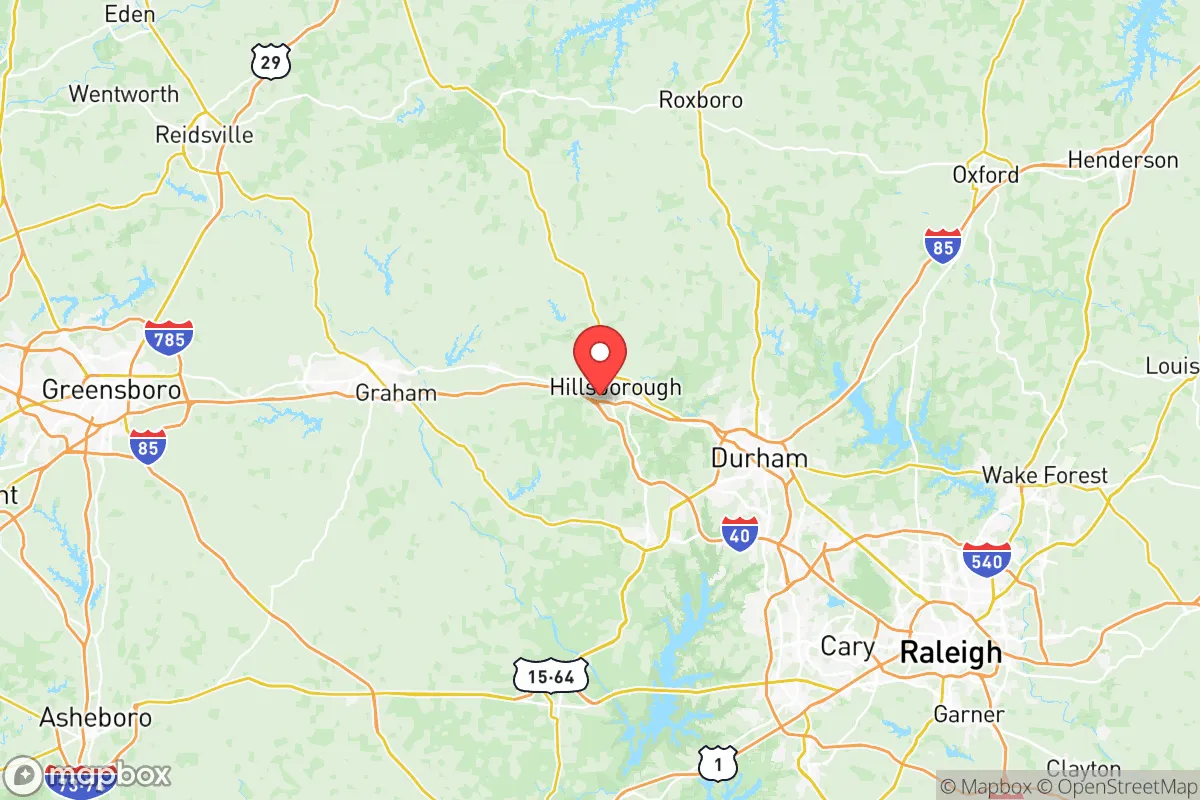
C+
ReloScore147.3kPopulation
Photo: Wikipedia
ReloMaps Score6/10
C+
HousingHousing Affordability6/10
Stretched: 4.8x income
Population Density9/10
Open: 370/sq mi
HumidityClimate Comfort4/10
Humid: 68°F dew pt
HealthcareHealthcare Access10/10
Excellent
StabilityPopulation Stability9/10
Stable
CostCost of Living7/10
Affordable: 132 index
Economic Opportunity5/10
Stable: $89k median
Job Market8/10
Strong: 3.2% unemployment
Wealth Floor7/10
Good
Taxes6/10
Moderate: 9.9% burden
Crime & Safety5/10
Fair
TrafficTraffic Safety8/10
Very Safe
Education9/10
Strong
DegreedPopulation Education Level8/10
High: 62% degreed
HomesteadingHomesteading Potential10/10
Prime
WaterTap Water9/10
Clean
National DisasterNational Disaster Risk2/10
High-Risk
Power Grid8/10
Reliable: ~144 min/yr
Find The Best Places To Live in Orange County
PRO TIP! You can paste a Zillow or Redfin link to get info on that property.
Best Places to Live in Orange County


Cities & Towns in Orange County
Cities in Orange County
What It's Like Living in Orange County, NC
If you tell someone you’re moving to Orange County, North Carolina, you’ll get one of two reactions: a knowing nod from someone who already envies your weekend plans, or a blank stare from someone confusing it with its flashier California namesake. The real Orange County—home to Chapel Hill, Carrboro, Hillsborough, and the rural stretches of Efland and Cedar Grove—is a place where college-town energy meets deep Southern roots. It’s educated, progressive, and surprisingly green, with a pace that feels deliberate rather than slow.
The Daily Rhythm: College Town Meets Country Road
Life here revolves around the University of North Carolina at Chapel Hill, but not in the way outsiders might expect. Yes, Franklin Street swells with students on game days, but the county’s 147,292 residents are spread across a mix of dense walkable villages and quiet farmland. In Carrboro, you’ll see retirees sipping coffee at Weaver Street Market next to grad students and young families pushing strollers. In Hillsborough, the vibe shifts—historic brick storefronts, the Eno River running through town, and a slower Saturday morning pace at the farmers’ market. The median age is 36.2, which tracks: this is a place for people who are past the party phase but not ready for a gated subdivision. With 61.8% of adults holding a college degree, conversations at a bar like The Crunkleton in Chapel Hill or a brewery like Mystery Brewing in Hillsborough can pivot from local zoning policy to bluegrass albums without missing a beat. The median household income sits at $88,553, which is comfortable but not lavish—especially given that the cost of living index is 132, well above the national average. That $428,500 median home value buys you a modest three-bedroom in Chapel Hill or a larger fixer-upper with acreage in Cedar Grove.What’s There to Do: Outdoors, Eats, and the Arts
Weekends here are defined by the Eno River. Locals hike the trails at Eno River State Park, swim at the Fews Ford access point, or paddle downstream from the Cole Mill access. In the fall, the Festival for the Eno draws thousands for live music and local crafts. For a county of this size, the food scene punches hard. Crook’s Corner in Chapel Hill is a shrine to Southern cuisine (shrimp and grits, hushpuppies), while Lantern serves Asian-Southern fusion that requires a reservation weeks out. In Carrboro, Neal’s Deli is the lunchtime institution—get the Big Bad Wolf. Music venues like Cat’s Cradle in Carrboro have hosted everyone from Nirvana to modern indie darlings, and the North Carolina Botanical Garden offers a quiet escape without leaving town. For families, the Morehead Planetarium and Science Center is a weekend staple, and the Kidzu Children’s Museum keeps toddlers busy. High school sports are a genuine community event—Chapel Hill High and East Chapel Hill High draw big crowds for basketball and soccer, though nothing compares to the frenzy of a UNC Tar Heels game at the Dean Dome.Pros and Cons of Living Here
Let’s be honest about the trade-offs. The things people love most: the intellectual energy, the walkable downtowns, the fact that you can be on a hiking trail within ten minutes of leaving your house. The schools—Orange County Schools and Chapel Hill-Carrboro City Schools—are consistently rated among the best in the state, which is a major draw for families. The violent crime rate is 310.5 per 100,000, which is above the national average and concentrated in specific areas, but most residents feel safe in their neighborhoods. The frustrations are real, too. Traffic on 15-501 and I-40 is a daily grind during rush hour, even though the average commute is a manageable 23.8 minutes. Housing is the biggest pain point: that cost of living index of 132 means people priced out of Chapel Hill are moving to Mebane or Graham in neighboring counties. There’s also a subtle cultural tension between the university crowd and longtime rural residents—you’ll hear jokes about “Chapel Hill bubble” from folks in Hillsborough who feel the county’s politics and priorities lean too heavily toward the university. Weather here is four genuine seasons: humid summers in the 80s and 90s, crisp falls perfect for football, mild winters with occasional ice storms, and a spectacular spring when the dogwoods bloom. The seasonal rhythm is real—summer slows down as students leave, and fall brings a palpable energy back. The kind of person who fits here is curious, values community over convenience, and doesn’t mind paying a premium for a place with character. If you want a quiet rural life with a good bookstore and a decent farmers’ market within reach, Orange County delivers. If you want cheap housing and a straight shot to a big city, look east toward Raleigh or west toward Greensboro. This is a place you choose for the lifestyle, not the bargain.Powered by
* Values derived from national, state, county, city and local statistics and may differ in a specific area. Last updated: 2026-06-22T20:04:09.000Z
Narrative content on this page is AI-generated and may contain mistakes. Verify any details that matter before acting on them.
ReloMaps may earn a commission from affiliate links at no extra cost to you.

