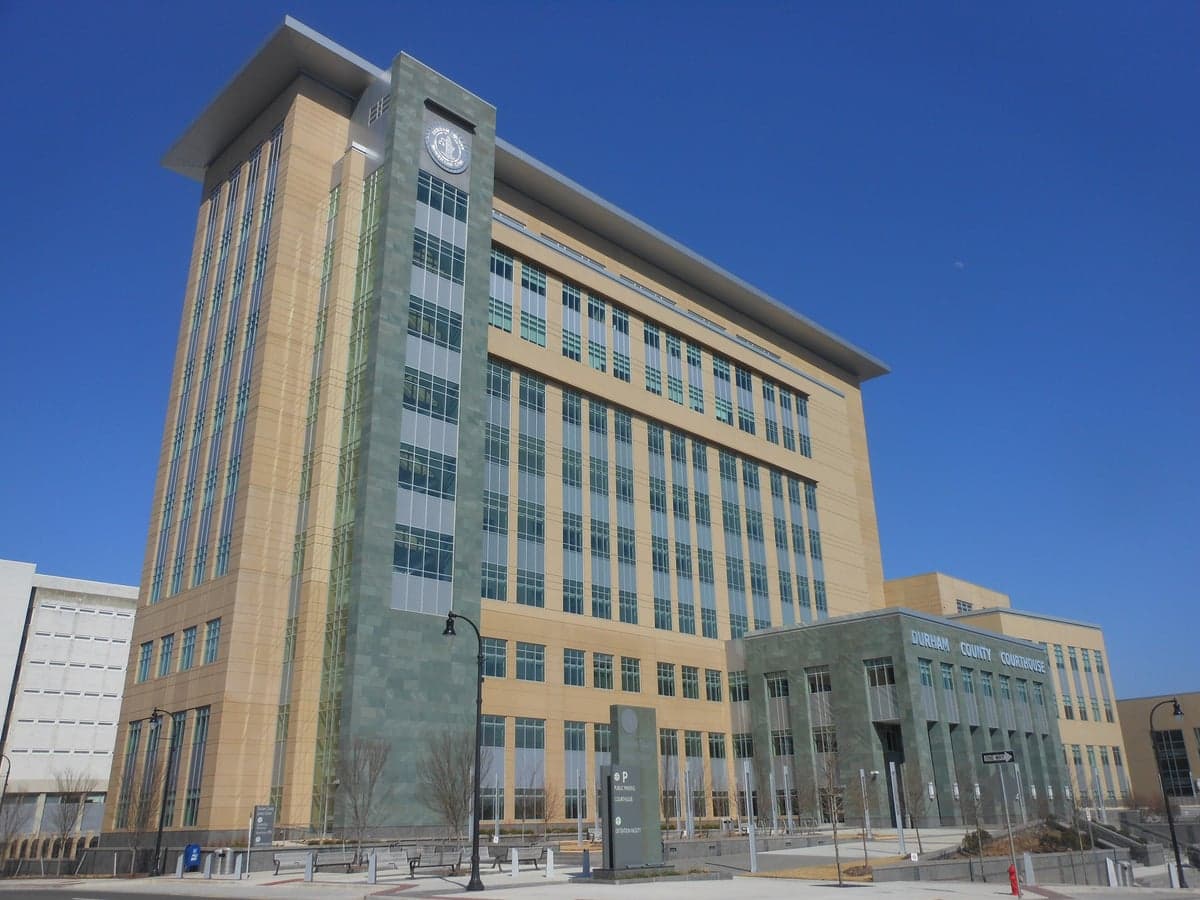
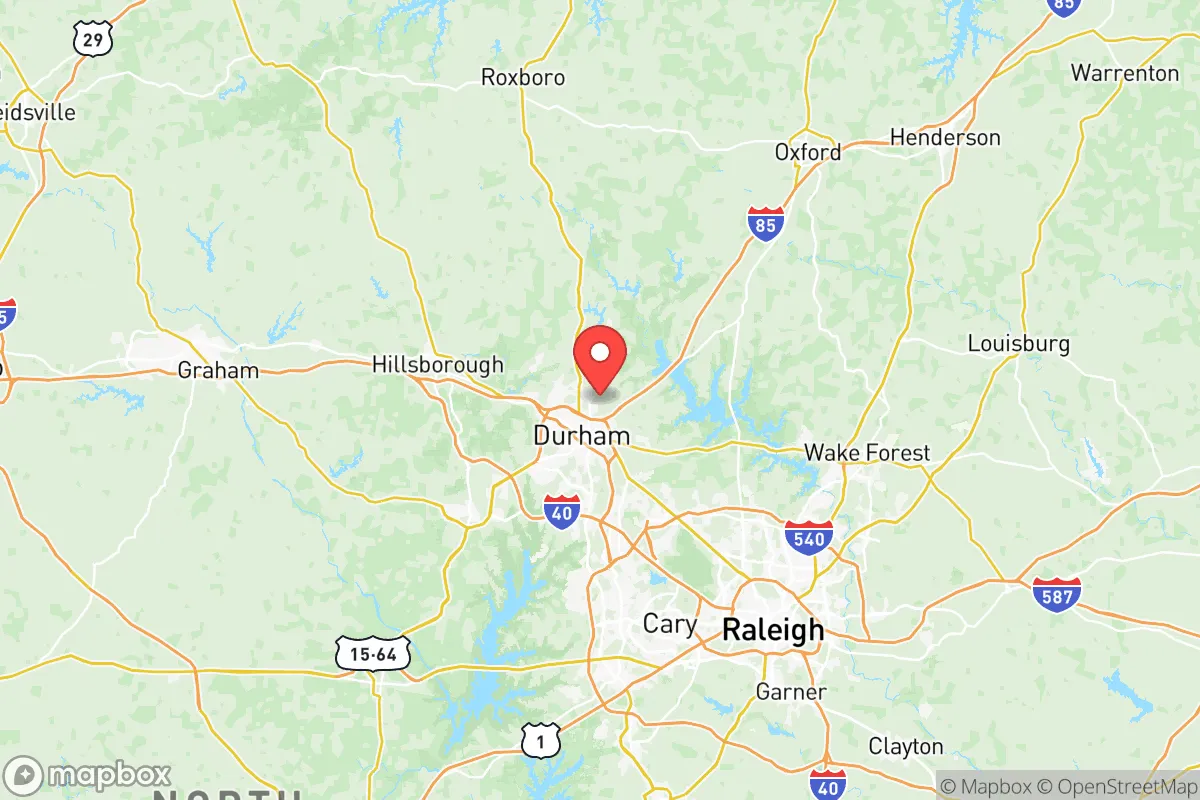
Photo: Wikipedia
Find The Best Places To Live in Durham County
PRO TIP! You can paste a Zillow or Redfin link to get info on that property.
Best Places to Live in Durham County
Cities & Towns in Durham County
Cities in Durham County
What It's Like Living in Durham County, NC
Durham County, North Carolina, is a place that defies easy labels—it’s a mix of a booming research hub, historic Black Wall Street roots, and quiet rural corners where tobacco fields still shape the landscape. The county’s 329,405 residents span from young professionals in downtown Durham to families in Bahama and Rougemont, creating a region that feels both cosmopolitan and down-to-earth. If you’re considering a move here, you’ll find a community that values education, diversity, and a slower pace than the Triangle’s other hubs, but with enough energy to keep things interesting.
Daily Rhythm: Where Work, Play, and Commuting Collide
For most people in Durham County, the day starts with a commute that averages about 23 minutes—shorter than Raleigh’s or Chapel Hill’s, but still enough to notice the I-40 and 147 bottlenecks near Research Triangle Park. The county’s median age of 35.8 reflects a population that’s often in the thick of career-building, with many working at Duke University, the EPA, or one of the 300+ companies in RTP. After work, you’ll find locals grabbing dinner at Mateo Bar de Tapas in downtown Durham or hitting the Durham Bulls Athletic Park for a minor league game—the Bulls are a genuine cultural institution, not just a novelty. On weekends, families in Bahama head to the Eno River State Park for hiking, while folks in Rougemont might spend Saturday at a local farmers market or a high school football game at Northern High School. The county’s cost of living index sits at 123 (23% above the national average), so housing is a real consideration—median home values hit $351,700, which is steep for rural areas like Rougemont but still cheaper than Chapel Hill or Cary.
Who Fits In: The County’s Character and Its People
Durham County tends to attract people who value intellectual curiosity and community involvement—over half of adults (53.5%) hold a college degree, and the median household income of $79,501 supports a comfortable but not extravagant lifestyle. You’ll see a mix of Duke professors, RTP engineers, and longtime families whose roots go back generations in places like Gorman or the rural stretches of the county. The kind of person who thrives here is someone who doesn’t mind a little grit—downtown Durham still has an edge that polished Cary lacks, and the county’s violent crime rate of 310.5 per 100,000 is higher than the national average, which gives some newcomers pause. But for many, the trade-off is a vibrant arts scene, the American Tobacco Historic District, and a strong sense of local identity that shows up in everything from the annual Full Frame Documentary Film Festival to the way neighbors in Bahama look out for each other during hurricane season.
Sports, Entertainment, and What People Actually Do
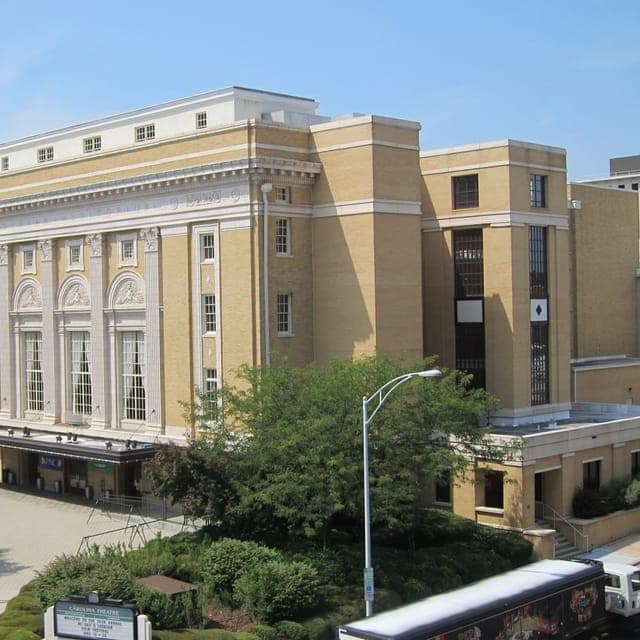
Sports in Durham County are a big deal, but in a specific way. The Durham Bulls are the undisputed local heroes—their games at the DBAP are a summer ritual, with tickets cheap enough for a family of four and a crowd that’s equal parts families and twenty-somethings. High school sports matter too, especially in the county’s smaller towns: Friday nights in Bahama or Rougemont see the stands packed for football, and basketball at Hillside High School has a storied tradition. For outdoor enthusiasts, the Eno River offers kayaking and fishing, while the Duke Forest provides miles of trails for hiking and mountain biking. Entertainment options lean eclectic—you can catch a show at the Carolina Theatre, browse indie shops on Ninth Street, or hit a food truck rodeo at Durham Central Park. The county’s cultural quirks include a fierce pride in its Black Wall Street history and a food scene that’s become a destination in its own right, with spots like Pizzeria Toro and The Counting House drawing visitors from across the Triangle.
Pros and Cons of Living in Durham County
- Pros: A strong job market anchored by Duke and RTP, a diverse and welcoming community, excellent public schools in some areas (like Durham School of the Arts), and a food and arts scene that punches above its weight. The county’s rural pockets offer affordable land and a quieter pace, especially in Bahama and Rougemont.
- Cons: Crime rates are a genuine concern in parts of downtown and northeast Durham, and the cost of living is high for North Carolina, especially if you’re buying a home. Traffic on I-40 and 147 can be frustrating, and the summer humidity is relentless—July and August are sticky enough to make you appreciate air conditioning.
- Seasonal rhythms: Fall is the sweet spot, with mild weather, leaf-peeping in the Eno River area, and the Durham Fair. Winters are mild but gray, and spring brings pollen that coats everything in yellow dust for a few weeks.

* Values derived from national, state, county, city and local statistics and may differ in a specific area. Last updated: 2026-06-15T22:53:58.000Z
Narrative content on this page is AI-generated and may contain mistakes. Verify any details that matter before acting on them.
ReloMaps may earn a commission from affiliate links at no extra cost to you.

