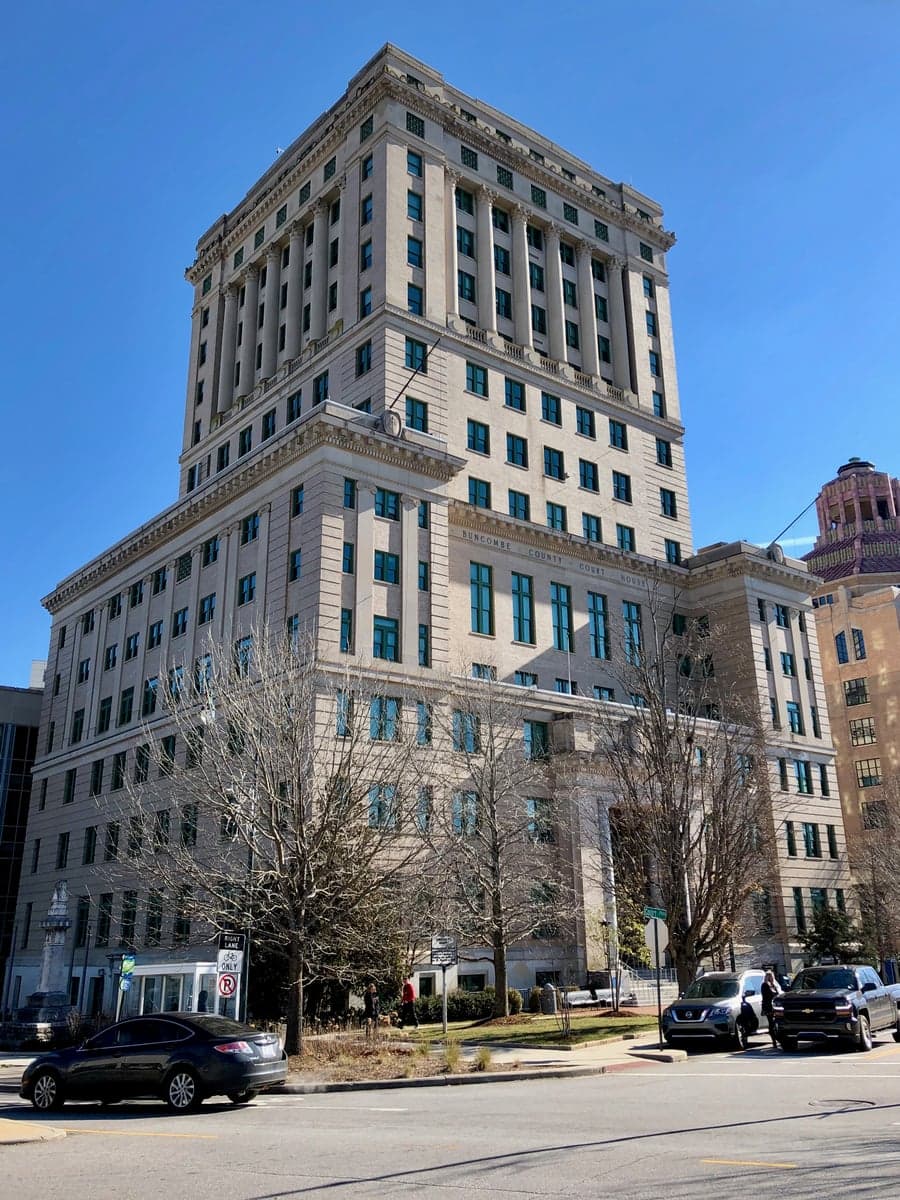
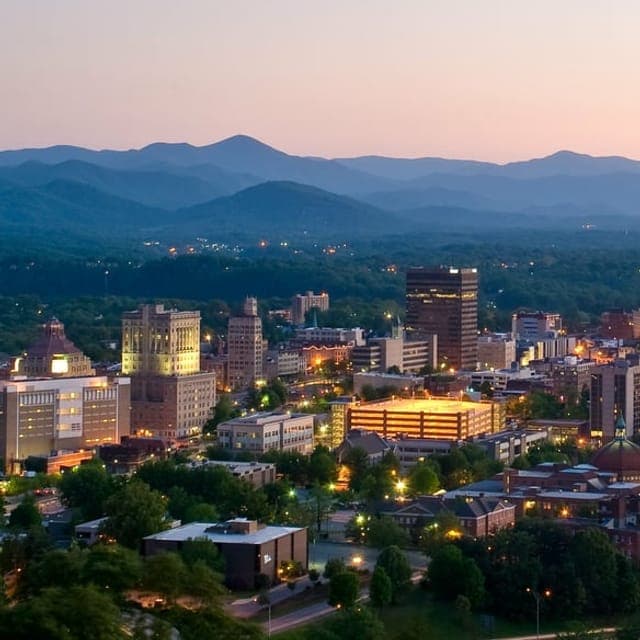
Photo: Wikipedia
Find The Best Places To Live in Buncombe County
PRO TIP! You can paste a Zillow or Redfin link to get info on that property.
Best Places to Live in Buncombe County
Cities & Towns in Buncombe County
Cities in Buncombe County
What It's Like Living in Buncombe County, NC
Living in Buncombe County means navigating a place that feels both like a bustling small city and a deeply rural mountain community, often within the same day. The county seat of Asheville draws the headlines, but the real character of the area is spread across towns like Black Mountain, Weaverville, and the more remote corners near Leicester and Fairview. For a slightly conservative-leaning audience, the appeal often lies in the balance: you get the cultural energy of a liberal-leaning city without having to live in it, and you get the quiet, self-reliant mountain lifestyle without being completely cut off from modern amenities.
The Daily Rhythm: From Weaverville to Black Mountain
Most residents don't live the tourist-postcard life of downtown Asheville. Instead, daily life revolves around smaller hubs. In Weaverville, you'll find families grabbing coffee at Well-Bred Bakery & Café and kids playing at Lake Louise Park. In Black Mountain, the town square feels like a throwback, with the White Horse Black Mountain music venue and the annual Sourwood Festival drawing crowds without the chaos of Asheville's tourist traffic. The average commute here is just under 21 minutes, which is a genuine luxury compared to nearby Charlotte or Greenville. That short drive means more time for actual living — whether that's hiking the trails at Bent Creek Experimental Forest or tending a garden in Leicester.
The county's median age of 42.4 reflects a mix of young families settling down and retirees who came for the mountains and stayed. With 44.6% of adults holding a college degree, the workforce is educated but not overwhelmingly corporate. You'll find nurses, remote tech workers, tradespeople, and small business owners all living on the same street. The median household income of $70,578 is modest, but it stretches further here than in many metro areas — though the cost of living index of 117 means housing is the biggest squeeze, especially for anyone trying to buy near Asheville proper.
Sports, Community, and What People Actually Do on Weekends
Buncombe County is not a big-time sports town in the traditional sense. There is no major professional franchise, and that's part of the appeal. High school football is the main event on Friday nights, with Asheville High School and Reynolds High School drawing solid crowds, but it's not the all-consuming obsession you see in Texas or the Deep South. Instead, outdoor recreation is the default weekend activity. The Blue Ridge Parkway runs right through the county, and locals know the less-crowded access points near Fairview and Swannanoa. Hiking, fly fishing, and mountain biking dominate the social calendar from spring through fall.
For entertainment, the Asheville Tourists (a minor league baseball team) offer cheap, family-friendly games at McCormick Field. The music scene is surprisingly robust for a county of 271,790 people, with The Orange Peel and Grey Eagle hosting national acts. But the real cultural quirk is the sheer number of festivals: the Asheville Pizza & Brewing Company's outdoor movies, the Weaverville Art Safari, and the Black Mountain's annual Oktoberfest all give residents a reason to gather. The local identity is proudly independent — people here tend to be self-sufficient, skeptical of overdevelopment, and protective of the mountain views that make the area distinctive.
What Frustrates Longtime Residents and What Keeps Them Here
The biggest frustration is housing. The median home value of $360,000 is steep for a county where the median income is $70,578, and that gap has pushed many working-class families into Candler or Leicester just to find affordable lots. Traffic on I-26 and Tunnel Road in Asheville has gotten noticeably worse over the past decade, especially during leaf season when tourism peaks. The violent crime rate of 310.5 per 100,000 is higher than the national average, though the vast majority of incidents are concentrated in specific Asheville neighborhoods rather than the outlying towns. Longtime residents also grumble about the influx of short-term rentals turning residential streets into de facto hotel zones.
What keeps people here is the quality of life that can't be measured in statistics. The four distinct seasons mean real fall color, mild summers, and winters that are cold enough for a fireplace but not brutal. The schools — particularly in Black Mountain and Weaverville — are community anchors, with parent involvement that rivals any private school. And there's a deep, unspoken understanding that Buncombe County offers a version of mountain living that still feels authentic, even as the region grows. It's not for everyone, but for the person who values quiet mornings, neighborly independence, and a landscape that changes every single day, it's hard to find a better fit.

* Values derived from national, state, county, city and local statistics and may differ in a specific area. Last updated: 2026-06-17T17:12:44.000Z
Narrative content on this page is AI-generated and may contain mistakes. Verify any details that matter before acting on them.
ReloMaps may earn a commission from affiliate links at no extra cost to you.

