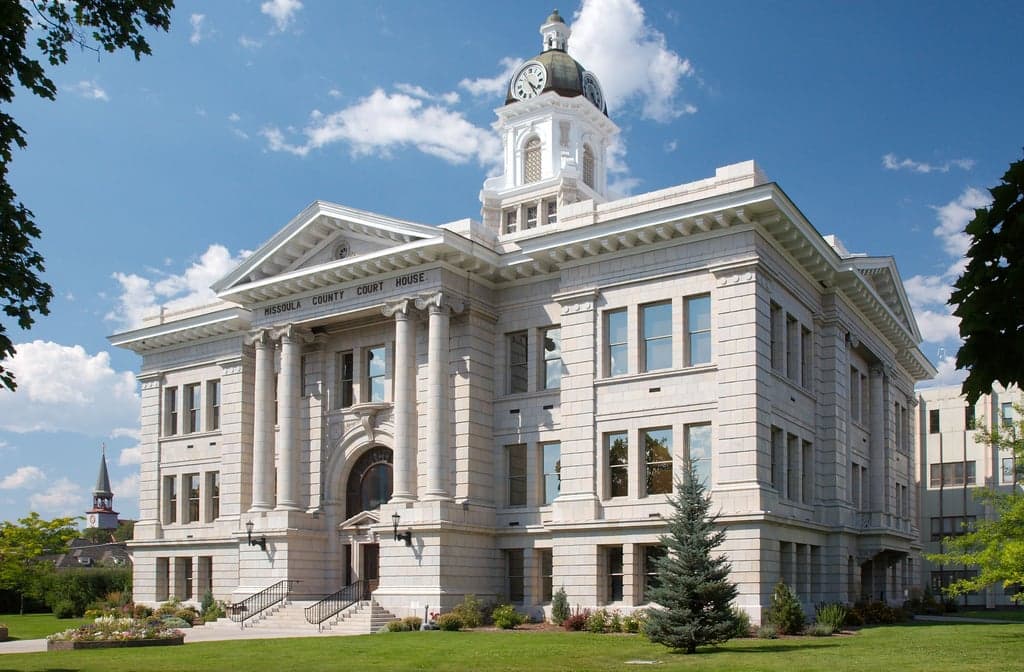
Photo: Wikipedia
Find The Best Places To Live in Missoula County
PRO TIP! You can paste a Zillow or Redfin link to get info on that property.
Best Places to Live in Missoula County
Cities & Towns in Missoula County
Cities in Missoula County
What It's Like Living in Missoula County, MT
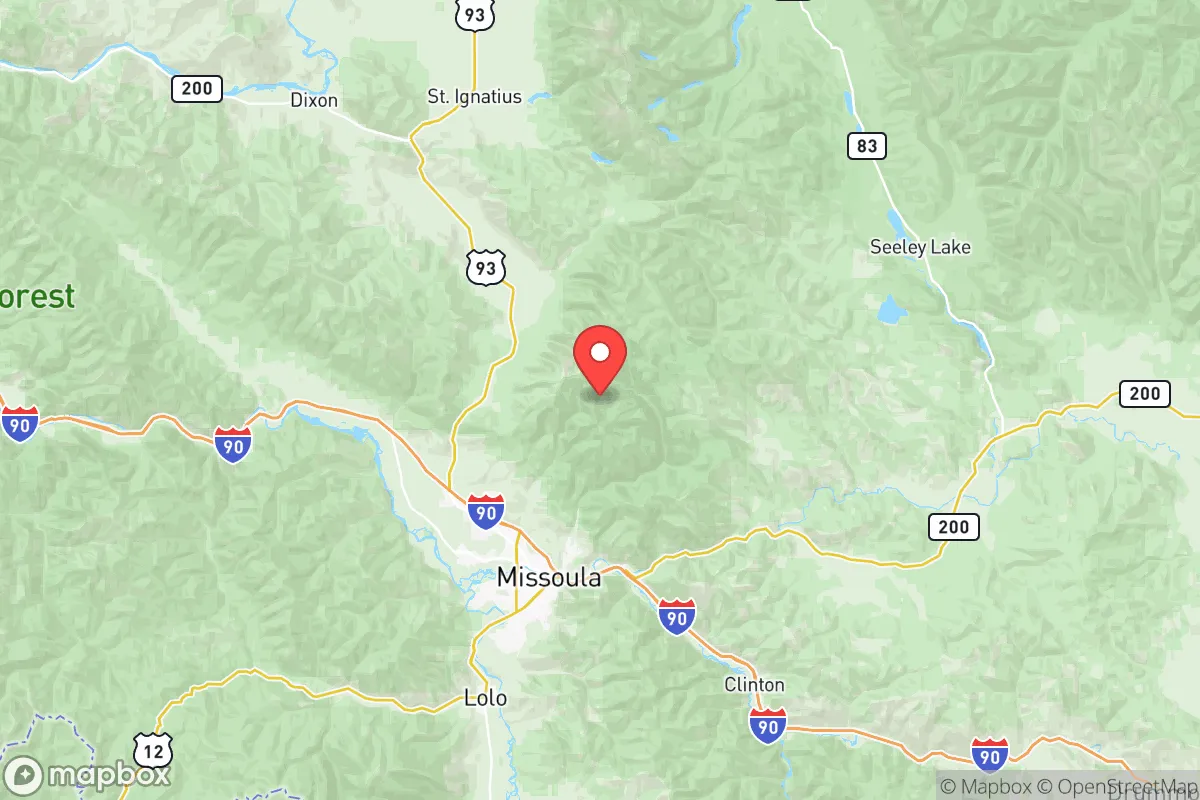
Living in Missoula County means you’re part of a place that feels both like a small town and a legitimate city, all wrapped in a stunning mountain setting. The county’s hub, Missoula, gives you the amenities—think solid restaurants, a university, and a real downtown—while towns like Frenchtown, Lolo, and Seeley Lake offer quieter, more rural rhythms. It’s a place where people are genuinely outdoorsy, but also fiercely independent, and the politics lean left in the city and more conservative as you move out into the county’s farm and ranch land.
Daily Rhythm: From Downtown Coffee to River Floats
A typical weekday in Missoula County starts early, often with a coffee from a local spot like Black Coffee Roasting Co. or Le Petit Outre in the hip Slant Street area. The average commute is just under 19 minutes, so people actually have time for a morning run along the Clark Fork River or a quick hike up Mount Sentinel before work. The biggest employers are the University of Montana, Providence Health & Services, and Missoula County Public Schools, which anchor a lot of professional families. After work, you’ll see folks grabbing a beer at the KettleHouse Brewing Co. taproom or heading to the Missoula Farmers Market (a massive weekly event from spring through fall). Weekends are for floating the Blackfoot River, skiing at Snowbowl (20 minutes from downtown), or driving out to Seeley Lake for a quiet cabin weekend. The pace is unhurried, but the town has a creative, slightly crunchy energy—think Patagonia vests, Subaru Outbacks, and a strong local-first ethos.
Sports & Community: More Than Just Griz Football
If you live here, you quickly learn that University of Montana Grizzlies football is a religion. Fall Saturdays at Washington-Grizzly Stadium (capacity 26,000) are packed with tailgates and a sea of maroon, and it’s a rare event that brings together everyone from students to ranchers from Frenchtown. High school sports are also a big deal—Missoula Sentinel and Big Sky High School have fierce rivalries, and Friday-night football games are genuine community gatherings. For pro sports, you’re driving to Spokane (2.5 hours) or flying to Seattle or Denver, but most locals don’t mind—they’d rather be fishing. The Missoula PaddleHeads (Pioneer League baseball) offer a fun, affordable summer night out at Ogren Park. The real athletic culture, though, is participatory: trail running, mountain biking on the Rattlesnake National Recreation Area trails, and fly-fishing on the Bitterroot River are daily pursuits for a huge chunk of the county’s 119,639 residents.
What’s There to Do: Festivals, Food, and the Outdoors
Missoula punches above its weight for entertainment. The Missoula International Wildlife Film Festival and the River City Roots Festival (a free downtown music and art event) draw crowds every year. The Wilma Theatre and the Top Hat Lounge bring in national touring acts. For food, you’ve got Plonk for upscale New American, Michi Ramen for a quick bowl, and The Notorious P.I.G. for barbecue. The Bitterroot Valley south of town is a weekend destination for wineries and u-pick farms. But the biggest draw is the outdoors: Glacier National Park is a 2.5-hour drive north, and the Lolo National Forest is right in the county’s backyard. Locals complain about summer wildfire smoke and the occasional winter inversion that traps cold air in the valley, but they’ll also tell you the average commute of 18 minutes is a quality-of-life win you can’t put a price on.
Pros and Cons of Living in Missoula County
Let’s be honest: Missoula County isn’t for everyone, and that’s fine. Here’s what longtime residents love and what drives them nuts.
- Pro: Access to nature is unmatched. You can be on a world-class hiking trail or a trout stream within 15 minutes of downtown. The Rattlesnake Wilderness is a 10-minute drive from the university.
- Con: The cost of living is real. With a median home value of $423,100 and a cost of living index of 118 (18% above the national average), housing is tight. Many people priced out of Missoula move to Frenchtown or Lolo for more land and lower prices, but then face a longer commute.
- Pro: A strong sense of community. The Missoula County Fair and the Western Montana Fair in August are big social events. People know their neighbors, and local businesses are fiercely supported.
- Con: The crime rate is higher than you’d expect. The violent crime rate is 419.9 per 100,000, which is above the national average. Most of it is concentrated in a few downtown blocks, but it’s a topic of regular conversation at dinner parties.
- Pro: The schools are solid. Missoula County Public Schools are well-regarded, and the University of Montana provides a steady stream of young professionals and cultural events. The median age is 37, and 45.9% of adults have a college degree, which gives the area a well-educated, engaged feel.
- Con: Winter can be long. Snow from November through March, with temperatures often below freezing. The median income of $71,246 goes further if you don’t mind heating bills and snow tires.
In the end, Missoula County is a trade-off. You trade big-city salaries and amenities for a life where you can ski before work, know your barista’s name, and actually use your weekends. The people who thrive here are self-starters who value experiences over square footage, and who don’t mind a little grit alongside the beauty.

* Values derived from national, state, county, city and local statistics and may differ in a specific area. Last updated: 2026-06-29T00:04:19.000Z
Narrative content on this page is AI-generated and may contain mistakes. Verify any details that matter before acting on them.
ReloMaps may earn a commission from affiliate links at no extra cost to you.

