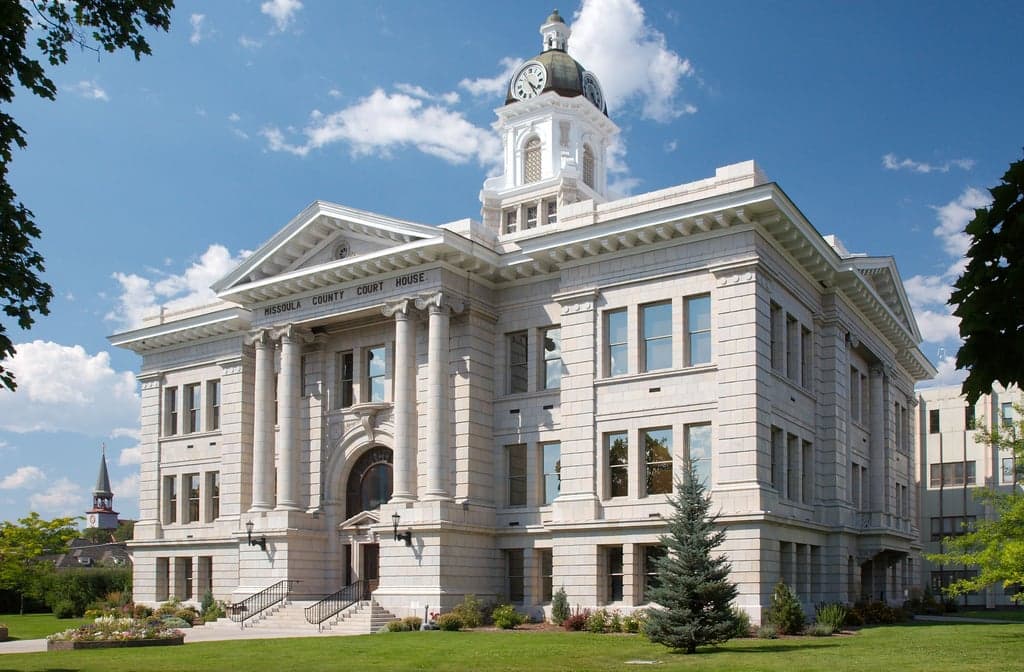
Photo: Wikipedia
Quality of Life in Missoula County
A livable area that tracks near national norms for affordability, walkability, and neighborhood health.
What does Quality of Life tell us?
Quality of Life measures an area by evaluating factors like cost of living, nearby amenities, country club access, airport proximity, socioeconomic signals and neighborhood character. For large states, this is a general average — quality of life can vary dramatically between metro areas, suburbs, and rural communities within the same state.
What does this tell us?
Quality of Life measures an area by evaluating factors like cost of living, nearby amenities, country club access, airport proximity, socioeconomic signals and neighborhood character. For large states, this is a general average — quality of life can vary dramatically between metro areas, suburbs, and rural communities within the same state.
Cost of Living
18% above national average
59%
The Real Cost of Living in Missoula County for 2026
| Tier | Individual | Family (4) |
|---|---|---|
| Survival | $18k | $34k |
| Comfortable | $82k | $121k |
| Luxury | $129k+ | $199k+ |
| Elite (Top 5%) | $161k+ | $249k+ |
Quality-of-Life Analysis
Missoula County, Montana, offers a spectrum of quality-of-life options that range from the vibrant, amenity-rich urban core of Missoula to the quiet, self-reliant rural lifestyle of its outlying valleys and mountain communities. The county’s character is defined by this contrast: it draws professionals, students, and outdoor enthusiasts to its central city, while attracting ranchers, homesteaders, and those seeking solitude to its smaller towns and unincorporated areas. With a cost of living index of 118 (100 being the U.S. average), the county is more expensive than the national norm, but the price of that lifestyle varies dramatically depending on whether you choose a downtown Missoula condo or a ranch house in the remote Seeley Lake area.
Largest town(s) & population centers
The overwhelming population center is the city of Missoula, home to roughly 75,000 residents and the county’s economic and cultural hub. Daily life here is walkable and bike-friendly, centered around the University of Montana, a robust local food scene, and immediate access to the Clark Fork River and surrounding national forests. The median home value in the county is $423,100, and the median rent is $1,125, figures largely driven by Missoula’s housing market. The average commute across the county is just 18.7 minutes, a figure that reflects the compact nature of the city and the short drives from nearby bedroom communities. The adjacent community of East Missoula, a census-designated place (CDP) of about 2,000 people, functions as a lower-cost, more laid-back alternative, with many residents commuting the five minutes into downtown Missoula. Bonner, another CDP just east of Missoula, offers a mix of older mill-worker homes and newer subdivisions, providing a middle-ground option between city convenience and a quieter setting.
Smaller towns & rural pockets
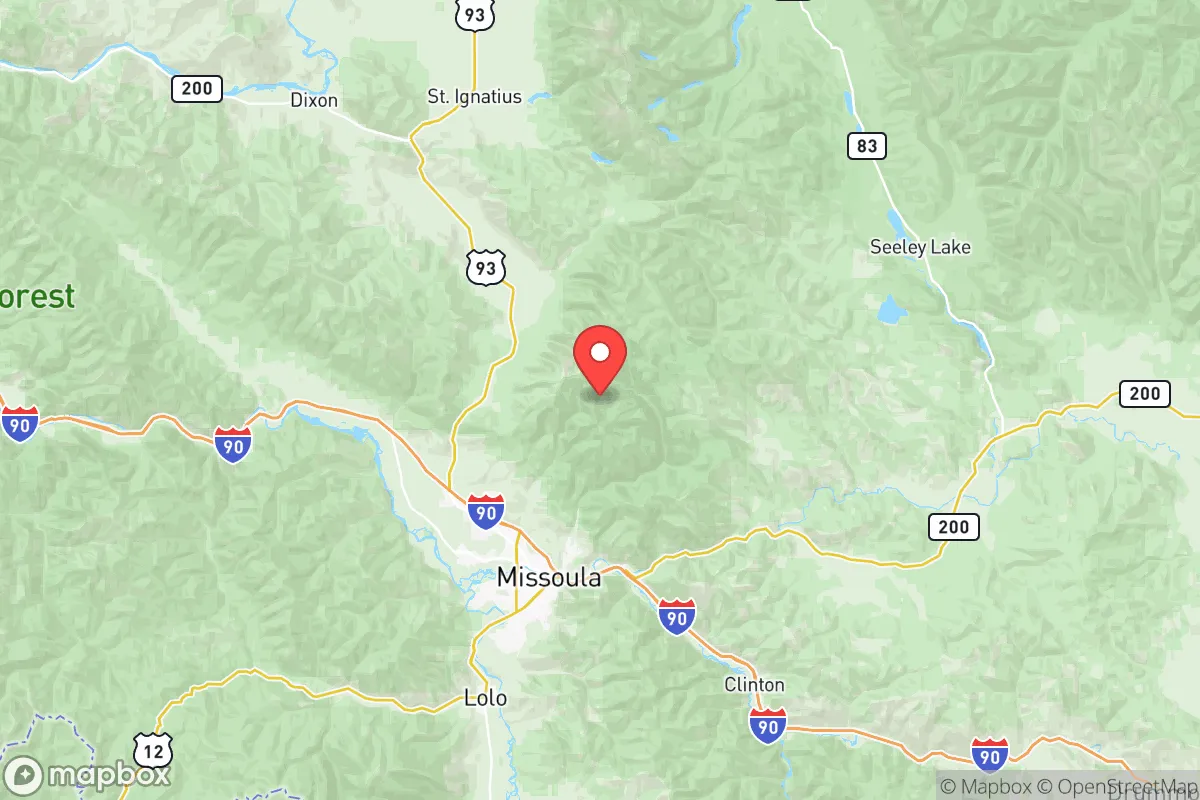
Beyond the Missoula urban area, the county contains distinct smaller communities that each offer a different flavor of rural life. Seeley Lake, about 50 miles northeast of Missoula, is a year-round recreation hub with a population around 1,600, known for its lake access, cross-country skiing, and a slower pace of life that attracts retirees and remote workers. Frenchtown, located 15 miles west of Missoula along Interstate 90, is a growing bedroom community with a strong agricultural base and a K-12 school system that draws families seeking more space. Lolo, just south of Missoula, is a rapidly expanding unincorporated area that blends rural residential lots with small-scale farming and easy access to the Bitterroot National Forest. Clinton, 20 miles east of Missoula, is a tiny unincorporated community (population under 1,000) that offers the cheapest land in the county, often with well and septic systems, appealing to those who prioritize affordability over amenities. Potomac, northeast of Missoula, is a sparsely populated valley known for its ranches and the Blackfoot River, drawing those who want true isolation within an hour of the city.
Cost & lifestyle range
The cost of living and available amenities vary sharply across the county. At the high end, downtown Missoula and the University District command home prices well above the county median, often exceeding $600,000 for a single-family home, with walkability to restaurants, breweries, and cultural venues. The South Hills and Pattee Canyon neighborhoods offer larger lots and mountain views, with prices typically between $500,000 and $800,000. At the lower end, Clinton and Potomac offer homes and land for under $300,000, though residents sacrifice proximity to grocery stores, healthcare, and employment centers. Seeley Lake sits in the middle: home values average around $350,000, but the trade-off is a 45-minute drive to Missoula for most services. Rentals are tight county-wide, but the median rent of $1,125 is achievable in East Missoula or Bonner, while a one-bedroom in central Missoula often rents for $1,400 or more. The average commute of 18.7 minutes is a county-wide figure; residents of Clinton or Seeley Lake typically face 30- to 50-minute commutes, while those in Missoula proper often commute under 10 minutes.
This county is best suited for people who value outdoor recreation and are willing to accept a trade-off between urban convenience and rural space. Professionals and students thrive in Missoula’s walkable core, while families and retirees find their niche in Frenchtown, Lolo, or Seeley Lake. Those seeking the lowest cost of entry and maximum land will gravitate toward Clinton or Potomac, accepting longer drives and fewer services. Missoula County’s strength is that it offers a genuine choice between these lifestyles within a single, geographically compact region.

Crime in Missoula County
Generally safer than 57% of comparable U.S. locations.
Violent CrimeViolent Crime Analysis
Property CrimeProperty Crime Analysis
Crime Analysis
Missoula County, home to the city of Missoula and surrounding communities like Bonner, East Missoula, and Frenchtown, presents a safety picture that is significantly more concerning than national averages, driven largely by property crime. With a violent crime rate of 419.9 per 100,000 residents and a property crime rate of 1,463.9 per 100,000, the county’s overall safety profile is shaped by a mix of urban density in Missoula proper and more isolated, lower-crime pockets in outlying areas. The influence of progressive judicial policies in Missoula County, particularly from the District Attorney’s office and local judges, has been a point of contention, with critics arguing that lenient sentencing and diversion programs contribute to repeat offenses and a revolving-door justice system that undermines public safety.
Crime in context
Missoula County’s violent crime rate of 419.9 per 100,000 is roughly 20% higher than the national average of 380 per 100,000 and well above Montana’s state average of approximately 350 per 100,000. Property crime in the county, at 1,463.9 per 100,000, is nearly 40% higher than the national average of 1,050 per 100,000 and significantly exceeds the Montana state average of around 1,200 per 100,000. The city of Missoula itself drives these numbers, with concentrated crime in the downtown core and along the Reserve Street corridor. In contrast, smaller communities like Frenchtown (west of Missoula) and Seeley Lake (northeast) report far lower crime rates, often below state averages, due to their rural character and limited commercial activity. The county’s progressive District Attorney’s office has been criticized for prioritizing treatment and restorative justice over incarceration, a philosophy that, while well-intentioned, has been linked to higher recidivism rates for property crimes like theft and burglary.
What residents experience
For residents, the most tangible safety concern is property crime. Vehicle break-ins, package theft, and bicycle theft are daily realities in Missoula’s University District and the South Hills neighborhoods. The Missoula Police Department reports that over 60% of property crimes are drug-related, often tied to methamphetamine and opioid use, which the county’s harm-reduction approach has struggled to curb. Violent crime, while less frequent, is concentrated in specific areas: the Northside and Westside neighborhoods of Missoula see higher rates of assault and robbery, often linked to the city’s homeless population and open-air drug markets. In contrast, families in East Missoula and Bonner report feeling safer, with lower violent crime rates and a stronger sense of community watch. The county’s reliance on pre-trial release programs and low bail amounts for non-violent offenders has frustrated many residents, who see repeat offenders cycling through the system without meaningful consequences.
Neighborhood-level variation is stark. Missoula’s downtown core, particularly around Higgins Avenue and the Hip Strip, has a violent crime rate nearly triple the county average, driven by late-night incidents and drug-related disputes. Suburban areas like Grant Creek and the Rattlesnake Valley are significantly safer, with property crime rates roughly half the county average. Outlying towns like Lolo and Clinton offer a rural buffer, with crime rates comparable to the safest small towns in Montana. However, the county’s progressive judicial philosophy—including a District Attorney who has publicly championed decarceration—means that even in safer neighborhoods, residents remain wary of property crime spilling over from Missoula’s urban core. For those considering relocation, the safest bets are the smaller, unincorporated communities, while the city of Missoula itself demands heightened vigilance, especially regarding vehicle and home security.
* Values derived from national, state, county, city and local statistics and may differ in a specific area. Last updated: 2026-06-29T00:04:19.000Z
Narrative content on this page is AI-generated and may contain mistakes. Verify any details that matter before acting on them.
ReloMaps may earn a commission from affiliate links at no extra cost to you.

