Photo: Wikipedia
Find The Best Places To Live
in Missoula
PRO TIP! You can paste a Zillow or Redfin link to get info on that property.
Compare Missoula with another place
What It's Like Living in Missoula, MT
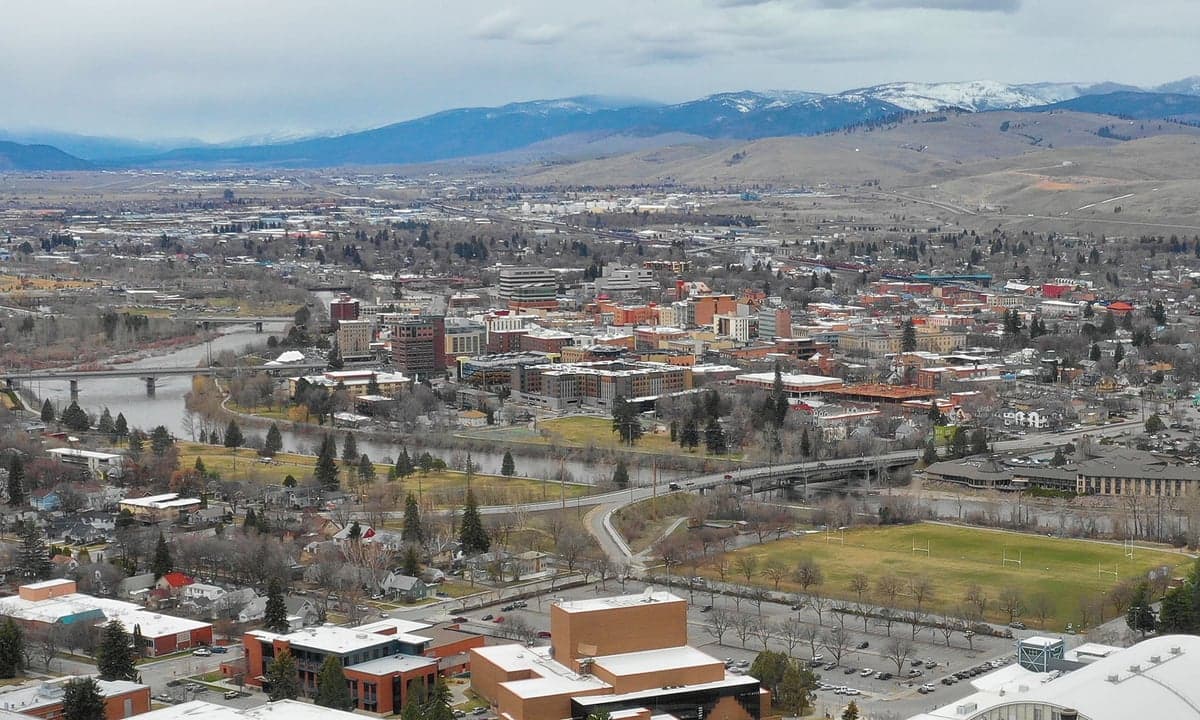
Missoula has a way of making you feel like you’ve stumbled into a town that’s both a college hub and a mountain outpost, all at once. It’s the kind of place where you’ll see a fly-fishing guide in waders grabbing coffee next to a university professor, and where the Friday night lights of high school football are just as likely to be discussed as the latest Grizzly game. For a city of about 75,600 people, it punches well above its weight in terms of identity, but it also carries some real growing pains that any potential resident should know about before packing the truck.
The Daily Rhythm: Work, Play, and the Commute You’ll Actually Enjoy
Daily life here revolves around the outdoors, but not in a performative way. People actually use their gear. The average commute is a remarkably short 16.5 minutes, which means you can live on the edge of town and still be home in time to hit the Clark Fork River for an evening float or a bike ride on the Kim Williams Trail. The median age is 34.3, and with 51.7% of adults holding a college degree, the workforce is educated but not stuffy. Major employers like the University of Montana, Providence St. Patrick Hospital, and a growing cluster of tech and manufacturing firms (think Missoula-based companies like OnX Maps and the sprawling logistics hub at the airport) keep the economy humming. The median household income sits at $65,329, which is decent for Montana, but the cost of living index of 118 (18% above the national average) means that paycheck doesn’t stretch as far as it used to—especially when you look at housing.
Sports, Community, and the Grizzly Obsession
If you move here and don’t care about the Montana Grizzlies, you’ll still learn to care. Washington-Grizzly Stadium on game day is a civic event that draws over 26,000 fans—more than a third of the city’s population. High school sports are also a big deal; Missoula Sentinel and Hellgate are perennial contenders in football and basketball, and the local youth leagues are well-supported. Beyond the gridiron, the community rallies around the Missoula PaddleHeads (collegiate summer baseball) at Ogren Park, which is a low-key, family-friendly way to spend a summer evening. The real sport, though, is the outdoors: skiing at Snowbowl (20 minutes up the canyon), fly-fishing on the Bitterroot and Blackfoot Rivers, and mountain biking on the Blue Mountain trails are the default weekend plans for a huge chunk of the population.
What’s There to Do: Festivals, Food, and the Quirks of a College Town
Missoula punches above its weight in entertainment. The Missoula Farmers Market (Saturdays in the summer) is a genuine community hub, not a tourist trap. The International Wildlife Film Festival and the Missoula Symphony offer cultural depth, while the Big Sky Documentary Film Festival draws filmmakers from across the country. For nightlife, you’ve got the Top Hat Lounge for live music, Charlie B’s for a dive-bar classic, and KettleHouse Brewing for a patio with a river view. The food scene is better than a town this size deserves—try Plonk for upscale American, Masala for Indian, or Tagliare for a sandwich that’s become a local institution. The cultural quirk? Missoula is proudly weird. It’s a place where you can attend a poetry reading at a bookstore, then walk next door to a bar where a bluegrass band is playing to a crowd of people in Carhartts and Patagonia vests. That mix of granola and grit is the town’s signature.
Pros and Cons of Living Here: The Honest Trade-Offs
Longtime residents love the access to wilderness, the strong sense of community, and the fact that you can still run into your mayor at the grocery store. What frustrates them? The violent crime rate of 406.2 per 100,000 is notably higher than the national average, and while much of it is concentrated in specific areas, it’s a real concern that gets discussed at city council meetings and neighborhood watch groups. The median home value of $427,400 has priced out many locals, and the rental market is tight. Traffic is a non-issue by big-city standards, but the main corridors (Reserve Street and Brooks Street) can feel clogged during rush hour. Weather-wise, you get four distinct seasons: long, cold winters with inversions that trap smoke from wood stoves, a glorious but short spring, hot dry summers perfect for river floating, and a spectacular fall that locals call “the best season.” Schools—Missoula County Public Schools—are a mixed bag; Hellgate and Big Sky high schools are well-regarded, but the district faces funding challenges common to Montana. The kind of person who fits in here is someone who values experiences over square footage, doesn’t mind a little grit, and is willing to trade a bigger paycheck for a shorter commute and a river in their backyard. It’s not for everyone, but for the right person, it’s hard to leave.

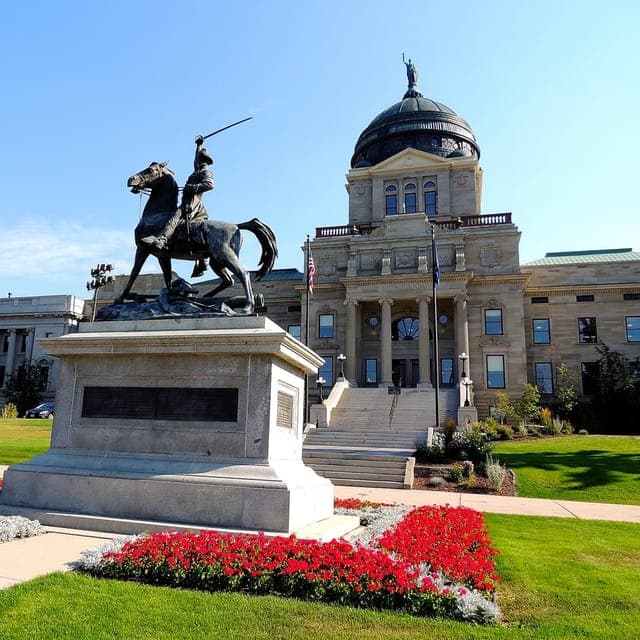
Similar small cities to Missoula
* Values derived from national, state, county, city and local statistics and may differ in a specific area. Last updated: 2026-04-23T04:42:42.000Z
Narrative content on this page is AI-generated and may contain mistakes. Verify any details that matter before acting on them.
ReloMaps may earn a commission from affiliate links at no extra cost to you.

