Photo: Wikipedia
Strategic Assessment of Michigan
Meaningful friction. Expect exposure to either population pressure, blast zones, or natural disaster risk. Consider buying a retreat property.
What does the Strategic Assessment tell us?
Our Strategic Assessment grades tactical survivability of an area. Major population centers, military targets, fallout zones, natural disasters, and border exposure all drive risk — lower exposure means a more defensible position in a crisis.
This is heavily inspired by Joel Skousen's Strategic Relocation book. Highly recommended you checkout the book ($)What does this tell us?
Our Strategic Assessment grades tactical survivability of an area. Major population centers, military targets, fallout zones, natural disasters, and border exposure all drive risk — lower exposure means a more defensible position in a crisis.
This is heavily inspired by Joel Skousen's Strategic Relocation book. Highly recommended you checkout the book ($)Regional Safe Places
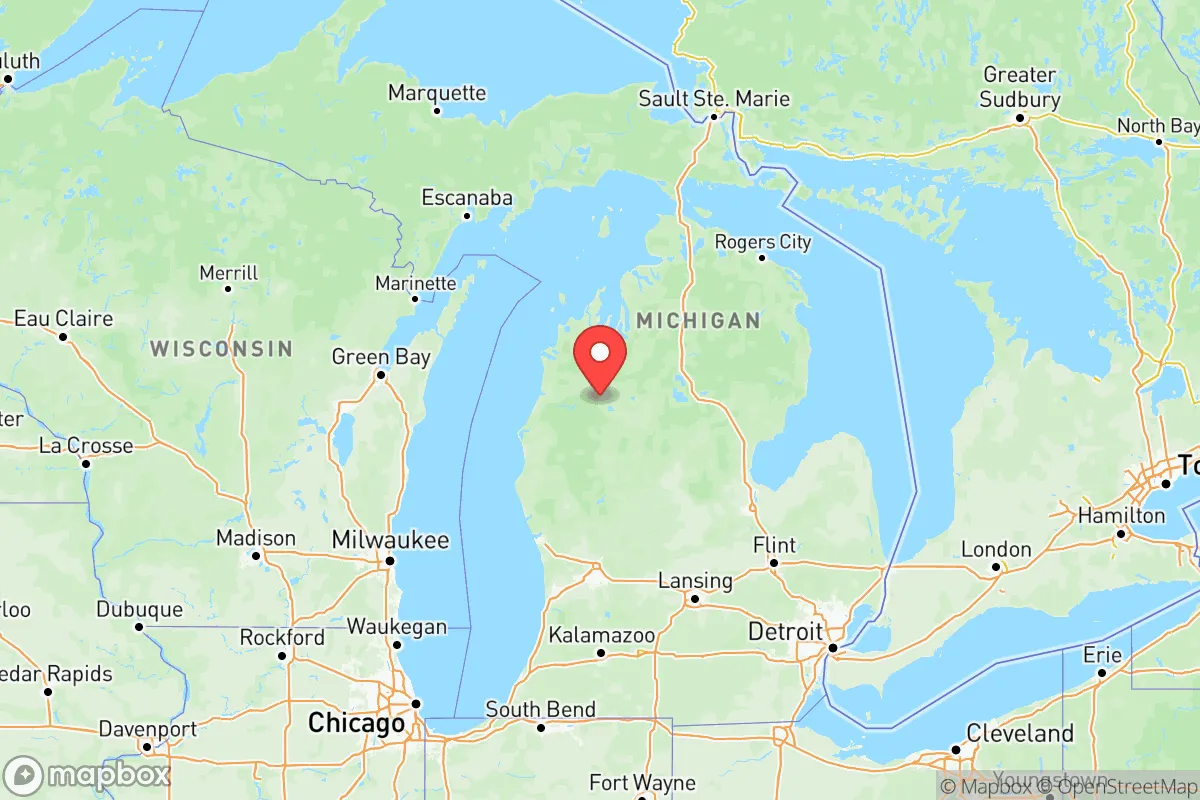
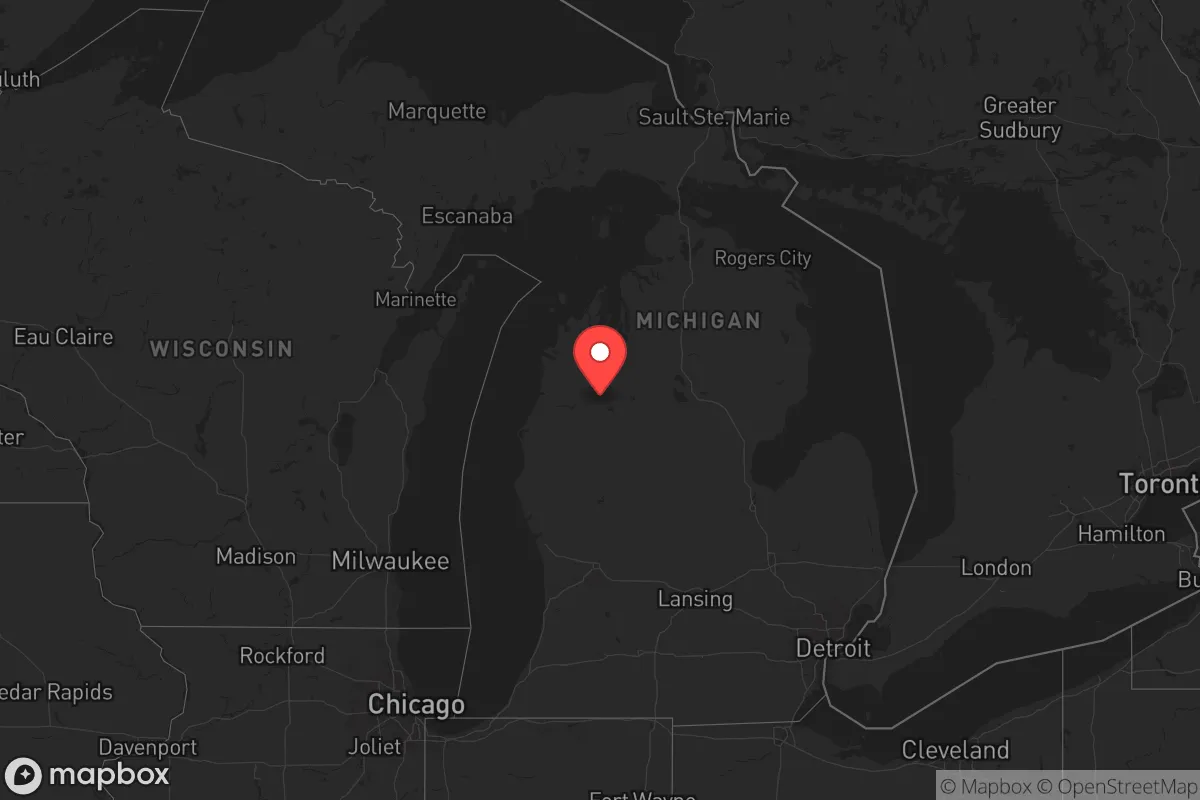
Below is our recommended "safe zones" in Michigan and the surrounding area based on our strategic heuristics. For most people, it's unrealistic to live in a “safe zone” full-time due to work, family or other personal reasons. They tend to be more rural. However, many of these areas are perfect for second homes and retreat properties that double as a vacation home or even a short-term rental.


Important Note: For informational purposes only. This does not mean nothing bad ever happens in the green zones. Please use common sense. This is based on public data and modeled with AI. We tried to take a conservative approach but mistakes happen. We update this regularly as new information becomes available.
Solar Generator Recommendations
Backup power matters more here than in safer locations. We've picked three solar generators across budgets and capacity tiers — start with the budget unit if you only need a few essentials, or step up if you want to run a fridge and HVAC for days at a time.

Jackery Portable Power Station Explorer 300
Budget OptionPower on the Go: Weighing only 11 lbs, it's convenient to set up and store with book-sized foldable solar panels

BLUETTI Portable Power Station AC180
Designed for both indoor and outdoor scenarios, AC180 is highly capable as it has a robost capacity and continuous output power.

EF ECOFLOW DELTA Pro Ultra Power Station
Upgraded PickEcoFlow DELTA Pro Ultra is a whole-home energy system designed to grow with your family. Integrated with the Smart Home Panel 2, it scales to meet your evolving energy needs — keeping your home powered, intelligent, and secure through every stage of life.
We earn a commission, at no additional cost to you.
Strategic Assessment Analysis
Michigan offers a surprisingly strong strategic position for those prioritizing resilience, combining Great Lakes freshwater security with a location that sits outside the highest-risk corridors for nuclear fallout, civil unrest, and supply chain collapse. The state’s Upper Peninsula and northern Lower Peninsula provide a buffer from the densest population centers, while the southern half still offers access to industrial infrastructure and agricultural land. For a conservative-leaning relocator thinking in terms of decades, not election cycles, Michigan’s mix of natural barriers, water abundance, and low population density in key zones makes it a serious contender—provided you understand where the risks actually lie.
Geographic position and natural advantages for long-term security
Michigan’s defining asset is the Great Lakes, which hold roughly 20% of the world’s surface freshwater—a resource that becomes priceless during prolonged drought, infrastructure failure, or contamination events elsewhere. The state is split into two distinct landmasses: the Lower Peninsula, shaped like a mitten, and the Upper Peninsula (the U.P.), which is connected to Wisconsin and Minnesota. The U.P., with towns like Marquette and Escanaba, offers vast tracts of forest, low population density (under 30 people per square mile in most counties), and natural defensibility via the Straits of Mackinac. The northern Lower Peninsula, including areas around Traverse City and Alpena, provides a similar buffer with better road access to the rest of the state. The southern third—Detroit, Ann Arbor, Grand Rapids, Lansing—is more vulnerable due to population density and proximity to the Canadian border, but even here, the state’s peninsular geography limits ingress points. Michigan is also a major agricultural producer: it grows over 300 commodities, including cherries, apples, soybeans, and corn, which means local food security is viable outside the urban cores. The state’s position between the Mississippi River basin and the Eastern Seaboard gives it logistical options without being a primary target for intercontinental ballistic missile trajectories, which tend to favor the central plains and coastal cities.
Risks, exposures, and proximity to fallout-relevant landmarks
No state is immune to risk, and Michigan has specific vulnerabilities that a strategic relocator must weigh. The most obvious is the Detroit-Windsor corridor, which includes the Ambassador Bridge and the Detroit-Windsor Tunnel—critical chokepoints for trade between the U.S. and Canada. A major event at the Detroit Metropolitan Airport or the Ford River Rouge Complex in Dearborn (one of the largest industrial sites in the world) could generate significant fallout and disrupt supply chains across the region. The Enbridge Line 5 pipeline running through the Straits of Mackinac is a perennial concern; a rupture would contaminate the Great Lakes and devastate the region’s water supply. Additionally, the Fermi 2 nuclear power plant near Monroe, south of Detroit, sits on Lake Erie and is within 30 miles of the Ohio border—a potential target or accident site that could render large swaths of southeastern Michigan uninhabitable for decades. The state also has several chemical refineries along the Lake Michigan shoreline, including the BP Whiting Refinery in Indiana, just across the border, which could produce toxic plumes under the right wind conditions. For those seeking to avoid fallout, the key is distance: the U.P. and northern Lower Peninsula are 200–300 miles from these high-risk zones, offering a meaningful buffer. However, the state’s reliance on the Mackinac Bridge (a single 5-mile suspension bridge) as the only road link between the peninsulas creates a single-point-of-failure vulnerability—if that bridge goes down, the U.P. becomes an island.
Practical resilience for a relocator: food, water, energy, and defensibility
For a family or individual looking to build a self-sufficient setup, Michigan delivers on the basics. Water is the standout: the Great Lakes provide an essentially inexhaustible supply, and the state’s groundwater is generally clean and abundant, especially in the northern counties. Rainwater collection is straightforward, and surface water from inland lakes and rivers (the Huron, Manistee, and Au Sable systems) is plentiful. On the food front, Michigan’s growing season is shorter than the South’s—roughly 140–170 days in the Lower Peninsula, less in the U.P.—but the soil in the western and central parts of the state is fertile, and deer, turkey, and fish populations are robust for hunting and fishing. The state has a strong network of local farmers’ markets and small-scale agriculture, particularly around Traverse City and the Thumb region (the area east of Flint). Energy is more mixed: the grid is aging and prone to outages during winter storms, but the state has significant wind potential along the Lake Michigan coast and hydroelectric capacity from dams on the Manistee and Muskegon rivers. Solar works, though winter cloud cover reduces output. For defensibility, the U.P. is hard to beat—it’s bounded by three Great Lakes, has limited road access (only two major highways, US-2 and US-41), and the terrain is rugged enough to make movement difficult for large groups. The northern Lower Peninsula offers similar advantages with more road options. The southern half, by contrast, is flat and crisscrossed by interstates, making it harder to secure a perimeter. A relocator should also consider the state’s gun-friendly laws: Michigan is a shall-issue state for concealed carry, with no magazine capacity restrictions and a strong hunting culture, which aligns with a preparedness mindset.
The overall strategic picture for Michigan is one of high potential with clear trade-offs. The U.P. and northern Lower Peninsula offer some of the best natural security in the Midwest—abundant water, low population density, defensible terrain, and distance from major fallout targets. The southern half, while more economically active, carries risks from industrial infrastructure, nuclear plants, and the Detroit metro area’s potential for civil unrest. For a conservative relocator who values self-reliance and is willing to deal with harsh winters (the U.P. averages 150–200 inches of snow annually), Michigan is a strong bet. The key is to get north of a line from Muskegon to Bay City—anything south of that puts you within striking distance of the state’s most dangerous exposures. If you can handle the cold and the isolation, Michigan’s natural advantages make it a legitimate long-term haven in an unstable world.

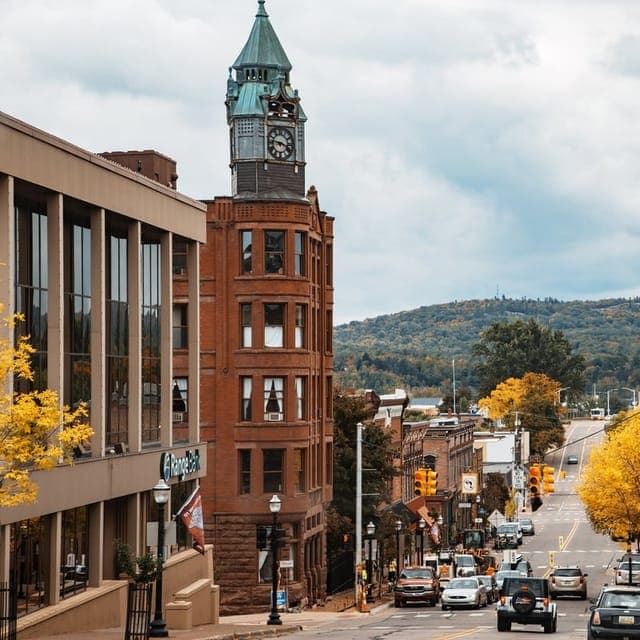
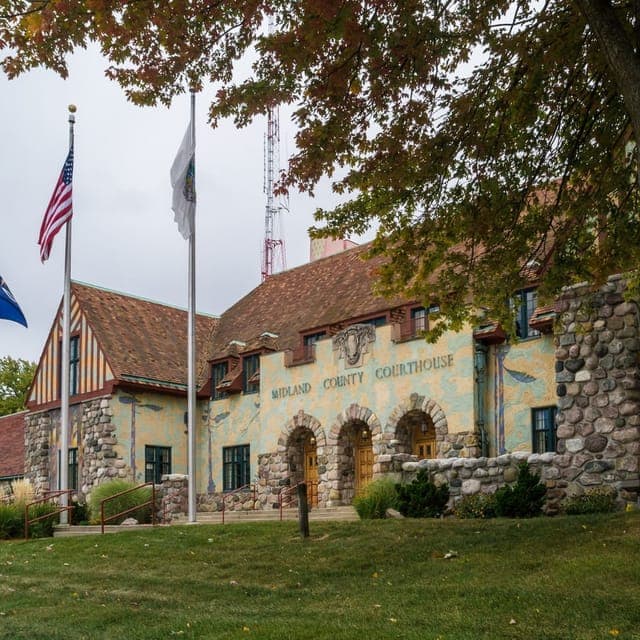
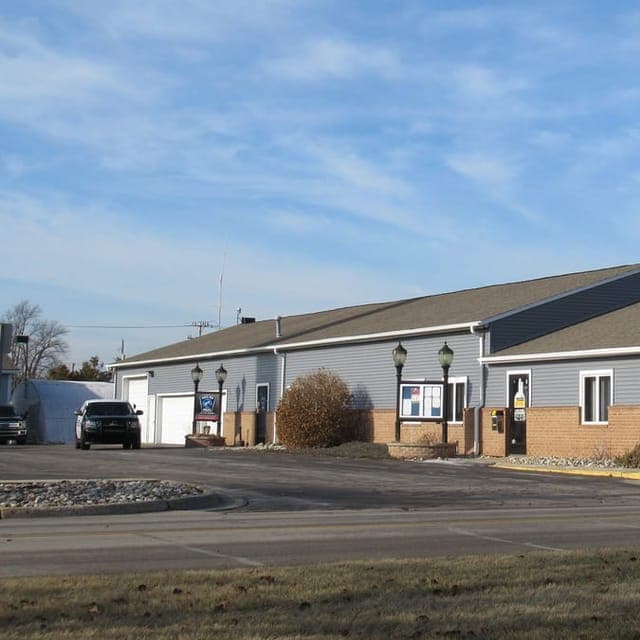
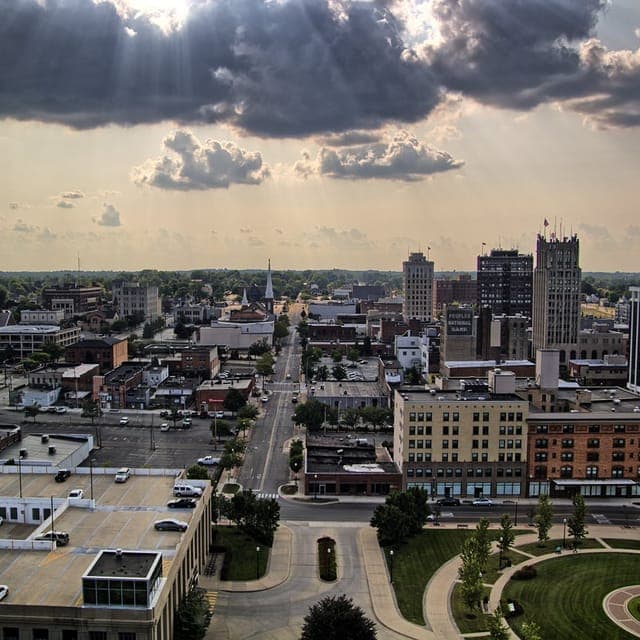
Top 10 Cities by Strategic Assessment in Michigan
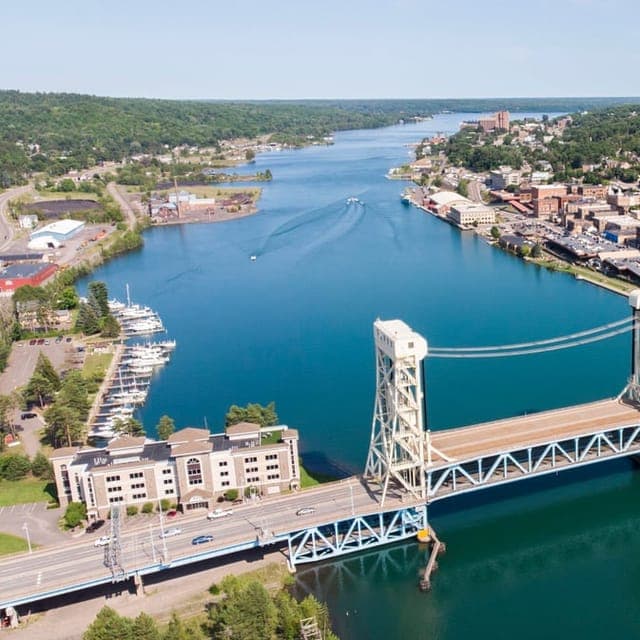


* Values derived from national, state, county, city and local statistics and may differ in a specific area. Last updated: 2026-04-18T23:04:36.000Z
Narrative content on this page is AI-generated and may contain mistakes. Verify any details that matter before acting on them.
ReloMaps may earn a commission from affiliate links at no extra cost to you.

