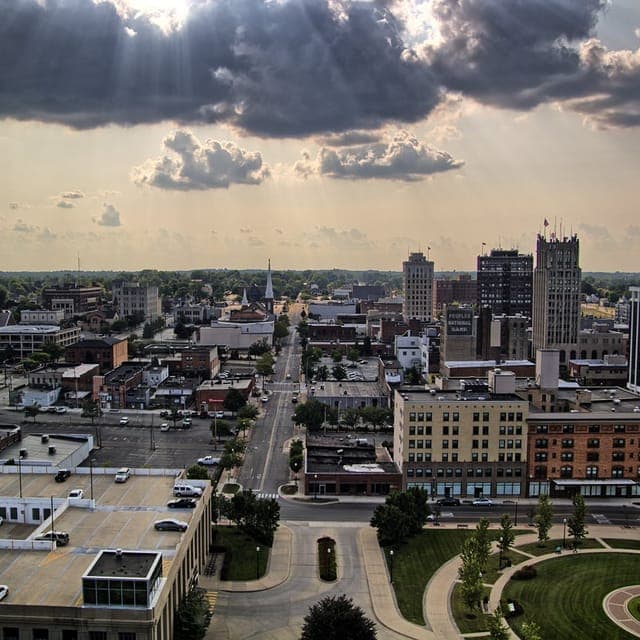
Photo: Wikipedia
Personal Sovereignty in Michigan
Strong independent fundamentals that actively favor personal liberty and low regulation.
What does Personal Sovereignty tell us?
Personal Sovereignty measures your capacity for self-reliance and independence with minimal government friction. Higher scores mean fewer barriers between you and the way you want to live... but it assumes you have the space you need and good neighbors.
What does this tell us?
Personal Sovereignty measures your capacity for self-reliance and independence with minimal government friction. Higher scores mean fewer barriers between you and the way you want to live... but it assumes you have the space you need and good neighbors.
State Policy
Energy independence: Importer (20% of energy produced in-state)
Personal Liberty
Homesteading

Personal Liberty Analysis
Michigan presents a deeply divided landscape for personal sovereignty, where the rural Upper Peninsula and northern Lower Peninsula offer a high degree of autonomy, while the southeastern urban corridor—metro Detroit, Ann Arbor, and Lansing—imposes a regulatory environment that many liberty-minded individuals find increasingly restrictive. The state’s constitutional protections for self-defense and property rights are solid on paper, but local enforcement and preemption battles create a patchwork reality. For a single individual or parent seeking to maximize personal freedom, the key is choosing the right county and municipality, as the difference between living in Marquette County versus Washtenaw County is night and day in terms of government overreach and daily autonomy.
Tax burden and regulatory posture across Michigan’s regions
Michigan’s overall tax burden is moderate compared to high-tax states like New York or California, but it is not a low-tax haven. The state income tax is a flat 4.25%, and sales tax is 6%, with no local sales tax add-ons. Property taxes are the real variable: effective rates range from 1.2% in rural areas like Alpena or Cheboygan to over 2.5% in affluent suburbs like Birmingham or Grosse Pointe. The regulatory posture is heavily skewed by location. In the Upper Peninsula, counties like Gogebic and Ontonagon have minimal zoning enforcement and a live-and-let-live attitude toward small-scale agriculture, home businesses, and even alternative energy setups. Conversely, the southeast—particularly Ann Arbor and Oakland County—has aggressive building codes, strict environmental regulations, and a permitting culture that can delay simple projects for months. For a prepper or survivalist, the regulatory burden in the southeast is a significant red flag, as it directly impedes self-reliance projects like installing a backup generator, building a root cellar, or keeping livestock on a suburban lot.
Self-defense and gun law specifics: what Michigan allows and restricts
Michigan is a shall-issue state for concealed pistol licenses (CPL), meaning the county sheriff must issue one if you meet basic requirements—no subjective “good cause” nonsense. However, the state has no constitutional carry; open carry is legal without a permit for those 18 and older, but concealed carry requires a CPL. The biggest concern for liberty-minded individuals is the 2023 red flag law, which allows courts to issue extreme risk protection orders (ERPOs) to temporarily seize firearms based on hearsay and unsworn testimony. This law is actively enforced in liberal counties like Washtenaw and Ingham, while conservative counties like Lapeer and St. Clair are far less likely to rubber-stamp such orders. Additionally, Michigan bans private firearm sales without a background check through a licensed dealer—a universal background check law passed in 2024. For a prepper, this means building a private armory requires navigating a dealer network, and any future transfer to family members could be complicated. On the positive side, the state has strong preemption laws that prevent cities like Detroit or Ann Arbor from enacting their own gun bans, though local police in those cities are known for aggressive enforcement of minor infractions. Houghton County in the UP is widely considered the most gun-friendly area in the state, with a sheriff’s office that publicly opposes red flag laws and a community that values armed self-defense as a norm.
Self-reliance and homesteading viability: lot sizes, zoning, and off-grid feasibility
Michigan offers exceptional homesteading potential in its northern and western regions, but the viability drops sharply as you approach the southern urban crescent. In the Upper Peninsula, counties like Baraga and Iron have no county-wide zoning, allowing you to buy a 10-acre parcel, build a cabin with no permits, and live off-grid with solar panels, a well, and a septic system—all perfectly legal. Lot sizes in these areas routinely start at 5 acres for under $20,000, making them accessible for a single individual or family with modest savings. In the northern Lower Peninsula, Oscoda and Alcona counties are similarly permissive, though some townships have basic building codes for new construction. The catch is that off-grid living is not explicitly protected by state law; you are at the mercy of local township ordinances. In the southern part of the state, particularly in Livingston and Oakland counties, minimum lot sizes for agricultural use are often 10 acres, and building a dwelling without grid power or municipal water is effectively illegal due to health department requirements for septic systems and well permits. For a prepper, the ideal strategy is to buy land in a township with no zoning—common in the UP and parts of the northern Lower Peninsula—and build a self-sufficient homestead before any regulatory creep arrives. Menominee County is a standout for its combination of low land prices, minimal regulation, and proximity to Wisconsin’s similarly free counties.
Personal liberties: parental rights, medical autonomy, speech, and property
Michigan’s record on parental rights is mixed. The state has no explicit parental rights statute, and the Michigan Department of Health and Human Services has broad authority to intervene in family matters. In practice, conservative parents in Midland and Gladwin counties report far less government interference than those in Washtenaw or Kent County (Grand Rapids), where school districts have adopted controversial curricula and health policies that bypass parental consent. Medical autonomy is under serious threat: Michigan has a vaccine mandate for school children that includes COVID-19 shots for some healthcare workers, and the state’s health department can issue emergency orders without legislative approval—a power that was used aggressively during the pandemic. For a liberty-minded individual, this means that living in a county with a sheriff who refuses to enforce state health mandates is critical; Lake County and Oceana County have sheriffs who publicly resist such overreach. Free speech is protected by the First Amendment, but Michigan has a hate speech statute that can be used to prosecute “ethnic intimidation,” which some activists argue chills political speech. Property rights are generally strong, with no statewide rent control and relatively low eminent domain usage, though the Michigan Environmental Protection Act allows citizens to sue over alleged environmental harms, which can be weaponized against homesteaders who clear land or build near wetlands. The bottom line: personal liberties in Michigan are highly localized, and the state government in Lansing is trending toward more control, not less.
Overall, Michigan’s personal sovereignty is a tale of two states. The Upper Peninsula and the northern Lower Peninsula offer a level of autonomy that rivals the most free states in the union, with low taxes, minimal regulation, and a culture of self-reliance. The southeastern urban corridor, however, is increasingly hostile to gun rights, parental authority, and off-grid living, with a regulatory apparatus that mirrors blue states on the coasts. For a conservative-leaning individual or parent serious about maximizing freedom, the strategic move is to settle in a county like Houghton, Baraga, or Oscoda, where the sheriff, the county commission, and the local culture align with personal sovereignty. Avoid the southeast unless you are prepared to fight constant battles with local government over your right to live as you see fit. Michigan can be a sanctuary for the self-reliant, but only if you choose your ground carefully.

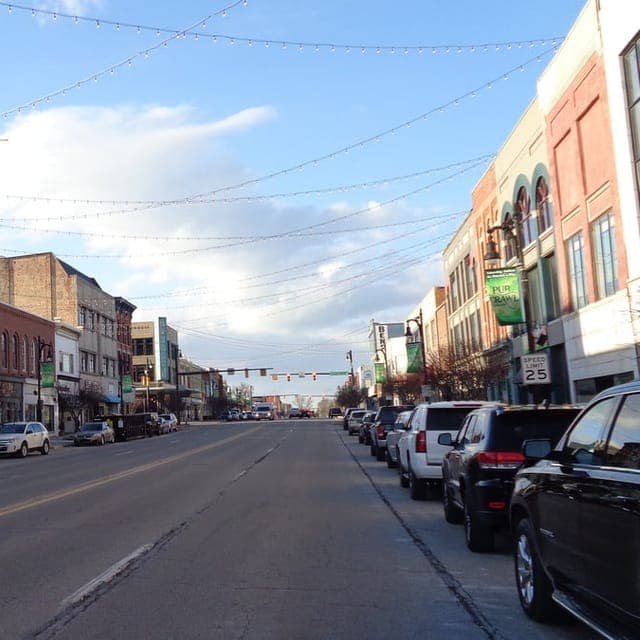
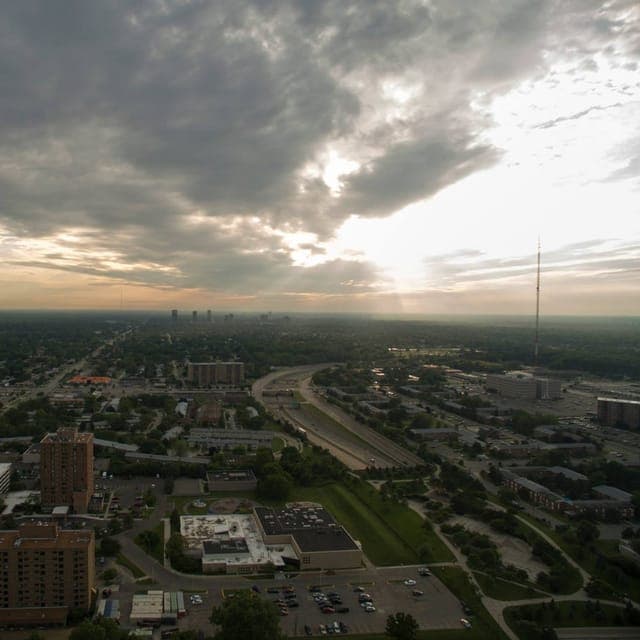
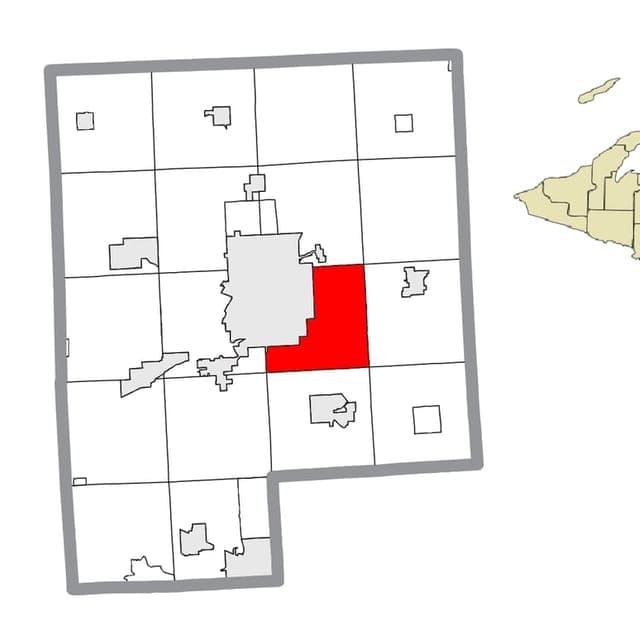
Top Cities for Personal Sovereignty in Michigan
* Values derived from national, state, county, city and local statistics and may differ in a specific area. Last updated: 2026-04-18T23:04:36.000Z
Narrative content on this page is AI-generated and may contain mistakes. Verify any details that matter before acting on them.
ReloMaps may earn a commission from affiliate links at no extra cost to you.

