Photo: Wikipedia
Quality of Life in Michigan
A livable area that tracks near national norms for affordability, walkability, and neighborhood health.
What does Quality of Life tell us?
Quality of Life measures an area by evaluating factors like cost of living, nearby amenities, country club access, airport proximity, socioeconomic signals and neighborhood character. For large states, this is a general average — quality of life can vary dramatically between metro areas, suburbs, and rural communities within the same state.
What does this tell us?
Quality of Life measures an area by evaluating factors like cost of living, nearby amenities, country club access, airport proximity, socioeconomic signals and neighborhood character. For large states, this is a general average — quality of life can vary dramatically between metro areas, suburbs, and rural communities within the same state.
Cost of Living
13% below national average
114%
The Real Cost of Living in Michigan for 2026
| Tier | Individual | Family (4) |
|---|---|---|
| Survival | $17k | $33k |
| Comfortable | $42k | $62k |
| Luxury | $129k+ | $199k+ |
| Elite (Top 5%) | $155k+ | $240k+ |
Quality-of-Life Analysis
Michigan offers one of the widest quality-of-life spectrums in the Midwest, ranging from dense urban centers with global industries to remote Great Lakes shorelines and affordable small towns. The state’s overall cost of living index sits at 87 (100 = U.S. average), with a median home value of $217,600 and median rent of $1,084, making it broadly accessible. The average commute of 24.4 minutes is notably shorter than the national average, a practical advantage for residents across most tiers. The choice of where to live in Michigan largely depends on whether a person prioritizes career density, cultural amenities, outdoor recreation, or maximum affordability.
Major metros
If you are looking for urban living, Michigan has two primary metropolitan anchors: Detroit and Grand Rapids. Detroit, the state’s largest city, offers a revitalized downtown core with a resurgent tech and automotive sector, anchored by companies like General Motors, Ford, and Quicken Loans. Its cultural identity is gritty, historically significant, and increasingly creative, with neighborhoods like Corktown and Midtown drawing young professionals. Grand Rapids, the second-largest metro, has a distinctly different vibe: a growing hub for healthcare (Spectrum Health), manufacturing, and craft brewing, with a more family-oriented, Midwestern pace. Its downtown is compact and walkable, with a strong arts scene tied to the Frederik Meijer Gardens. For those seeking the highest density of jobs, entertainment, and diversity, Detroit’s metro area (including suburbs like Ann Arbor and Royal Oak) is the primary draw, while Grand Rapids appeals to those wanting a growing city without the scale or crime concerns of Detroit.
Mid-size cities & college towns
Michigan’s mid-size cities and college towns offer a balance of employment, culture, and lower costs. Ann Arbor, home to the University of Michigan, is the state’s most educated and progressive city, with a vibrant downtown, top-tier medical facilities, and a strong tech startup scene—though its home values are above the state median. Traverse City, on Lake Michigan’s Grand Traverse Bay, is the state’s premier resort town, blending a thriving food and wine scene with year-round outdoor recreation (skiing at Crystal Mountain, cherry festivals). Kalamazoo offers a lower cost of living (COL index near 85) with Western Michigan University and a growing pharmaceutical and logistics sector. Lansing, the state capital, provides stable government employment and Michigan State University in nearby East Lansing, with home values around $180,000. Marquette, on Lake Superior in the Upper Peninsula, is a standout for outdoor enthusiasts, with a university (Northern Michigan University) and direct access to hiking, skiing, and Lake Superior’s shoreline—but its remote location means longer drives to major airports.
Small towns & rural areas
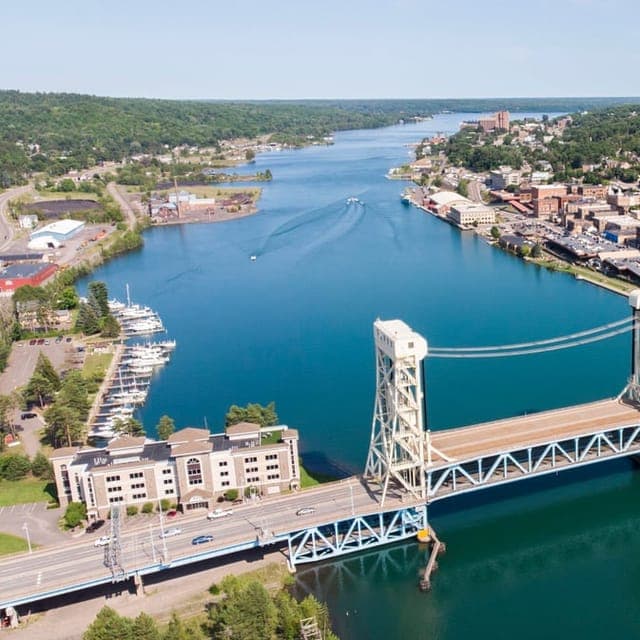
For those seeking a slower pace, Michigan’s small towns and rural areas offer deep affordability and natural beauty. In the Upper Peninsula, towns like Houghton (home to Michigan Technological University) and Escanaba provide a rugged, four-season lifestyle with median home values often below $150,000. The Thumb region (e.g., Port Austin, Caseville) offers quiet lakefront living and agricultural communities, with a strong seasonal tourism economy. In the Lower Peninsula’s northern reaches, towns like Petoskey and Charlevoix are upscale resort communities with high property values, while inland towns like Grayling and Mio remain deeply affordable (median homes under $120,000) and attract hunters, anglers, and off-road vehicle enthusiasts. The Irish Hills area (south-central Michigan) offers a mix of lakes and small towns like Brooklyn and Onsted, popular with retirees and second-home buyers. The trade-off in all these areas is limited job diversity, longer drives to grocery stores and healthcare, and harsh winters.
Luxury vs. affordable living
Michigan’s luxury enclaves are concentrated along its Great Lakes shorelines. Birmingham and Bloomfield Hills (Oakland County) are the state’s wealthiest suburbs, with median home values exceeding $500,000 and top-rated schools. Grosse Pointe (along Lake St. Clair) offers historic lakefront estates. Traverse City’s Old Mission Peninsula and Leelanau County feature vineyard estates and second homes starting above $800,000. On the affordable end, Flint and Saginaw have median home values under $70,000, though they face significant economic and crime challenges. Battle Creek and Muskegon offer homes under $150,000 with access to Lake Michigan. Detroit’s neighborhoods like East English Village and Warrendale still have homes under $100,000, appealing to investors and first-time buyers willing to navigate the city’s uneven recovery. The spread is dramatic: a lakefront mansion in Harbor Springs can cost 20 times more than a fixer-upper in Flint.
The practical reality is that Michigan’s quality-of-life tiers are sharply defined by geography and industry. Professionals in healthcare, tech, or education thrive in Ann Arbor, Grand Rapids, or Detroit’s suburbs. Outdoor enthusiasts and remote workers gravitate toward Traverse City or the Upper Peninsula. Retirees on fixed incomes find deep value in small towns like Grayling or Escanaba. The cost-of-living spread—from a COL index near 70 in rural areas to over 110 in Birmingham—means that a household earning the state median income ($67,000) can afford a comfortable home in most of the state, but not in its wealthiest enclaves. The average commute of 24.4 minutes holds true for most metro areas, but can double for those living in rural exurbs commuting to Detroit or Grand Rapids. Ultimately, Michigan rewards those who match their lifestyle priorities to a specific region, rather than seeking a one-size-fits-all city.

Crime in Michigan
Crime rates similar to the national median for U.S. locations.
Violent CrimeViolent Crime Analysis
Property CrimeProperty Crime Analysis
Crime Analysis
Michigan's overall safety picture is mixed, with a violent crime rate of 408.1 per 100,000 residents and a property crime rate of 1,238.7 per 100,000, both of which exceed national averages. While the state contains some of the safest small cities and suburbs in the Midwest, its larger urban centers—particularly Detroit, Flint, and Saginaw—drive the statewide numbers upward due to concentrated socioeconomic challenges and, in some cases, progressive prosecutorial policies that critics argue prioritize offender rehabilitation over public safety.
Crime in context
Michigan's violent crime rate sits roughly 15% above the national average, while its property crime rate is about 10% higher. The state's figures are heavily influenced by Detroit, which reported a violent crime rate of approximately 2,000 per 100,000 in recent years—nearly five times the state average. Flint and Saginaw also post violent crime rates well above 1,000 per 100,000. In contrast, communities like Ann Arbor, Traverse City, and the Grand Rapids suburbs of Kentwood and Wyoming report violent crime rates below 300 per 100,000, often aligning with or beating national benchmarks. Property crime is more evenly distributed, though rural counties in the Upper Peninsula and northern Lower Peninsula—such as Leelanau and Emmet—consistently record the lowest rates statewide.
What residents experience
For the average Michigander, daily safety depends heavily on location and local criminal justice philosophy. In Detroit and Wayne County, progressive prosecutors have implemented policies such as reduced cash bail, declination of low-level drug charges, and diversion programs for theft and assault. While these measures aim to reduce incarceration, they have coincided with a rise in carjackings and retail theft rings. Residents in these areas report increased property crime and a perception that repeat offenders face minimal consequences. Conversely, in Macomb County (north of Detroit) and Oakland County, district attorneys maintain more traditional charging and sentencing practices, resulting in lower recidivism rates and greater public confidence. In Grand Rapids, the Kent County prosecutor's office has adopted a middle-ground approach—focusing on mental health and drug courts for nonviolent offenders while aggressively prosecuting violent crime—which has kept violent crime rates relatively stable.
Neighborhood-level variation
Within Michigan's major metros, safety can shift dramatically within a few miles. In Detroit, the downtown and Midtown areas—patrolled by private security and benefiting from business improvement district funding—have violent crime rates comparable to Ann Arbor, while neighborhoods like the East Side and Brightmoor see rates exceeding 3,000 per 100,000. In Flint, the College Cultural neighborhood near Kettering University is relatively safe, while the north and south ends experience concentrated gang violence. Lansing's Eastside and Grand Rapids' Eastown are considered safe for families, while the south sides of both cities see elevated property crime. For those seeking the lowest crime rates, Rochester Hills, Novi, and Okemos consistently rank among Michigan's safest communities, with violent crime rates below 100 per 100,000 and property crime rates under 800 per 100,000. Prospective residents should research not just city-level data but specific police precinct and neighborhood association reports, as Michigan's safety landscape is defined by sharp local contrasts rather than a uniform statewide experience.
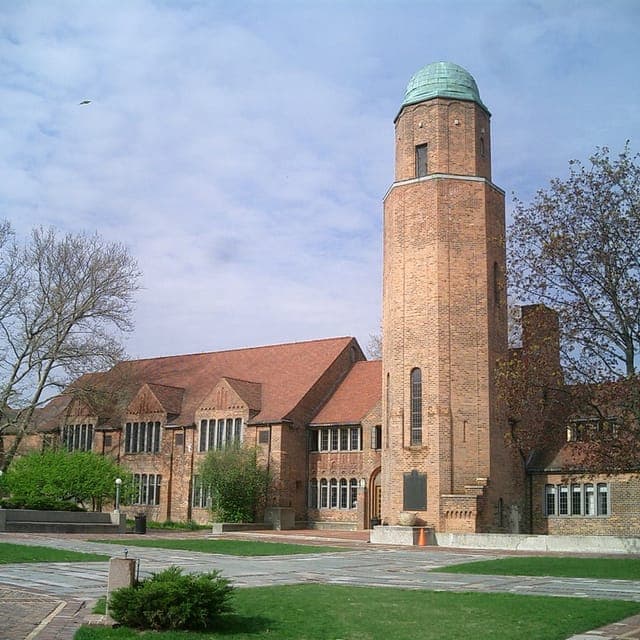
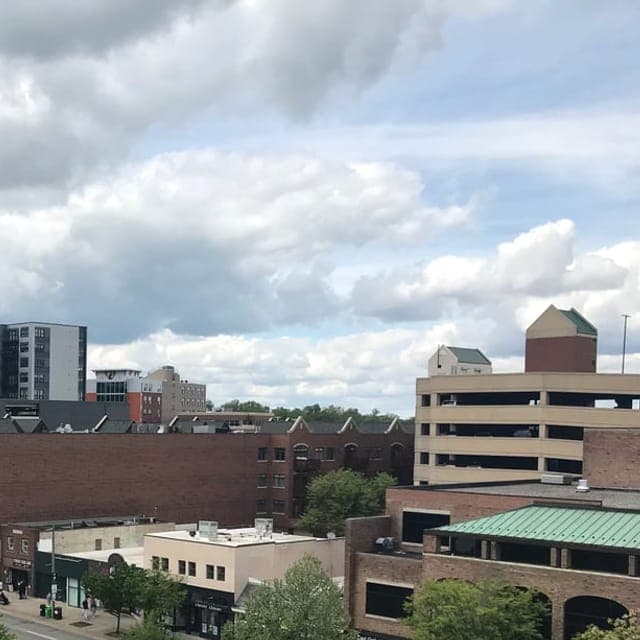
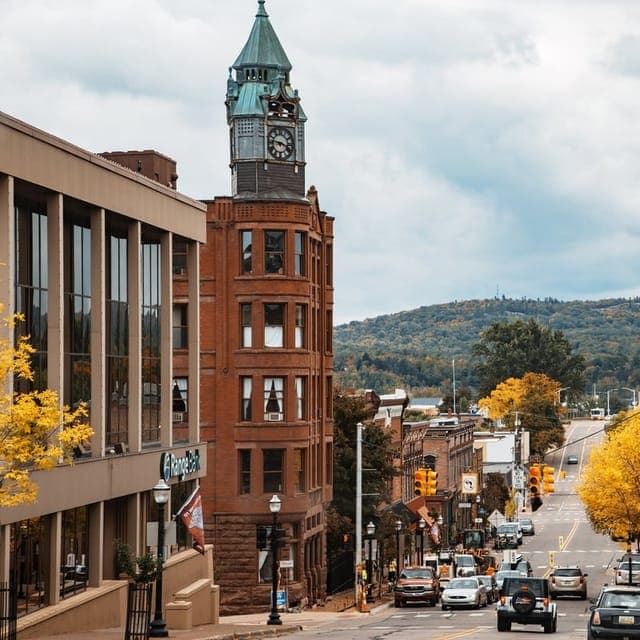
Top Cities for Quality of Life in Michigan




* Values derived from national, state, county, city and local statistics and may differ in a specific area. Last updated: 2026-04-18T23:04:36.000Z
Narrative content on this page is AI-generated and may contain mistakes. Verify any details that matter before acting on them.
ReloMaps may earn a commission from affiliate links at no extra cost to you.

