 Popular
Photo: Wikipedia
Find The Best Places To Live
in Marquette
PRO TIP! You can paste a Zillow or Redfin link to get info on that property.
What It's Like Living in Marquette, MI
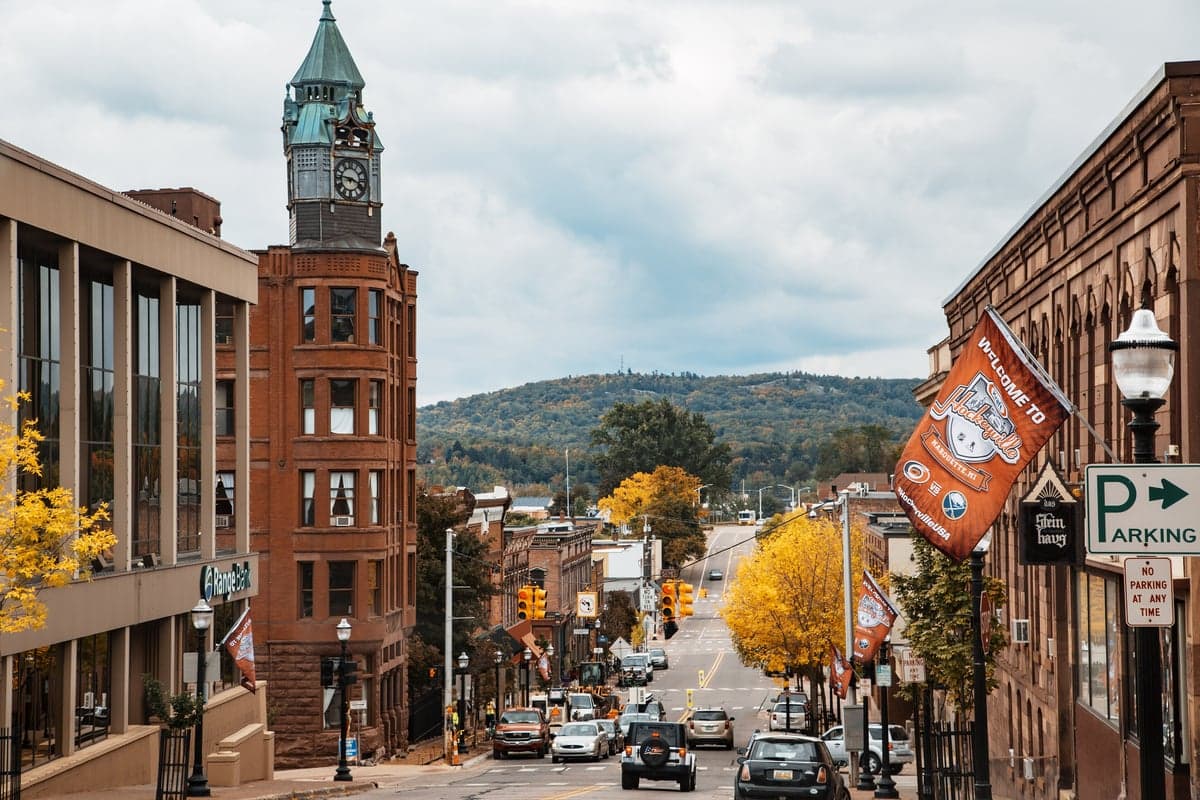
Marquette feels like a small city that grew up in the woods and never forgot it. With a population just over 20,600 and a median age of 31.2, it’s younger than most Michigan towns its size—thanks largely to Northern Michigan University (NMU) and the steady draw of outdoor careers. The vibe is less “remote outpost” and more “college town with a serious outdoor addiction,” where you’re as likely to run into a mountain biker covered in mud as a professor grading papers at a coffee shop.
Daily Rhythm: What People Actually Do
Most days in Marquette move at a pace that feels deliberate, not slow. The average commute is just over 13 minutes, so you’re not burning half your morning in traffic. People shop at the local Marquette Food Co-op or the downtown farmers market in season, and grab groceries at the Econo Foods or Walmart on the south side. Weekends often start with a run or bike ride on the Noquemanon Trail Network—over 100 miles of singletrack that weave right through town—then drift into brunch at BabyCakes or a coffee at Dead River Coffee. By afternoon, you’ll see families at Presque Isle Park or kayakers on the Dead River Basin. The median household income is $55,825, which goes further here than in most of the country: the cost of living index sits at 85, well below the national average of 100. That means a modest salary can still afford a decent home—median home value is $254,100—and a weekend of skiing or fishing without breaking the bank.
Sports, Community, and the NMU Factor
Sports here are a big deal, but not in the pro-sports sense. NMU Wildcats hockey is the main event—games at the Berry Events Center draw serious crowds, and the rivalry with Michigan Tech is genuine. High school sports are well-supported too, especially football and basketball at Marquette Senior High School. There’s no major pro team within two hours, so the community rallies around local athletes and outdoor competitions like the UP 200 sled dog race, which passes through town every February. The kind of person who fits in here is someone who doesn’t mind that the biggest night out might be a hockey game followed by a beer at The Vierling or Blackrocks Brewery. It’s a place for people who value experience over status—outdoorsy, self-sufficient, and comfortable with a slower social calendar. Families do well here because the schools are solid and the crime rate is low (violent crime at 177 per 100,000, well under the national average), but it’s also a magnet for young professionals and remote workers who want Lake Superior in their backyard.
What’s There to Do (Beyond the Obvious)
Outdoor life is the headline, but Marquette has a cultural side that surprises newcomers. The Ore Dock Brewing Company hosts live music most weekends, and the Marquette Regional History Center gives a solid grounding in the area’s mining past. Summer brings Art on the Rocks, a juried art fair that fills the downtown streets, and the Hiawatha Music Festival in nearby Gwinn draws bluegrass and folk fans from across the Midwest. In winter, the Marquette Winter Sports Complex offers cross-country skiing and snowshoeing, and the Pine Mountain Ski Jump in Iron Mountain is a short drive for a truly unique spectacle. The biggest cultural quirk? Locals are fiercely proud of the “Yooper” identity—a mix of Finnish-Scandinavian stoicism, mining heritage, and a love for pasties (the meat-and-potato hand pie, not the clothing). You’ll hear “da” for “the” and “eh” at the end of sentences, and it’s not an affectation; it’s just how people talk.
Pros and Cons of Living Here
- Pros: Low cost of living (85 index) means your money goes far. The outdoor access is world-class—Lake Superior beaches, waterfalls, and trails are minutes away. The community is tight-knit and welcoming, with a strong sense of local pride. The commute is negligible, and the crime rate is genuinely low.
- Cons: Winters are long and real—expect snow from November through April, with lake-effect bands that can drop a foot overnight. Job options outside of healthcare, education, and tourism are limited; many locals work at NMU, UP Health System, or the county government. The nearest big city (Green Bay) is two hours away, and Detroit is five. If you need urban amenities like a major airport or a Costco, you’ll feel the distance.
Marquette isn’t for everyone, and it doesn’t pretend to be. The people who thrive here are the ones who see a snowstorm as an opportunity, not an inconvenience—who’d rather spend a Saturday hiking Sugarloaf Mountain than shopping at a mall. If that sounds like you, the trade-offs (long winters, limited nightlife) start to feel like small prices to pay for a life that’s genuinely connected to place and community.

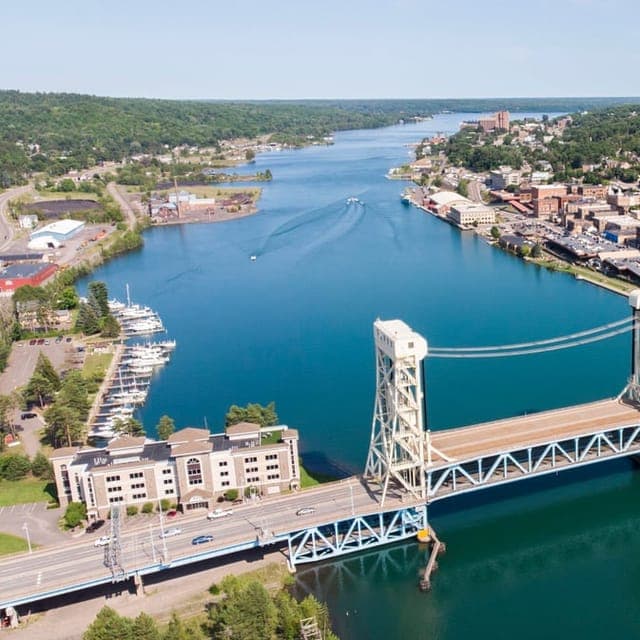
Similar towns to Marquette
* Values derived from national, state, county, city and local statistics and may differ in a specific area. Last updated: 2026-06-16T09:16:45.000Z
Narrative content on this page is AI-generated and may contain mistakes. Verify any details that matter before acting on them.
ReloMaps may earn a commission from affiliate links at no extra cost to you.

