 Popular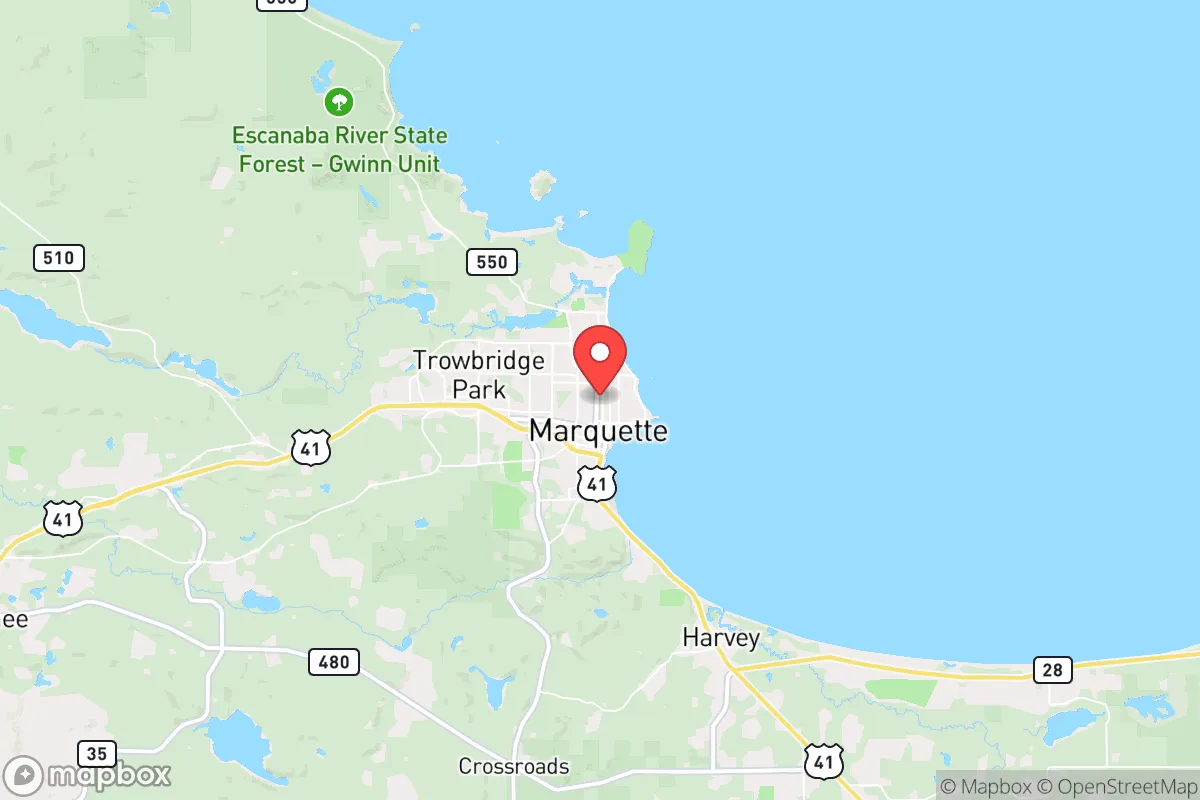
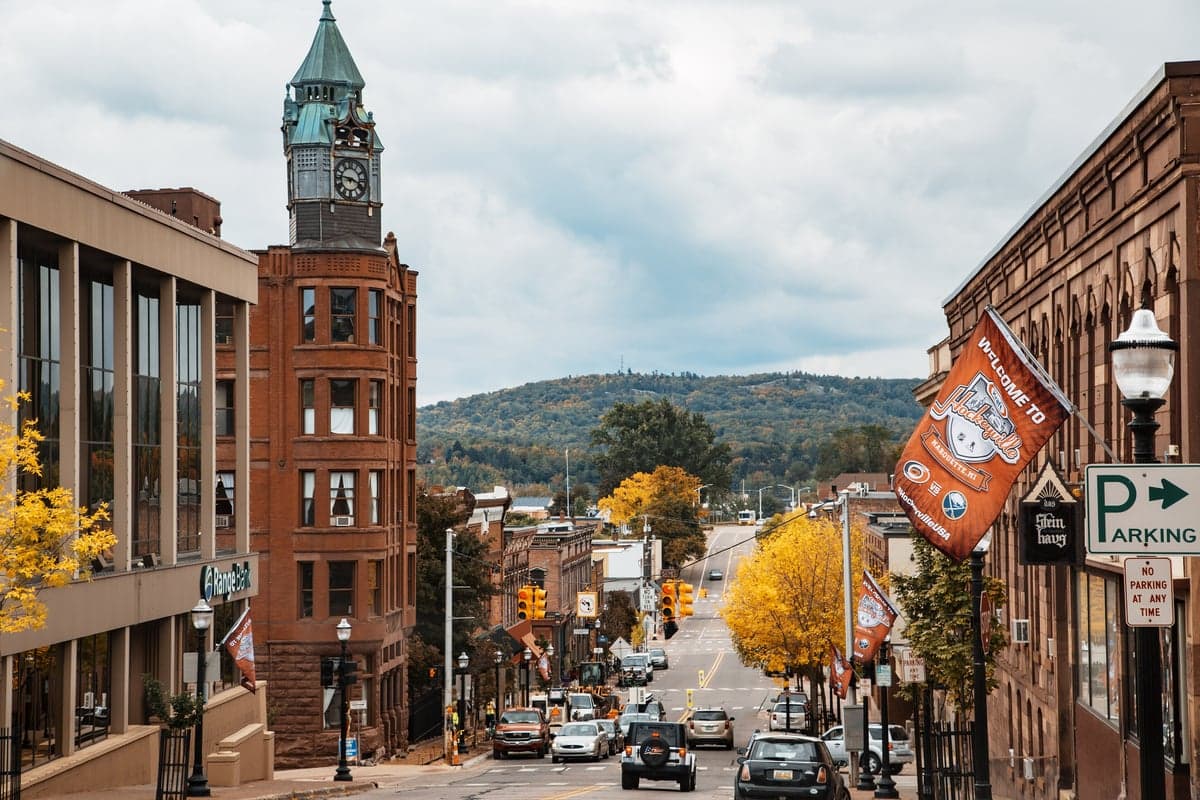
Photo: Wikipedia
Quality of Life in Marquette, MI
A high quality of life with strong walkability, manageable living costs, healthy neighborhood signals, and solid amenity access.
What does Quality of Life tell us?
Quality of Life blends cost of living, nearby amenities, socioeconomic signals, and neighborhood character. City-level scores represent the whole municipality; individual neighborhoods can differ.
What does this tell us?
Quality of Life blends cost of living, nearby amenities, socioeconomic signals, and neighborhood character. City-level scores represent the whole municipality; individual neighborhoods can differ.
Cost of Living
15% below national average
The Real Cost of Living in Marquette, MI for 2026
| Tier | Individual | Family (4) |
|---|---|---|
| Survival | $15k | $29k |
| Comfortable | $49k | $73k |
| Luxury | $101k+ | $156k+ |
| Elite (Top 5%) | $123k+ | $190k+ |
77%
The Area Signal
A metric tracking the socioeconomic signals of the area.
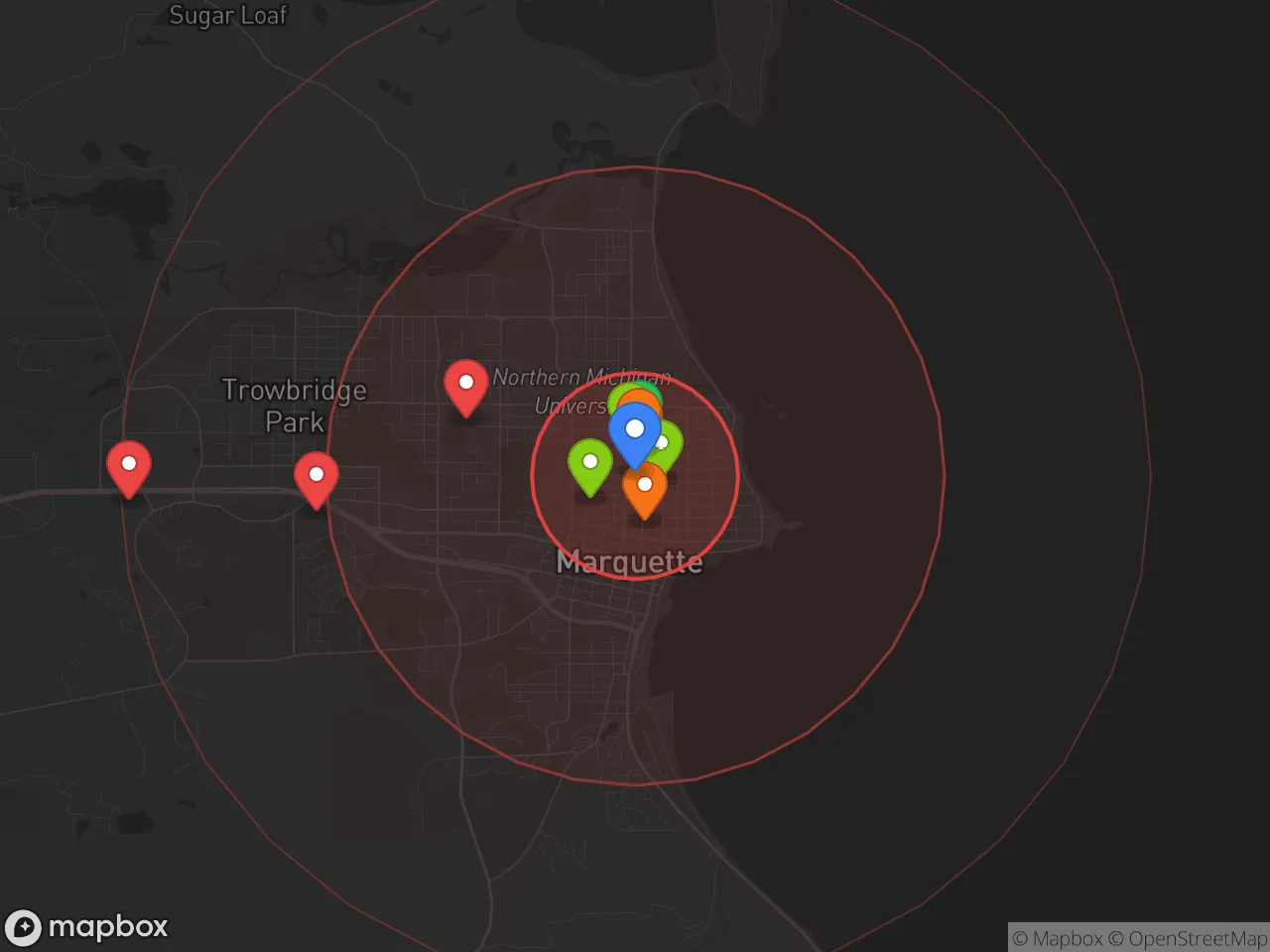
Hobbies
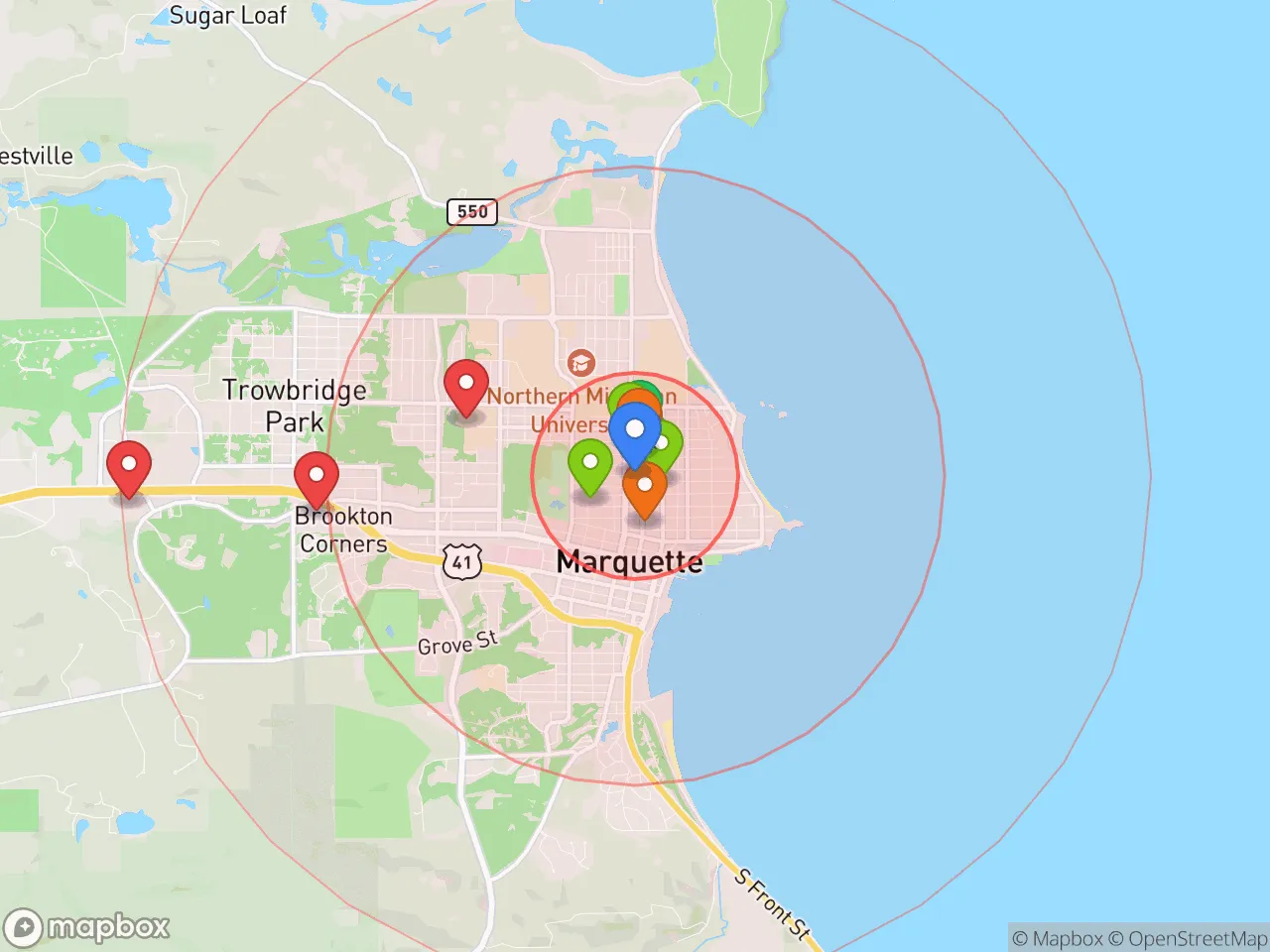
Explore the areaGroceries
0 within 10 miles
Gas
0 within 10 miles
Hospital
0 within 20 miles
Airport
JFK — John F. Kennedy Memorial
Post Office
Critical Amenities
Quality-of-Life Analysis
Marquette, Michigan, presents a distinctive quality-of-life profile where a lower cost of living meets a highly educated, outdoor-oriented population. With a cost-of-living index of 85 (15% below the U.S. average), the city attracts a mix of Northern Michigan University faculty, healthcare professionals from UP Health System, and remote workers drawn to Lake Superior’s shores. The median household income hovers around $48,000, reflecting a community that prioritizes lifestyle over high earnings, with a notable concentration of young professionals and retirees seeking a four-season environment.
Cost of living, housing affordability, and how Marquette compares to nearby towns
Marquette’s housing market remains one of the most accessible in the Upper Peninsula, with a median home value of $254,100 and a median rent of $958—roughly 30% lower than comparable Great Lakes cities like Traverse City. The city’s cost-of-living index of 85 means everyday expenses from groceries to utilities are consistently below national averages, though winter heating costs can spike. Compared to nearby towns like Negaunee or Ishpeming, Marquette commands a premium of about 15-20% for housing, driven by its lakefront location and university presence. The average commute of just 13 minutes is a standout feature, freeing residents from the hour-plus drives common in rural UP communities and allowing more time for recreation or family.
What daily life is like for families, outdoor enthusiasts, and remote workers
Daily life in Marquette revolves around Lake Superior and the surrounding Hiawatha National Forest. The city’s public schools, including Marquette Senior High School and Bothwell Middle School, consistently rank among Michigan’s top 20% for academic performance, with a student-teacher ratio of 18:1. Amenities are concentrated along the Third Street corridor and the downtown area, where independent bookstores, breweries like Blackrocks Brewery, and the Marquette Food Co-op anchor a walkable core. For outdoor enthusiasts, the Noquemanon Trail Network offers over 100 miles of non-motorized trails for mountain biking and cross-country skiing, while Presque Isle Park provides year-round lake access. Remote workers benefit from the city’s municipal fiber-optic network, which delivers gigabit-speed internet—a rarity in the Upper Peninsula—making it feasible to work from home while living minutes from wilderness.
Who thrives in Marquette and what trade-offs to expect
Marquette is best suited for those who value outdoor recreation over urban amenities and can tolerate long, snowy winters (averaging 170 inches of snow annually). The city’s relatively low crime rate—violent crime is about 40% below the national average—and strong sense of community appeal to families and retirees, while the university brings a steady stream of cultural events and a younger demographic. However, the trade-offs are real: retail options are limited compared to larger metros, and the job market outside of healthcare, education, and tourism is thin. Those who thrive here are typically self-sufficient, community-minded, and willing to embrace a slower pace of life where a 13-minute commute and a Lake Superior sunset are daily rewards.

Crime in Marquette, MI
Lower crime rates than 90% of comparable U.S. locations.
Violent CrimeViolent Crime Analysis
Property CrimeProperty Crime Analysis
Crime Analysis
Marquette, Michigan, presents a mixed safety profile for potential residents. The city’s violent crime rate of 177 incidents per 100,000 residents is notably lower than the national average, while its property crime rate of 490.3 per 100,000 sits close to the national median. However, the broader context of Michigan’s Upper Peninsula and the local justice system’s ideological leanings warrant a closer look, particularly for those concerned about progressive criminal justice policies that may prioritize offender rehabilitation over public safety.
Crime in context
Compared to national figures, Marquette’s violent crime rate is roughly 50% lower than the U.S. average of approximately 380 per 100,000, placing it among safer small cities for violent offenses. Property crime, however, is a more significant concern. At 490.3 per 100,000, it is slightly above the Michigan state average of around 450 per 100,000 and aligns closely with the national rate of about 500 per 100,000. This means residents face a moderate risk of theft, burglary, and vehicle break-ins, particularly in areas with high foot traffic or near the university. It is important to note that Marquette County, like many in the Upper Peninsula, has a history of electing progressive judges and district attorneys who often emphasize restorative justice and alternative sentencing. While these policies aim to reduce recidivism, critics argue they can result in shorter sentences and more offenders remaining on the street, potentially undermining deterrence and victim justice.
What residents experience
Daily life in Marquette is generally peaceful, but property crime is the most common safety issue residents encounter. Car break-ins and theft from unlocked porches or garages are frequently reported, especially near downtown and the Northern Michigan University campus. Violent crime is rare and typically isolated to domestic incidents or disputes among known individuals, meaning random attacks on strangers are uncommon. However, the progressive judicial philosophy in the region—which often favors treatment over incarceration for drug-related and non-violent offenses—has led to concerns about repeat offenders cycling through the system. Residents should be aware that this approach, while well-intentioned, can create a perception of leniency that may embolden some criminals and leave victims feeling underserved by the justice system.
Neighborhood-level variation
Safety in Marquette varies noticeably by neighborhood. The downtown core and areas immediately surrounding NMU see higher rates of property crime, including bicycle theft and vandalism. The more residential, family-oriented neighborhoods on the city’s south side (e.g., near Presque Isle Park) and the outlying areas of Harvey and Sands Township report significantly lower crime rates. For those prioritizing safety, choosing a home in these quieter, less transient areas is advisable. Regardless of location, standard precautions—locking vehicles, securing sheds, and using outdoor lighting—are strongly recommended to mitigate the property crime risk that defines Marquette’s safety landscape.
* Values derived from national, state, county, city and local statistics and may differ in a specific area. Last updated: 2026-06-16T09:16:45.000Z
Narrative content on this page is AI-generated and may contain mistakes. Verify any details that matter before acting on them.
ReloMaps may earn a commission from affiliate links at no extra cost to you.

