Photo: Wikipedia
Find The Best Places To Live
in Muskegon
PRO TIP! You can paste a Zillow or Redfin link to get info on that property.
What It's Like Living in Muskegon, MI
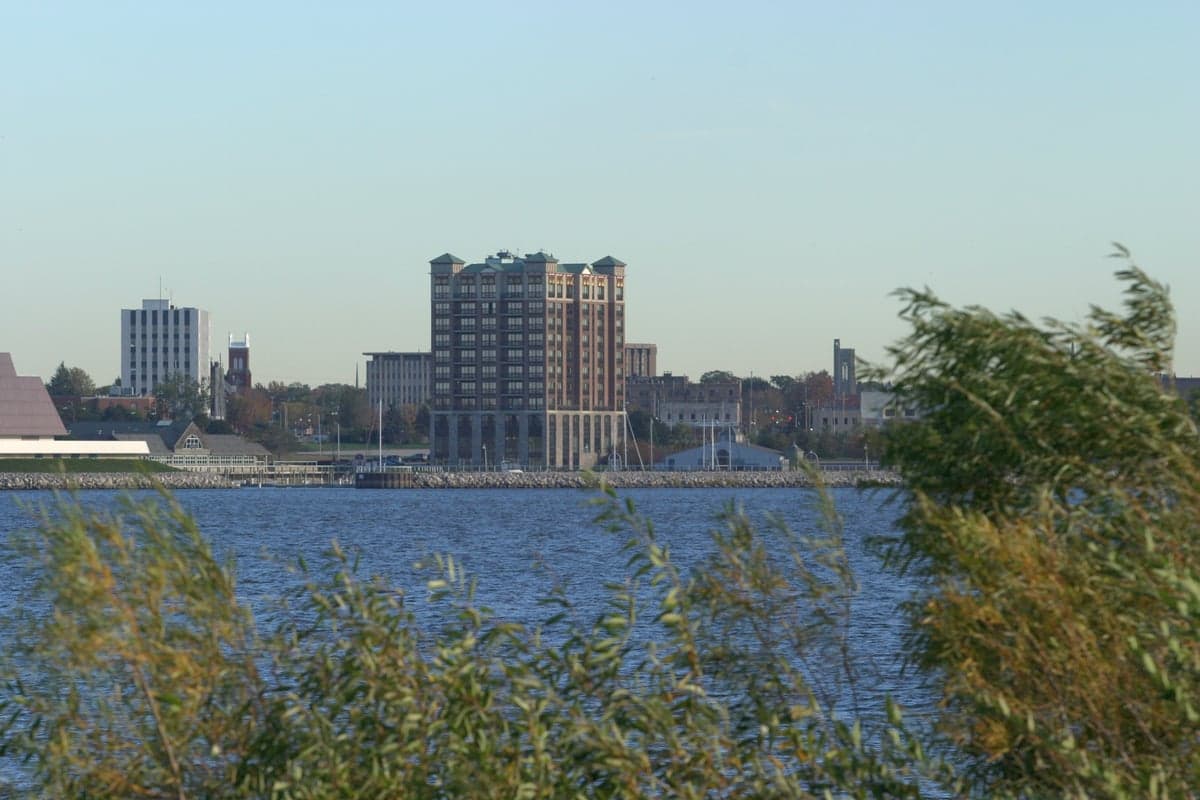
Muskegon feels like a Great Lakes town that’s been through a few hard knocks but is figuring out its next act. You get the sense people here are proud of the shoreline and the working-class grit that built the place, even as the old factory jobs have faded. It’s not a polished resort community—it’s a real city where you can still buy a house for $121,800, grab a beer at a brewery that used to be a machine shop, and be on Lake Michigan in ten minutes.
The Daily Rhythm: What People Actually Do
A typical weekday in Muskegon moves at a slower pace than Grand Rapids, which is about 45 minutes east. The average commute is just under 21 minutes, so most people aren’t spending hours in traffic. You’ll see folks grabbing coffee at Unruly Brewing downtown or hitting Hackley Park for a lunch break. Grocery shopping tends to be at Meijer or Family Fare, and weekend mornings often mean a trip to the Muskegon Farmers Market on Western Avenue, where you can get local produce and baked goods from May through October.
After work, the lake is the main draw. Pere Marquette Park has a wide, sandy beach that feels like a mini version of Lake Michigan’s better-known spots, but without the crowds of Saugatuck or Holland. People fish off the pier, launch kayaks at Muskegon Lake, or just sit and watch the freighters. In winter, the same folks bundle up for fat-tire biking on the Muskegon State Park trails or ice fishing. The weather is genuinely gray from November through March—lake-effect clouds are a real thing—so you need to be okay with overcast days and snow that sticks around.
Sports, Festivals, and Where the Town Comes Together
High school sports are a bigger deal here than pro teams. Muskegon High School’s football team is a perennial state contender, and Friday night games at Hackley Stadium draw a crowd that includes grandparents and former players. The Muskegon Lumberjacks (USHL hockey) play at the Mercy Health Arena, and tickets are cheap enough that a family of four can go for under $50. There’s no major pro team in town, but plenty of residents are Lions or Tigers fans who make the occasional drive to Detroit.
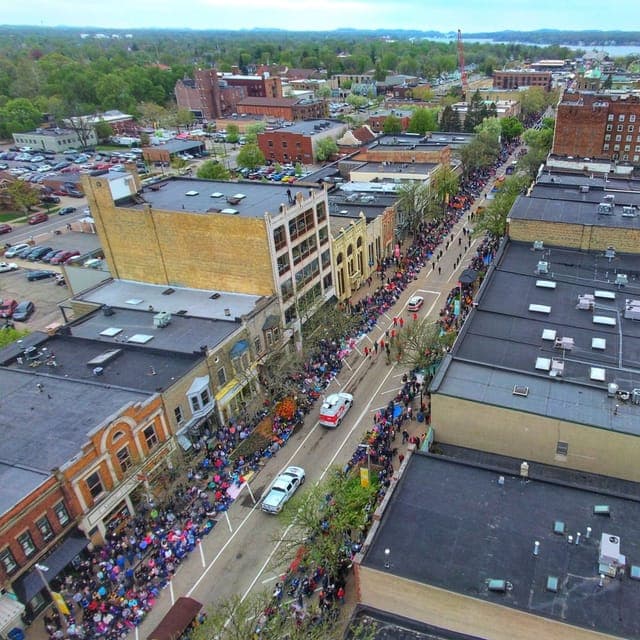
The summer festival calendar is packed. Coast Guard Festival in early August is the biggest event—a week-long celebration with a parade, carnival rides, and a fireworks show over Muskegon Lake that brings in people from all over West Michigan. Muskegon Bike Time draws thousands of motorcycle enthusiasts for a weekend in July. For music, the Muskegon Summer Celebration series brings national acts to Heritage Landing, a waterfront amphitheater that’s a genuinely nice venue for a town this size. If you’re into craft beer, Pigeon Hill Brewing Company and Fetch Brewing Company are local favorites that double as hangout spots for trivia nights and live acoustic sets.
Who Fits In—and Who Might Struggle
Muskegon works best for people who value affordability and outdoor access over nightlife or career ambition. The median household income is $46,342, and the cost of living index is 65—well below the national average. That means a family can live comfortably on a modest salary, especially if they buy a home. The median home value of $121,800 is roughly a third of what you’d pay in Grand Rapids, and you can find decent three-bedroom houses in that range in neighborhoods like Nims or Glenside.
But the trade-offs are real. Only 15.8% of adults have a bachelor’s degree, and the job market leans heavily on manufacturing, healthcare, and retail. Major employers include Mercy Health Muskegon, Howmet Aerospace, and Alcoa. If you work in tech, finance, or professional services, you’re likely commuting to Grand Rapids or working remotely. The violent crime rate is 557.6 per 100,000—higher than the national average—and while much of it is concentrated in specific areas, it’s something families consider when choosing a neighborhood. The schools are a mixed bag: Mona Shores and North Muskegon public schools are well-regarded, while Muskegon Public Schools face the typical challenges of an urban district with a high poverty rate.
Pros and Cons of Living Here
- Pro: Housing is genuinely affordable. You can buy a home for under $130,000 that would cost three times that in many parts of the country.
- Con: The job market is limited. If you lose a manufacturing or healthcare job, the next opportunity might require a 45-minute commute or a move.
- Pro: Lake Michigan access is world-class. Pere Marquette Beach is a Blue Wave-certified beach, and the state park offers hiking, skiing, and camping.
- Con: Crime is a real concern in parts of the city. The violent crime rate is roughly double the national average, and property crime is also elevated.
- Pro: The cost of living leaves room for extras. A family on a $50,000 income can afford a house, a used car, and a vacation to the Upper Peninsula every year.
- Con: Winters are long and gray. The lake-effect cloud cover can make December through February feel relentlessly dim, and seasonal affective disorder is a common topic among locals.
The median age is 36, which suggests a mix of young families and empty-nesters. You don’t see a huge single scene—most social life revolves around existing friend groups, church, or kids’ activities. If you’re a conservative-leaning person who values self-reliance, low taxes, and a slower pace, Muskegon will feel like a natural fit. If you’re looking for a vibrant downtown with high-end dining and a bustling nightlife, you’ll probably find it frustrating. The downtown is improving—new apartments and a Muskegon Museum of Art expansion are underway—but it’s still a place where the biggest social event of the year is a Coast Guard parade, not a gallery opening.

Similar towns to Muskegon


* Values derived from national, state, county, city and local statistics and may differ in a specific area. Last updated: 2026-04-19T20:55:08.000Z
Narrative content on this page is AI-generated and may contain mistakes. Verify any details that matter before acting on them.
ReloMaps may earn a commission from affiliate links at no extra cost to you.

