Photo: Wikipedia
Find The Best Places To Live in Kalamazoo County
PRO TIP! You can paste a Zillow or Redfin link to get info on that property.
Best Places to Live in Kalamazoo County

Cities & Towns in Kalamazoo County
Cities in Kalamazoo County
What It's Like Living in Kalamazoo County, MI
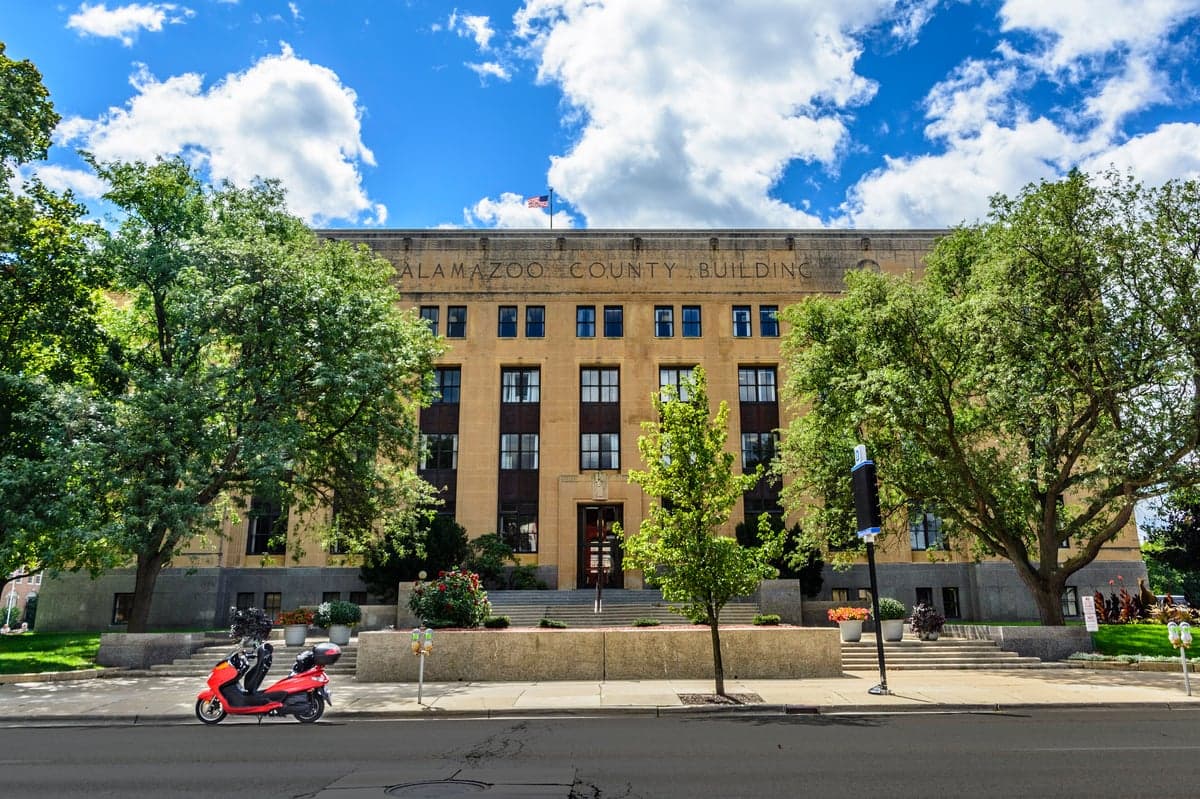
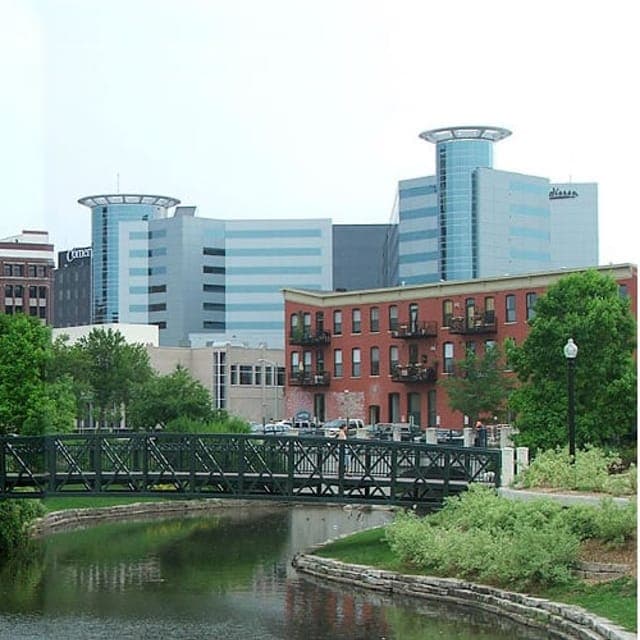
Living in Kalamazoo County means straddling two worlds: the energy of a mid-sized college town and the quiet of farmland and small villages. You get the craft breweries and indie bookstores of Kalamazoo proper, but drive ten minutes out and you’re in Oshtemo Township watching corn grow or catching a Friday-night game at Portage Central. It’s a place where people stay because the cost of living actually makes sense — a median home value of $227,500 and a cost of living index of 86 mean your dollar goes further than in most of the country — and where the biggest complaint is often that there’s “too much to do on a weekend.”
The Daily Rhythm: Work, Commute, and Where You Actually Spend Time
Most people here work in healthcare, education, or manufacturing. Pfizer and Stryker are the big private employers, while Western Michigan University and Kalamazoo College anchor the academic side. The average commute is just over 20 minutes, which means you can live in a rural spot like Climax Township or Scotts and still be downtown for a show at Bell’s Eccentric Cafe in under half an hour. Shopping is practical: you hit the Crossroads Mall in Portage for big-box needs, but locals swear by the Kalamazoo Farmers Market on Saturday mornings for produce and baked goods. Weekends often revolve around kids’ soccer games in Vicksburg or a hike at the Kalamazoo Nature Center — and in winter, everyone heads to Timber Ridge Ski Area for tubing or a few runs.
The median age here is 34.9, which is younger than the state average, and about 40% of adults hold a college degree. That shapes the social scene: you’ll find trivia nights at breweries like One Well Brewing, open-mic poetry at the Kalamazoo Institute of Arts, and a surprising number of young families pushing strollers through the Arcadia Creek Festival Place. The kind of person who fits in is someone who wants a real community — not a transient rental market — and is okay with a slower pace than Grand Rapids or Ann Arbor.
Sports, Community, and the Things That Bring People Together
High school football is a genuine cultural force here. Portage Central and Portage Northern have a rivalry that fills stands on both sides, and Kalamazoo Central’s basketball program has produced Division I talent. On the college side, Western Michigan University’s Broncos draw decent crowds for MAC football and hockey — games at Waldo Stadium are a cheap, fun Friday night. There’s no major pro team, but people adopt the Detroit Lions or Tigers by default, and you’ll see plenty of maize-and-blue on Saturdays for Michigan games.
Festivals are a big deal. The Kalamazoo Greek Festival in June draws thousands for lamb and dancing, while the Kalamazoo Blues Festival brings national acts to Arcadia Creek. The biggest single event is the Kalamazoo County Fair in August — it’s old-school, with 4-H livestock shows and midway rides, and it genuinely feels like the whole county shows up. For quieter weekends, people paddle the Kalamazoo River in a kayak or hit the Kal-Haven Trail for biking. The cultural quirk you notice fast: everyone has an opinion on the best local beer. Bell’s Brewery is the famous export, but locals argue that One Well or Final Gravity make better everyday pours.
Honest Pros and Cons of Living Here
What longtime residents love:
- Affordability that actually works. A median home value of $227,500 means a teacher or a nurse can buy a decent three-bedroom in Portage or Oshtemo without stretching. Rent is similarly reasonable — a one-bedroom in downtown Kalamazoo runs around $1,000.
- Real seasons. Summers are warm and green, fall is spectacular, and winter brings enough snow for sledding but rarely the lake-effect misery of Muskegon. The average high in July is 82°F; January averages 28°F.
- Community feel. People know their neighbors. The Kalamazoo Promise — a scholarship program for KPS graduates — creates a shared pride in the public schools that you don’t see in many mid-sized cities.
What frustrates people:
- Crime is concentrated but real. The county’s violent crime rate of 414.4 per 100,000 is higher than the national average, and most of that is in a few Kalamazoo neighborhoods. Suburbs like Portage and Texas Township feel very safe, but downtown Kalamazoo has pockets that make some people avoid it after dark.
- Job diversity is limited. If you’re not in healthcare, manufacturing, or education, options thin out. Remote work is growing, but the local economy doesn’t have the tech or finance sectors you’d find in Grand Rapids or Detroit.
- Winter can drag. By March, everyone is tired of gray skies. The seasonal affective disorder is real, and cabin fever hits hard.
Overall, Kalamazoo County works best for people who want a lower-cost, community-oriented life with access to culture and nature, but are willing to trade some career variety and urban energy for it. It’s not a place for nightlife seekers or big-city strivers — but for families and singles who value a real hometown, it’s hard to beat.

* Values derived from national, state, county, city and local statistics and may differ in a specific area. Last updated: 2026-06-15T23:40:36.000Z
Narrative content on this page is AI-generated and may contain mistakes. Verify any details that matter before acting on them.
ReloMaps may earn a commission from affiliate links at no extra cost to you.

