Photo: Wikipedia
Find The Best Places To Live
in Marion
PRO TIP! You can paste a Zillow or Redfin link to get info on that property.
What It's Like Living in Marion, VA
Marion, Virginia, feels like a place where time moves a little slower, but not in a sleepy, forgotten way—more like a deliberate, front-porch rhythm. It’s a town of about 5,694 people tucked into the mountains of Smyth County, where the local high school football game on a Friday night is still the main event, and you’re likely to run into someone you know at the Food City. The vibe is unpretentious and rooted, appealing to folks who value quiet, affordability, and a strong sense of community over the hustle of a bigger city.
The Daily Rhythm: Work, Errands, and Weekend Plans
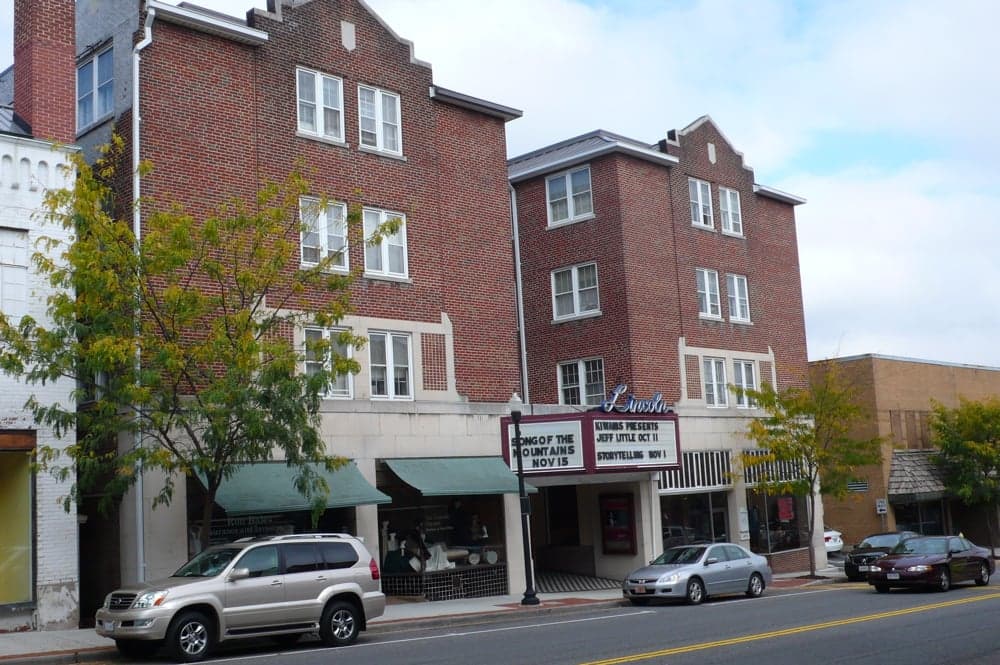
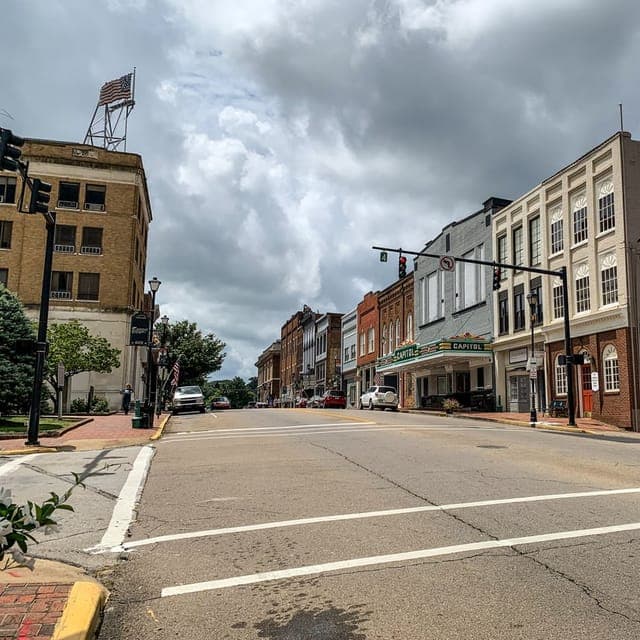
Life here revolves around a slower pace. The average commute is just over 16 minutes, which means most people are home well before the dinner hour. The biggest employers are local manufacturing plants, the school system, and the hospital—Marion is home to the Southwest Virginia Mental Health Institute and the Marion Correctional Treatment Center, which anchor a lot of the local economy. You won’t find a Whole Foods or a Target; shopping means the local Food City, Walmart, and a handful of independent shops on Main Street. Weekends often involve a trip to Hungry Mother State Park (just a few miles away) for hiking or kayaking, or catching a show at the historic Lincoln Theatre, a beautifully restored Art Deco venue that pulls in bluegrass and country acts. The median household income here is $37,357, which is modest, but the cost of living index is a striking 59—well below the national average—so that money goes a lot further than it would in Roanoke or Richmond.
Sports, Community, and the Local Identity
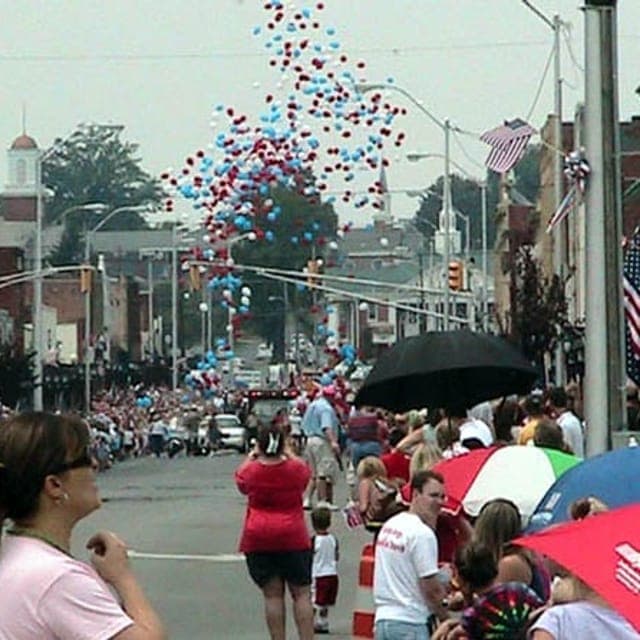
High school sports are a genuine cultural pillar. The Marion Scarlet Hurricanes (football, basketball, and baseball) pack the stands on game nights, and it’s not unusual for the whole town to show up. There’s no college or pro team nearby, so the Hurricanes are the main athletic event, and they’re taken seriously. That said, the community’s identity is also deeply tied to the mountains and the outdoors. The annual Marion Chili Cook-Off (usually in September) is a huge deal, drawing folks from across the region for a day of live music and competitive chili tasting. The town also leans into its Appalachian heritage with the Wayne C. Henderson Music Festival, celebrating traditional guitar craftsmanship and bluegrass. If you’re not into sports or music festivals, you might find yourself at the local dive bar—try Macado’s for a sandwich and a beer, or The Tipsy Tomato for a more relaxed dinner. The cultural quirk here is a fierce local pride: people from Marion are quick to tell you they’re not from “just anywhere” in Virginia—they’re from Marion, and that means something.
What Fits and What Frustrates: The Honest Trade-Offs
The kind of person who thrives here is someone who values affordability and space over career variety or nightlife. The median home value is $160,600, which is remarkably low compared to the national median, and you can actually buy a decent house on a single modest income. It’s a great fit for families who want their kids to grow up in a place where neighbors know each other, and for retirees or remote workers who want a low-cost base with mountain views. But there are real frustrations. The violent crime rate is 377.3 per 100,000—higher than the national average—and while much of it is concentrated in specific areas, it’s a concern that comes up in local conversations. The median age is 44.2, which skews older, and only 22.5% of adults have a college degree, so if you’re looking for a young, highly educated social scene, you might feel a bit isolated. Job opportunities outside of healthcare, corrections, and manufacturing are limited, and the nearest city with real career options (like Roanoke or Bristol) is a 45-minute to hour-long drive. Traffic is essentially nonexistent—you’ll rarely wait more than one light cycle at the main intersection on Main Street.
Weather, Seasons, and the School System’s Role
The weather is classic mountain four-seasons: summers are warm and humid but not oppressive, winters bring occasional snow that shuts down the town for a day or two, and fall is spectacular with the leaves turning in the surrounding Jefferson National Forest. The school system (Smyth County Public Schools) is a central part of community life—school events are where parents and non-parents alike gather. The schools themselves are decent but not top-tier; if you’re moving here specifically for education, you’ll want to look closely at the specific elementary and middle schools, as performance varies. The seasonal rhythm is predictable: summer means lake trips and festivals, fall is football and foliage, winter is quieter with the occasional snow day, and spring brings a slow thaw and a renewed focus on outdoor projects. It’s a place where you can still have a garden, know your mail carrier’s name, and feel like you’re part of something real—but you have to be okay with driving a bit for a nice dinner or a career move.

Similar small towns to Marion
* Values derived from national, state, county, city and local statistics and may differ in a specific area. Last updated: 2026-10-24T15:51:45.000Z
Narrative content on this page is AI-generated and may contain mistakes. Verify any details that matter before acting on them.
ReloMaps may earn a commission from affiliate links at no extra cost to you.

