Photo: Wikipedia
Find The Best Places To Live
in Forest City
PRO TIP! You can paste a Zillow or Redfin link to get info on that property.
What It's Like Living in Forest City, NC
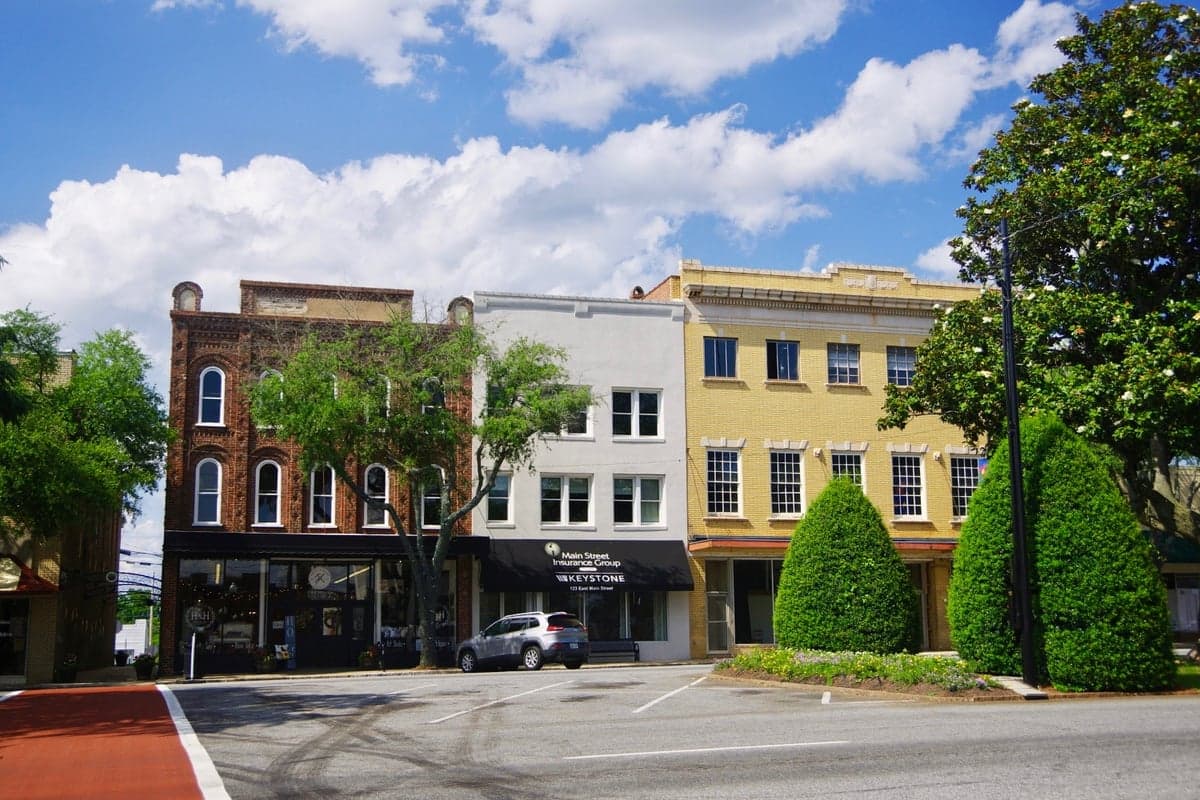
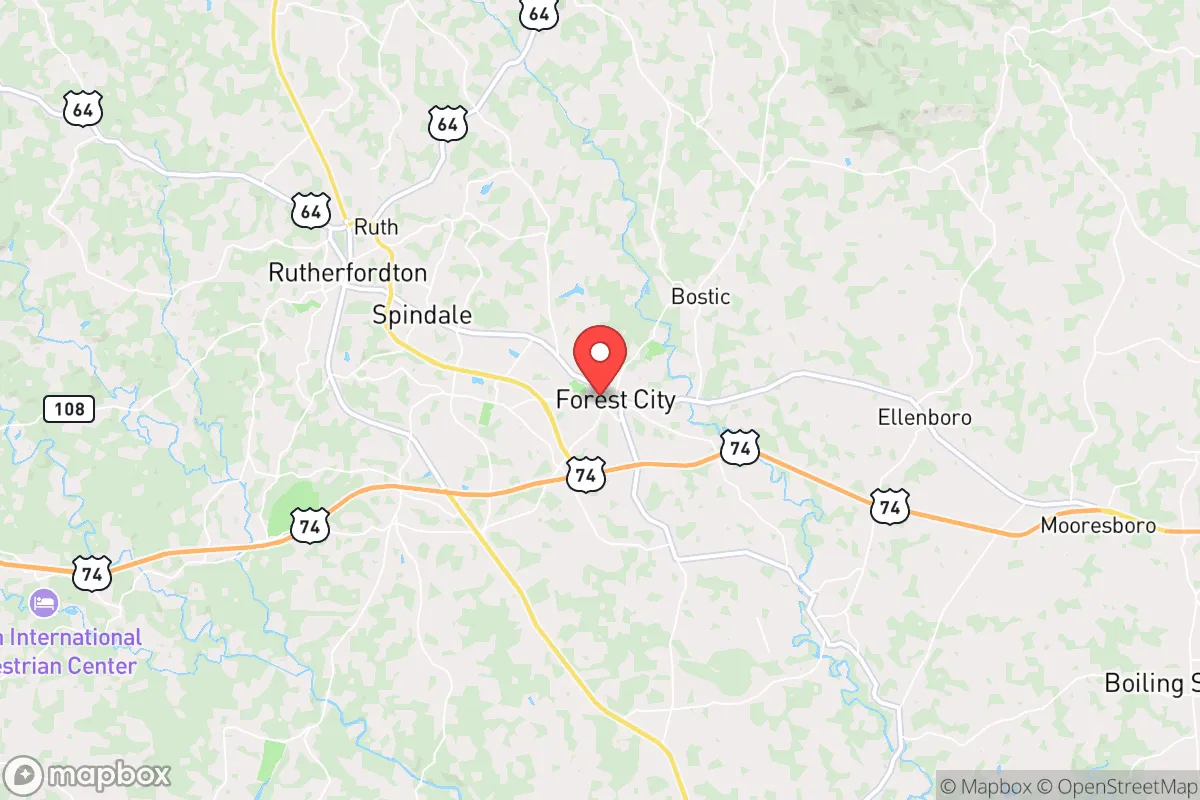
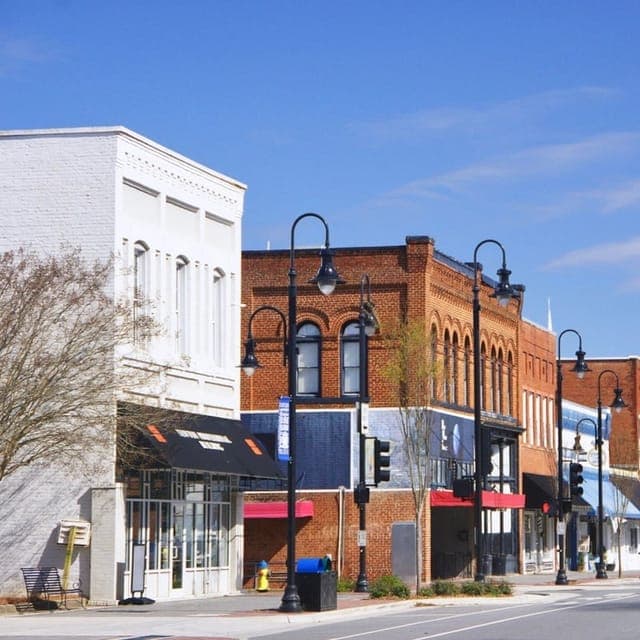
Forest City, North Carolina, feels like a place where people know each other’s names and the biggest decision on a Friday night is whether to catch a game at the high school or grab a plate at a local barbecue joint. With a population just over 7,300, this small town in Rutherford County has a quiet, grounded rhythm that appeals to folks who want a slower pace without being completely cut off from the world. It’s the kind of community where you’ll find a mix of young families, retirees, and people who work in manufacturing or healthcare, all sharing a common appreciation for low costs and genuine neighborliness.
The Daily Rhythm and Who Fits In
Life here moves at a deliberate, unhurried pace. Most mornings, you’ll see people grabbing coffee at a local gas station or diner before heading to work at places like the Rutherford Regional Health System or one of the area’s manufacturing plants. The median income sits around $35,897, which goes a long way here because the cost of living index is a striking 62—nearly 40% below the national average. That low number is the real story: a median home value of $142,100 means a family can actually afford a decent house on a single modest salary. The average commute is about 25 minutes, which is manageable and often scenic, winding through the rolling foothills of the Blue Ridge Mountains.
The kind of person who thrives here is someone who values practicality over pretense. You won’t find a bustling nightlife or a trendy food scene, but you will find neighbors who help each other out and a community where your kids can ride bikes without much worry. The median age is 34.8, which skews a bit younger than many small towns, likely because of the affordable housing drawing in families and younger workers. That said, only about 17.2% of adults hold a college degree, so this isn’t a place full of white-collar transplants—it’s a working-class town where people take pride in hands-on work and self-reliance.
Sports, Community, and What People Actually Do
High school sports are a genuine centerpiece of local life. On a Friday night in the fall, the stands at Chase High School or East Rutherford High School are packed with parents, alumni, and folks who just want to support the kids. Football is king, but basketball and baseball draw solid crowds too. There’s no pro or major college team in town, so the community rallies around its own—and that shared energy is a big part of what binds people together.
Beyond sports, weekends often involve outdoor activities at Morrow Mountain State Park, about a 20-minute drive away, where you can hike, fish, or just enjoy the quiet. In town, the Forest City Owls collegiate summer baseball team plays at McNair Field, offering affordable, family-friendly entertainment from May through July. For food, locals swear by Bridges BBQ for pulled pork and hushpuppies, and El Chapala for reliable Mexican fare. The annual Copperhead 5K and Health Expo and the Rutherford County Fair are highlights, drawing crowds from across the county. If you’re looking for a bar, The Pour House on Main Street is a low-key spot where people catch up over a beer.
Honest Pros and Cons of Living Here
Let’s be straightforward about the upsides and downsides. On the positive side, the cost of living is genuinely freeing. You can stretch a modest income further here than in almost any other part of the country. The community is tight-knit in a way that feels authentic—people look out for each other, and it’s not hard to get involved in local events or church groups. The proximity to the mountains is a bonus; you can be on the Blue Ridge Parkway in under an hour for hiking or leaf-peeping in the fall.
On the flip side, the job market is limited. If you don’t work in healthcare, manufacturing, or retail, you’ll likely face a longer commute to Asheville or Spartanburg for white-collar opportunities. The violent crime rate is 310.6 per 100,000, which is higher than the national average and something to be aware of, though most of it is concentrated in specific areas and property crime is the bigger day-to-day concern. The weather is generally mild, with four distinct seasons—summers are humid and hot, winters are cold but rarely brutal—but the area does see its share of thunderstorms and occasional flooding from the nearby Broad River.
Another honest frustration for some residents is the lack of entertainment variety. There’s no mall, no movie theater, and limited dining options beyond the staples. For a date night or a shopping trip, most people drive 20–30 minutes to Shelby or Spartanburg. That trade-off—quiet, affordable living versus convenience and amenities—is the central question anyone considering a move here has to answer for themselves.

Similar small towns to Forest City
* Values derived from national, state, county, city and local statistics and may differ in a specific area. Last updated: 2026-09-30T19:36:50.000Z
Narrative content on this page is AI-generated and may contain mistakes. Verify any details that matter before acting on them.
ReloMaps may earn a commission from affiliate links at no extra cost to you.

