Photo: Wikipedia
Quality of Life in Marion, VA
A high quality of life with strong walkability, manageable living costs, healthy neighborhood signals, and solid amenity access.
What does Quality of Life tell us?
Quality of Life blends cost of living, nearby amenities, socioeconomic signals, and neighborhood character. City-level scores represent the whole municipality; individual neighborhoods can differ.
What does this tell us?
Quality of Life blends cost of living, nearby amenities, socioeconomic signals, and neighborhood character. City-level scores represent the whole municipality; individual neighborhoods can differ.
Cost of Living
41% below national average
The Real Cost of Living in Marion, VA for 2026
| Tier | Individual | Family (4) |
|---|---|---|
| Survival | $11k | $21k |
| Comfortable | $31k | $46k |
| Luxury | $67k+ | $105k+ |
| Elite (Top 5%) | $121k+ | $188k+ |
81%
The Area Signal
A metric tracking the socioeconomic signals of the area.
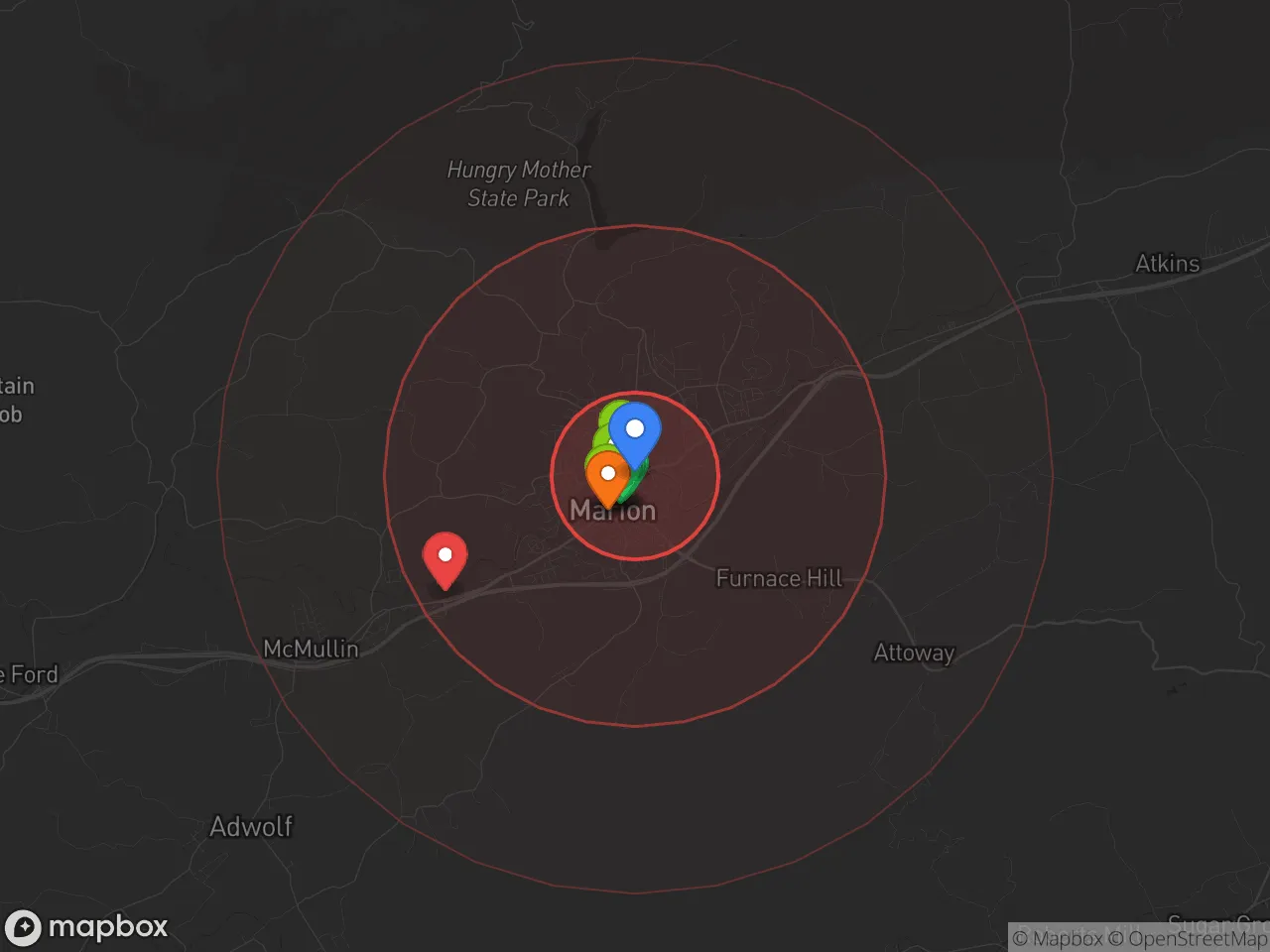
Hobbies
Explore the areaGroceries
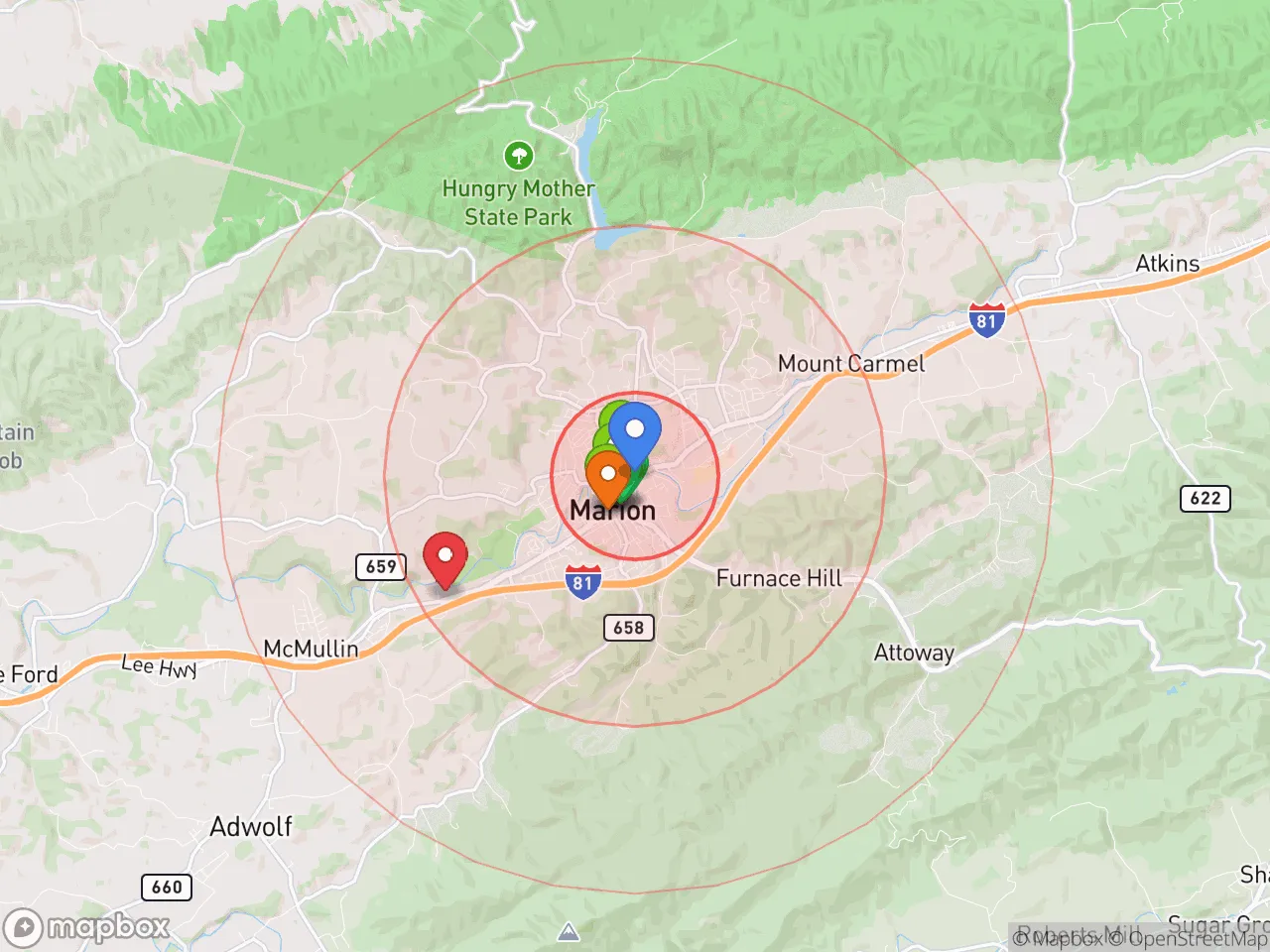
0 within 10 miles
Gas
0 within 10 miles
Hospital
0 within 20 miles
Airport
CLT — Charlotte Douglas International
Post Office
Critical Amenities
Quality-of-Life Analysis
Marion, Virginia, offers a notably affordable quality of life in the heart of the Blue Ridge Mountains, with a cost of living index of 59 (41% below the U.S. average) that attracts a mix of retirees, remote workers, and families seeking a slower pace. The town’s population of roughly 5,700 is characterized by a strong sense of community, with many residents employed in healthcare, education, and local manufacturing, while an increasing number of newcomers are drawn by the area’s outdoor recreation and low housing costs. Marion’s affluence is modest compared to national averages, but the combination of low expenses and a stable, family-oriented environment makes it a practical choice for those prioritizing financial breathing room over urban amenities.
How housing costs and everyday expenses compare to nearby towns
Housing in Marion is a standout value, with a median home value of $160,600 and a median rent of just $696—figures that are roughly half the national median. This affordability is even more pronounced when compared to larger nearby cities like Bristol, TN (median home value ~$210,000) or Roanoke, VA (~$230,000). The average commute of 16.2 minutes is well below the national average of 26 minutes, meaning residents save both time and money on transportation. Everyday expenses like groceries, utilities, and healthcare also track below state and national averages, reinforcing Marion’s appeal for budget-conscious households. However, the trade-off is a limited local job market; many residents commute to Smyth County’s industrial parks or to jobs in Wytheville or Abingdon for higher wages.
What daily life is like for families: schools, amenities, and recreation
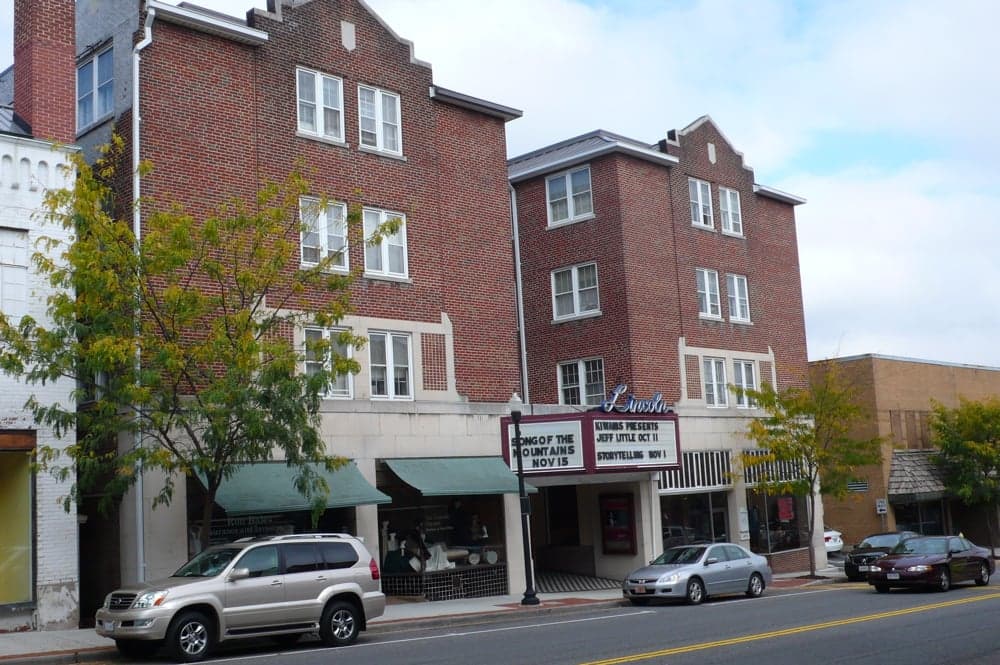
Daily life in Marion revolves around a compact, walkable downtown and easy access to the Jefferson National Forest. The town’s public schools, part of Smyth County Public Schools, include Marion Senior High School and Marion Middle School, which serve around 1,200 students combined and offer solid extracurricular programs. For amenities, residents rely on a modest grocery store, a local hospital (Wythe County Community Hospital is 20 minutes away), and a handful of independent shops and restaurants along Main Street. Outdoor recreation is the primary draw: the Hungry Mother State Park, just 5 minutes from downtown, offers hiking, fishing, and a swimming beach, while the Mount Rogers National Recreation Area provides world-class trails for hiking and horseback riding. Cultural life centers on the Lincoln Theatre, a restored 1929 venue hosting concerts and community events, and the annual Wayne C. Henderson Music Festival. The pace is unhurried, with most errands completed within a 10-minute drive, and weekend trips to the Barter Theatre in Abingdon (25 minutes) or the Virginia Creeper Trail in Damascus (40 minutes) are common.
Marion is best suited for retirees, remote workers, and families who value low costs, outdoor access, and a tight-knit community over urban nightlife or high-end shopping. Those with stable remote income or a job in healthcare, education, or manufacturing will find the affordability freeing, while outdoor enthusiasts will appreciate the immediate proximity to national forest and state park lands. However, career-focused professionals in specialized fields may find the local economy limiting, and the town’s rural setting means fewer dining and entertainment options than in larger Southwest Virginia hubs. For the right person, Marion offers a financially sustainable, nature-rich lifestyle that is increasingly rare in the modern U.S.

Crime in Marion, VA
Lower crime rates than 78% of comparable U.S. locations.
Violent CrimeViolent Crime Analysis
Property CrimeProperty Crime Analysis
Crime Analysis
Marion, Virginia, presents a mixed safety picture for potential residents. The town's violent crime rate of 377.3 incidents per 100,000 residents is notably higher than the national average, while its property crime rate of 1,706.8 per 100,000 sits slightly below the national benchmark. These figures place Marion in a middle tier for safety within Southwest Virginia, where crime patterns are heavily influenced by the region's rural character and economic conditions.
Crime in context
Marion's violent crime rate exceeds the national average of roughly 380 per 100,000 by a narrow margin, but it is significantly higher than the Virginia state average of approximately 200 per 100,000. Property crime in Marion runs about 15% below the national rate of 1,954 per 100,000, though it remains elevated compared to many smaller towns in Smyth County. The town's location along Interstate 81 contributes to some transient crime, particularly vehicle thefts and break-ins at commercial properties near the highway exits. Aggravated assault accounts for the majority of violent incidents, with robbery and rape occurring less frequently.
What residents experience
Residents report that crime is not a constant concern in daily life, but certain patterns are noticeable. Theft from vehicles and minor vandalism are the most common property crimes, particularly in areas near the downtown commercial corridor and around the Marion Marketplace shopping center. Violent incidents tend to be concentrated among individuals who know each other, often tied to domestic disputes or arguments in bars and private residences. Random stranger-on-stranger violence is rare. The Marion Police Department maintains a visible presence, and the Smyth County Sheriff's Office provides backup for serious calls. Community policing efforts include neighborhood watch programs in several subdivisions, though participation varies.
Neighborhood-level variation
Safety conditions vary noticeably across Marion's neighborhoods. The areas around Hungry Mother State Park and the newer subdivisions along Route 16 north of town see very little crime, with most incidents limited to occasional vehicle break-ins. Older neighborhoods near the downtown core and the industrial zones along the railroad tracks experience higher rates of both property and violent crime. The section of town near the intersection of Main Street and Lee Highway has the highest concentration of police calls, driven by a mix of retail theft, disorderly conduct, and occasional fights. Residents in the outlying rural areas of the town's corporate limits report the lowest crime rates, with many going years without any incident. Prospective renters and homebuyers should drive through specific blocks at different times of day and talk to current residents about their experiences before committing to a particular street or apartment complex.
* Values derived from national, state, county, city and local statistics and may differ in a specific area. Last updated: 2026-10-24T15:51:45.000Z
Narrative content on this page is AI-generated and may contain mistakes. Verify any details that matter before acting on them.
ReloMaps may earn a commission from affiliate links at no extra cost to you.

