
Photo: Wikipedia
Quality of Life in Hancock County
A livable area that tracks near national norms for affordability, walkability, and neighborhood health.
What does Quality of Life tell us?
Quality of Life measures an area by evaluating factors like cost of living, nearby amenities, country club access, airport proximity, socioeconomic signals and neighborhood character. For large states, this is a general average — quality of life can vary dramatically between metro areas, suburbs, and rural communities within the same state.
What does this tell us?
Quality of Life measures an area by evaluating factors like cost of living, nearby amenities, country club access, airport proximity, socioeconomic signals and neighborhood character. For large states, this is a general average — quality of life can vary dramatically between metro areas, suburbs, and rural communities within the same state.
Cost of Living
9% below national average
88%
The Real Cost of Living in Hancock County for 2026
| Tier | Individual | Family (4) |
|---|---|---|
| Survival | $16k | $30k |
| Comfortable | $54k | $80k |
| Luxury | $123k+ | $190k+ |
| Elite (Top 5%) | $144k+ | $224k+ |
Quality-of-Life Analysis
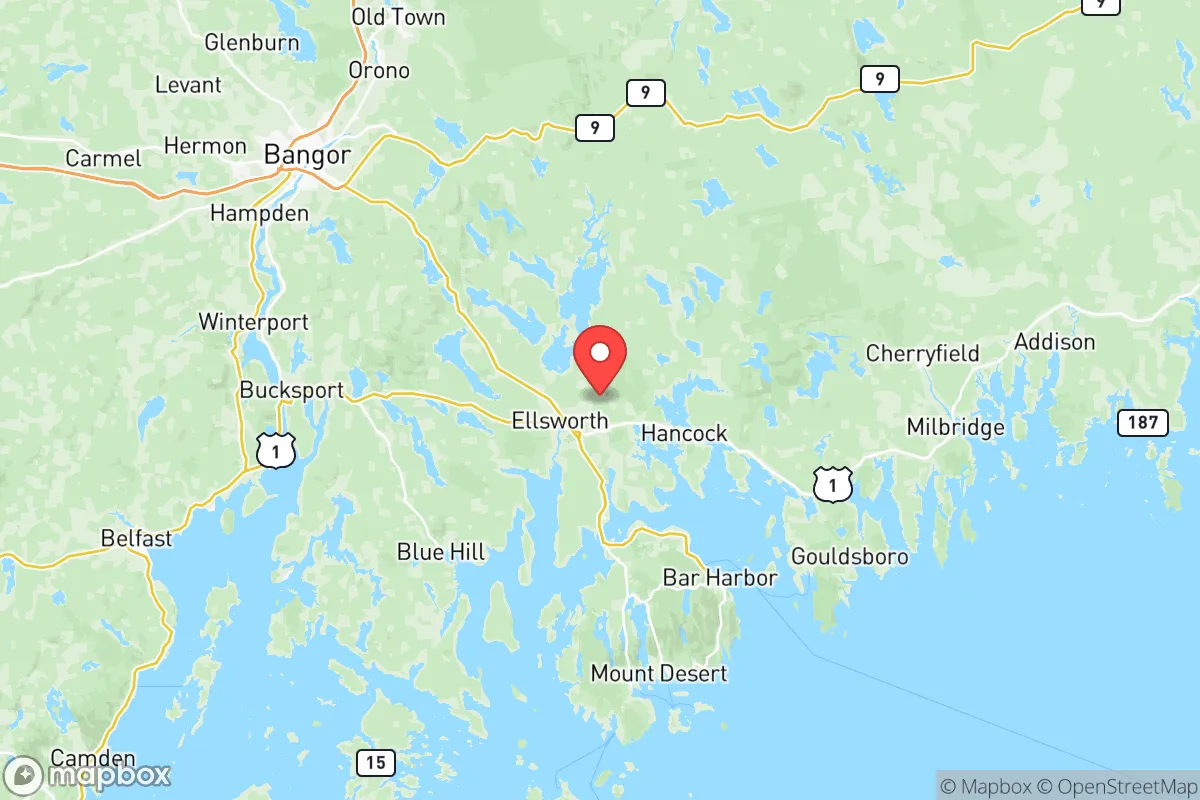
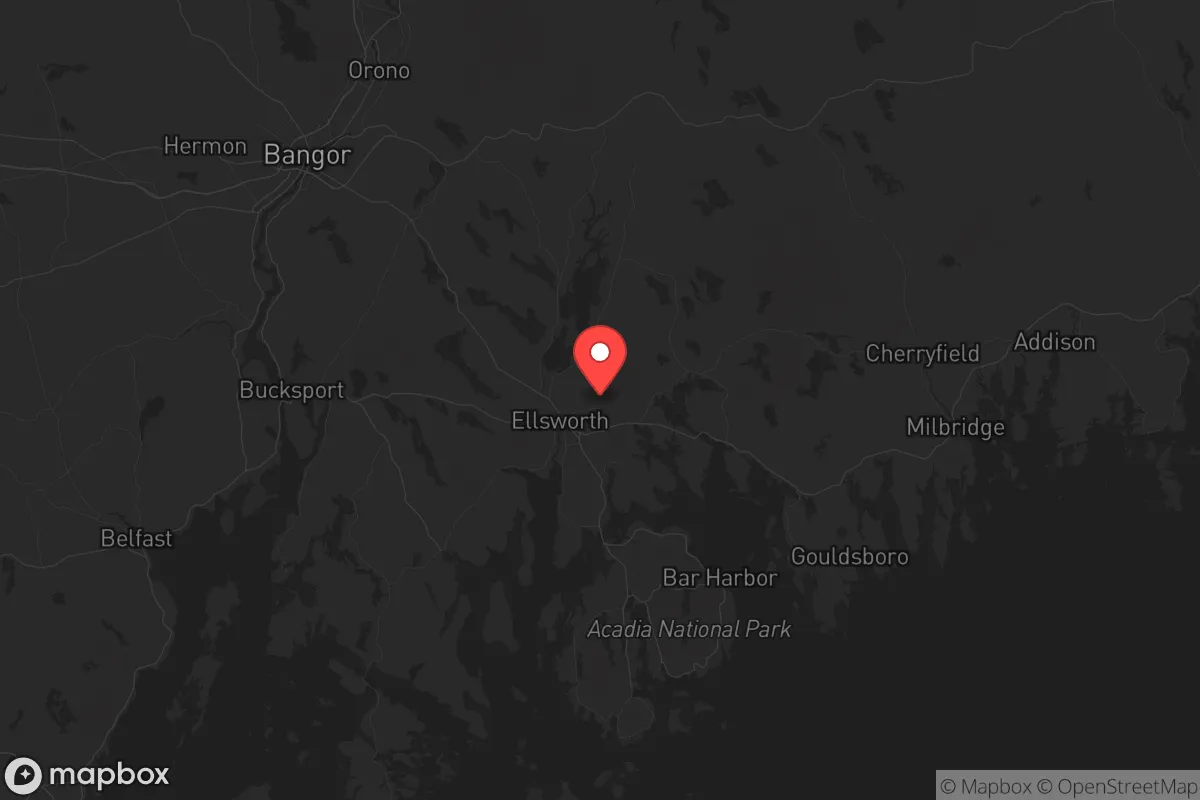
Hancock County, Maine offers a broad spectrum of quality-of-life options, from the bustling coastal tourism hub of Bar Harbor to the quiet, inland unincorporated communities of T28 and T32. The county’s character shifts dramatically between its Atlantic coastline and its forested interior, attracting different types of residents: seasonal workers and retirees in the tourist-heavy towns, remote professionals and artists seeking solitude in the smaller villages, and year-round families looking for affordable land in the rural townships. With a cost-of-living index of 91 (9% below the national average) and a median home value of $278,400, the county provides a range of housing affordability that varies significantly by location.
Largest town(s) & population centers
Ellsworth is the county’s commercial and retail hub, home to the largest concentration of big-box stores, healthcare facilities, and the Hancock County-Bar Harbor Airport. Daily life here is car-dependent, with an average commute of just under 25 minutes, but residents have access to grocery chains, a hospital, and the Ellsworth Public Library. Bar Harbor, the county’s most famous town, is a seasonal tourist magnet adjacent to Acadia National Park. Its year-round population of roughly 5,000 swells dramatically in summer, creating a vibrant but congested downtown with restaurants, galleries, and seasonal service jobs. Housing in Bar Harbor is significantly more expensive than the county median, with many properties listed above $400,000. Trenton and Mount Desert serve as bedroom communities for workers in Ellsworth and Bar Harbor, offering a quieter residential feel with quicker access to the coast.
Smaller towns & rural pockets
Beyond the population centers, Hancock County contains dozens of smaller towns and unincorporated townships that define its rural character. Blue Hill is a notable inland village with a strong arts scene, a regional hospital, and a weekly farmers market, attracting retirees and second-home owners. Deer Isle and Stonington are working waterfront communities on the southern coast, where lobstering and fishing remain primary industries; Stonington’s year-round population hovers around 1,000. Inland, towns like Bucksport (home to a former paper mill site now being redeveloped) and Orland offer lower home prices and larger lots, often with access to freshwater lakes. The unincorporated townships — T28 MD BPP, T32 MD, and Osborn — are sparsely populated, with no municipal services, no stores, and limited road maintenance, appealing to off-grid homesteaders and hunters seeking privacy and low property taxes.
Cost & lifestyle range
The cost-of-living spread across Hancock County is wide. At the high end, Bar Harbor and Mount Desert command median home values well above the county average of $278,400, with many properties exceeding $500,000; median rent in these areas can reach $1,200–$1,500 per month. At the low end, unincorporated townships like T28 and Osborn have median home values under $150,000 and virtually no rental market, but residents must travel 30–45 minutes to Ellsworth for groceries, fuel, and medical care. The county’s median rent of $1,000 is attainable in towns like Ellsworth and Bucksport, where two-bedroom apartments are more common. Lifestyle varies accordingly: coastal residents enjoy walkable village centers, tourism amenities, and ferry access to islands, while inland residents experience quieter, more self-sufficient living with lower housing costs but fewer services. The average commute of 24.8 minutes reflects the county’s moderate size, though residents in the far eastern townships may face longer drives to employment centers.
Hancock County best suits people who value access to both coastal recreation and affordable inland land. Retirees and remote workers with steady incomes often gravitate to Blue Hill or Ellsworth for their mix of services and scenery. Seasonal workers and hospitality professionals find opportunity in Bar Harbor, despite high housing costs. Families and homesteaders seeking low property taxes and privacy are drawn to the unincorporated townships, accepting the trade-off of longer commutes and minimal amenities. The county’s diversity of settings — from tourist-heavy downtowns to nearly roadless forests — means that almost any lifestyle preference can be accommodated, provided the resident is willing to navigate the corresponding trade-offs in cost, convenience, and community density.

Crime in Hancock County
Lower crime rates than 81% of comparable U.S. locations.
Violent CrimeViolent Crime Analysis
Property CrimeProperty Crime Analysis
Crime Analysis
Hancock County, Maine, presents a notably safe environment compared to both state and national averages, with violent crime rates significantly below the national median. The county's overall crime profile is dominated by property offenses, which occur at a rate of 944.9 per 100,000 residents, while violent crime sits at just 93.4 per 100,000. This data, drawn from the most recent FBI Uniform Crime Reporting statistics, positions Hancock County as one of the more secure rural areas in New England, though residents in the county's larger towns should remain vigilant about theft and vandalism.
Crime in context
Hancock County's violent crime rate of 93.4 per 100,000 is roughly one-third the national average of approximately 380 per 100,000, and well below Maine's statewide rate of about 110 per 100,000. Property crime in the county, at 944.9 per 100,000, is also lower than the national figure of roughly 1,950 per 100,000, though it aligns more closely with Maine's statewide average. The county's largest municipality, Ellsworth, serves as the regional commercial hub and naturally sees a higher concentration of reported property crimes, including shoplifting and vehicle break-ins, compared to more rural towns. The Hancock County District Attorney's office, which prosecutes cases across the county, operates within Maine's broader judicial framework, which has not adopted the progressive prosecutorial policies seen in some larger urban jurisdictions. This traditional approach to law enforcement and prosecution contributes to the area's consistently low violent crime figures.
What residents experience
For those living in Hancock County, the primary safety concerns revolve around property crime rather than personal violence. Burglaries and thefts from vehicles are the most commonly reported offenses, particularly in seasonal tourist destinations like Bar Harbor and Mount Desert Island, where the influx of visitors during summer months creates opportunities for opportunistic crime. Year-round residents in communities such as Blue Hill and Deer Isle report very low instances of violent crime, with most law enforcement calls involving minor disturbances, traffic violations, or domestic disputes. The county's rural character means that emergency response times can be longer in remote areas, particularly in the eastern reaches of the county near Cherryfield and the Washington County line. However, the strong sense of community and neighborly watchfulness in these smaller towns acts as a natural deterrent to serious criminal activity.
Neighborhood-level variation
Safety levels vary noticeably between Hancock County's commercial centers and its more isolated communities. Ellsworth, as the county seat and primary retail destination, experiences the highest volume of property crime, with the area around the High Street commercial corridor seeing the most incidents. In contrast, the coastal villages of Castine and Southwest Harbor report some of the lowest crime rates in the county, benefiting from their small populations and limited through-traffic. The unorganized territories and townships in the county's northern and eastern sections, such as Township 10 SD and T22 MD BPP, have virtually no reported crime but also lack local police coverage, relying instead on the Hancock County Sheriff's Office for response. Seasonal population fluctuations significantly impact crime patterns, with summer months seeing a notable uptick in theft-related offenses in tourist-heavy areas while the rest of the county remains exceptionally quiet. Overall, Hancock County offers a safe living environment, particularly for those who take standard precautions against property crime.
* Values derived from national, state, county, city and local statistics and may differ in a specific area. Last updated: 2026-07-10T22:35:32.000Z
Narrative content on this page is AI-generated and may contain mistakes. Verify any details that matter before acting on them.
ReloMaps may earn a commission from affiliate links at no extra cost to you.

