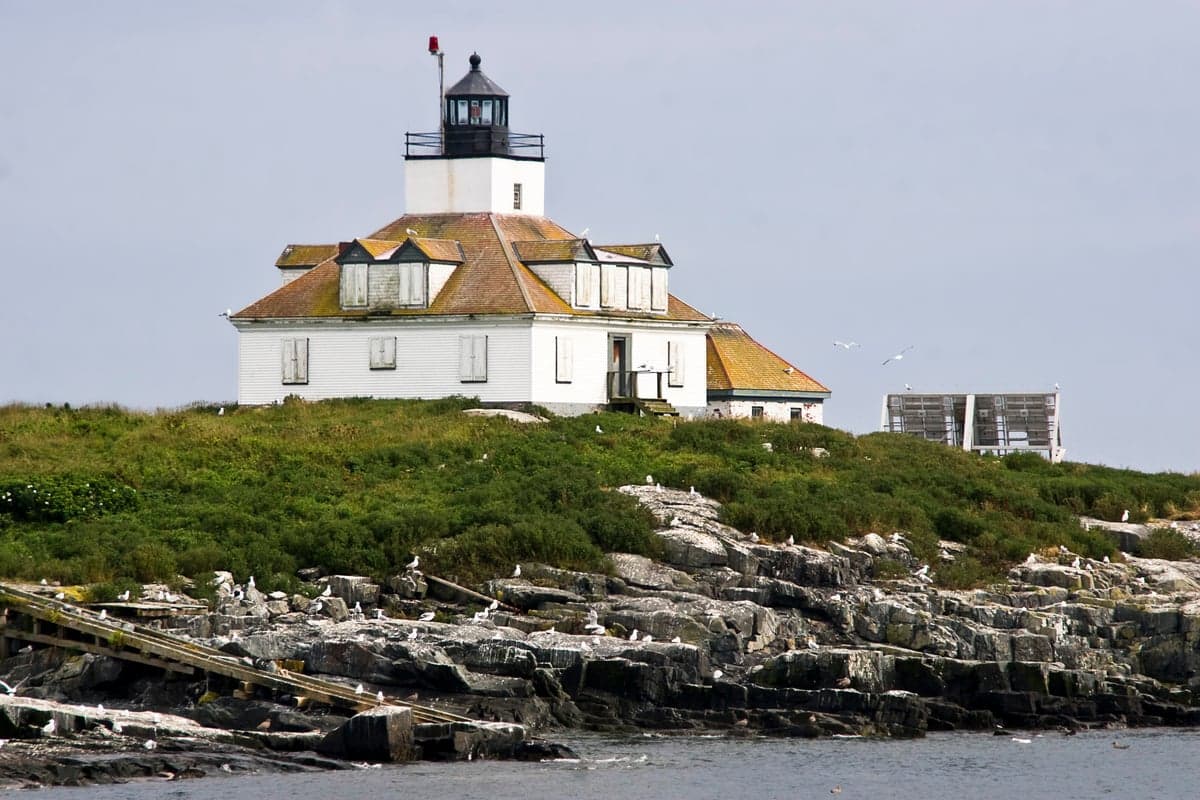
Photo: Wikipedia
Political ClimatePolitical Climate in Hancock County
Showing district-level results — no local-only data available.
Local Political AnalysisPolitical Analysis of Hancock County
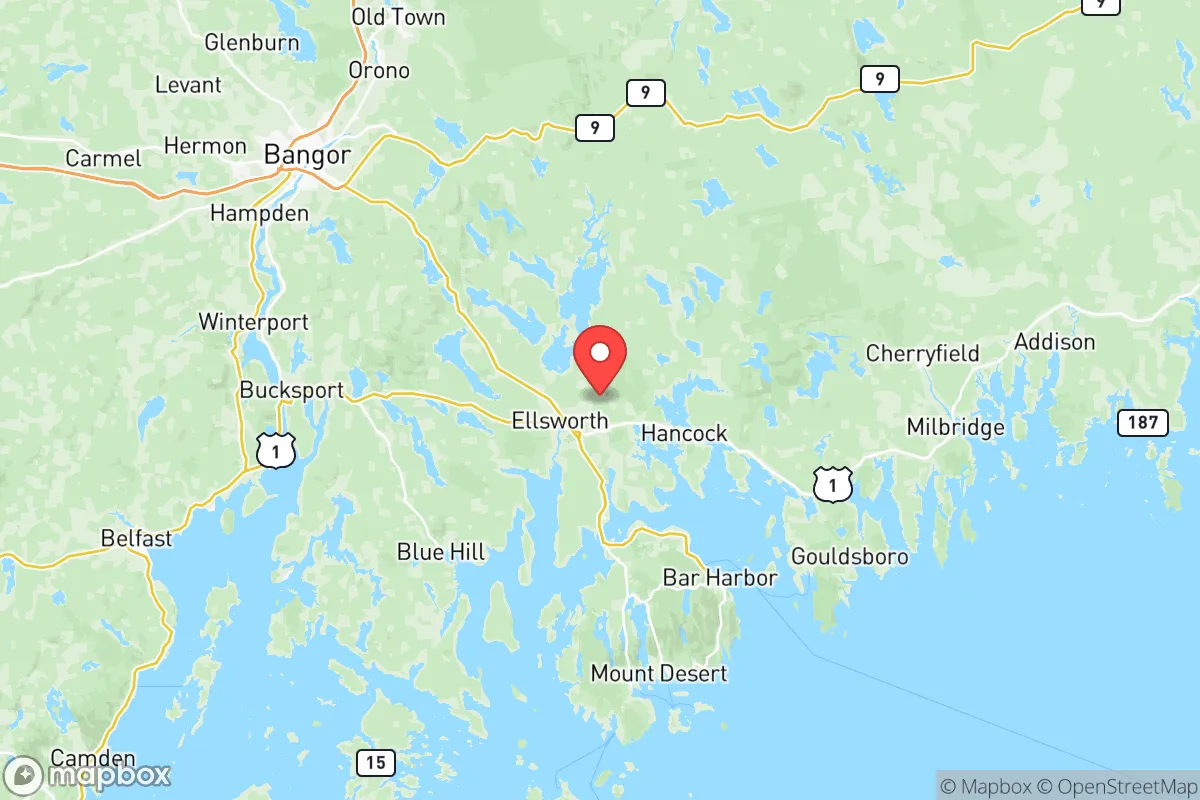
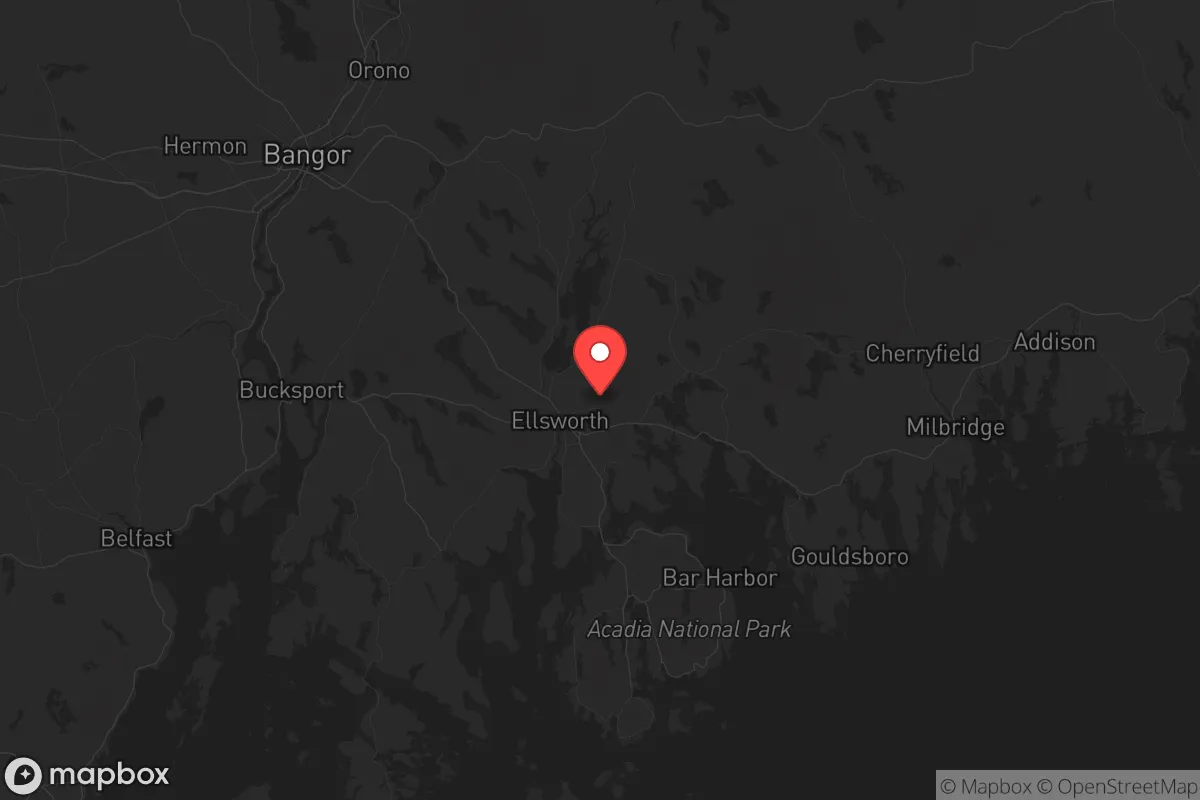
Hancock County, Maine, carries a Cook Partisan Voting Index of R+4, making it a reliably Republican-leaning area in a state that often splits its tickets. But that county-level number hides a lot of local nuance. The political reality here isn't a monolith; it's a patchwork of coastal blue dots and inland red swaths, with a few swing precincts that can flip depending on the year. If you're moving here, you'll find that your day-to-day political experience depends heavily on whether you're in Bar Harbor, Ellsworth, or down in the more rural towns like Cherryfield or Sullivan.
How it compares
Maine as a whole is famously independent and unpredictable, with a strong libertarian streak that shows up in its split presidential votes and its independent governors. Hancock County, though, leans more consistently to the right than the state average. The coastal tourist towns like Bar Harbor and Mount Desert are the notable exceptions—they vote reliably blue, driven by a mix of seasonal residents, service-industry workers, and environmental advocates. In contrast, towns like Ellsworth, the county's commercial hub, are more purple, often swinging between parties depending on the candidate and the turnout. Head inland or east to places like Gouldsboro or Steuben, and you'll find precincts that vote red by wide margins, reflecting a more traditional, resource-based economy tied to fishing, forestry, and small-scale farming. The R+4 rating captures this balance: the blue coastal pockets are real but not large enough to outweigh the redder inland and eastern towns.
What this means for residents
For conservative residents, the county's lean means local offices—county commissioners, sheriffs, and school boards—tend to reflect their values, especially in the more rural precincts. You'll find fewer regulatory hurdles for things like building permits or small business operations, and the tax burden is generally lower than in the more liberal southern part of the state. For liberal residents, especially in Bar Harbor and the island communities, the political climate can feel more isolating, but it's not hostile. The county's independent streak means that pragmatic, non-ideological candidates can still win, and local issues like land conservation, working waterfront access, and tourism management often transcend party lines. The real friction tends to surface around development and environmental regulations, where the coastal blue towns push for stricter controls and the inland red towns push back against what they see as overreach.
Culturally, Hancock County is distinct from the rest of Maine in a few key ways. The presence of Acadia National Park and the associated tourism economy gives the coastal towns a more transient, cosmopolitan feel, while the inland areas remain deeply rooted in the state's traditional Yankee independence. You'll notice that local politics here is less about national culture wars and more about practical, place-based issues: how to balance tourism with quality of life, how to keep the working waterfront viable, and how to manage growth without losing the character that draws people here in the first place. That's the real story of Hancock County—it's a place where your neighbors might disagree on national politics but will still help you pull your car out of a ditch in January.

State Political ClimatePolitical Climate in Maine
State Political AnalysisPolitical Environment in the State
Maine has long been known as a politically independent state, but its overall lean has shifted noticeably leftward over the past two decades. While it voted for Bill Clinton in 1992 and 1996, it backed George W. Bush in 2000, then swung hard for Democrats in every presidential election since 2008, with Joe Biden winning by over 9 points in 2020. The state’s two congressional districts tell a more nuanced story: the 1st District (coastal and southern) is reliably blue, while the 2nd District (northern and rural) has split its electoral vote, going for Trump in 2016 and 2020. For a conservative relocator, the key takeaway is that Maine is not a deep-red state, but its political landscape is far from monolithic — and the rural-urban divide is as sharp as anywhere in New England.
Urban vs. rural divide
The political map of Maine is essentially a story of two regions. The southern coast, anchored by Portland and its suburbs like South Portland and Scarborough, is the state’s Democratic stronghold. These areas drive the blue vote with high turnout and progressive candidates winning by wide margins. In contrast, the vast interior and northern reaches — places like Bangor, Presque Isle, and Caribou — lean Republican, though not as overwhelmingly as similar areas in the South or Midwest. The 2nd Congressional District, which covers most of the state geographically, is a true battleground: it voted for Trump in 2016 and 2020, but also elected a Democrat to the House in 2018 and 2020. The political divide is also visible in smaller towns: Augusta, the capital, is a moderate swing area, while Lewiston and Auburn have become more competitive as immigrant communities grow. For a conservative, the rural areas offer a more traditional, self-reliant culture, but you’ll still be living in a state where the governor and legislature are often controlled by Democrats.
Policy environment
Maine’s policy environment is a mix of progressive and pragmatic elements. The state has a graduated income tax with rates from 5.8% to 7.15%, and a sales tax of 5.5% — moderate by New England standards. Property taxes are relatively high, especially in rural areas where services are spread thin. The regulatory posture leans left: Maine has strict environmental laws, including a ban on large-scale wind energy in certain areas, but also a strong push for renewable energy mandates. Education policy is largely local, but the state has moved toward universal pre-K and increased funding for rural schools. Healthcare is a major issue: Maine expanded Medicaid under the Affordable Care Act in 2019, and the state has a strong public health infrastructure. Election laws are among the most accessible in the country: same-day voter registration, no-excuse absentee voting, and ranked-choice voting for federal and state offices. For a conservative, the tax burden is manageable, but the regulatory and voting environments may feel restrictive.
Recent policy direction
Recent legislation in Maine has moved the state decisively leftward on several fronts. In 2023, the legislature passed a strict gun safety package including a 72-hour waiting period for firearm purchases and a "red flag" law allowing temporary confiscation of firearms from individuals deemed a threat. On education, Maine has expanded parental notification requirements for school curriculum changes, but also passed a law protecting LGBTQ+ students’ rights to participate in sports and use facilities matching their gender identity. On healthcare, the state has codified abortion rights into law and expanded access to reproductive services. On privacy, Maine has one of the strongest data privacy laws in the country, requiring internet service providers to get opt-in consent before selling customer data. On property rights, the state has a strong tradition of local control, but recent environmental regulations have limited development in coastal and forested areas. On voting, ranked-choice voting remains a flashpoint: it was used in the 2020 presidential election for the first time, and efforts to repeal it have failed. For a conservative, the direction is concerning on guns and education, but the state’s independent streak means these policies are not as extreme as in deep-blue states like California or New York.
Civil unrest & political movements
Maine has a relatively low level of visible political unrest compared to larger states, but there are active movements on both sides. The most prominent left-leaning activism centers on climate change and indigenous rights, particularly around the proposed CMP corridor, a transmission line through western Maine that sparked years of protests and legal battles. On the right, the Maine Gun Owners Association and the Maine Republican Party have been vocal against gun control measures, and there have been organized efforts to repeal ranked-choice voting. Immigration politics are less heated than in border states, but there have been tensions in Portland and Lewiston as refugee resettlement has grown. The state has a sanctuary policy for undocumented immigrants, but enforcement is uneven. Election integrity has been a minor issue: Maine’s use of ranked-choice voting has drawn criticism from both parties, but no major fraud allegations have stuck. For a new resident, the political climate is generally civil, but you’ll encounter passionate debates at town halls and local meetings, especially on gun rights and education.
Projection
Over the next 5-10 years, Maine is likely to continue its slow leftward drift, driven by in-migration from southern New England and the growing influence of Portland’s suburbs. The 2nd Congressional District will remain a battleground, but demographic trends favor Democrats as younger, more diverse residents move into areas like Bangor and Waterville. However, the state’s independent streak and strong local control mean that conservative voices will remain influential in rural areas. The biggest wildcard is the state’s aging population: Maine has the oldest median age in the country, and as older residents retire or move, the political balance could shift. For a conservative moving in now, expect to see continued battles over gun rights, education, and taxes, but also a state that values pragmatism and local decision-making. The next decade will likely bring more environmental regulations and expanded social services, but also opportunities for conservatives to organize and influence local politics.
For a conservative relocator, Maine offers a mixed bag: a state with a strong independent tradition, low crime, and beautiful natural surroundings, but also a political environment that is increasingly progressive on social and environmental issues. If you’re moving to a rural area like Caribou or Presque Isle, you’ll find a community that shares many of your values, but you’ll still be subject to state-level policies you may disagree with. If you’re considering Portland or its suburbs, be prepared for a more liberal environment. The bottom line: Maine is not a red state, but it’s not a deep-blue one either. It’s a place where your vote matters, where local politics are accessible, and where you can find like-minded neighbors if you choose your town carefully.
* Values derived from national, state, county, city and local statistics and may differ in a specific area. Last updated: 2026-07-10T22:35:32.000Z
Narrative content on this page is AI-generated and may contain mistakes. Verify any details that matter before acting on them.
ReloMaps may earn a commission from affiliate links at no extra cost to you.

