
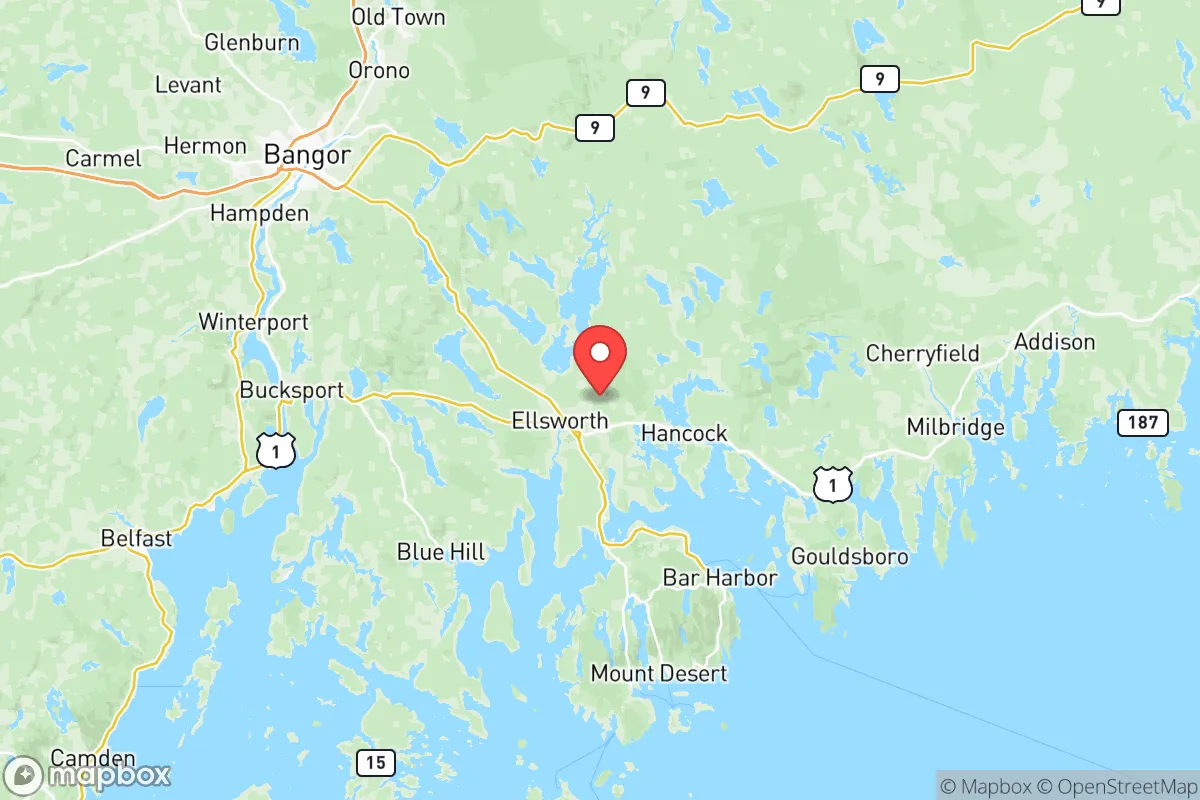
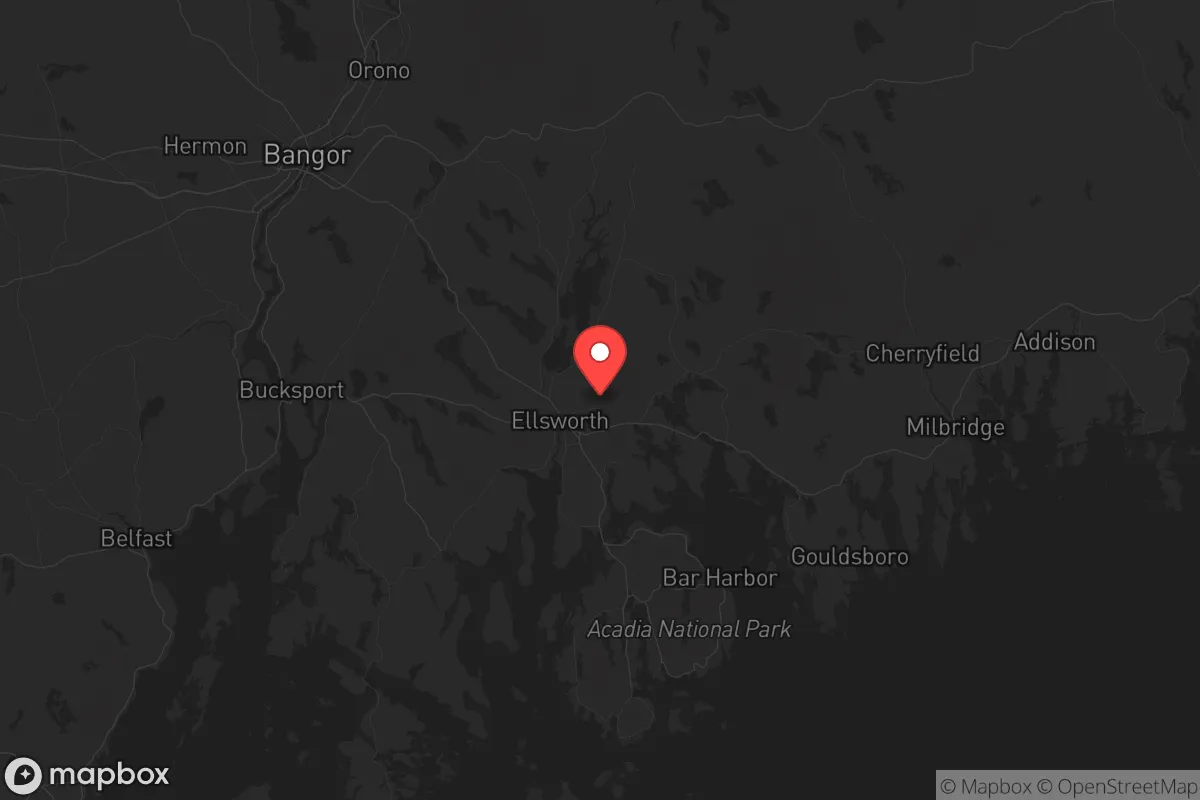
Photo: Wikipedia
Personal Sovereignty in Hancock County
Viable for self-reliance. Generally workable, though some barriers may limit total independence.
What does Personal Sovereignty tell us?
Personal Sovereignty measures your capacity for self-reliance and independence with minimal government friction. Higher scores mean fewer barriers between you and the way you want to live... but it assumes you have the space you need and good neighbors.
What does this tell us?
Personal Sovereignty measures your capacity for self-reliance and independence with minimal government friction. Higher scores mean fewer barriers between you and the way you want to live... but it assumes you have the space you need and good neighbors.
State Policy
Energy independence: Importer (30% of energy produced in-state)
Personal Liberty
Homesteading

Personal Liberty Analysis
Hancock County, Maine offers a notably high degree of personal sovereignty relative to much of the Northeast, combining a light-touch regulatory environment with a deep cultural tradition of self-reliance. While the state of Maine leans left in statewide elections, Hancock County itself is a political bellwether with a strong libertarian streak, particularly in its inland towns and unorganized territories. For individuals and families prioritizing autonomy over convenience, the area presents a compelling balance: low property taxes by regional standards, permissive gun laws, and zoning codes that generally allow for self-sufficient living, though the degree of freedom varies significantly between coastal tourist hubs and the rural interior.
Tax burden and regulatory posture: How Hancock County compares to the rest of New England
Maine's overall tax burden is moderate compared to neighboring New Hampshire but significantly lighter than Massachusetts or New York. Hancock County benefits from Maine's property tax homestead exemption, which shields up to $25,000 of assessed home value for primary residences, and a circuit breaker program that caps property taxes at a percentage of income for qualifying households. The county's mill rates vary widely: Ellsworth, the commercial hub, levies around 18.5 mills, while rural towns like Otis and Mariaville hover near 12-13 mills, reflecting minimal municipal services. Maine has no statewide sales tax on groceries or prescription drugs, and the state income tax is a flat 5.8% on most income. Regulatory posture is generally business-friendly at the county level, but coastal towns like Bar Harbor and Mount Desert impose stricter short-term rental ordinances and building codes tied to the Acadia National Park zone. Inland unorganized territories—such as Township 9 or Franklin—have virtually no local zoning, allowing property owners to build, harvest timber, or operate small-scale enterprises with minimal county oversight.
Self-defense and gun law specifics: What the Second Amendment landscape looks like in Hancock County
Maine is a shall-issue state for concealed carry permits, meaning the sheriff's office in Hancock County must issue a permit to any qualified applicant who passes a background check and completes a safety course. The county sheriff, currently Sheriff Scott Kane, is known for a pro-Second Amendment posture; permit processing times in Ellsworth typically run two to four weeks. Maine also permits constitutional carry (permitless carry) for residents 21 and older who are legally allowed to possess firearms. There is no state-level assault weapons ban, no magazine capacity limit, and no waiting period for firearm purchases. Private sales between individuals do not require a background check, though federal law applies to licensed dealers. Hancock County is home to several active gun clubs and shooting ranges, including the Ellsworth Rifle and Pistol Club and the Lamoine Rod and Gun Club, which offer public membership and host regular competitions. The legal environment for self-defense is favorable: Maine's Castle Doctrine applies to both homes and vehicles, and there is no duty to retreat in any place where the individual is lawfully present.
Self-reliance and homesteading viability: Lot sizes, zoning, and off-grid feasibility
Hancock County's inland and eastern towns are among the most homestead-friendly areas in New England. Minimum lot sizes in unorganized territories and rural townships start at 2 acres for a single-family dwelling, with many parcels available at 5 to 20 acres for under $3,000 per acre. Otis, Mariaville, and Waltham have no municipal building codes, relying instead on the state's minimal plumbing and electrical standards. Off-grid living is entirely feasible: Maine law explicitly allows rainwater collection, composting toilets, and solar panel installation without special permits in most rural zones. The county's Right to Farm ordinance protects agricultural activities from nuisance lawsuits, a critical factor for anyone raising livestock or running a market garden. However, coastal towns like Bar Harbor and Southwest Harbor impose strict shoreland zoning that limits clearing, construction, and septic placement within 250 feet of tidal waters. For those seeking maximum autonomy, the unorganized territories north of Ellsworth—such as Township 8 and Township 10—offer the closest thing to a regulatory vacuum east of the Mississippi.
Personal liberties: Parental rights, medical autonomy, speech, and property
Maine law generally respects parental rights in education, including the ability to homeschool without state-mandated curriculum approval, though parents must file a notice of intent and submit annual assessments. The state has no vaccine mandate for school attendance beyond the standard schedule, and medical autonomy is protected by Maine's informed consent statutes, which require full disclosure of risks before any procedure. Speech protections are robust under both the U.S. and Maine constitutions; the state has no hate speech laws that criminalize expression, and public gatherings on town common areas are generally permitted without permits in smaller communities. Property rights are strong: Maine's eminent domain laws restrict takings to strictly public uses, and the state has no statewide rent control or rent stabilization. In Hancock County, property tax assessments are based on fair market value, and landowners have the right to appeal assessments to the county's Board of Assessment Review. The county's culture of "live and let live" is particularly evident in towns like Bucksport and Orland, where local ordinances are minimal and neighborly disputes are rarely escalated to code enforcement.
Overall, Hancock County ranks among the most sovereignty-friendly areas in New England for those willing to trade coastal amenities for inland freedom. The regulatory posture is lightest in the unorganized territories and rural townships, where property taxes are low, zoning is absent, and off-grid living is straightforward. Coastal towns impose more restrictions, but even there, the county's gun laws, homestead exemptions, and parental rights protections remain consistent with state law. For a conservative-leaning individual or family seeking a place where personal autonomy is respected rather than managed, Hancock County offers a rare combination of low taxes, permissive self-defense laws, and genuine homesteading viability that is increasingly hard to find in the Northeast corridor.

* Values derived from national, state, county, city and local statistics and may differ in a specific area. Last updated: 2026-07-10T22:35:32.000Z
Narrative content on this page is AI-generated and may contain mistakes. Verify any details that matter before acting on them.
ReloMaps may earn a commission from affiliate links at no extra cost to you.

