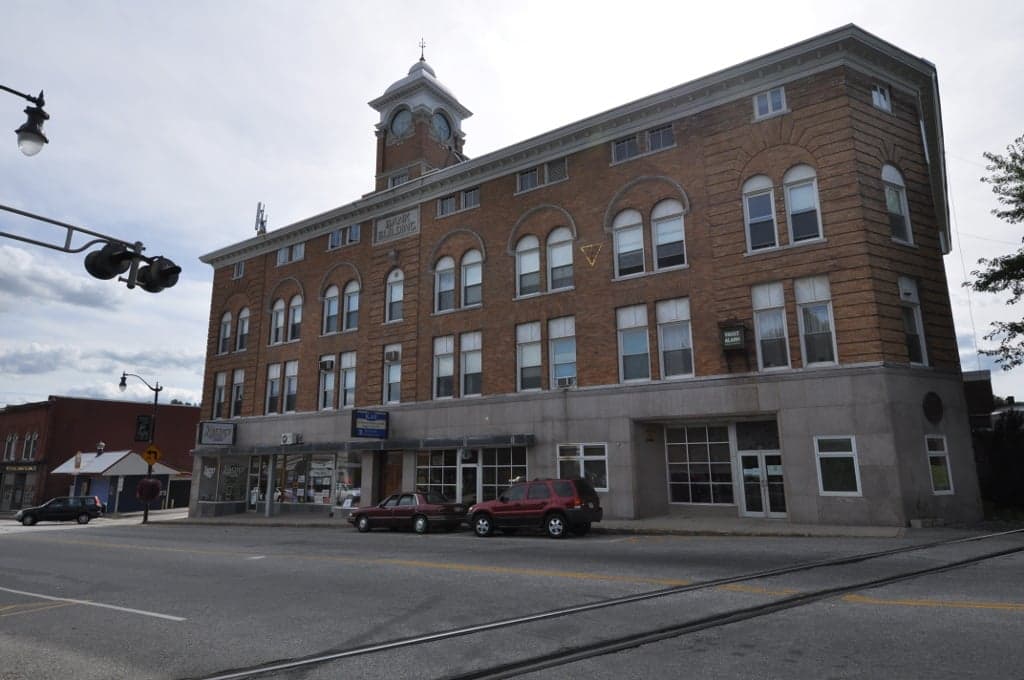
Photo: Wikipedia
Find The Best Places To Live
in Livermore Falls
PRO TIP! You can paste a Zillow or Redfin link to get info on that property.
Compare Livermore Falls with another place
What It's Like Living in Livermore Falls, ME
Livermore Falls is the kind of place where you wave at the same people at the post office and the gas station, and where the Androscoggin River isn’t just a backdrop—it’s the town’s heartbeat. With about 1,250 residents, this small Franklin County community feels less like a suburb and more like a quiet outpost where folks know your truck before they know your name. It’s a working-class town with a proud, independent streak, and life here moves at a pace that lets you actually breathe.
The Daily Rhythm: Simple, Self-Reliant, and River-Centric
Most weekdays in Livermore Falls start early. People here work in trades, at local mills, or commute to larger employers in nearby Jay (home to the Androscoggin Energy Center) or even Lewiston-Auburn, about 30 minutes south. The average commute clocks in around 25 minutes—long enough to listen to a podcast, short enough that you’re not burning a tank of gas every week. The median household income sits at $34,091, which is modest, but the cost of living index of 75 (well below the national 100) means that dollar stretches further than it would in Portland or even Augusta.
Weekends are for practical pleasures. You’ll see folks at the local IGA grabbing supplies, or at Dexter’s Variety for a coffee and a chat. The river is the main draw—kayaking, fishing for smallmouth bass, or just sitting on the bank near the old Livermore Falls dam. In winter, the rhythm shifts to snowmobiling and ice fishing on nearby lakes like Androscoggin Lake. There’s no mall, no chain movie theater, and that’s exactly how most residents like it.
Sports, Community, and the High School as a Hub
If you want to understand Livermore Falls, look no further than the Livermore Falls High School Andies. Friday night football games in the fall are a genuine community event—not just for families with kids, but for retirees, local business owners, and anyone who wants to catch up. Basketball season draws a similar crowd, and the gym gets loud in a way that feels like a throwback to small-town America. There are no pro sports teams within an hour, but that doesn’t matter; the Andies are the main event, and their games are where you’ll meet half the town.
The school itself is a cornerstone. With a student body that’s small enough that teachers know every kid by name, it’s the kind of place where parent-teacher conferences are more like check-ins with a neighbor. The median age here is 38.5, so you’ve got a mix of young families and empty-nesters, and the school’s events—plays, band concerts, fundraisers—are the social calendar.
What’s There to Do: Festivals, Bars, and the Outdoors
Entertainment is low-key but genuine. The Livermore Falls River Festival in summer is the biggest annual event—think craft vendors, a parade, live music, and enough fried dough to feed a small army. It’s the one weekend when the town’s population effectively doubles. For a drink, The Falls Pub is the local watering hole, where you can grab a beer and hear stories about the mill days or the year the river flooded. There’s also Bub’s Pub in nearby Jay for a solid burger and pool table.
Outdoor recreation is the real draw. The Androscoggin Riverlands State Park is just north, offering hiking trails and river access. In winter, the snowmobile trails connect to a statewide network that stretches for hundreds of miles. Hunters and anglers find plenty of public land nearby. The trade-off? You’ll drive 20 minutes for a sit-down restaurant that isn’t a pub, and 45 minutes for a movie theater or a concert.
Pros and Cons of Living Here
- Pro: Genuine affordability. The median home value is $232,000, and with a cost of living 25% below the national average, a modest income goes a long way. You can buy a fixer-upper with a yard and a river view for what a studio apartment costs in Portland.
- Pro: Low crime, real community. The violent crime rate is 93.7 per 100,000—well below the national average. People leave their doors unlocked, and if you need help, a neighbor shows up before the cops do.
- Con: Limited job market and amenities. Only 17.3% of adults hold a college degree, and the local economy leans heavily on manufacturing and trades. If you’re a remote worker or a retiree, you’ll love it; if you’re looking for white-collar work, you’re commuting.
- Con: Winters are long and real. Snow starts in November and can stick through April. The river valley gets cold, and cabin fever is a thing. You need to like winter sports or at least tolerate shoveling.
Who Fits In—and Who Might Not
Livermore Falls is a good fit for people who value privacy, space, and self-sufficiency. It’s not for someone who needs nightlife, a Whole Foods, or a vibrant dating scene. The typical resident is a tradesperson, a remote worker who wants land, or a retiree who wants quiet. Politically, the area leans conservative—Maine’s 2nd Congressional District is reliably red—and the culture is “live and let live” with a strong DIY ethic. If you’re handy, friendly, and don’t mind driving for a big-box store, you’ll do fine here. If you need constant stimulation or a diverse social scene, you’ll feel the isolation.

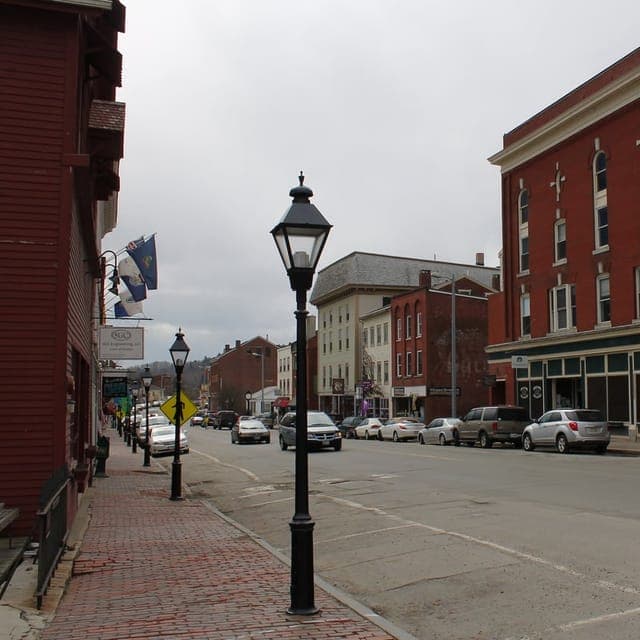
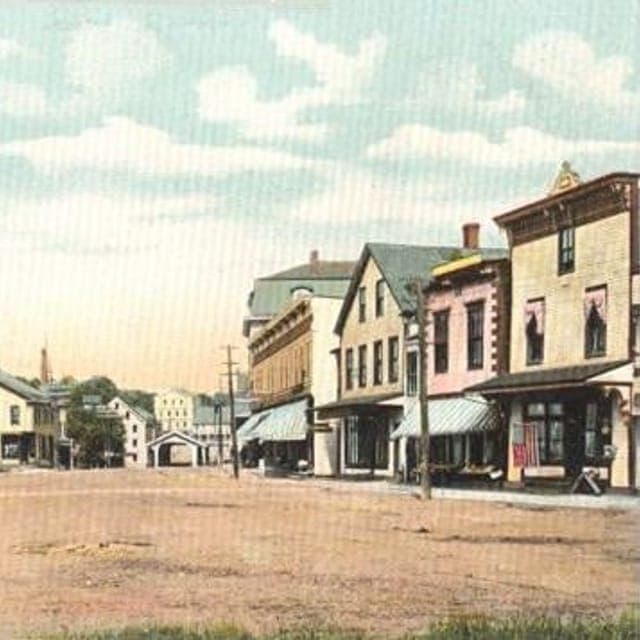
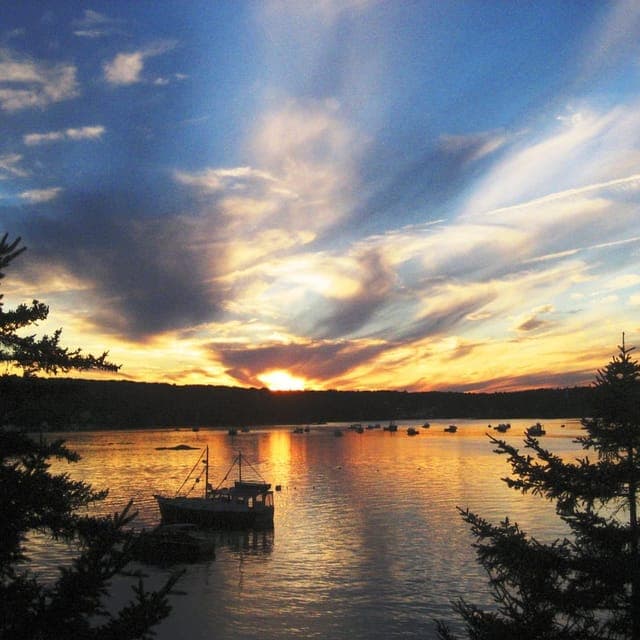
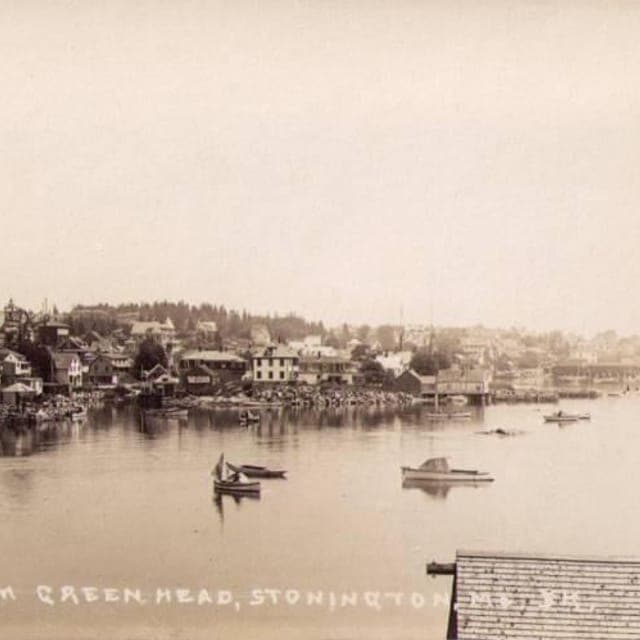
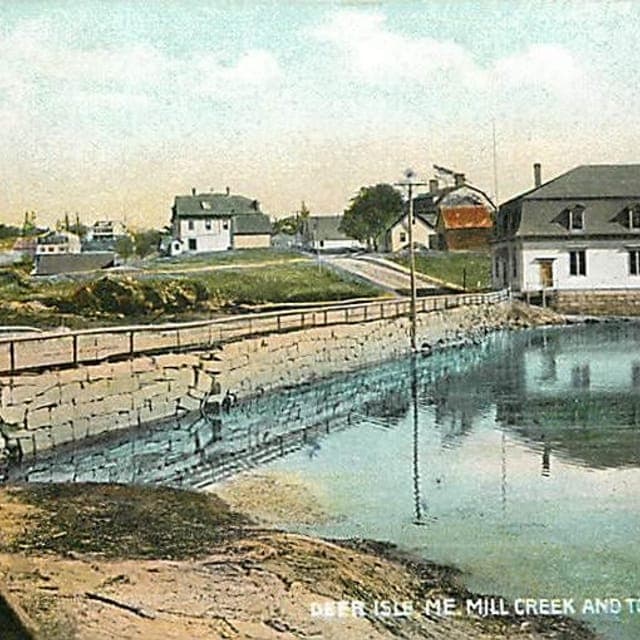
Similar small towns to Livermore Falls
* Values derived from national, state, county, city and local statistics and may differ in a specific area. Last updated: 2026-11-22T13:56:18.000Z
Narrative content on this page is AI-generated and may contain mistakes. Verify any details that matter before acting on them.
ReloMaps may earn a commission from affiliate links at no extra cost to you.

