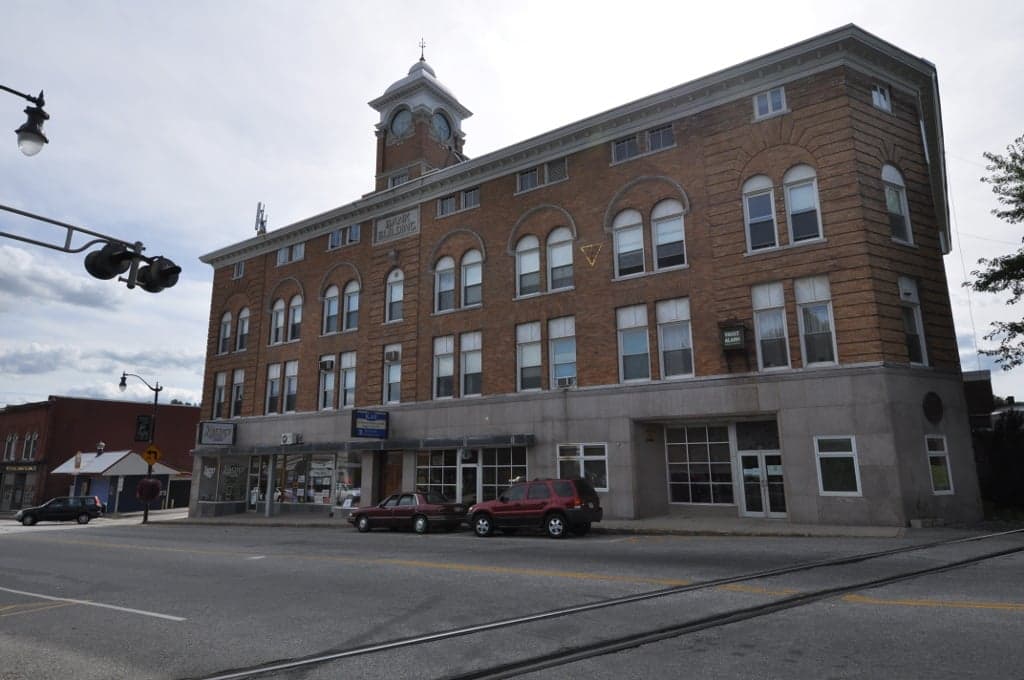
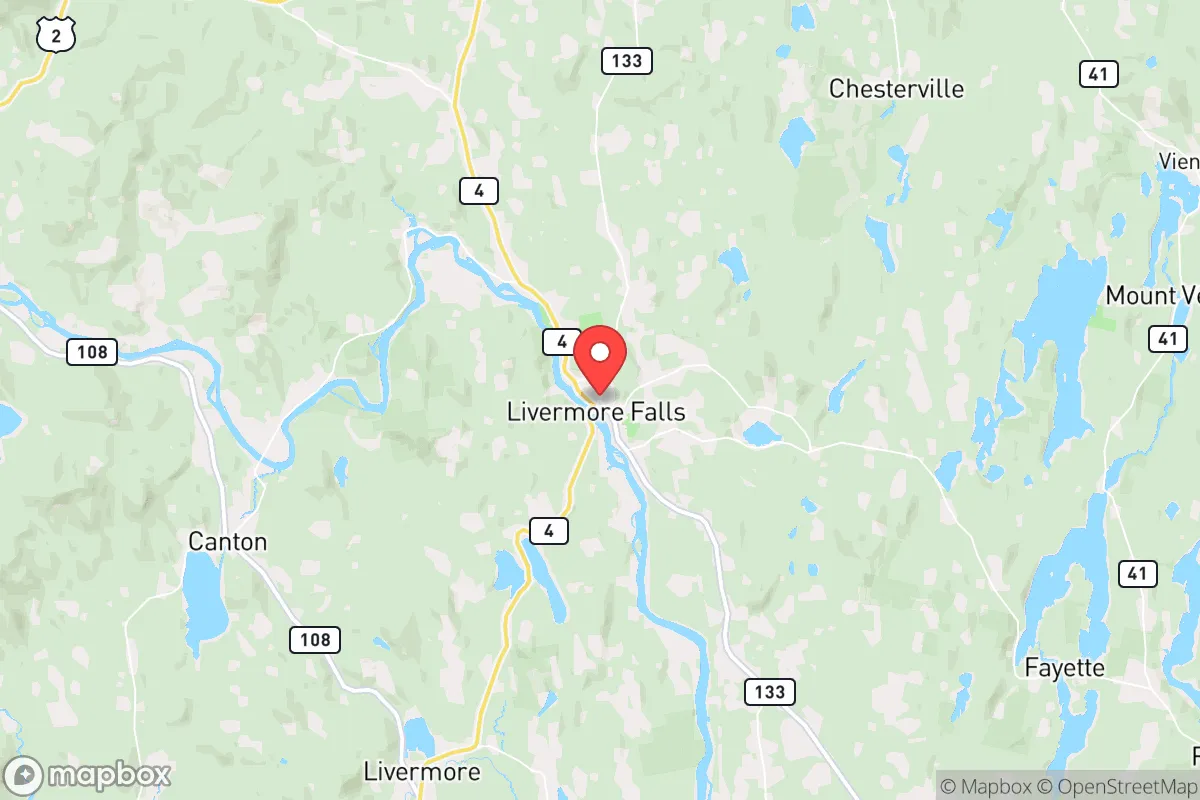
Photo: Wikipedia
Quality of Life in Livermore Falls, ME
Above-average quality of iife. The area offers a reasonable cost of living, decent mobility, and a mix of neighborhood amenities.
What does Quality of Life tell us?
Quality of Life blends cost of living, nearby amenities, socioeconomic signals, and neighborhood character. City-level scores represent the whole municipality; individual neighborhoods can differ.
What does this tell us?
Quality of Life blends cost of living, nearby amenities, socioeconomic signals, and neighborhood character. City-level scores represent the whole municipality; individual neighborhoods can differ.
Cost of Living
25% below national average
The Real Cost of Living in Livermore Falls, ME for 2026
| Tier | Individual | Family (4) |
|---|---|---|
| Survival | $12k | $22k |
| Comfortable | $33k | $48k |
| Luxury | $48k+ | $74k+ |
| Elite (Top 5%) | $56k+ | $87k+ |
71%
* median home value substituted from county-level data — local Census figures unavailable for small populations
The Area Signal
A metric tracking the socioeconomic signals of the area.
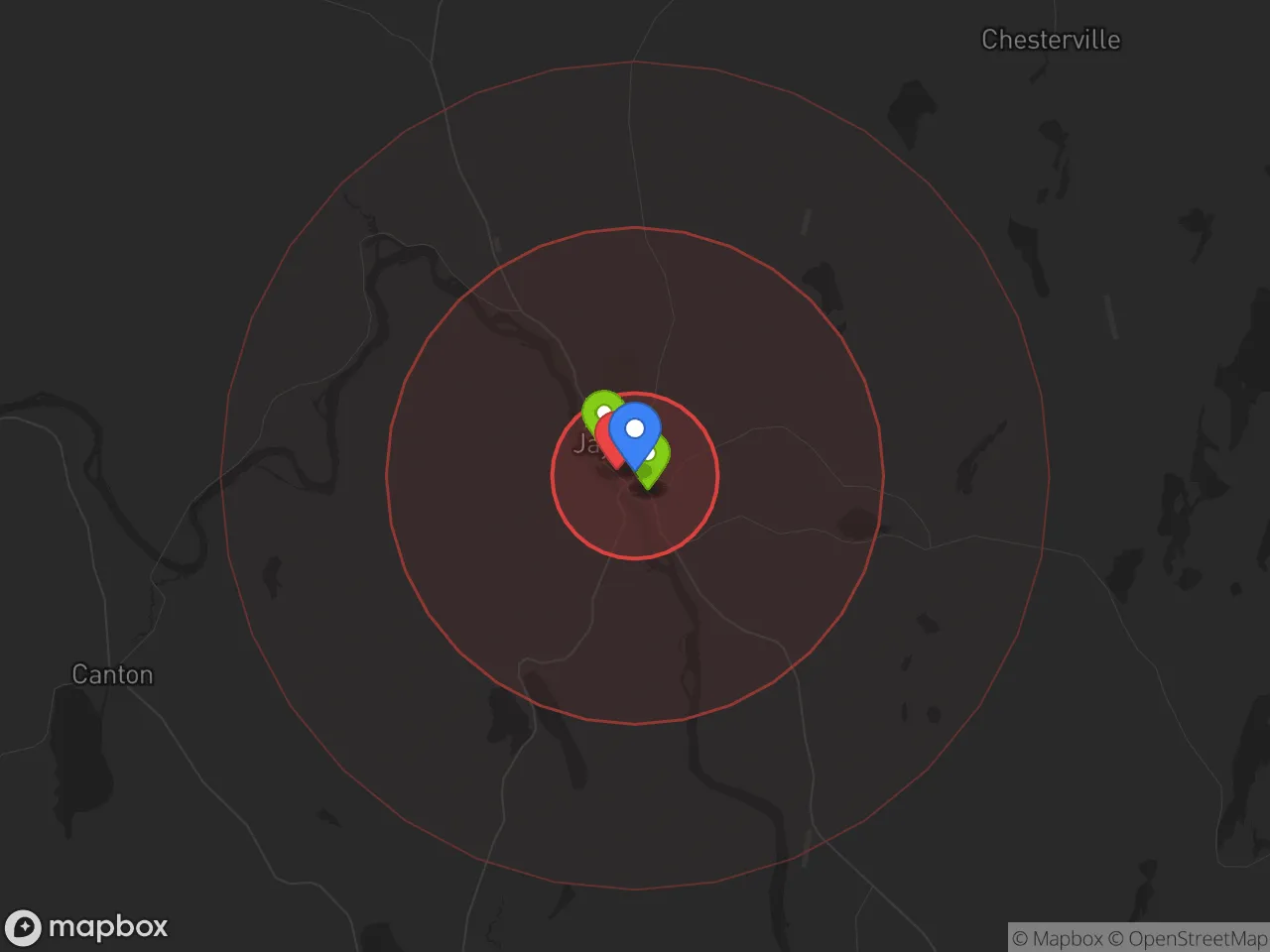
Hobbies
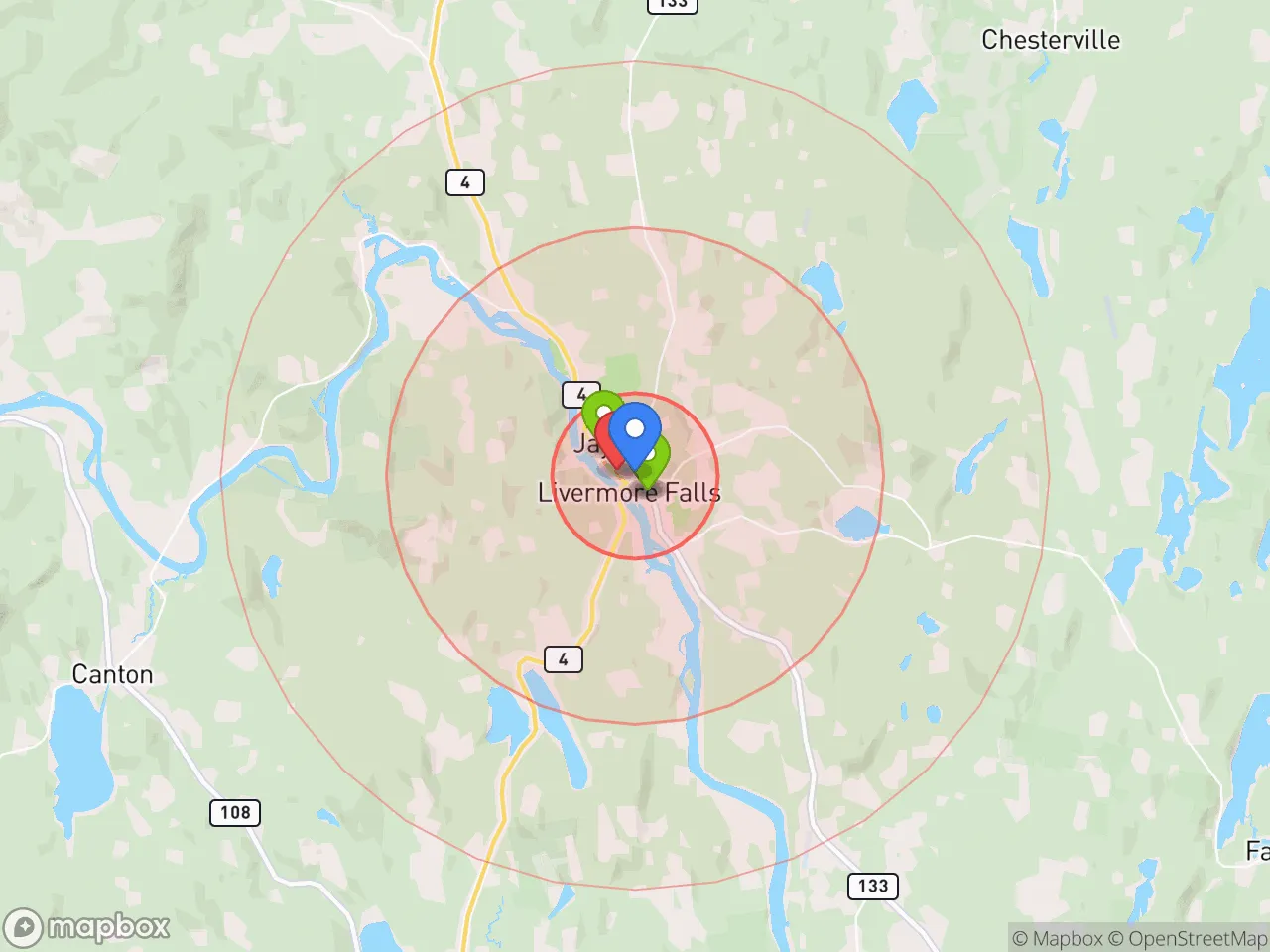
Explore the areaGroceries
1 within 10 miles
Gas
1 within 10 miles
Hospital
2 within 20 miles
Airport
PDX — Portland International Jetport
Post Office
USPS — Livermore Falls, ME
Critical Amenities
Quality-of-Life Analysis
Livermore Falls, Maine, presents a notably affordable quality of life in a rural western Maine setting, with a cost of living index of 75—25% below the U.S. average—that attracts a mix of long-term residents, outdoor enthusiasts, and budget-conscious families. The area’s population of roughly 3,100 is predominantly white and older, with a median age near 44, and many households rely on manufacturing, healthcare, and retail jobs in nearby Lewiston-Auburn or Augusta. While not affluent by national standards, Livermore Falls offers a quiet, self-reliant lifestyle where homeownership is achievable on modest incomes, contrasting sharply with the higher costs and faster pace of southern Maine’s coastal towns.
Cost of living, housing, and affordability compared to nearby towns
Livermore Falls is one of the most affordable communities in Androscoggin County, with a median home value of $232,000—roughly $100,000 less than the state median and about half the median in Portland. Renters benefit from a median rent of just $815, well below the national average and significantly cheaper than in Lewiston ($1,100) or Auburn ($1,050). The low cost of living index of 75 is driven by below-average prices for groceries, utilities, and transportation, though property taxes in Maine are relatively high, averaging about 1.3% of assessed value. The average commute of 24.6 minutes is manageable for rural Maine, with most residents driving to jobs in Jay (home to the Verso paper mill), Livermore, or the Lewiston-Auburn metro area, where wages are slightly higher but housing costs are 20-30% more. For buyers seeking a single-family home under $250,000, Livermore Falls offers far more inventory than neighboring towns like Turner or Greene, where median values exceed $300,000.
Local amenities, schools, and what daily life is like for families
Daily life in Livermore Falls revolves around the Androscoggin River and the small downtown along Main Street, which includes a grocery store, hardware store, and a few casual restaurants. The town’s Spruce Mountain School District serves pre-K through 12th grade, with a single elementary, middle, and high school on one campus; the high school has an enrollment of about 350 and offers vocational programs through the nearby Foster Career and Technical Education Center. Outdoor recreation is the primary amenity: residents use the Livermore Falls River Access for kayaking and fishing, the 12-mile Androscoggin Riverlands State Park for hiking and birding, and the nearby Mount Blue State Park for camping and winter sports. Healthcare access requires a 15-minute drive to Rumford Hospital or 30 minutes to Central Maine Medical Center in Lewiston. The area lacks a full-service supermarket, major retail, or a movie theater, so most families plan weekly trips to Lewiston or Auburn for shopping, dining, and entertainment. The pace is slow and neighborly, with community events like the annual Livermore Falls River Festival and a strong volunteer fire department culture.
This town works best for people who prioritize affordability, outdoor access, and a quiet rural rhythm over urban conveniences or career density. Retirees on fixed incomes, remote workers with stable internet (fiber is available in parts of town), and tradespeople employed at local mills or in construction will find the housing costs freeing. Families should be prepared for limited after-school activities and a long drive to pediatric specialists, while anyone seeking nightlife, cultural venues, or a diverse food scene will likely feel isolated. Livermore Falls is a practical, no-frills community where a lower cost of living enables a simpler, land-based lifestyle—ideal for those who value space and solitude over proximity to amenities.

Crime in Livermore Falls, ME
Lower crime rates than 79% of comparable U.S. locations.
Violent CrimeViolent Crime Analysis
Property CrimeProperty Crime Analysis
Crime Analysis
Livermore Falls, Maine, presents a mixed safety profile that demands careful attention from potential residents. While the town’s violent crime rate of 93.7 incidents per 100,000 people is notably lower than the national average, its property crime rate of 1,967.5 per 100,000 significantly exceeds both state and national benchmarks. This disparity means that while violent confrontations are rare, the risk of theft, burglary, and vandalism is a tangible daily concern. The town’s location within Androscoggin County, part of the broader Lewiston-Auburn metropolitan area, places it under the jurisdiction of a court system that, like many in progressive-leaning regions of Maine, has increasingly emphasized rehabilitation over incarceration—a philosophy that, while well-intentioned, can result in repeat property offenders cycling back into the community.
Crime in context
To understand Livermore Falls’ safety landscape, it is essential to compare its figures to broader trends. The national violent crime rate hovers around 380 per 100,000, making Livermore Falls’ 93.7 figure a relative bright spot. However, the property crime rate tells a different story: the national average is approximately 1,950 per 100,000, meaning Livermore Falls sits just above that line, while Maine’s statewide average is roughly 1,200 per 100,000. This means a resident here faces a nearly 2% annual chance of being a property crime victim, a rate that is 60% higher than the typical Maine community. The progressive judicial philosophy prevalent in Androscoggin County—where district attorneys and judges often prioritize diversion programs and reduced sentencing for non-violent offenders—is a contributing factor. While intended to reduce recidivism, this approach can embolden repeat property criminals, as the consequences for theft and burglary are frequently less severe than in more conservative jurisdictions.
What residents experience
Daily life in Livermore Falls is shaped by this property crime reality. Residents report that unlocked vehicles, sheds, and outbuildings are common targets, with thefts of tools, bicycles, and outdoor equipment being the most frequent complaints. The town’s small size and close-knit nature mean that many victims know the offenders, creating a tense social dynamic. Police presence is limited, with the Livermore Falls Police Department relying on a small force that often calls on the Androscoggin County Sheriff’s Office for backup. The progressive legal environment means that even when arrests are made, property crime cases are frequently resolved through plea deals or probation, rather than jail time. This can leave residents feeling that the justice system prioritizes the offender’s circumstances over the victim’s loss, fostering a sense of impunity among habitual thieves.
Neighborhood-level variation is modest but worth noting. The area around the former mill complex and the downtown core along Main Street sees the highest concentration of property crime, likely due to higher foot traffic and vacant buildings. In contrast, the more rural outskirts—such as the areas near the Androscoggin River or along Route 4—experience fewer incidents, though no neighborhood is immune. Violent crime is extremely rare across all parts of town, with most incidents being domestic disputes rather than random attacks. For those considering a move, investing in good lighting, secure locks, and a neighborhood watch group is a practical step, as the town’s progressive judicial system is unlikely to offer robust deterrence on its own.
* Values derived from national, state, county, city and local statistics and may differ in a specific area. Last updated: 2026-11-22T13:56:18.000Z
Narrative content on this page is AI-generated and may contain mistakes. Verify any details that matter before acting on them.
ReloMaps may earn a commission from affiliate links at no extra cost to you.

