Photo: Wikipedia
Quality of Life in Marion County
A livable area that tracks near national norms for affordability, walkability, and neighborhood health.
What does Quality of Life tell us?
Quality of Life measures an area by evaluating factors like cost of living, nearby amenities, country club access, airport proximity, socioeconomic signals and neighborhood character. For large states, this is a general average — quality of life can vary dramatically between metro areas, suburbs, and rural communities within the same state.
What does this tell us?
Quality of Life measures an area by evaluating factors like cost of living, nearby amenities, country club access, airport proximity, socioeconomic signals and neighborhood character. For large states, this is a general average — quality of life can vary dramatically between metro areas, suburbs, and rural communities within the same state.
Cost of Living
46% below national average
194%
The Real Cost of Living in Marion County for 2026
| Tier | Individual | Family (4) |
|---|---|---|
| Survival | $12k | $22k |
| Comfortable | $22k | $33k |
| Luxury | $115k+ | $178k+ |
| Elite (Top 5%) | $135k+ | $209k+ |
Quality-of-Life Analysis
Marion County, Kansas, offers a distinct quality-of-life spectrum that ranges from the modest conveniences of its county seat to the quiet isolation of unincorporated prairie hamlets, drawing residents who prioritize affordability and a slower pace over urban amenities. With a cost of living index of 54—well below the national average of 100—the county attracts retirees, agricultural workers, and remote professionals seeking land and low expenses. The character of daily life shifts noticeably between the largest town, smaller communities, and the surrounding rural stretches, each offering a different balance of services, social interaction, and privacy.
Largest town(s) & population centers
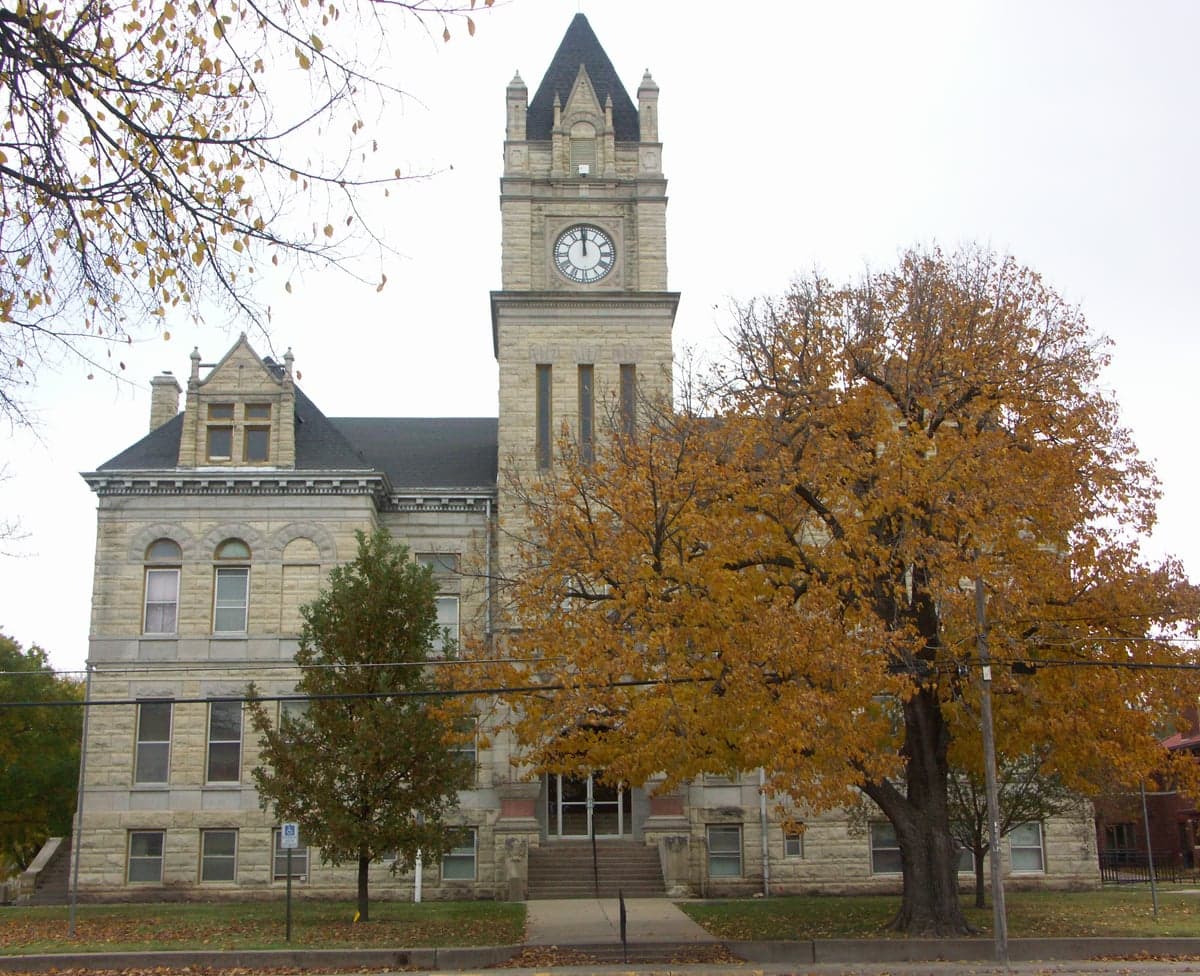
Marion, the county seat and largest town with roughly 1,900 residents, serves as the primary hub for shopping, healthcare, and county government. Daily life here centers on the historic downtown along the Cottonwood River, anchored by the Marion County Courthouse, a local grocery store, and a handful of restaurants and cafes. The town has a public school system (Marion-Florence USD 408), a small hospital (St. Luke Hospital), and a city park system that includes a lake and walking trails. Hillsboro, home to about 2,800 people and Tabor College, offers a slightly more collegiate atmosphere with a stronger retail base, including a Walmart Supercenter and several fast-food chains. Hillsboro’s daily rhythm is shaped by the college calendar and its Mennonite heritage, with a notably quiet, family-oriented feel. Both towns provide the basic services—banks, auto repair, pharmacies—that eliminate the need for frequent trips to larger cities like Wichita (about 50 miles southwest).
Smaller towns & rural pockets
Beyond the two main population centers, Marion County is dotted with small communities where life is even more stripped down. Peabody (pop. ~1,000) retains a walkable historic district and a strong sense of local identity, with a few small businesses and a public library, but lacks a full-service grocery store. Florence (pop. ~400) is a former railroad town with a quiet, aging population and limited commercial activity—residents typically drive to Marion or Hillsboro for most errands. Goessel (pop. ~500) is a tight-knit Mennonite community with a well-regarded school district (Goessel USD 411) but no major retail. The unincorporated areas—such as Lost Springs, Lincolnville, and Antelope—are essentially crossroads with a handful of homes and no services; residents here rely entirely on personal vehicles and plan shopping trips around longer drives. The rural pockets between these towns consist of working farms and ranches, where the nearest neighbor may be a mile or more away.
Cost & lifestyle range
The cost of living varies modestly across the county but remains extremely low by national standards. The median home value of $114,400 and median rent of $727 mean that even the most desirable properties in Marion or Hillsboro are affordable for most households. At the lower end of the spread, a fixer-upper home in Florence or Lost Springs can sell for under $50,000, while a newer or renovated home in Hillsboro’s nicer neighborhoods might approach $180,000. Rentals are scarce countywide, but the cheapest units in Peabody or Florence can be found for under $600 per month. The average commute of 23 minutes reflects the fact that many residents work locally in agriculture, education, or healthcare, though a notable share drives to jobs in Wichita or Newton. Amenities thin out quickly: Marion and Hillsboro have the only full-service grocery stores, the only hospital, and the only sit-down restaurants. Residents of smaller towns and rural areas accept longer drives for these services in exchange for lower property costs, more land, and greater privacy.
Marion County is best suited for people who value low cost of living, a quiet lifestyle, and a strong sense of community over career diversity or entertainment options. Retirees on fixed incomes, remote workers with stable internet, and families seeking affordable homeownership will find the most to appreciate here. Those who need frequent access to specialty shopping, diverse dining, or urban cultural amenities will likely find the trade-offs too steep. The county’s spectrum of options—from the modest conveniences of Hillsboro to the near-total solitude of Lost Springs—allows residents to choose their exact level of isolation while staying within an exceptionally affordable housing market.

Crime in Marion County
Crime rates similar to the national median for U.S. locations.
Violent CrimeViolent Crime Analysis
Property CrimeProperty Crime Analysis
Crime Analysis
Marion County, Kansas, presents a mixed safety profile, with violent crime rates that are slightly above the national average but property crime rates that are significantly higher, creating a situation where residents in towns like Marion, Hillsboro, and Peabody should remain vigilant. The county's overall violent crime rate of 452.1 per 100,000 residents is about 24% higher than the U.S. average of 380 per 100,000, while its property crime rate of 1,826 per 100,000 is roughly 30% above the national figure. These numbers, drawn from recent FBI data, place Marion County in a middle tier among Kansas's 105 counties—safer than urban centers like Wichita or Kansas City but notably riskier than many of its rural neighbors in the Flint Hills region.
Crime in context
When compared to statewide and national benchmarks, Marion County's crime statistics reveal a community grappling with property offenses more than violent ones. The violent crime rate of 452.1 per 100K is driven primarily by aggravated assault, which accounts for roughly 70% of those incidents, while homicide and robbery remain rare. By contrast, the property crime rate of 1,826 per 100K is heavily influenced by theft and larceny, with burglary and motor vehicle theft making up smaller shares. For context, Kansas's statewide violent crime rate is approximately 395 per 100K, and the national rate is 380 per 100K, meaning Marion County's violent crime is about 14% higher than the state average. Property crime in the county is also elevated relative to the Kansas average of roughly 1,700 per 100K, though it remains far below the rates seen in larger Kansas jurisdictions like Sedgwick County (Wichita) or Wyandotte County (Kansas City), where property crime can exceed 3,000 per 100K. The county's location along the I-135 corridor, which connects to Wichita and Salina, may contribute to transient property crime, as offenders from larger metro areas sometimes target smaller communities.
What residents experience
For those living in Marion County, the day-to-day reality is that property crime is the most common threat, while violent crime is sporadic and often tied to domestic disputes or alcohol-related incidents. In the county seat of Marion, residents report occasional thefts from vehicles and unlocked outbuildings, particularly during harvest season when farm equipment and tools are left unattended. Hillsboro, home to Tabor College, sees a modest uptick in petty theft and vandalism during the academic year, though campus security and the Hillsboro Police Department maintain a visible presence. Peabody, a smaller community in the county's southeast, has experienced a few high-profile burglaries in recent years, but overall crime there remains low. The Marion County Sheriff's Office, which patrols unincorporated areas and smaller towns like Florence and Burns, emphasizes community policing and has a strong relationship with residents, which helps in reporting and solving crimes. However, the county's rural nature means response times can be longer in remote areas, and some residents invest in security systems or neighborhood watch programs as a precaution.
Neighborhood-level variation within Marion County is modest but noticeable. The more densely populated areas around Marion and Hillsboro see higher crime concentrations, while the sparsely populated townships and agricultural zones experience far fewer incidents. The county's judicial system, overseen by the 8th Judicial District, has historically taken a conservative approach to sentencing, which aligns with the area's political leanings. Unlike larger metro areas with progressive district attorneys who may prioritize diversion programs over incarceration, Marion County's prosecutors tend to pursue charges more aggressively, which can act as a deterrent. Readers considering relocation should note that while the county's crime rates are above national averages, the risk is unevenly distributed, and choosing a home in a smaller, well-connected community like Hillsboro or Peabody can significantly reduce exposure to property crime. For the most current data, the Marion County Sheriff's Office publishes an annual crime report, and the Kansas Bureau of Investigation provides searchable statistics by jurisdiction.
* Values derived from national, state, county, city and local statistics and may differ in a specific area. Last updated: 2026-11-16T09:14:25.000Z
Narrative content on this page is AI-generated and may contain mistakes. Verify any details that matter before acting on them.
ReloMaps may earn a commission from affiliate links at no extra cost to you.

