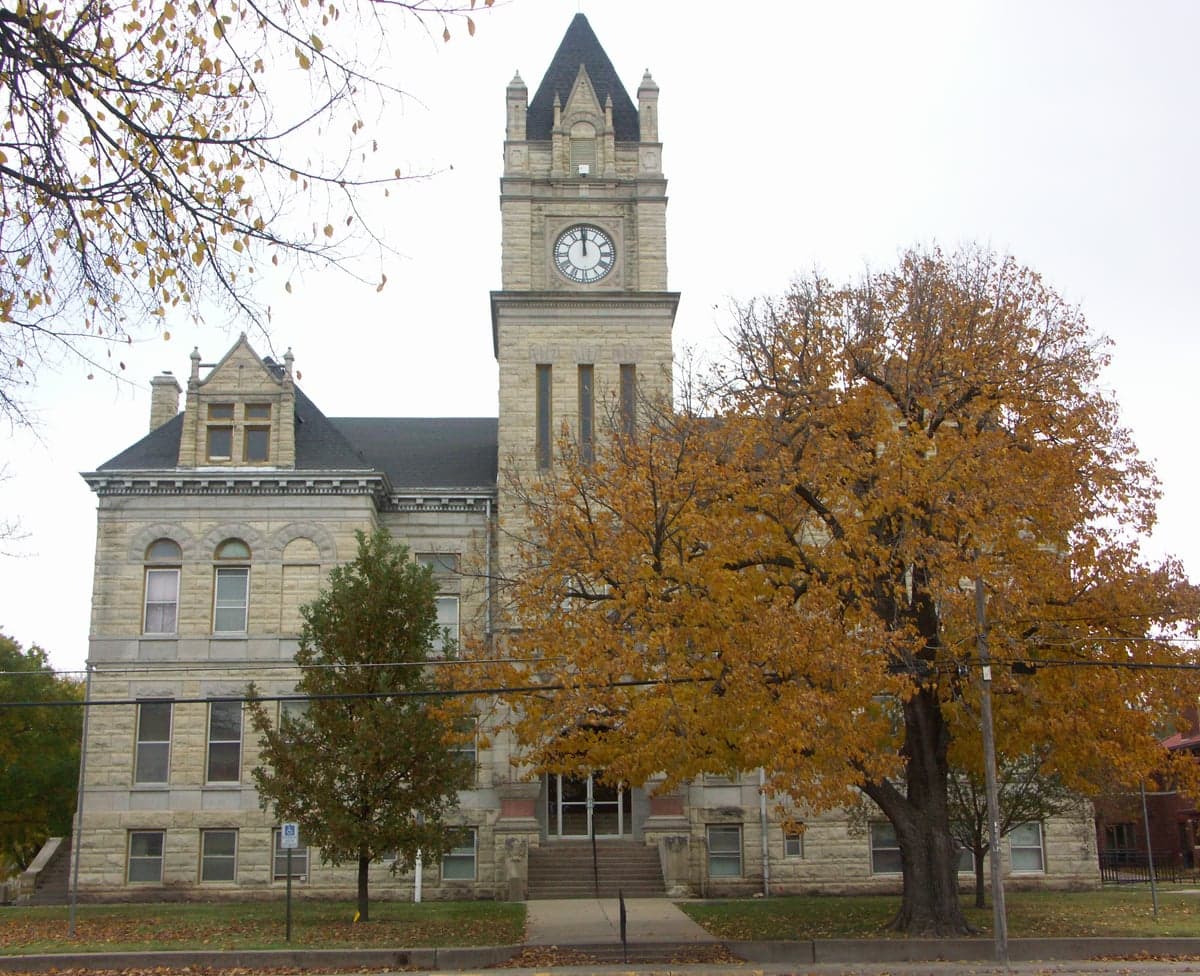
Photo: Wikipedia
Find The Best Places To Live in Marion County
PRO TIP! You can paste a Zillow or Redfin link to get info on that property.
Best Places to Live in Marion County
Cities & Towns in Marion County
Cities in Marion County
What It's Like Living in Marion County, KS
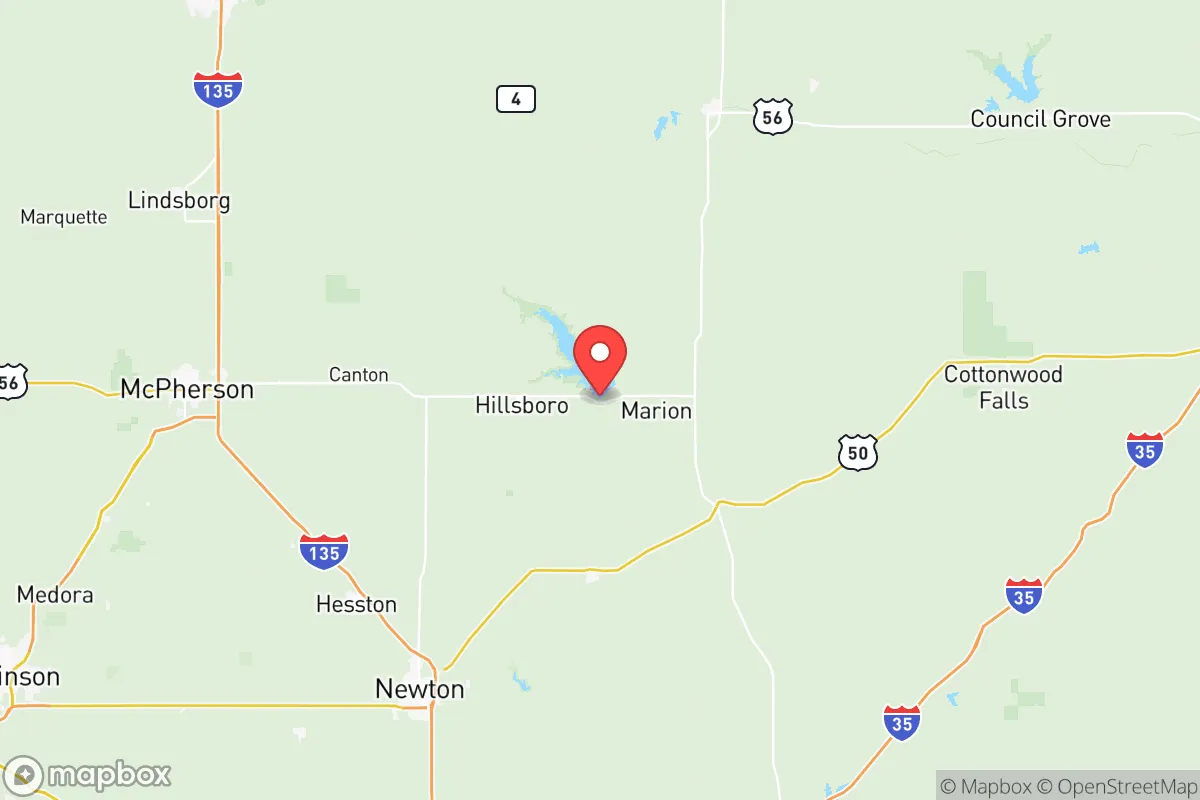
Living in Marion County, Kansas, feels like stepping into a version of the Plains where the pace slows down and people still wave at passing cars. With a population just shy of 12,000 spread across towns like Marion, Hillsboro, Peabody, and Florence, this is a place where your neighbors know your name and the local diner is the unofficial town hall. It’s not for everyone, but for those who value quiet, affordability, and a strong sense of community, it can feel like a well-kept secret.
Daily Rhythm: What Life Actually Looks Like
Most mornings in Marion County start early. In Marion, the county seat, you’ll see folks grabbing coffee at the Main Street Café before heading to jobs at the school district, the hospital, or local agribusinesses. In Hillsboro, home to Tabor College, the rhythm is a bit more academic—professors and students fill the streets, and the college’s events often anchor the town’s social calendar. The average commute is just over 23 minutes, which is a breeze compared to Wichita or Kansas City, but it’s worth noting that many residents drive to jobs in those larger cities. The median income here is $63,438, which goes a long way thanks to a cost of living index of 54—half the national average. A median home value of $114,400 means a family can buy a solid three-bedroom house without stretching the budget.
Weekends are for the outdoors. Marion Reservoir is the big draw—fishing, boating, and camping are year-round activities. In Peabody, the historic downtown has a few antique shops and a surprisingly good pizza joint, while Florence offers a quieter, almost ghost-town charm with its old railroad depot. The weather follows the classic Kansas pattern: hot, humid summers with occasional severe storms, and cold, dry winters where snow can linger. Spring and fall are glorious but short, and everyone knows to have a basement or storm shelter handy from April through June.
Sports, Community, and the Things That Bring People Together
High school sports are the heartbeat of Marion County. Friday nights in the fall mean packed bleachers at Marion High School football games, where the Warriors draw a crowd that includes everyone from retirees to young families. In Hillsboro, the Trojans have a fierce rivalry with Marion, and the energy at those games is genuine small-town intensity. Basketball season is almost as big, and the local gyms get loud. Tabor College adds a collegiate layer—their basketball and football games are well-attended, especially when they face rival schools like Bethel or Friends University. There’s no pro sports team within an hour, but that’s fine; the community focus is on the kids and the local athletes.
The biggest annual event is the Marion County Fair, held in July in Marion, with carnival rides, livestock shows, and a demolition derby that draws folks from all over the region. Hillsboro’s Fall Festival is another highlight, featuring a parade, craft vendors, and live music. For a quieter evening, locals head to the Marion City Park for a picnic or catch a movie at the historic Florence Opera House, which hosts community theater and concerts. The cultural vibe is deeply rooted in the county’s Mennonite and Czech heritage—you’ll find kolaches at the Hillsboro bakery and quilting circles that have been meeting for decades.
Pros and Cons: The Honest Trade-Offs
Let’s start with the upsides. The cost of living is absurdly low—your dollar stretches further here than in almost any other part of the country. The schools, particularly in Marion and Hillsboro, are small enough that teachers know every student by name, and parent involvement is high. Crime is a mixed bag: the violent crime rate of 452.1 per 100,000 is above the national average, but most of that is concentrated in specific areas and often involves people who know each other. Property crime is more of a concern, so locking your car and keeping valuables out of sight is common sense. The median age of 43.7 reflects a community that skews older, which means fewer young professionals and a slower pace of change.
On the downside, the lack of entertainment options can feel stifling. There’s no mall, no movie theater chain, and no major music venue. For a night out, you’re driving to Wichita (about 45 minutes from Marion) or Salina (about an hour). The job market is limited—agriculture, education, and healthcare dominate, and only 28.8% of adults hold a college degree, which tracks with the blue-collar nature of the economy. If you’re not in those fields, remote work or a commute is almost a necessity. The social scene is also heavily church-based, which can feel isolating if you’re not religious or new to town.
Still, for the right person—someone who values quiet, community, and space—Marion County offers a life that’s hard to beat. The pros and cons are clear: you trade convenience for peace, and you trade anonymity for belonging. If that trade sounds good, you’ll fit right in.

* Values derived from national, state, county, city and local statistics and may differ in a specific area. Last updated: 2026-11-16T09:14:25.000Z
Narrative content on this page is AI-generated and may contain mistakes. Verify any details that matter before acting on them.
ReloMaps may earn a commission from affiliate links at no extra cost to you.

