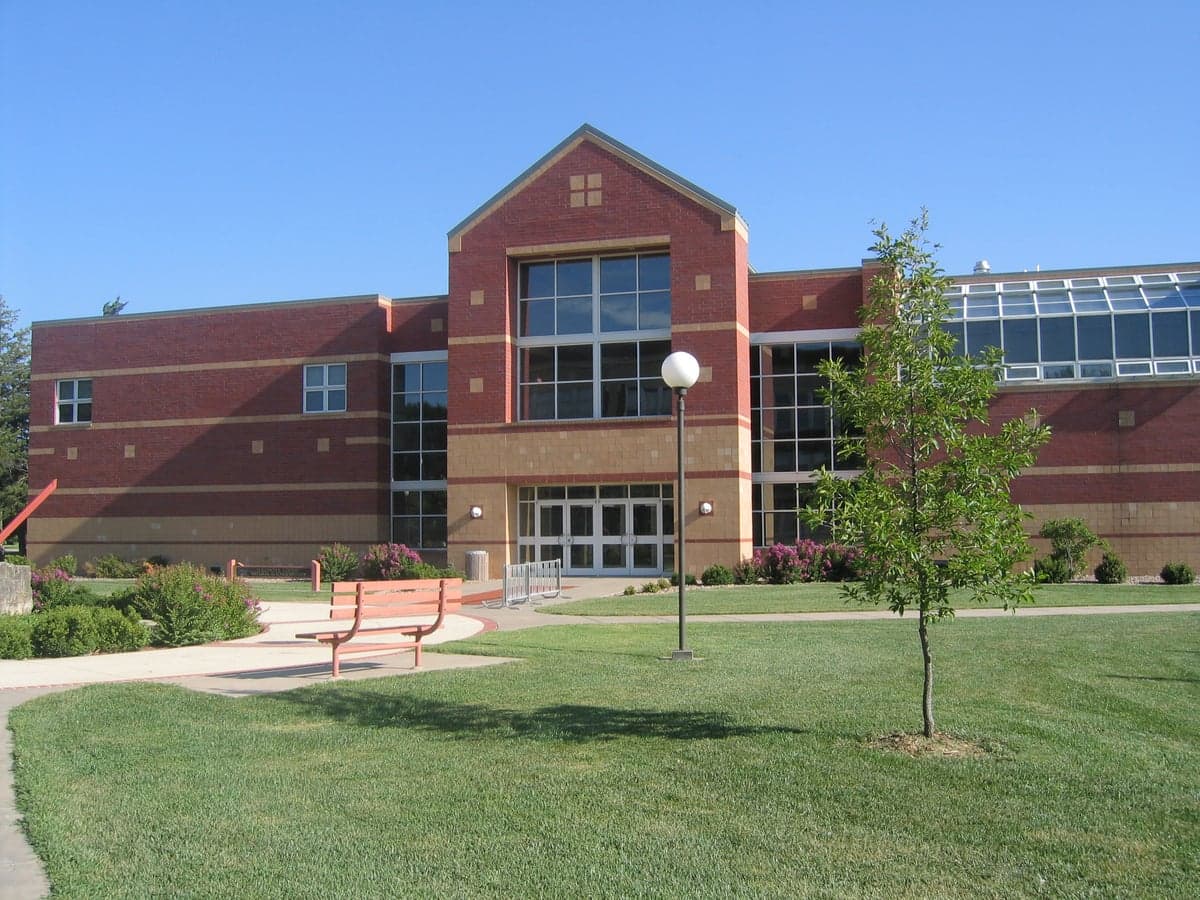
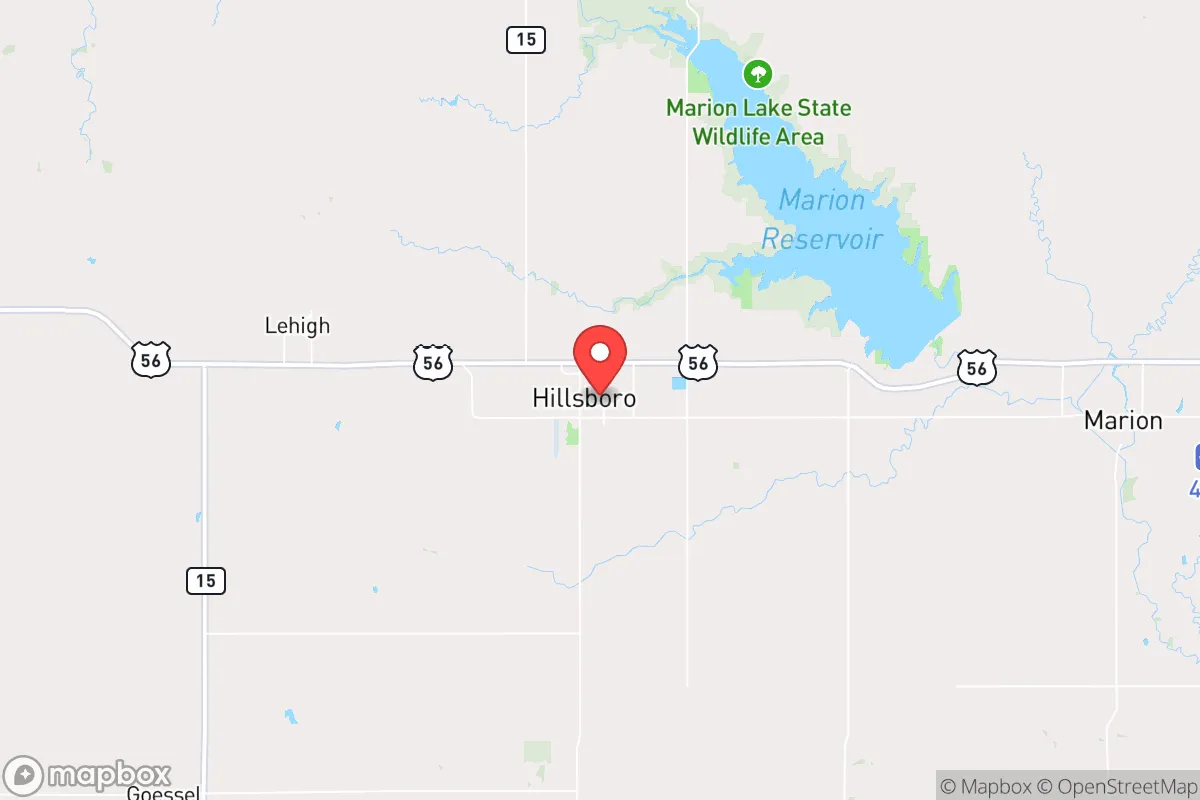
Photo: Wikipedia
Find The Best Places To Live
in Hillsboro
PRO TIP! You can paste a Zillow or Redfin link to get info on that property.
Compare Hillsboro with another place
What It's Like Living in Hillsboro, KS
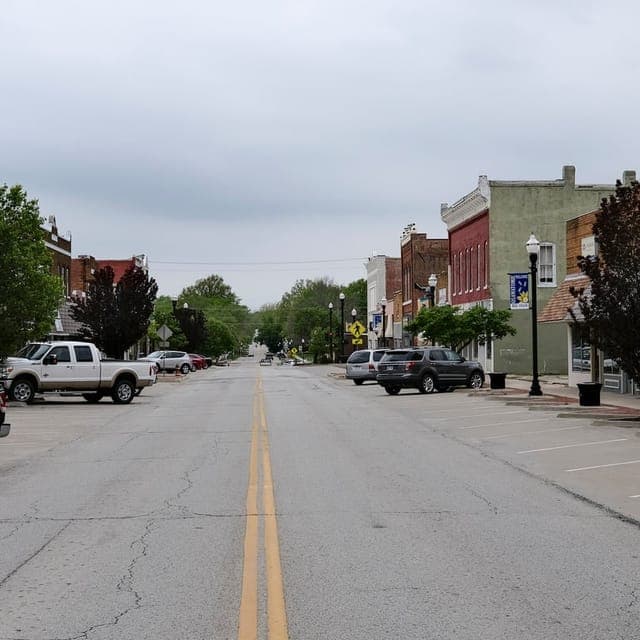
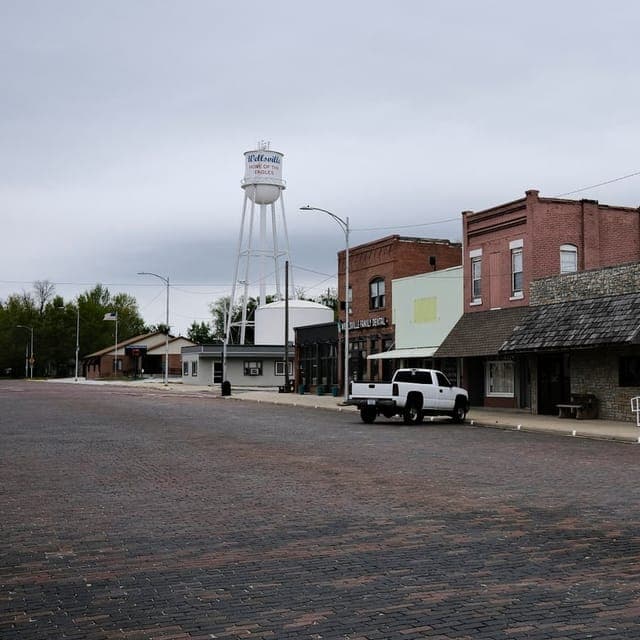
Hillsboro, Kansas, feels like a place where the past and present coexist quietly, a small town of just over 2,700 people where the rhythms of agriculture and faith-based community life set the pace. It’s not a place you stumble into on a whim; it’s a destination for those seeking a slower, more intentional way of living, anchored by Tabor College and a strong Mennonite heritage. If you’re considering a move here, you’re likely looking for safety, affordability, and a deep sense of belonging—but you should also know what you’re giving up in terms of urban amenities and diversity of options.
The Daily Rhythm: Work, Faith, and the Long Commute
Life in Hillsboro revolves around a few core anchors: Tabor College, local manufacturing, and the surrounding agricultural economy. The median household income here is $57,792, which goes a long way given the cost of living index sits at just 54—roughly half the national average. That means a $101,100 median home value isn’t just affordable; it’s a genuine entry point for first-time buyers or families looking to own without a crushing mortgage. Most residents work in education, healthcare, or light industry, with a notable number commuting to nearby cities like Marion or McPherson. The average commute is a brisk 14.6 minutes, but that number can feel longer if you’re driving to Wichita (about an hour south) for specialized shopping or entertainment. Weekends are often spent at church, high school sporting events, or working on home projects—there’s a quiet, self-sufficient vibe here that rewards people who don’t mind driving 20 minutes for a decent grocery store.
Sports, Community, and the Tabor College Effect
Sports are a genuine social currency in Hillsboro, and they center almost entirely on the local high school and Tabor College. The Hillsboro High School Trojans draw solid crowds for Friday night football and basketball, with the gym often packed for rivalry games against Marion or Hesston. Tabor College, a private Mennonite-affiliated school, fields competitive NAIA teams in basketball, football, and volleyball, and their games become community events—especially when the Bluejays are in the KCAC conference race. For a town this size, the passion for local athletics is outsized, and it’s one of the few places where you can know half the people in the stands. There’s no pro sports within a two-hour drive, so the high school and college teams are the main event. If you’re not a sports fan, you’ll still find yourself at a game or two just to be part of the social fabric.
What’s There to Do: Festivals, Parks, and the Local Hangouts
Entertainment options are limited but intentional. The biggest annual event is Hillsboro’s Fall Festival, a multi-day affair with a parade, carnival rides, and a strong emphasis on community potlucks and church bake sales. The Marion County Lake, about 10 minutes south, offers fishing, boating, and a quiet escape for weekend afternoons. For dining, you’re looking at a handful of local spots: Bistro 1907 serves reliable American fare and is the de facto town gathering spot, while Carriage Crossing is a coffee shop that doubles as a meeting place for college students and retirees. The Hillsboro City Park is well-maintained and hosts summer concerts and movie nights. But let’s be honest—if you’re looking for a music venue, a craft brewery, or a late-night bar scene, you’ll need to drive to McPherson or Newton. The trade-off is that violent crime here is just 112.8 per 100,000, well below national averages, and you can leave your doors unlocked without a second thought.
Pros and Cons of Living Here: What Locals Actually Say
Longtime residents love the safety, the low cost of living, and the fact that everyone knows your name—but they’ll also tell you the downsides are real. The median age is 35, which is younger than many rural towns, thanks largely to Tabor College, but the population is still overwhelmingly white and religiously conservative. If you’re not part of a church community, you may find social circles harder to break into. The 33.9% college-educated rate is respectable for a town this size, but job opportunities outside of education and healthcare are scarce. The biggest frustration? The lack of shopping and dining variety. There’s no Target, no sit-down chain restaurant, and no movie theater—you’re driving 30 minutes for any of that. But for families who value a tight-knit community where kids can ride bikes to the park and teachers know your child’s name, Hillsboro offers a trade-off that many find worth making. The weather follows typical Kansas patterns: hot, humid summers, cold winters with occasional snow, and spring storms that keep everyone weather-alert app-literate.

Similar small towns to Hillsboro


* Values derived from national, state, county, city and local statistics and may differ in a specific area. Last updated: 2026-11-06T23:09:56.000Z
Narrative content on this page is AI-generated and may contain mistakes. Verify any details that matter before acting on them.
ReloMaps may earn a commission from affiliate links at no extra cost to you.

