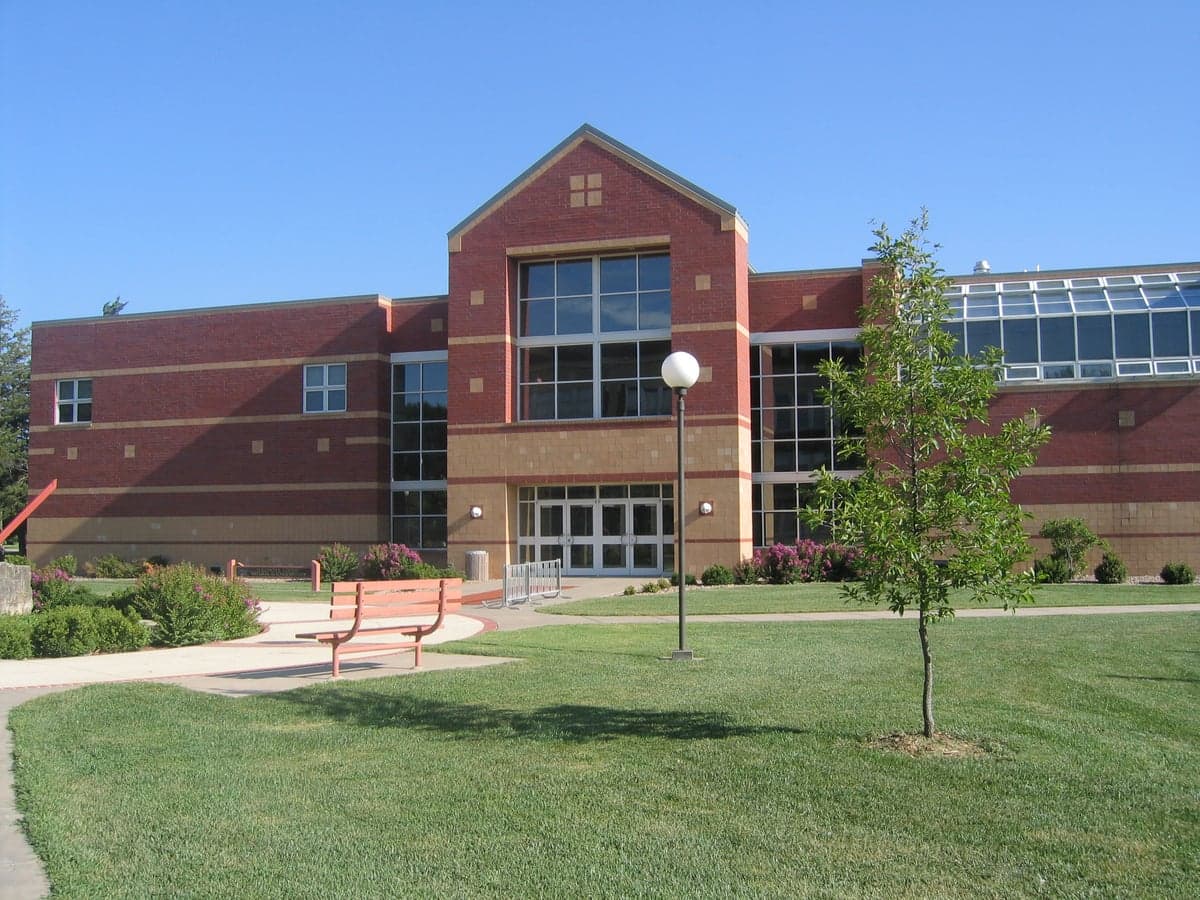
Photo: Wikipedia
Quality of Life in Hillsboro, KS
A high quality of life with strong walkability, manageable living costs, healthy neighborhood signals, and solid amenity access.
What does Quality of Life tell us?
Quality of Life blends cost of living, nearby amenities, socioeconomic signals, and neighborhood character. City-level scores represent the whole municipality; individual neighborhoods can differ.
What does this tell us?
Quality of Life blends cost of living, nearby amenities, socioeconomic signals, and neighborhood character. City-level scores represent the whole municipality; individual neighborhoods can differ.
Cost of Living
46% below national average
The Real Cost of Living in Hillsboro, KS for 2026
| Tier | Individual | Family (4) |
|---|---|---|
| Survival | $12k | $23k |
| Comfortable | $21k | $32k |
| Luxury | $93k+ | $143k+ |
| Elite (Top 5%) | $109k+ | $169k+ |
183%
The Area Signal
A metric tracking the socioeconomic signals of the area.
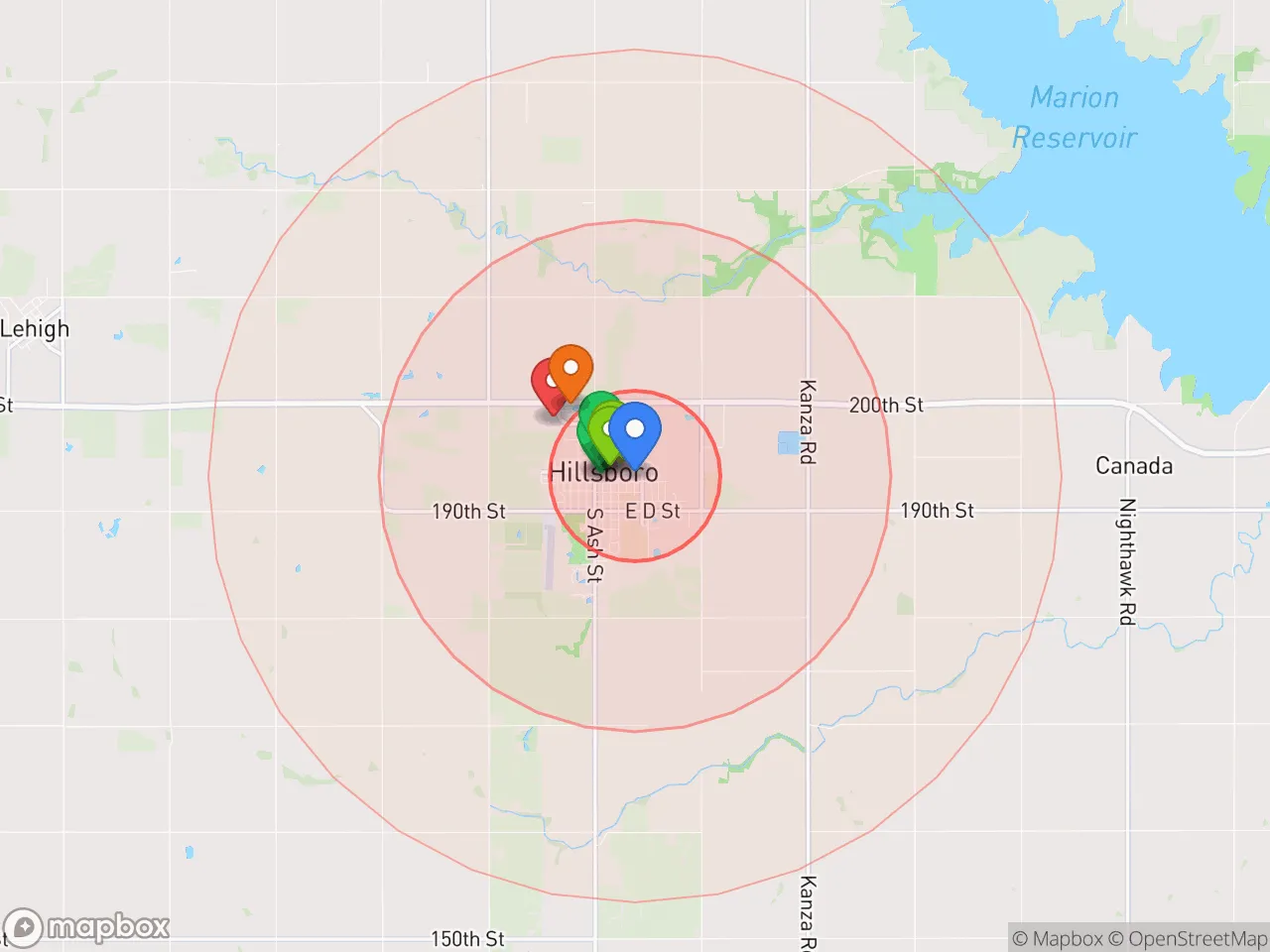
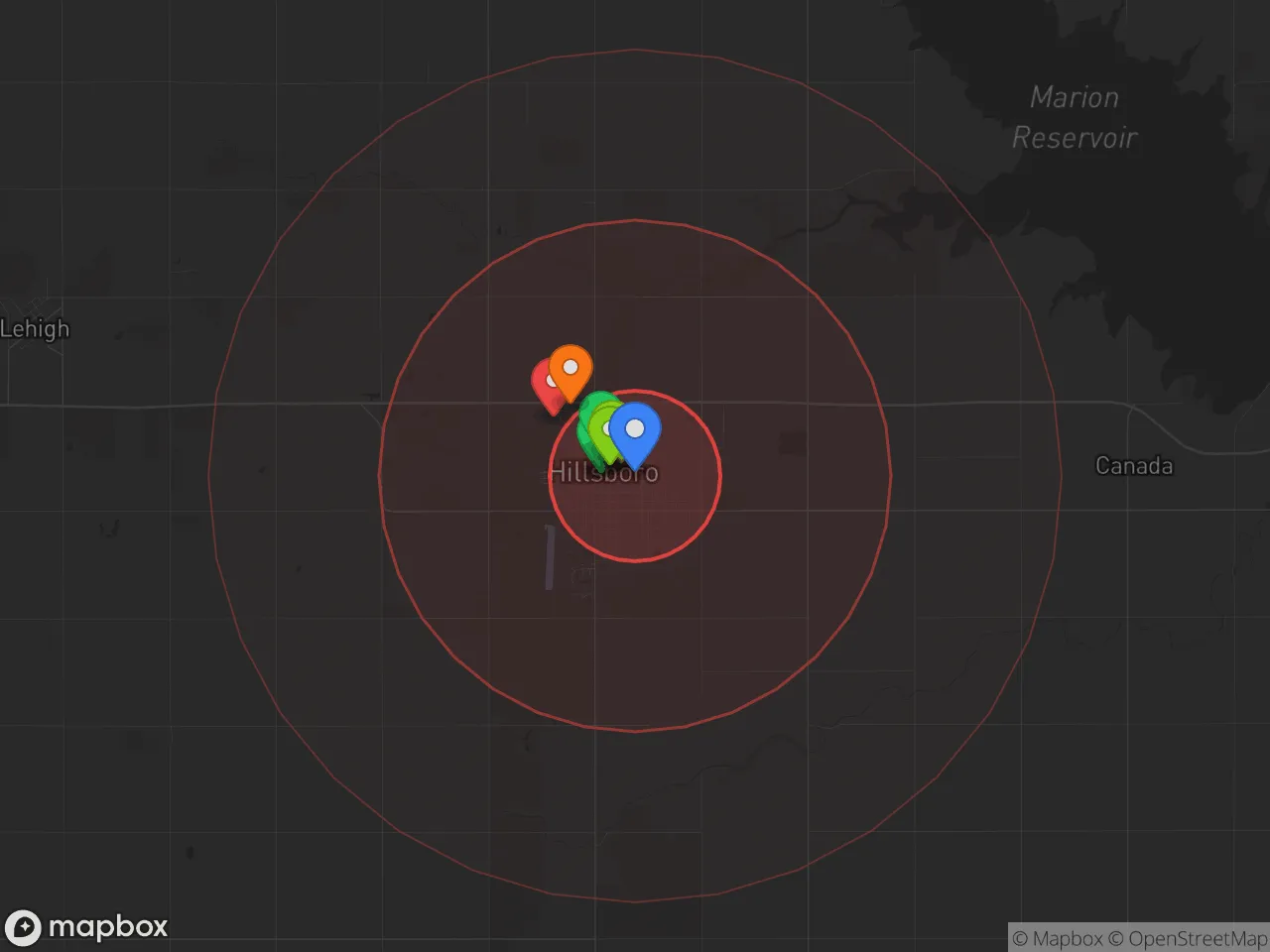
Hobbies
Explore the areaGroceries
0 within 10 miles
Gas
4 within 10 miles
Hospital
3 within 20 miles
Airport
MCI — Kansas City International
Post Office
USPS — Hillsboro, KS
Critical Amenities
Quality-of-Life Analysis
Hillsboro, Kansas, offers a notably affordable quality of life with a cost of living index of 54—nearly half the national average—making it one of the most budget-friendly communities in the state. The town of roughly 2,700 residents is predominantly composed of families, retirees, and agricultural workers who value a quiet, self-sufficient lifestyle. Median home values sit at $101,100, and the average commute is just under 15 minutes, reflecting a community where daily life is centered locally rather than tied to a distant urban job market.
How housing costs and everyday expenses compare to nearby towns
Hillsboro’s housing market is dramatically more accessible than the national median, with a median home value of $101,100 and median rent of $772 per month. For context, the median home value in nearby Marion is around $85,000, while in larger Newton it exceeds $150,000, placing Hillsboro in a middle ground for the region. The overall cost of living index of 54 means groceries, utilities, and transportation are all well below U.S. averages. A typical household here spends significantly less on housing than in Wichita (about 45 minutes south), where the cost of living index is roughly 83. The short average commute of 14.6 minutes further reduces transportation costs, as most residents work within Marion County or in adjacent communities like Peabody or Goessel.
Local amenities, schools, and the daily rhythm of life
Daily life in Hillsboro revolves around a compact downtown core, Tabor College (a private liberal arts institution), and a handful of local employers including Hillsboro Community Hospital and area grain elevators. The Hillsboro USD 410 school district serves roughly 600 students across three schools, with a student-teacher ratio near 14:1 that supports individualized attention. For shopping and dining, residents typically drive 20 minutes to Marion or 45 minutes to Wichita for major retail and entertainment. The town’s amenities include a public library, a city park with a swimming pool, and the Hillsboro Sports Complex, which hosts youth leagues and community events. The pace is slow and predictable—most businesses close by early evening, and weekend social life centers on church activities, high school sports, and seasonal festivals like the Hillsboro Arts & Crafts Fair.
This environment suits people who prioritize low costs, short commutes, and a close-knit community over urban convenience. Retirees on fixed incomes, remote workers seeking a low-overhead base, and families who want a safe, slow-paced setting for raising children will find Hillsboro particularly appealing. Those who need frequent access to big-city amenities, diverse dining, or robust public transit will likely feel constrained. For anyone whose primary goal is stretching a dollar while living in a quiet, rural Kansas town, Hillsboro delivers on its core promise of affordability without sacrificing basic services.

Crime in Hillsboro, KS
Lower crime rates than 91% of comparable U.S. locations.
Violent CrimeViolent Crime Analysis
Property CrimeProperty Crime Analysis
Crime Analysis
Hillsboro, Kansas, presents a notably low-crime environment, with violent and property crime rates that are a fraction of both state and national averages. The city's violent crime rate of 112.8 incidents per 100,000 residents is roughly one-third the Kansas average and about one-quarter the U.S. rate, while property crime at 338.5 per 100,000 is similarly well below typical benchmarks. This safety profile is consistent with Hillsboro's character as a small, close-knit community in rural Marion County, where residents benefit from low population density and strong local social ties.
Crime in context
Hillsboro's crime statistics place it among the safest communities in Kansas. The violent crime rate of 112.8 per 100,000 is significantly lower than the Kansas state average of approximately 340 per 100,000 and the national average of roughly 380 per 100,000. Property crime, at 338.5 per 100,000, is also far below the state average of about 2,100 per 100,000 and the national figure of approximately 1,950 per 100,000. These numbers reflect a community where serious crime is rare, and residents generally do not face the safety concerns common in larger urban or suburban areas. The city's location in a rural, agricultural region of central Kansas further insulates it from the crime patterns seen in metropolitan centers.
What residents experience
For those living in Hillsboro, daily life is characterized by a strong sense of security. The low crime rates mean that residents typically feel comfortable walking in their neighborhoods, letting children play outside, and leaving homes and vehicles unlocked without significant worry. The most common property crimes are occasional thefts from vehicles or minor burglaries, rather than the organized property crime rings seen in larger cities. Violent incidents are extremely uncommon, and when they do occur, they are almost always isolated incidents involving individuals known to one another rather than random acts against the public. The local police department maintains a visible presence, and community policing is facilitated by the town's small size and cohesive social fabric.
Neighborhood-level variation in Hillsboro is minimal, as the city's population of roughly 2,800 is relatively homogeneous in terms of socioeconomic status and housing stock. The most significant safety consideration is not crime but rather traffic safety on the state highways that pass through town, particularly US-56 and KS-15. Some residents near these thoroughfares report concerns about speeding vehicles, though this is a quality-of-life issue rather than a crime concern. Overall, Hillsboro offers a level of safety that is increasingly rare in modern America, making it an attractive option for families, retirees, and anyone seeking a low-crime environment in the heart of the Kansas Flint Hills.
* Values derived from national, state, county, city and local statistics and may differ in a specific area. Last updated: 2026-11-06T23:09:56.000Z
Narrative content on this page is AI-generated and may contain mistakes. Verify any details that matter before acting on them.
ReloMaps may earn a commission from affiliate links at no extra cost to you.

