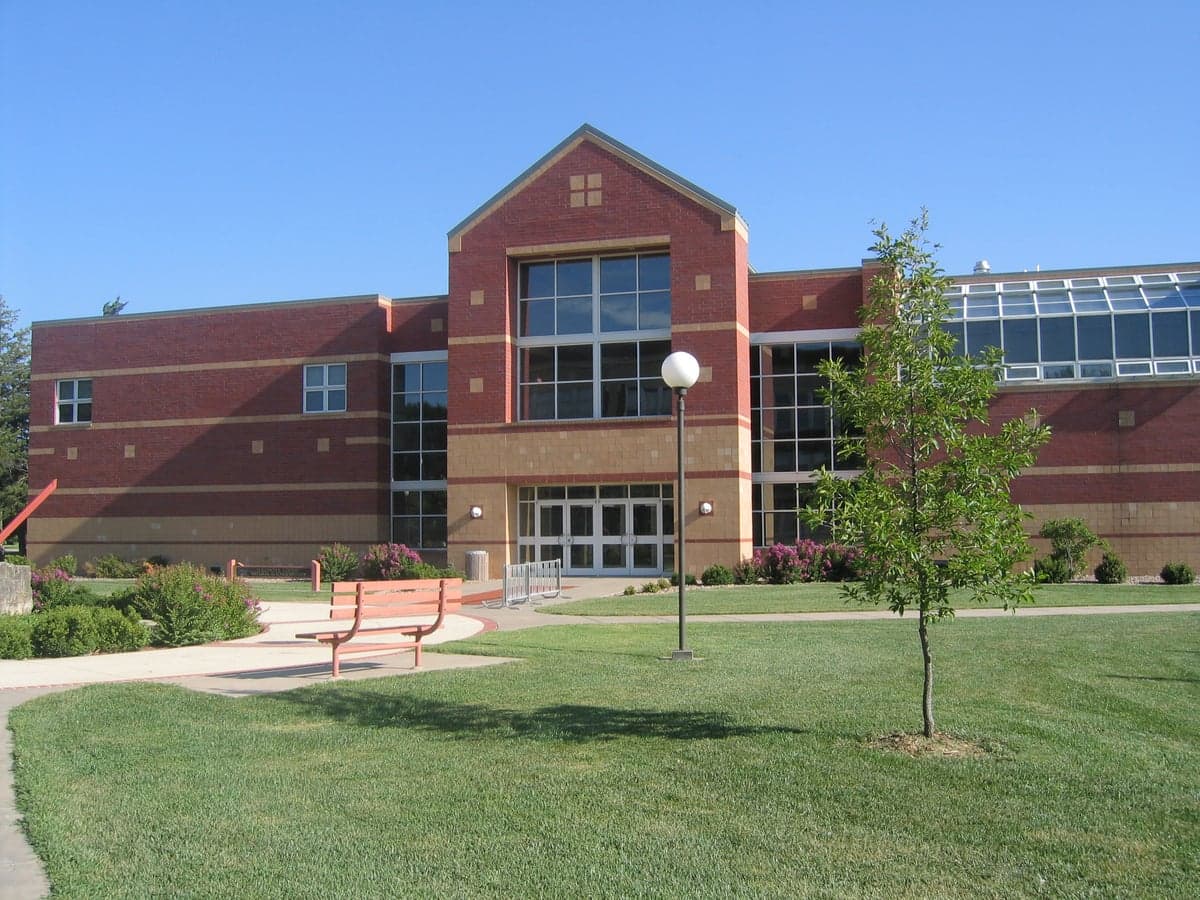
Photo: Wikipedia
Strategic Assessment of Hillsboro, KS
Workable tactical position. Some exposure to population density or targets, but generally defensible in a crisis.
What does the Strategic Assessment tell us?
Our Strategic Assessment grades tactical survivability of an area. Major population centers, military targets, fallout zones, natural disasters, and border exposure all drive risk — lower exposure means a more defensible position in a crisis.
This is heavily inspired by Joel Skousen's Strategic Relocation book. Highly recommended you checkout the book ($)What does this tell us?
Our Strategic Assessment grades tactical survivability of an area. Major population centers, military targets, fallout zones, natural disasters, and border exposure all drive risk — lower exposure means a more defensible position in a crisis.
This is heavily inspired by Joel Skousen's Strategic Relocation book. Highly recommended you checkout the book ($)Strategic Pillars
Key Distances
Regional Safe Places
Below is our recommended "safe zones" in Kansas and the surrounding area based on our strategic heuristics. For most people, it's unrealistic to live in a “safe zone” full-time due to work, family or other personal reasons. They tend to be more rural. However, many of these areas are perfect for second homes and retreat properties that double as a vacation home or even a short-term rental.
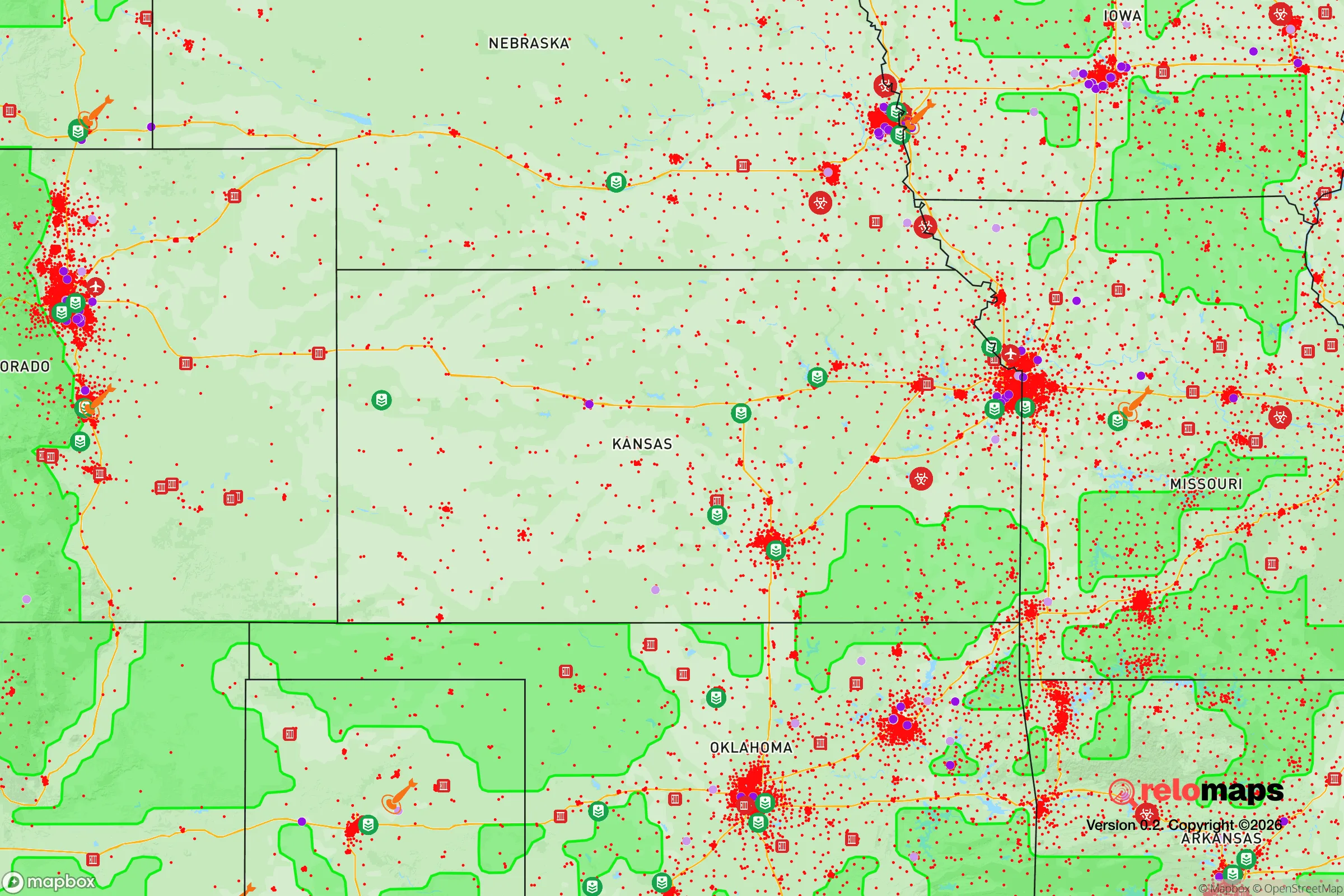
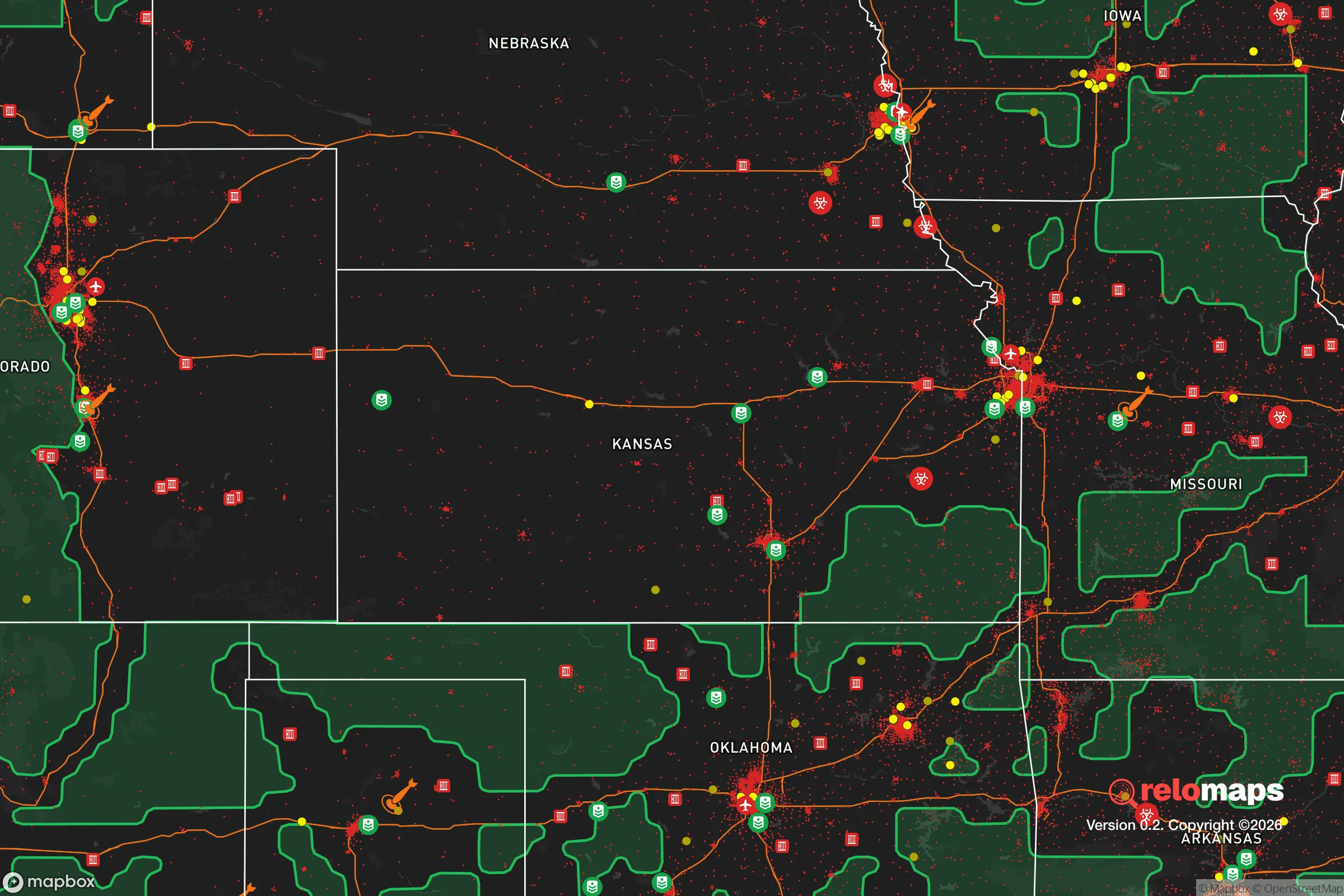


Important Note: For informational purposes only. This does not mean nothing bad ever happens in the green zones. Please use common sense. This is based on public data and modeled with AI. We tried to take a conservative approach but mistakes happen. We update this regularly as new information becomes available.
Solar Generator Recommendations
Backup power matters more here than in safer locations. We've picked three solar generators across budgets and capacity tiers — start with the budget unit if you only need a few essentials, or step up if you want to run a fridge and HVAC for days at a time.
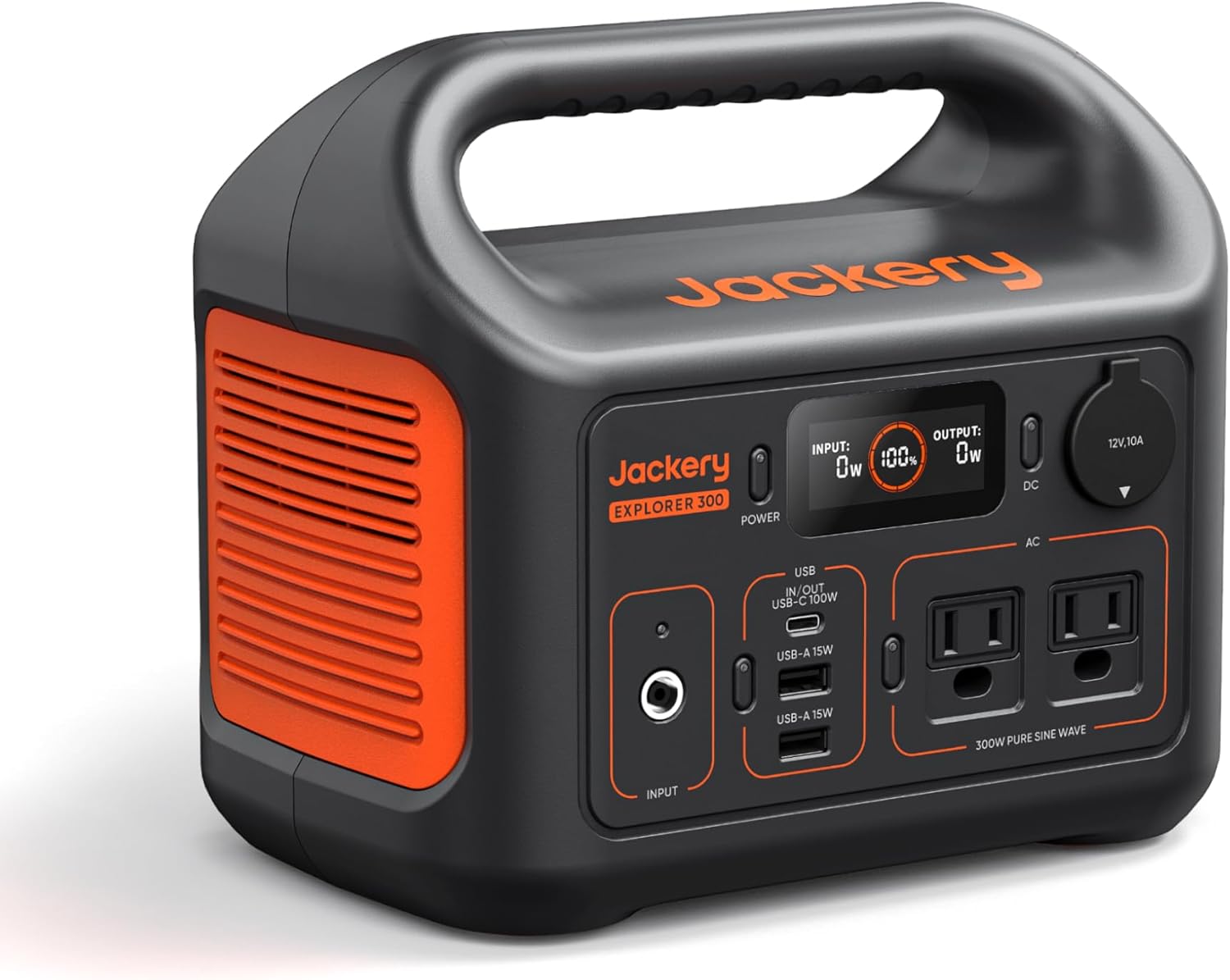
Jackery Portable Power Station Explorer 300
Budget OptionPower on the Go: Weighing only 11 lbs, it's convenient to set up and store with book-sized foldable solar panels

BLUETTI Portable Power Station AC180
Designed for both indoor and outdoor scenarios, AC180 is highly capable as it has a robost capacity and continuous output power.

EF ECOFLOW DELTA Pro Ultra Power Station
Upgraded PickEcoFlow DELTA Pro Ultra is a whole-home energy system designed to grow with your family. Integrated with the Smart Home Panel 2, it scales to meet your evolving energy needs — keeping your home powered, intelligent, and secure through every stage of life.
We earn a commission, at no additional cost to you.
Strategic Assessment Analysis
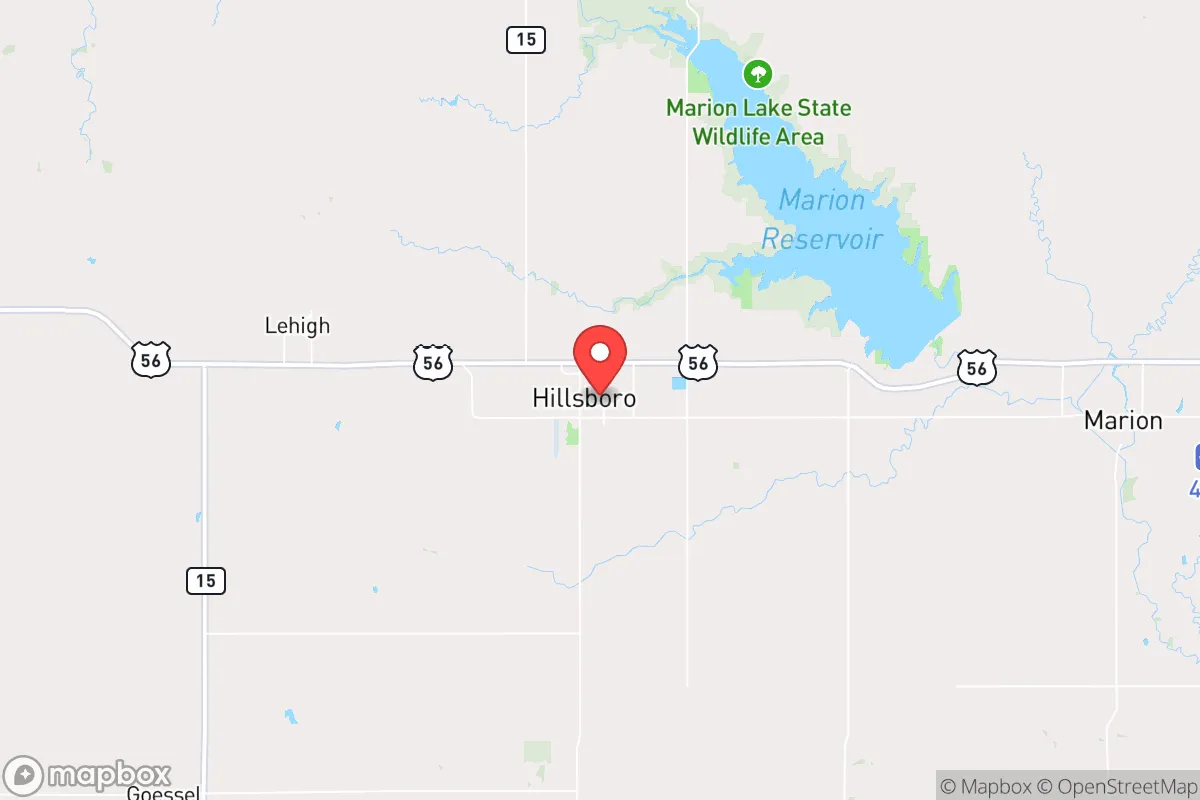
Hillsboro, Kansas, offers a compelling strategic profile for relocators prioritizing resilience and self-sufficiency, anchored by its position in the Flint Hills region and its distance from major metropolitan targets. The town’s location—roughly 50 miles north of Wichita and 90 miles southwest of Topeka—places it far enough from primary population centers to reduce exposure to cascading infrastructure failures or targeted disruptions, while still providing access to regional resources. Its agricultural heritage, stable groundwater supplies, and low population density (about 2,800 residents) create a foundation for practical, long-term preparedness that aligns with conservative values of independence and community self-reliance.
Geographic position and natural advantages for long-term stability
Hillsboro sits in Marion County, within the Flint Hills—a region defined by rolling prairie, limestone bedrock, and thin but fertile soils that have historically supported ranching and grain farming. The area’s elevation, roughly 1,400 feet above sea level, places it above the flood-prone river valleys of the Kansas River basin, reducing risk from catastrophic flooding. The local climate is continental, with hot summers and cold winters, but the region avoids the extreme tornado alley hotspots of central Oklahoma or northern Texas; Marion County averages about 12 tornadoes per decade, most of which are weak (EF0-EF1) and cause limited structural damage. The underlying geology—limestone and shale—provides natural water filtration and stable foundations for well drilling, with the Equus Beds aquifer lying roughly 100–200 feet below the surface, offering a reliable groundwater source that is less vulnerable to surface contamination than shallower aquifers in eastern Kansas. The Flint Hills’ tallgrass prairie ecosystem also supports native forage for livestock, meaning that a relocator with a few acres could sustain small-scale grazing without heavy inputs. For a family or individual seeking a location that is not a primary target for any large-scale disruption, Hillsboro’s combination of elevation, geology, and agricultural capacity is a genuine strategic asset.
Risk exposure, man-made threats, and proximity to fallout-relevant landmarks
The primary risk for Hillsboro is not natural disaster but proximity to man-made targets that could generate secondary effects. The town lies roughly 50 miles from McConnell Air Force Base in Wichita, a key strategic asset for the U.S. military’s tanker fleet and a potential target in a conflict scenario. While 50 miles provides significant standoff distance—enough to avoid blast or thermal effects from a conventional or even low-yield nuclear strike—fallout patterns depend heavily on wind direction. Prevailing winds in Kansas are from the south and southwest, meaning that a strike on McConnell could carry radioactive debris toward the Kansas City metro area, not directly toward Hillsboro. However, a strike on the Kansas City region (about 150 miles northeast) or on the intercontinental ballistic missile fields near Salina (about 60 miles northwest) could produce fallout that reaches Hillsboro under certain wind conditions. The town is also within 100 miles of the Wolf Creek Generating Station, a nuclear power plant near Burlington, Kansas, which, while well-regulated, represents a low-probability but high-consequence risk for airborne contamination. For the relocator, the key takeaway is that Hillsboro is not a primary target, but it lies within the secondary fallout zone for several high-value military and energy assets. Practical preparedness—a basement or interior shelter, potassium iodide supplies, and a HEPA-filtered ventilation system—is advisable, but the baseline risk is lower than for suburbs of Wichita or Kansas City.
Practical resilience for a relocator: food, water, energy, and defensibility
Hillsboro’s practical resilience is strong, particularly for those willing to invest in on-site systems. The town’s municipal water supply comes from the Marion Reservoir, a 6,000-acre lake about 10 miles west, but a private well drilled into the Equus Beds aquifer offers redundancy at a depth of 100–200 feet, with typical yields of 10–20 gallons per minute—enough for a household and small garden. The local soil, while rocky in places, supports vegetable gardening with raised beds or hoop houses; the growing season runs roughly April through October, with average annual rainfall of 33 inches, sufficient for dryland crops like wheat, corn, and sorghum. For protein, the surrounding county has over 100,000 acres of pasture, and small-scale poultry or rabbit operations are common among local homesteaders. Energy resilience is moderate: Hillsboro is served by Westar Energy (now Evergy), with a grid that is generally reliable but can experience outages during ice storms or high winds. Solar potential is good—the region averages 4.5–5.0 peak sun hours per day—and net metering is available for grid-tied systems, though battery storage is recommended for true off-grid capability. Natural gas is piped to the town, but propane tanks are common for rural properties and offer a stored fuel option for heating and cooking. Defensibility is a mixed picture: the town’s layout is compact, with a grid of streets and open farmland surrounding it, which provides good visibility but limited natural chokepoints. The local culture, rooted in Mennonite and Czech heritage, emphasizes community mutual aid—the Hillsboro Fire Department is volunteer-based, and the Marion County Sheriff’s Office has a substation in town. For a relocator, the practical takeaway is that Hillsboro offers a solid baseline for self-sufficiency, but achieving true resilience requires active investment: a well, solar panels, a root cellar, and a network of like-minded neighbors.
The overall strategic picture for Hillsboro is that of a low-profile, agriculturally grounded community with genuine resilience advantages—good water, decent soil, and a location far enough from major targets to avoid the worst of any large-scale disruption. It is not a hardened bunker or a remote mountain redoubt; it is a working Kansas town where preparedness is a practical tradition rather than a political statement. The risks are real but manageable: tornadoes are infrequent and weak, fallout exposure is possible but not probable, and the local economy (anchored by Tabor College, a Christian liberal arts school, and agribusiness) provides a stable social fabric. For a conservative-leaning family or individual who values self-reliance, community, and a slower pace, Hillsboro represents a rational choice—one that balances accessibility with distance, and vulnerability with capability. The key is to arrive with a plan, not just a hope: drill a well, plant a garden, meet the neighbors, and treat the town as a base for building long-term resilience, not as a passive refuge.

* Values derived from national, state, county, city and local statistics and may differ in a specific area. Last updated: 2026-11-06T23:09:56.000Z
Narrative content on this page is AI-generated and may contain mistakes. Verify any details that matter before acting on them.
ReloMaps may earn a commission from affiliate links at no extra cost to you.

