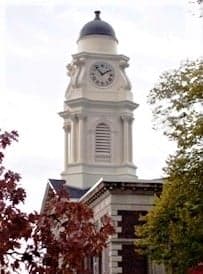
Photo: Wikipedia
Quality of Life in Irvington, NY
A high quality of life with strong walkability, manageable living costs, healthy neighborhood signals, and solid amenity access.
What does Quality of Life tell us?
Quality of Life blends cost of living, nearby amenities, socioeconomic signals, and neighborhood character. City-level scores represent the whole municipality; individual neighborhoods can differ.
What does this tell us?
Quality of Life blends cost of living, nearby amenities, socioeconomic signals, and neighborhood character. City-level scores represent the whole municipality; individual neighborhoods can differ.
Cost of Living
149% above national average
The Real Cost of Living in Irvington, NY for 2026
| Tier | Individual | Family (4) |
|---|---|---|
| Survival | $38k | $71k |
| Comfortable | $173k | $254k |
| Luxury | $306k+ | $474k+ |
| Elite (Top 5%) | $492k+ | $762k+ |
67%
The Area Signal
A metric tracking the socioeconomic signals of the area.
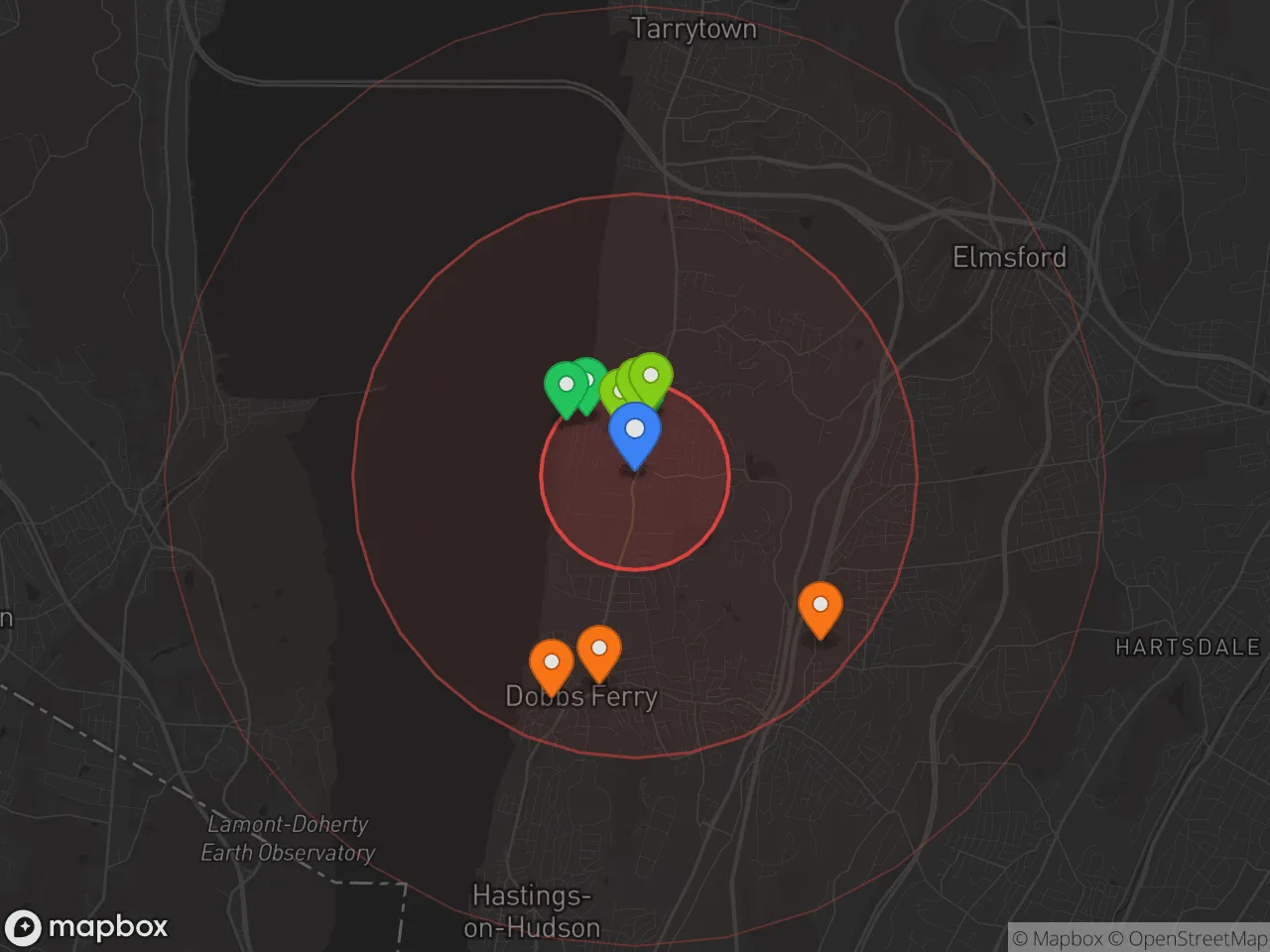
Hobbies
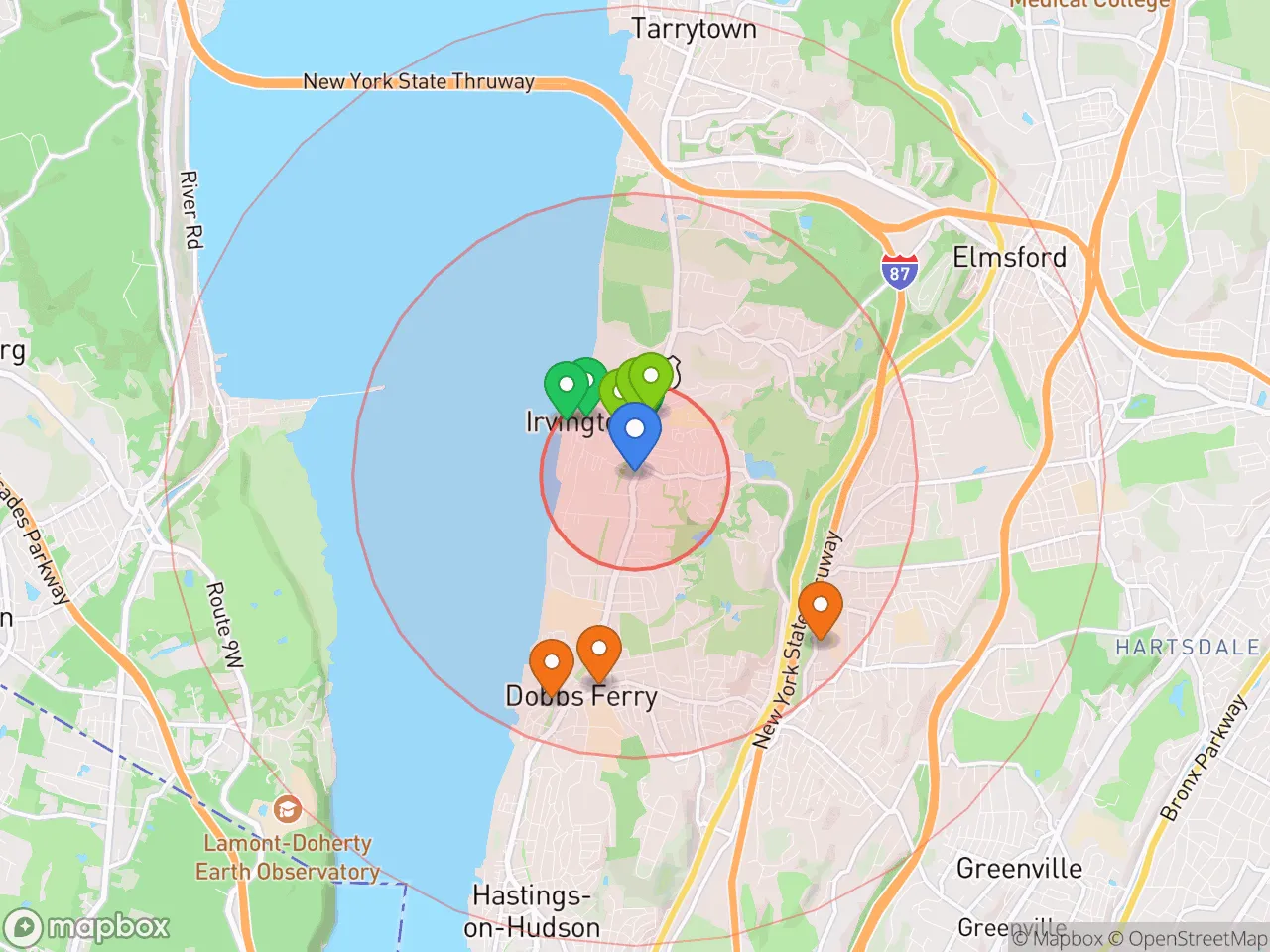
Explore the areaGroceries
8 within 10 miles
Gas
20 within 10 miles
Hospital
20 within 20 miles
Airport
JFK — John F. Kennedy International
Post Office
USPS — Irvington, NY
Critical Amenities
Quality-of-Life Analysis
Irvington, New York, is a wealthy Hudson River village in Westchester County where the cost of living index stands at 249—nearly two and a half times the U.S. average—reflecting a community built around high-earning professionals, executives, and families who prioritize top-tier schools, historic charm, and a commuter-friendly location. With a median home value of $889,800 and median rent of $2,376, the village attracts those who can afford a premium for its walkable downtown, riverfront parks, and direct Metro-North access to Manhattan. The average commute of 38 minutes places Irvington within easy reach of New York City while offering a distinctly suburban, small-town atmosphere.
Cost of living, housing, and affordability compared to nearby towns
Irvington’s cost of living is among the highest in Westchester County, driven primarily by housing. The median home value of $889,800 is roughly 30% higher than the national median but aligns closely with neighboring villages like Dobbs Ferry ($850,000) and Ardsley ($875,000). Renters face a median of $2,376 per month, which is above the Westchester average of $2,100 but below the $2,800+ seen in Scarsdale or Bronxville. Property taxes in Irvington are substantial—typical annual bills range from $15,000 to $25,000 for a single-family home—reflecting the high-quality school system and village services. Compared to Tarrytown or Sleepy Hollow just north, Irvington commands a premium for its quieter, more residential character and its historic district of Victorian and Colonial Revival homes. For buyers, the entry point for a modest single-family home is around $700,000, while riverfront properties often exceed $1.5 million. Renters on a budget may find more affordable options in nearby Yonkers or Elmsford, where median rents drop below $1,800.
What daily life is like: amenities, schools, and local rhythm
Daily life in Irvington centers on a compact, walkable downtown along Main Street, anchored by the Irvington Public Library, the historic Irvington Town Hall Theater, and a mix of independent shops, cafes, and restaurants like the River City Grille. The village’s crown jewel is the Irvington School District, consistently ranked among the top in New York State—Main Street School (K-2), Dows Lane School (3-5), and Irvington Middle/High School all post graduation rates above 98% and average SAT scores exceeding 1300. Outdoor amenities include the O’Hara Nature Center, the 1.5-mile Riverwalk along the Hudson, and Scenic Hudson’s nearby parks at Juhring Point and the Old Croton Aqueduct Trail. The village hosts a popular farmers market on Saturdays from May through November, and community events like the Irvington Street Fair and Halloween Parade draw residents from across the Rivertowns. The average commute of 38 minutes via Metro-North’s Hudson Line (with trains every 20-30 minutes during peak) means many residents work in Midtown Manhattan, returning to a quiet, tree-lined village where children walk to school and neighbors gather at the library or the Irvington Woods. Car ownership is common but not essential for daily errands, as the village is compact and the train station is a 10-minute walk from most homes.
Irvington is best suited for affluent professionals, particularly those with school-age children, who value a tight-knit community, historic architecture, and a short commute to New York City. Empty nesters and retirees also thrive here, drawn to the walkable downtown, cultural events, and river views. Budget-conscious families or singles seeking lower housing costs will find Irvington challenging, but for those who can afford the premium, the village offers a rare blend of suburban tranquility and urban accessibility that few Westchester towns can match.

Crime in Irvington, NY
Crime rates similar to the national median for U.S. locations.
Violent CrimeViolent Crime Analysis
Property CrimeProperty Crime Analysis
Crime Analysis
Irvington, New York, presents a mixed safety profile for those considering relocation. The village, part of Westchester County within the New York City metropolitan area, reports a violent crime rate of 361.3 per 100,000 residents and a property crime rate of 1,530.2 per 100,000. While these numbers place Irvington in a moderate range nationally, the surrounding region’s progressive prosecutorial and judicial philosophy raises concerns about long-term safety and offender accountability.
Crime in context
Irvington’s violent crime rate closely mirrors the New York State average of roughly 362 per 100,000, but exceeds the rate in many upstate and suburban counties that employ more traditional law-and-order approaches. Property crime in Irvington is notably higher than the state average of approximately 1,100 per 100,000 and sits moderately below the national rate of 1,950 per 100,000. This gap suggests that while violent incidents are not disproportionate, theft, burglary, and vehicle crime are more frequent than one might expect in an affluent Hudson River village. Critics point to Westchester County’s liberal district attorneys and judges—who often prioritize diversion and reduced sentencing—as a contributing factor: such policies can lead to quicker release of repeat offenders who then commit additional property crimes within the village.
What residents experience
Residents describe Irvington as generally peaceful in day-to-day life, but concerns center on opportunistic property crime, including package thefts from porches and unlocked-vehicle entries. The village’s small size (roughly 6,500 residents) and compact downtown mean many incidents are localized near the Metro-North train station and along Broadway. Violent crime is rare but not absent; occasional aggravated assaults and robberies occur, often tied to disputes or late-night activity. Under the progressive sentencing framework common to Westchester, offenders often receive minimal jail time or are cycled through alternative programs, which reduces deterrence and frustrates victims. For families who prioritize visible public safety and swift accountability, this dynamic is a meaningful negative.
Neighborhood-level variation is limited due to Irvington’s relatively uniform housing stock and income levels. However, areas closer to the Ardsley border and the Hudson River waterfront tend to report fewer incidents, while blocks near the commercial corridor and the Rivertown’s edge see slightly higher property crime. Overall, the village remains safer than many urban neighborhoods in adjacent Yonkers or Mount Vernon, but the broader regional justice environment means potential residents should factor in the risk of property crime and the reduced likelihood of meaningful consequences for offenders.
* Values derived from national, state, county, city and local statistics and may differ in a specific area. Last updated: 2026-06-20T16:23:44.000Z
Narrative content on this page is AI-generated and may contain mistakes. Verify any details that matter before acting on them.
ReloMaps may earn a commission from affiliate links at no extra cost to you.

