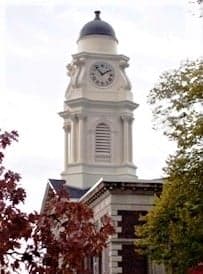
Photo: Wikipedia
Demographics of Irvington, NY
Affluence Level in Irvington, NY
A wealthy area with high-earning, well-educated households. Incomes, home values, and educational attainment meaningfully outpace national averages.
People of Irvington, NY
Irvington, NY, is a tight-knit village of 6,541 people defined by its 86% college-educated adult population and a strong sense of historic continuity. The community remains predominantly white (74.5%) but has become notably more diverse over the past two decades, with Hispanic residents at 11.2% and East/Southeast Asian communities at 6.7%, plus a separate Indian‑subcontinent cohort of 1.9%. The village blends old-money estates, modern commuter families, and a growing share of professionals who value the top‑rated Irvington Union Free School District.
How the city was settled and grew
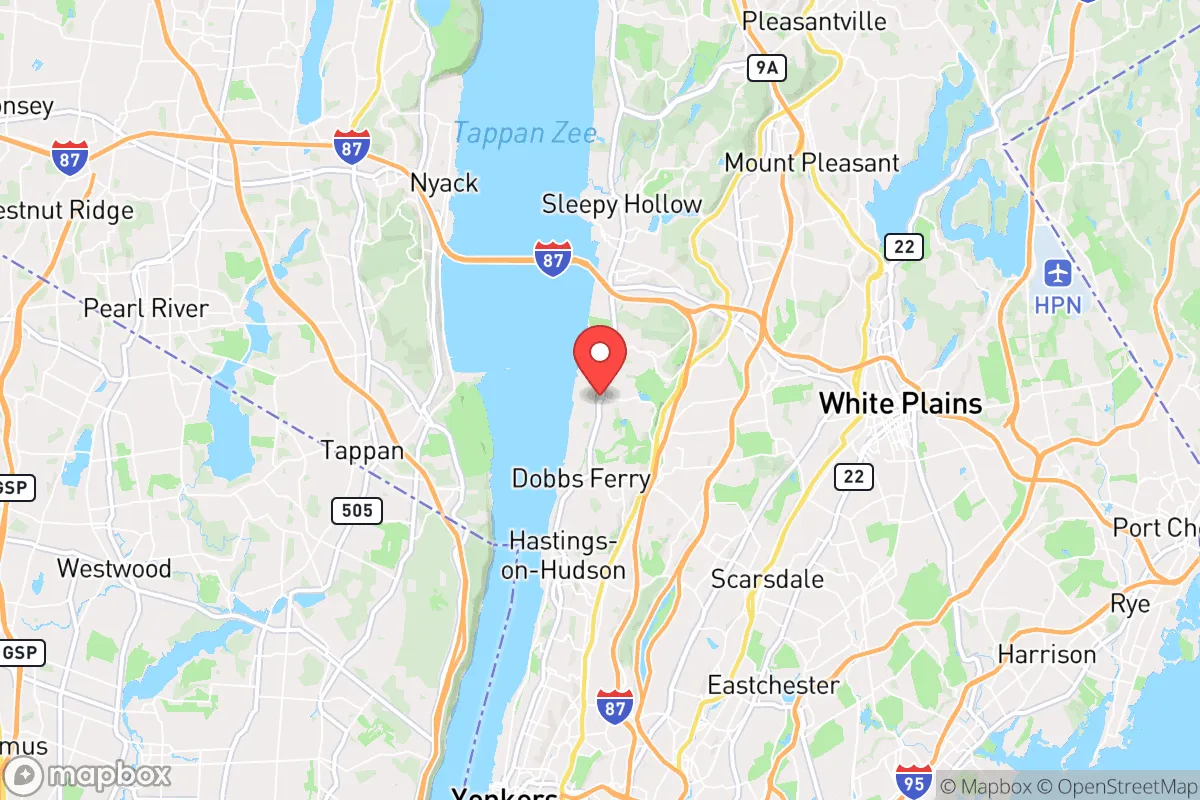
Irvington’s settlement story begins with the Dutch and English farmers who worked the Manor of Philipsburg in the 17th and 18th centuries, but the village’s real growth came after the Hudson River Railroad arrived in 1849. Wealthy New York City families—such as railroad magnate Jay Gould—built sprawling estates along the river, anchoring the West Irvington neighborhood with Gilded Age mansions like Lyndhurst and the Armour‑Stiner Octagon House. Irish and German laborers, who built the railroad and worked the estates, settled in the Main Street corridor and the area around the train depot, forming the village’s earliest working‑class enclaves. By the early 20th century, second‑ and third‑generation immigrants moved into the South Irvington section (near the Tarrytown border), where modest homes and small businesses lined Broadway. The village incorporated in 1872 and remained a predominantly white, affluent commuter suburb through the 1950s.
Modern era (post-1965)
The 1965 Hart‑Celler Act opened immigration channels, but Irvington’s foreign‑born population remains modest at just 5.9%—well below the Westchester County average. Post‑1965 domestic in‑migration, however, reshaped the village. Young professional families from New York City, drawn by the school system and the 30‑minute express train to Grand Central, began replacing older estate owners starting in the 1970s. The East Irvington neighborhood—east of the railroad tracks, with its mid‑century ranches and split‑levels—became the primary landing area for these newcomers. Hispanic households (now 11.2%) began arriving in the 1980s and 1990s, settling mainly in East Irvington and the Hudson Park area near the waterfront, where multi‑family homes provide more affordable entry points. East/Southeast Asian families (Chinese, Korean, Japanese) moved in during the 2000s, often into the newer condominiums along Main Street and into North Irvington around Cyrus Field. The small Indian‑subcontinent community (1.9%) arrived more recently and is dispersed across the village, with a slight concentration near the South Irvington school cluster. Today, Irvington is 74.5% white—a higher share than Westchester overall (62%)—but its non‑white share has climbed from roughly 15% in 2000 to over 25% in 2024, reflecting steady diversification without a sudden demographic break.
The future
Irvington’s population has been virtually flat for two decades (6,541 in 2024, vs. 6,420 in 2000), constrained by limited housing supply and high property values. The village is likely to become moderately more diverse over the next 10‑20 years, driven by in‑migration of East/Southeast Asian and Hispanic families seeking good schools, and by natural increase among existing minority populations. New development remains limited to small infill projects, such as the once‑proposed Main Street overlay district, so most future residents will enter the existing housing stock—especially the older homes in East Irvington and the Hudson Park area. The white share may dip toward 68–70% by 2040, while Hispanic and Asian shares each grow to about 12–15%. Culturally, the village will retain its strong identity centered on the school district, civic engagement, and the historic fabric of West Irvington, but its social gatherings and local organizations are already becoming more inclusive of newer residents.
For someone moving in now, Irvington is becoming a slightly more cosmopolitan version of its old self—still wealthy and highly educated, but no longer an exclusively white enclave. The practical effect for families is a richer mix of classmates and neighbors, while the village’s conservative fiscal habits (low taxes for the region, avid support for local control) remain intact. New arrivals, whatever their background, will find a community that prizes its schools, its historic character, and its quiet, commuter‑friendly pace.

* Values derived from national, state, county, city and local statistics and may differ in a specific area. Last updated: 2026-06-20T16:23:44.000Z
Narrative content on this page is AI-generated and may contain mistakes. Verify any details that matter before acting on them.
ReloMaps may earn a commission from affiliate links at no extra cost to you.

