Find The Best Places To Live in St Clair County
PRO TIP! You can paste a Zillow or Redfin link to get info on that property.
Best Places to Live in St Clair County
Cities & Towns in St Clair County
Cities in St Clair County
What It's Like Living in St Clair County, IL
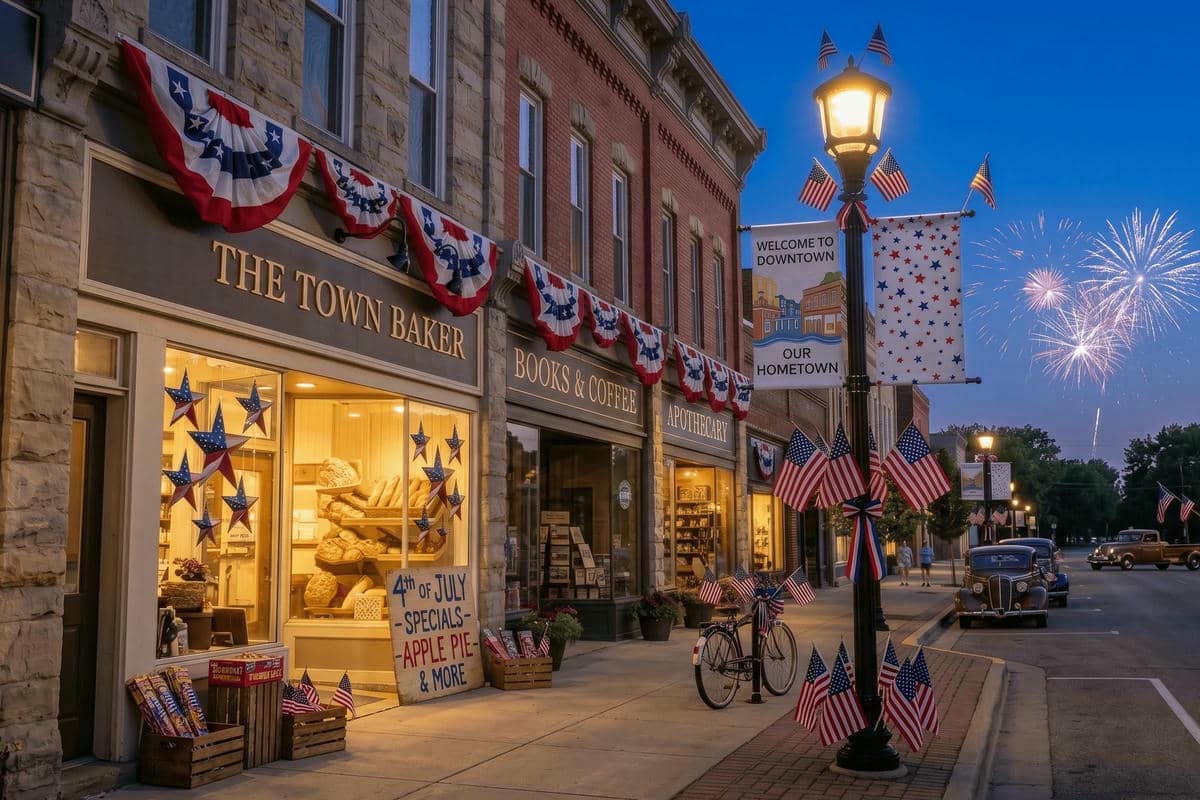
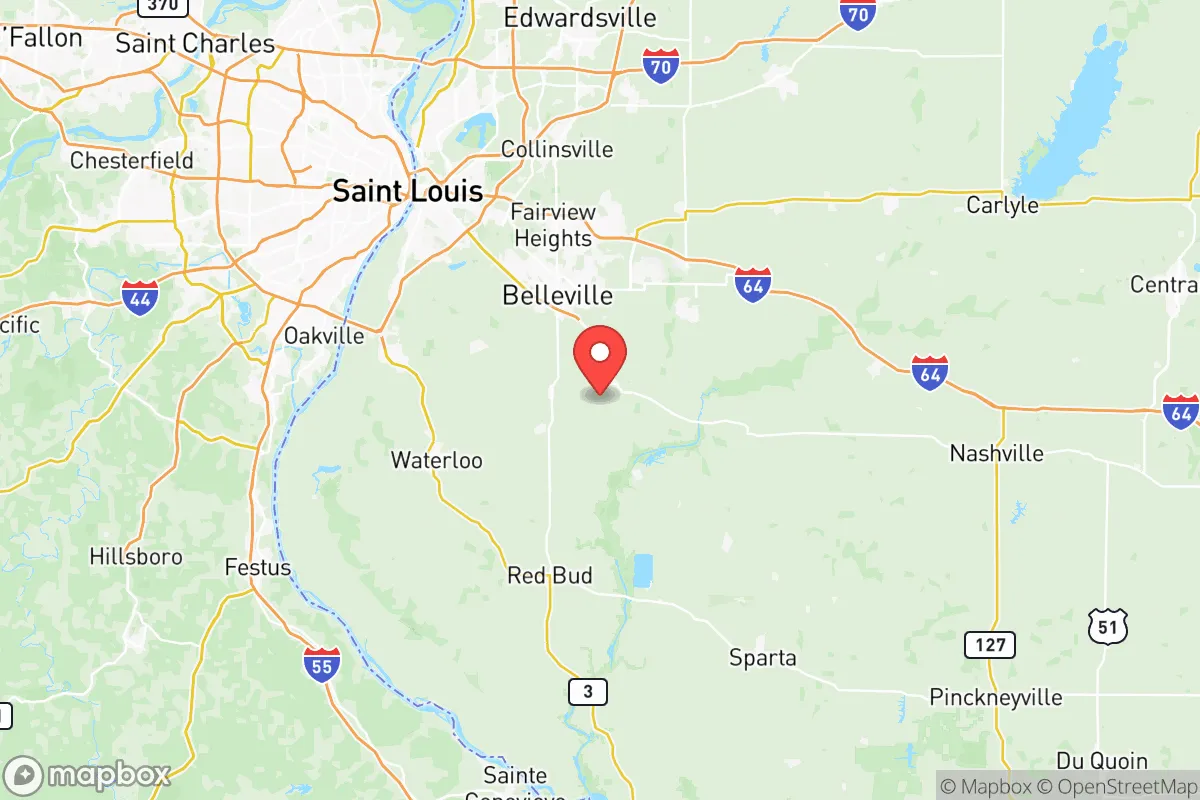
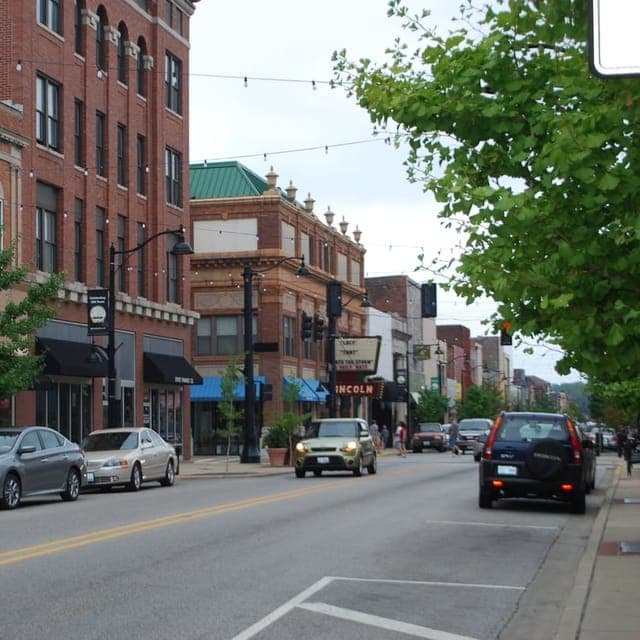
Living in St. Clair County, Illinois, means you’re part of a sprawling, down-to-earth region that blends Mississippi River town history with suburban practicality and stretches of genuine farmland. The county’s identity isn’t one-size-fits-all—Belleville feels like a classic county seat with a walkable square and old brick homes, while O’Fallon and Shiloh have boomed with new subdivisions and chain retail that cater to families commuting to Scott Air Force Base or into St. Louis. Farther out, towns like Mascoutah and Freeburg hold onto a small-town, agricultural rhythm, and East St. Louis anchors the county’s urban edge with a complex history and ongoing revitalization efforts. It’s a place where your neighbors might be active-duty military, multi-generational German-Catholic families, or young couples who got priced out of St. Louis city proper.
Daily Rhythm: Commutes, Weekends, and Where You Actually Spend Your Time
The average commute here clocks in just under 25 minutes, which feels about right—most people drive to work, whether that’s a short hop to Scott Air Force Base, a 20-minute cruise into downtown St. Louis, or a local job in healthcare or education. The county’s median income of $70,178 supports a comfortable, if not flashy, lifestyle. Weekends often mean hitting a local spot for lunch—Hearth in Belleville for wood-fired pizza and craft beer, or Peppers in O’Fallon for a reliably good burger and a patio crowd. Shopping leans practical: you’ll find the usual big-box stores along the 64 corridor in Fairview Heights, but also niche places like Eckert’s Farm in Belleville for seasonal produce and apple picking. Families spend Saturday mornings at soccer games or wandering the Belleville Farmers Market, while retirees and younger singles might head to the Art on the Square festival in Belleville each spring, which draws serious crowds for a juried art show that punches above the county’s weight.
Sports, Community Pride, and the Scott Air Force Base Influence
High school sports are a genuine cultural force here, especially in towns like O’Fallon and Belleville. O’Fallon Township High School’s football games on Friday nights pack bleachers with parents, students, and alumni who never really left. The rivalry between Belleville East and Belleville West is the kind of thing locals bring up year-round, and it gives the county a distinct Midwest high school sports energy. College and pro fandom tilts heavily toward St. Louis—people here are Cardinals fans first, Blues fans second, and they’ll drive the 20 minutes to Busch Stadium without a second thought. Scott Air Force Base is the county’s largest employer and a defining presence: it brings in a steady flow of military and civilian families from across the country, which keeps the area from feeling insular. That transience means neighborhoods in O’Fallon and Shiloh are full of people who are friendly but maybe not planting permanent roots, while older towns like Mascoutah have a deeper, multi-generational stability.
What’s There to Do: Parks, Festivals, and the River
Outdoor life revolves around the Mississippi River and the county’s surprisingly robust park system. Horseshoe Lake State Park near Granite City is a go-to for fishing, kayaking, and birdwatching, especially during fall migration. The MetroBikeLink trail runs through the county and connects Belleville to the St. Louis region, giving cyclists and runners a paved route that cuts through woods and farmland. For entertainment, the St. Clair County Fair in Belleville is a classic mid-summer draw with carnival rides, 4-H livestock shows, and fair food. Music venues are modest but present—The Foundry in St. Louis is close enough to count, and local bars in Belleville and O’Fallon host cover bands and acoustic acts on weekends. The biggest cultural quirk? The county has a deep German Catholic heritage, visible in towns like Belleville and Mascoutah, where church picnics and fish fries during Lent are still a big deal. It’s not a flashy nightlife scene, but there’s a steady, comfortable social calendar built around community events and high school schedules.
Pros and Cons of Living Here: What Locals Actually Say
- Pro: Cost of living is genuinely low. With a cost of living index of 77 (well below the national average of 100) and a median home value of $168,800, a median income of $70,178 goes a long way. You can buy a solid three-bedroom in Belleville or O’Fallon without stretching yourself thin, and rent is manageable even for single people starting out.
- Pro: Location relative to St. Louis. You get Midwest city amenities—NFL games, a world-class zoo, major airport—without paying city taxes or dealing with dense urban traffic. The commute is short enough that going to a Cardinals game or dinner in the Central West End feels like a normal weeknight option.
- Con: Violent crime is uneven. The county’s violent crime rate of 243.3 per 100,000 is higher than the national average, but that number is heavily skewed by East St. Louis. Most of the suburban and rural towns—O’Fallon, Shiloh, Mascoutah, Freeburg—have crime rates that feel much safer. Locals know this, but it’s worth understanding if you’re looking at the county as a whole.
- Con: Not a ton of nightlife or young-single energy. With a median age of 39.5, the county leans family-oriented. If you’re under 30 and looking for a vibrant bar scene or a dense social scene of other singles, you’ll likely find yourself driving into St. Louis regularly. The social life here revolves around home, kids, and community events, not late-night spots.
- Con: Summers are sticky and winters are gray. The weather is classic Midwest—humid summers that make you grateful for air conditioning, and overcast winters that can feel long. It’s not a dealbreaker for most, but the seasonal rhythm is real, and cabin fever sets in by February.

* Values derived from national, state, county, city and local statistics and may differ in a specific area. Last updated: 2026-07-19T21:21:53.000Z
Narrative content on this page is AI-generated and may contain mistakes. Verify any details that matter before acting on them.
ReloMaps may earn a commission from affiliate links at no extra cost to you.

