Photo: Wikipedia
Find The Best Places To Live
in East St. Louis
PRO TIP! You can paste a Zillow or Redfin link to get info on that property.
What It's Like Living in East St. Louis, IL
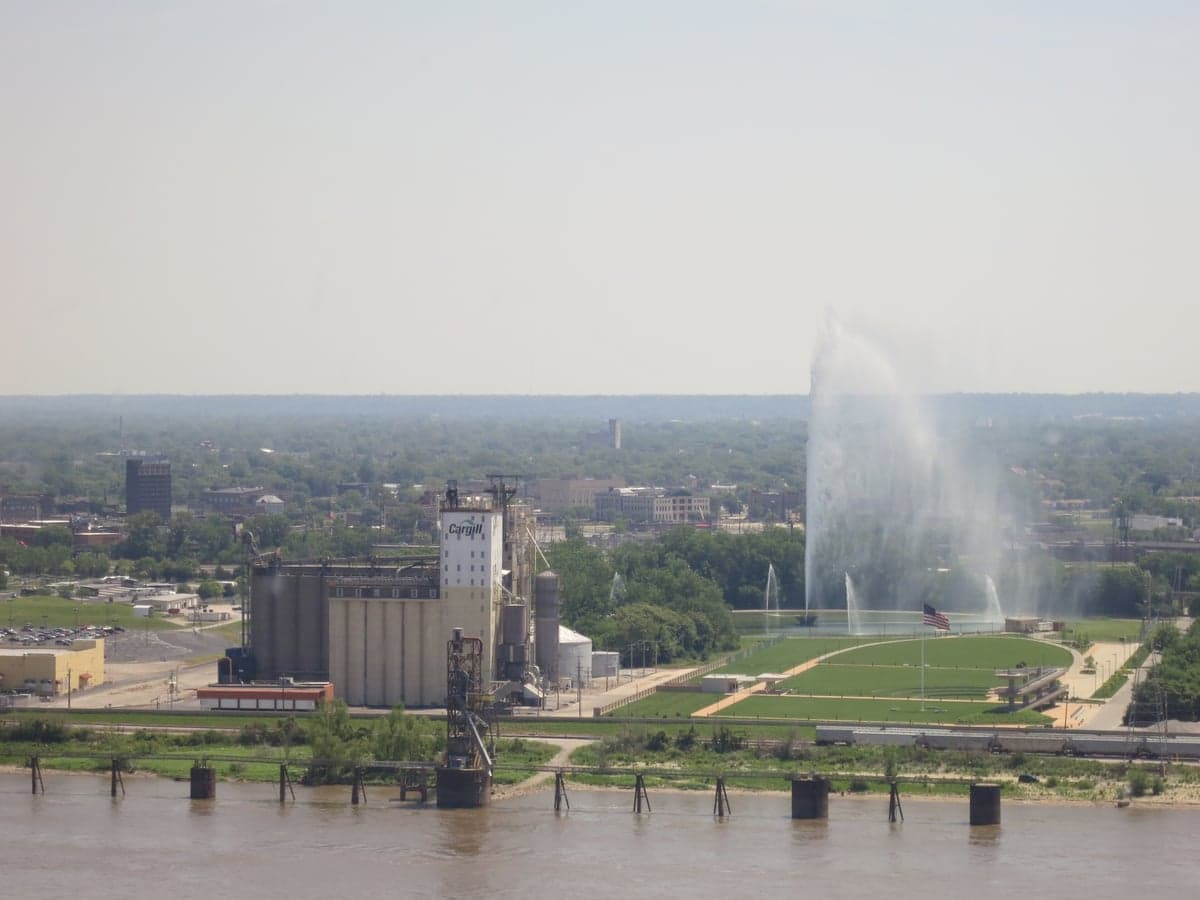
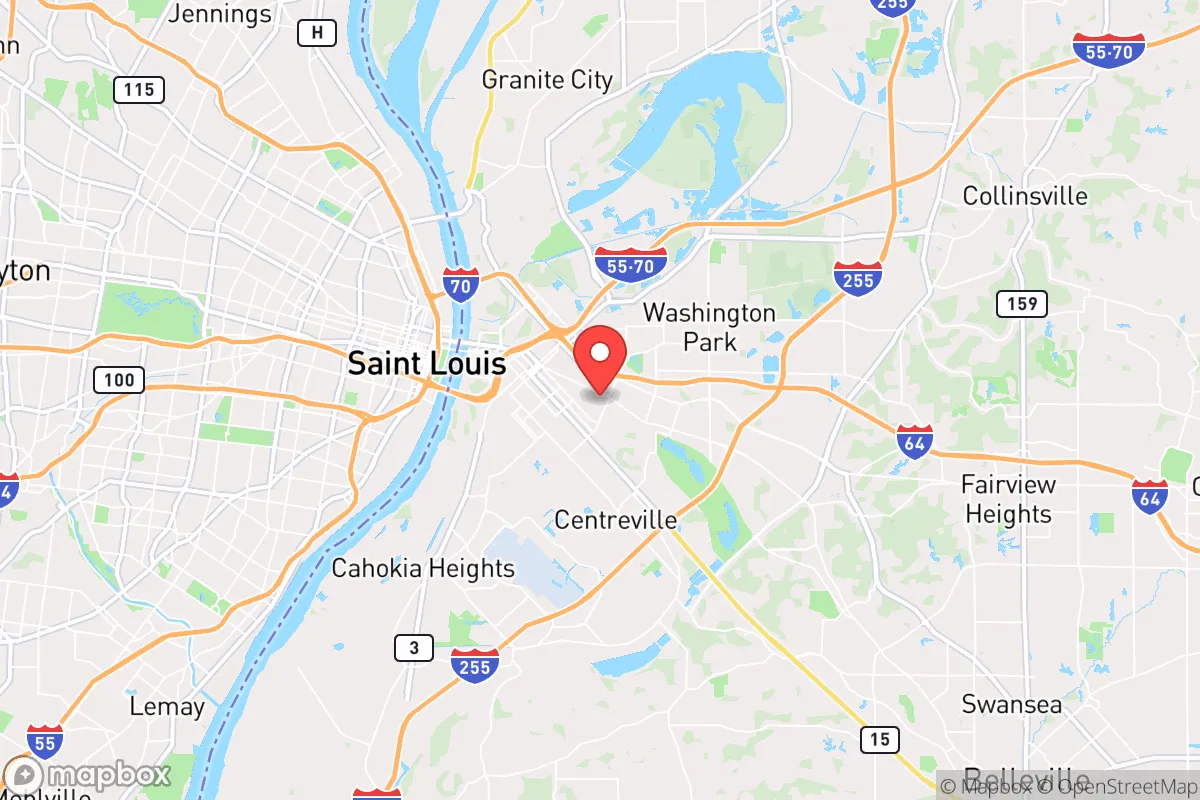
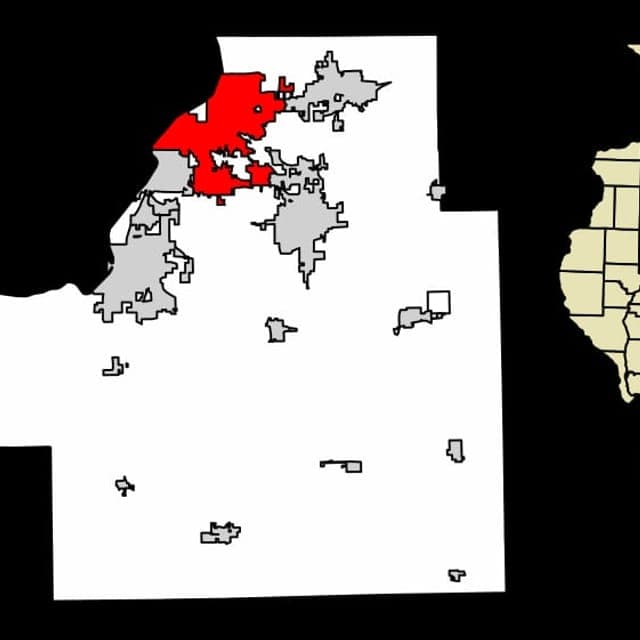
East St. Louis, Illinois, is a city that carries a heavy history and a quiet, stubborn resilience. With a population of just over 18,000, it feels less like a bustling suburb of St. Louis and more like a small, tight-knit town where everyone knows the struggles and the few remaining bright spots. Living here means being part of a community that’s seen better days but still holds onto a distinct, no-nonsense identity—a place where the cost of living is almost impossibly low, but the challenges are just as real.
The Daily Rhythm: What Life Actually Looks Like
Daily life in East St. Louis moves at a slower, more deliberate pace than across the river in Missouri. The median age is 45.1, noticeably older than the national average, which gives the city a quieter, more settled feel. Many residents are long-timers who remember when the stockyards and factories hummed, and they’ve stayed out of loyalty or necessity. The average commute is about 22.5 minutes, which is manageable—most people drive into St. Louis proper or to nearby industrial jobs in Sauget or Granite City. Shopping is practical: you’ll find residents at the Save A Lot on State Street or heading to the big-box stores in Fairview Heights for anything beyond basics. Weekends often revolve around church, family cookouts, and tending to modest homes—the median home value sits at just $52,700, which means many families own their houses outright, a rare stability in a region with a median income of $30,992.
Sports, Community, and the Local Identity
High school sports are the heartbeat of East St. Louis. The East St. Louis Flyers—especially the football and basketball programs—are legendary across Illinois. Friday night games at Clyde C. Jordan Stadium are a genuine community event, drawing alumni and families from across the metro-east. The Flyers’ football team has won multiple state championships, and the pride in those programs is one of the few unifying forces in a city that’s otherwise fractured by poverty and disinvestment. Beyond high school, there’s no major pro team in town, but the St. Louis Cardinals and Blues are just a 10-minute drive across the Poplar Street Bridge, and many residents consider them hometown teams. The city’s cultural identity is deeply rooted in its African American heritage—the annual East St. Louis Jazz Festival at the Jackie Joyner-Kersee Center is a highlight, drawing regional acts and old-timers who remember the city’s blues and jazz heyday.
What’s There to Do: Parks, Eats, and Honest Entertainment
Entertainment options are limited, but they’re meaningful. The Jackie Joyner-Kersee Center is the crown jewel—a massive youth and community facility with a gym, track, and event space. It’s where kids go for after-school programs and where the city gathers for festivals and health fairs. For outdoor life, Frank Holten State Park on the city’s east side offers a golf course, fishing lake, and hiking trails that feel surprisingly remote. The Casino Queen (now DraftKings at Casino Queen) is a major employer and draws visitors for gambling and the riverfront view, though it’s more of a regional draw than a local hangout. When it comes to food, you’re looking at soul food staples—places like Big Daddy’s on Missouri Avenue serve fried catfish, ribs, and greens that locals swear by. There’s no craft beer scene or trendy brunch spot; the vibe is working-class, practical, and unpretentious. The cost of living index is 38—far below the national average—so a dollar goes a long way here, but that’s partly because the amenities are sparse.
Pros and Cons of Living Here: The Honest Trade-Offs
Longtime residents will tell you the biggest pro is the affordability. You can buy a home for under $60,000, and property taxes are low compared to the rest of Illinois. The sense of community among those who stay is genuine—neighbors look out for each other, and there’s a shared understanding of the city’s struggles. The cons are significant and unavoidable. The violent crime rate is 243.3 per 100,000, which is higher than the national average, though it’s concentrated in specific areas and often tied to drug activity. Only 14.7% of adults hold a college degree, and the job market is thin—most employment is in healthcare, education, or the remaining industrial plants. The schools are a major frustration for families; the East St. Louis School District has faced decades of state oversight and funding challenges, which pushes many parents to consider private or charter options or to move across the river. Weather is typical Midwestern—hot, humid summers and cold winters—but the city’s aging infrastructure means flooding can be a real issue during heavy rains, especially in lower-lying neighborhoods near the Mississippi.
Living in East St. Louis is not for everyone. It’s a place for people who value low cost of living above all else, who have family roots here, or who are willing to commute for work and accept the trade-offs in services and safety. The city has a raw, unpolished character that can feel isolating to newcomers, but for those who stay, it’s home—flawed, quiet, and stubbornly holding on.

Similar towns to East St. Louis

* Values derived from national, state, county, city and local statistics and may differ in a specific area. Last updated: 2026-10-10T16:27:22.000Z
Narrative content on this page is AI-generated and may contain mistakes. Verify any details that matter before acting on them.
ReloMaps may earn a commission from affiliate links at no extra cost to you.

