Quality of Life in St Clair County
A livable area that tracks near national norms for affordability, walkability, and neighborhood health.
What does Quality of Life tell us?
Quality of Life measures an area by evaluating factors like cost of living, nearby amenities, country club access, airport proximity, socioeconomic signals and neighborhood character. For large states, this is a general average — quality of life can vary dramatically between metro areas, suburbs, and rural communities within the same state.
What does this tell us?
Quality of Life measures an area by evaluating factors like cost of living, nearby amenities, country club access, airport proximity, socioeconomic signals and neighborhood character. For large states, this is a general average — quality of life can vary dramatically between metro areas, suburbs, and rural communities within the same state.
Cost of Living
23% below national average
146%
The Real Cost of Living in St Clair County for 2026
| Tier | Individual | Family (4) |
|---|---|---|
| Survival | $16k | $31k |
| Comfortable | $33k | $48k |
| Luxury | $125k+ | $193k+ |
| Elite (Top 5%) | $146k+ | $227k+ |
Quality-of-Life Analysis
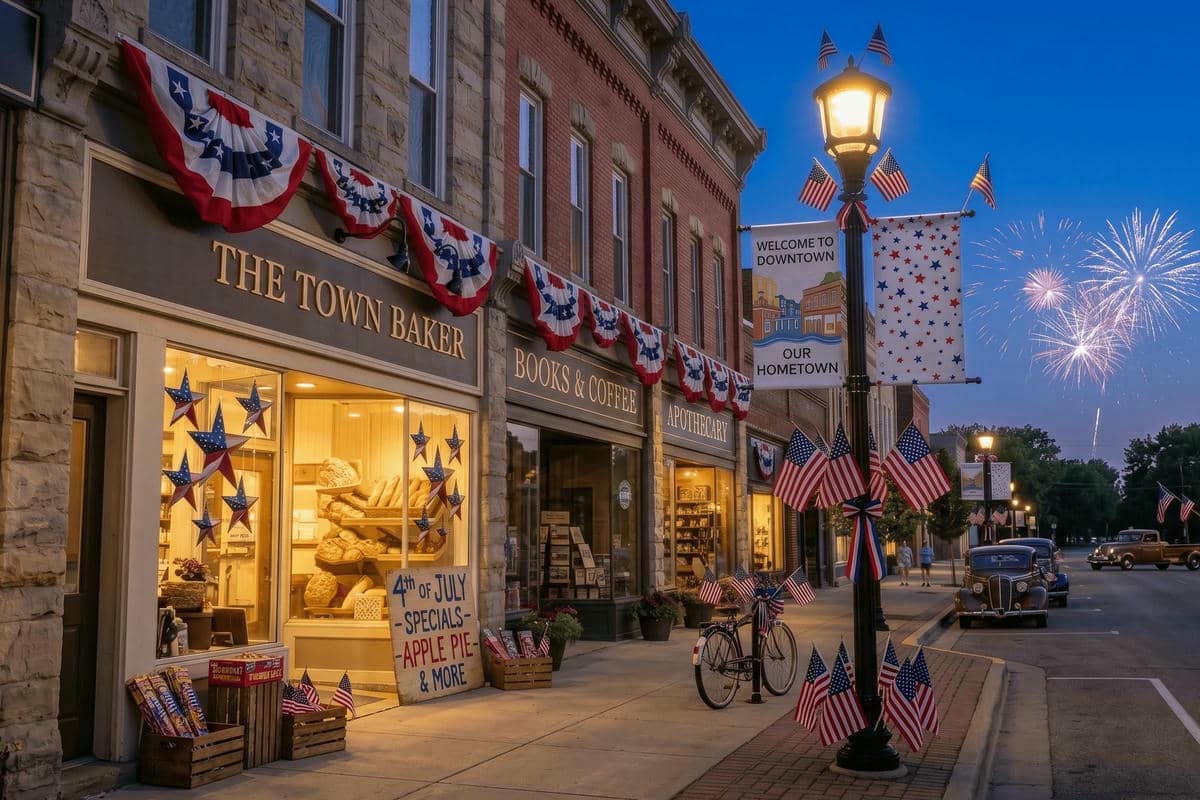
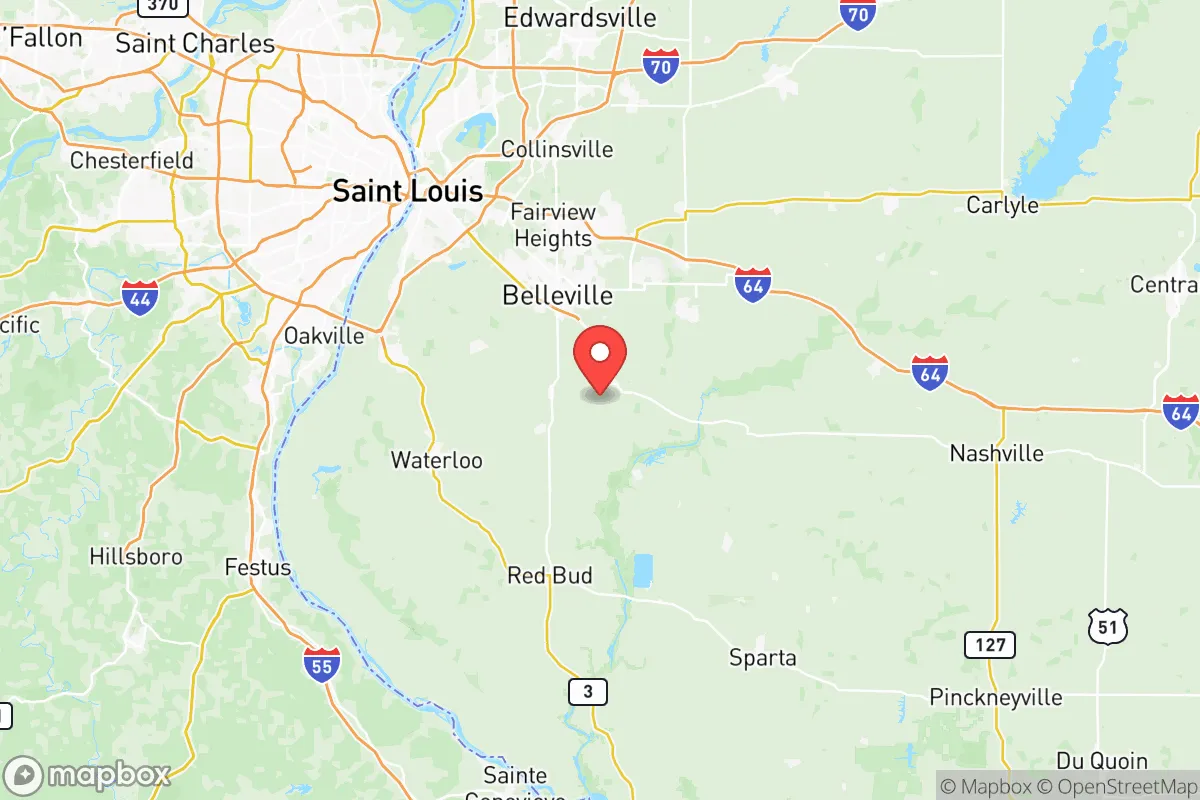
St. Clair County, Illinois, offers a broad spectrum of living environments, from the urban core of its largest city to quiet, unincorporated rural hamlets, making it a county where both city professionals and small-town families can find a suitable home. The county is anchored by the Metro East hub of Belleville, but its character shifts dramatically as one moves outward into smaller communities like Mascoutah and into the agricultural flatlands near the Kaskaskia River. This diversity means that a resident's daily experience—whether it involves a walkable downtown, a long commute on Interstate 64, or a life centered around a local grain elevator—varies significantly depending on which of the county's 16 townships they call home.
Largest town(s) & population centers
Belleville is the county seat and the primary population center, home to roughly 42,000 residents. Daily life here is defined by a mix of historic neighborhoods, a revitalized downtown square with local restaurants and shops, and major employers like BJC Memorial Hospital and Scott Air Force Base (which straddles the county line). The city offers a relatively dense suburban experience with access to the MetroLink light rail, providing a direct 20-minute connection to downtown St. Louis. O'Fallon, the county's second-largest city with over 30,000 residents, represents the fast-growing, family-oriented suburban end of the spectrum, characterized by newer housing developments, high-rated schools, and a commercial corridor along Highway 50. Swansea and Fairview Heights function as major retail and commercial hubs, with Fairview Heights hosting the region's largest shopping mall and a dense concentration of big-box stores, making it a center for errands and employment rather than a quiet residential enclave.
Smaller towns & rural pockets
Moving away from the interstate corridors, the county's character shifts markedly. Mascoutah, with a population around 8,000, retains a strong small-town identity with a historic downtown and a significant military-affiliated population due to its proximity to Scott Air Force Base. Further south, Waterloo (the Monroe County seat, but a key regional reference) and the St. Clair County community of Columbia offer a more laid-back, river-oriented lifestyle. The truly rural pockets are found in the county's western and southern reaches, including the unincorporated areas around New Athens and Fayetteville, where agriculture dominates the landscape and homes sit on acreage. The historic but tiny village of Cahokia, located near the Mississippi River, offers a starkly different, more economically challenged environment, with a lower cost of living but fewer local amenities and higher crime rates compared to the county's eastern suburbs.
Cost & lifestyle range
The cost of living across St. Clair County is remarkably consistent at the county level—with a cost of living index of 77 (23% below the national average)—but the lifestyle value varies by location. At the higher end, O'Fallon and Shiloh command median home values well above the county's $168,800 average, often exceeding $250,000, reflecting demand for newer construction and top-tier schools. At the lower end, neighborhoods in East St. Louis and parts of Washington Park have median home values below $50,000, representing the most affordable entry point in the metro area, though these areas face significant challenges with poverty and infrastructure. The county's median rent of $1,032 is attainable for many, but renters in Belleville's historic district or near the MetroLink stations pay a premium for walkability and transit access. The average commute of 24.7 minutes is manageable, though residents in the far western rural townships may face longer drives to reach grocery stores or employment centers in Belleville or St. Louis.
The county is best suited for those who want proximity to a major city (St. Louis) without paying Missouri's higher property taxes or living in a dense urban environment. Families seeking strong school districts and new housing will gravitate toward O'Fallon and Shiloh, while those looking for historic character and a more urban feel will find value in Belleville's older neighborhoods. Rural residents and hobby farmers will find the cheapest land and lowest taxes in the county's western townships, while budget-conscious renters and first-time homebuyers can find entry-level options in the central corridor. The key to thriving in St. Clair County is matching one's expectations for amenities and commute time to the specific community, as the experience of living in a downtown Belleville loft is fundamentally different from life on a gravel road near New Athens.

Crime in St Clair County
WARNING: The crime statistics are unreliable for this jurisdiction. Local authorities have either not reported or under reported their data to the FBI. This could be due to bad intentions, incompetence or technical issues. Regardless, we suggest skepticism.
Higher crime rates than 64% of comparable U.S. locations.
Violent CrimeViolent Crime Analysis
Property CrimeProperty Crime Analysis
Crime Analysis
St Clair County, Illinois, presents a mixed safety profile for prospective residents, with property crime rates significantly exceeding both state and national averages while violent crime remains below the national benchmark. The county, part of the Metro East region across the Mississippi River from St. Louis, recorded a violent crime rate of 243.3 incidents per 100,000 residents and a property crime rate of 1,469.3 per 100,000 in the most recent reporting period. These figures place the county in a challenging position for families and individuals prioritizing personal and property security, particularly given the influence of the St. Louis metropolitan area's broader crime dynamics and the progressive judicial policies that have taken hold in the region.
Crime in context
St Clair County's violent crime rate of 243.3 per 100,000 sits below the national average of approximately 380 per 100,000, offering a relative bright spot for those concerned about personal safety. However, the property crime rate of 1,469.3 per 100,000 exceeds the national average by roughly 15% and is notably higher than the Illinois state average. This disparity is largely driven by the county's proximity to East St. Louis, which consistently reports some of the highest crime rates in the state and pulls the county-wide averages upward. The county's justice system, overseen by the St Clair County State's Attorney's Office, has adopted increasingly progressive prosecution policies in recent years, including expanded diversion programs and reduced bond requirements for non-violent offenders. Critics argue these reforms, while well-intentioned, have resulted in repeat offenders cycling through the system more quickly, contributing to elevated property crime rates in communities like Belleville, Fairview Heights, and O'Fallon.
What residents experience
Daily life for St Clair County residents varies dramatically depending on which municipality they call home. In East St. Louis, violent crime rates remain among the highest in the state, with residents facing disproportionate risks of robbery, aggravated assault, and homicide. The city's struggles are compounded by a strained police force and a judicial environment that critics say prioritizes offender rehabilitation over public safety. In contrast, O'Fallon and Shiloh consistently report crime rates well below the county average, with O'Fallon's violent crime rate approximately 60% lower than the county figure. These communities benefit from well-funded police departments and more conservative local judicial approaches that emphasize accountability. Belleville, the county seat, occupies a middle ground—property crime is a persistent concern, particularly vehicle theft and burglary, but violent incidents are less common than in East St. Louis. Fairview Heights sees elevated property crime tied to its retail corridor along Illinois Route 159, where shopping centers and hotels attract opportunistic theft.
Residents in the county's safer enclaves still contend with the spillover effects of regional crime trends. The progressive policies of the St Clair County court system, including the implementation of cash bail reform and expanded pretrial release, have drawn criticism from law enforcement officials who report that suspects arrested in O'Fallon or Shiloh for property crimes are frequently released within hours and reoffend in neighboring communities. This pattern has led to growing frustration among homeowners and business owners who feel the justice system prioritizes offender rights over victim protection. For families considering relocation, the practical takeaway is clear: neighborhood-level research is essential, as crime rates can shift dramatically within a few miles, and the county's overall statistics mask significant variation between progressive urban centers and more conservative suburban jurisdictions.
* Values derived from national, state, county, city and local statistics and may differ in a specific area. Last updated: 2026-07-19T21:21:53.000Z
Narrative content on this page is AI-generated and may contain mistakes. Verify any details that matter before acting on them.
ReloMaps may earn a commission from affiliate links at no extra cost to you.

