Photo: Wikipedia
Quality of Life in Hudson, NY
A high quality of life with strong walkability, manageable living costs, healthy neighborhood signals, and solid amenity access.
What does Quality of Life tell us?
Quality of Life blends cost of living, nearby amenities, socioeconomic signals, and neighborhood character. City-level scores represent the whole municipality; individual neighborhoods can differ.
What does this tell us?
Quality of Life blends cost of living, nearby amenities, socioeconomic signals, and neighborhood character. City-level scores represent the whole municipality; individual neighborhoods can differ.
Cost of Living
14% above national average
The Real Cost of Living in Hudson, NY for 2026
| Tier | Individual | Family (4) |
|---|---|---|
| Survival | $21k | $39k |
| Comfortable | $63k | $93k |
| Luxury | $100k+ | $155k+ |
| Elite (Top 5%) | $209k+ | $325k+ |
60%
The Area Signal
A metric tracking the socioeconomic signals of the area.
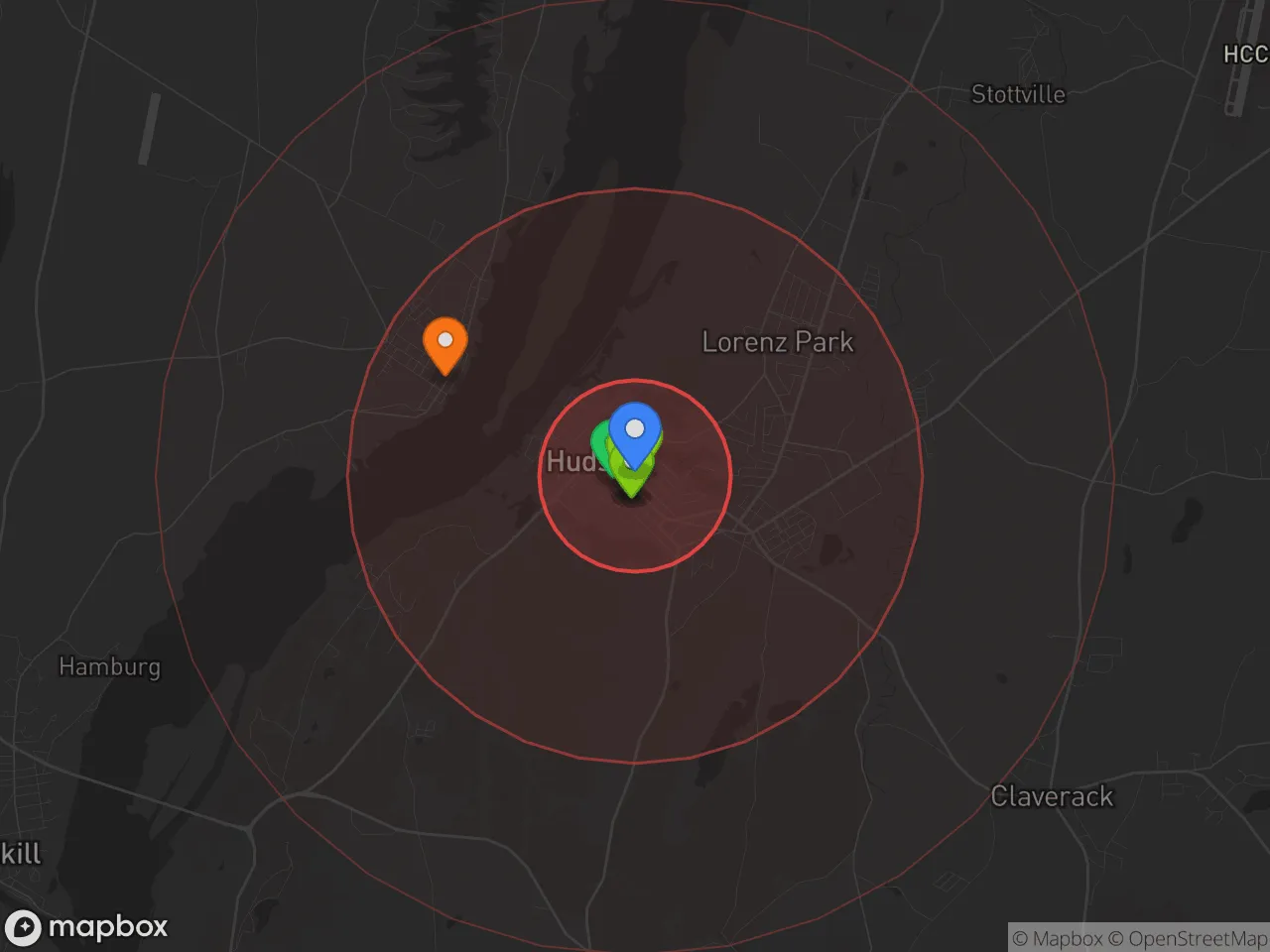
Hobbies
Explore the areaGroceries
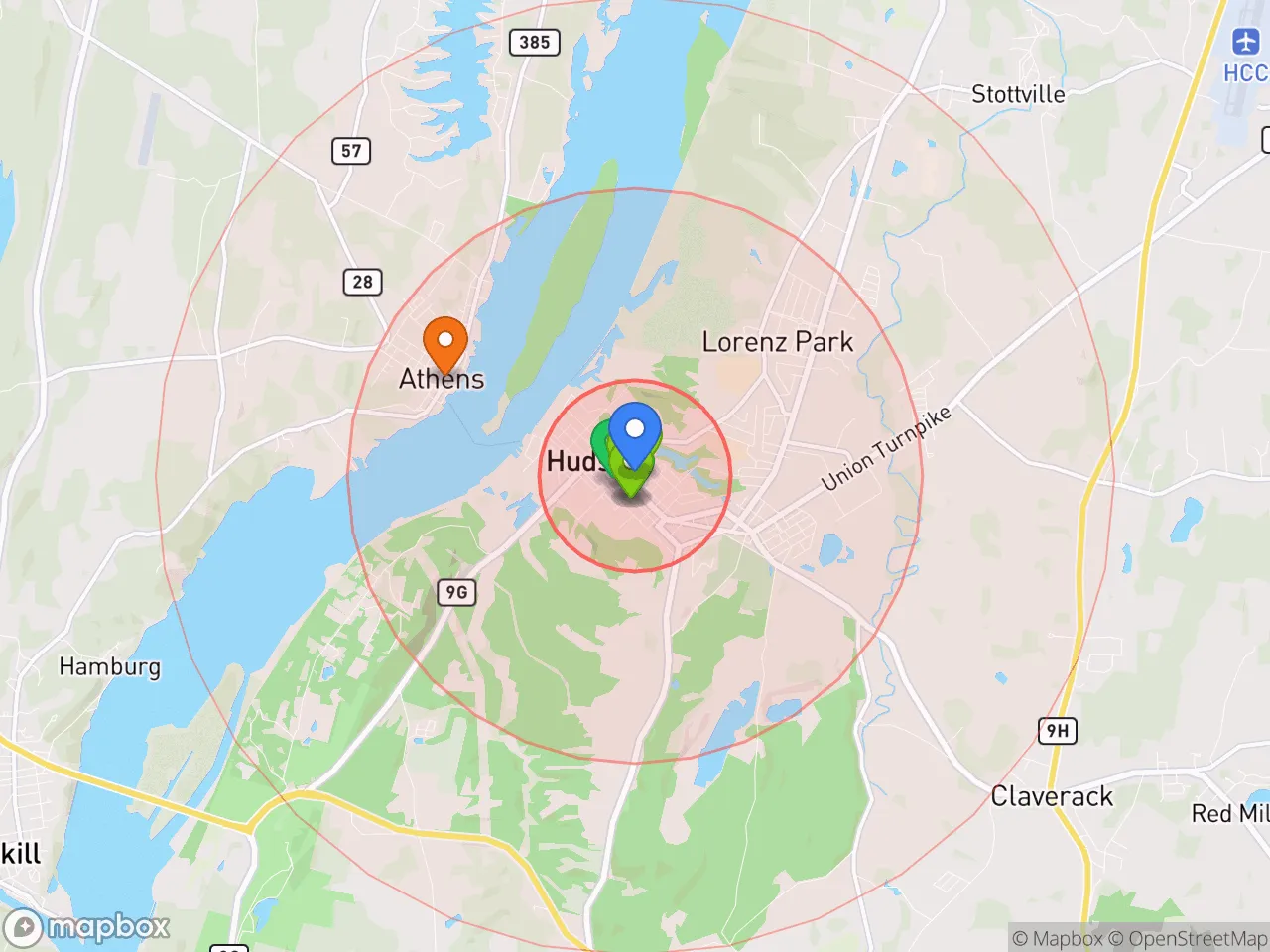
5 within 10 miles
Gas
20 within 10 miles
Hospital
1 within 20 miles
Airport
EWR — Newark Liberty International
Post Office
USPS — Hudson, NY
Critical Amenities
Quality-of-Life Analysis
Hudson, New York, presents a quality of life shaped by a striking convergence of historic small-town character and a wave of affluent newcomers, creating a community that is both culturally vibrant and economically stratified. The city's population of roughly 6,000 includes a mix of long-term residents, second-home owners from New York City, and a growing creative class drawn to its architectural heritage and Hudson River views. This influx has transformed Hudson into a destination for those seeking an alternative to metropolitan life, but it has also introduced significant cost-of-living pressures that define daily reality for many households.
Cost of living, housing affordability, and how Hudson compares to nearby areas
Hudson's cost of living index stands at 114, meaning it is 14 percent more expensive than the national average, a figure that places it well above neighboring Columbia County towns like Chatham or Kinderhook. The primary driver is housing: the median home value is $324,400, which is roughly double the median for the broader county and significantly higher than in nearby cities such as Catskill, where comparable homes often sell for under $250,000. Median rent in Hudson is $1,309, a figure that has risen sharply since 2020 and now consumes a larger share of local incomes, particularly for service and retail workers. The average one-way commute time in the area is 32.8 minutes, reflecting the fact that many residents travel to Albany or other employment centers, as local job opportunities in Hudson itself are limited and often concentrated in hospitality, retail, and the arts. For buyers and renters alike, affordability is a growing challenge, and the market increasingly favors higher-income households relocating from downstate.
Amenities, schools, and what daily life is like for families and professionals
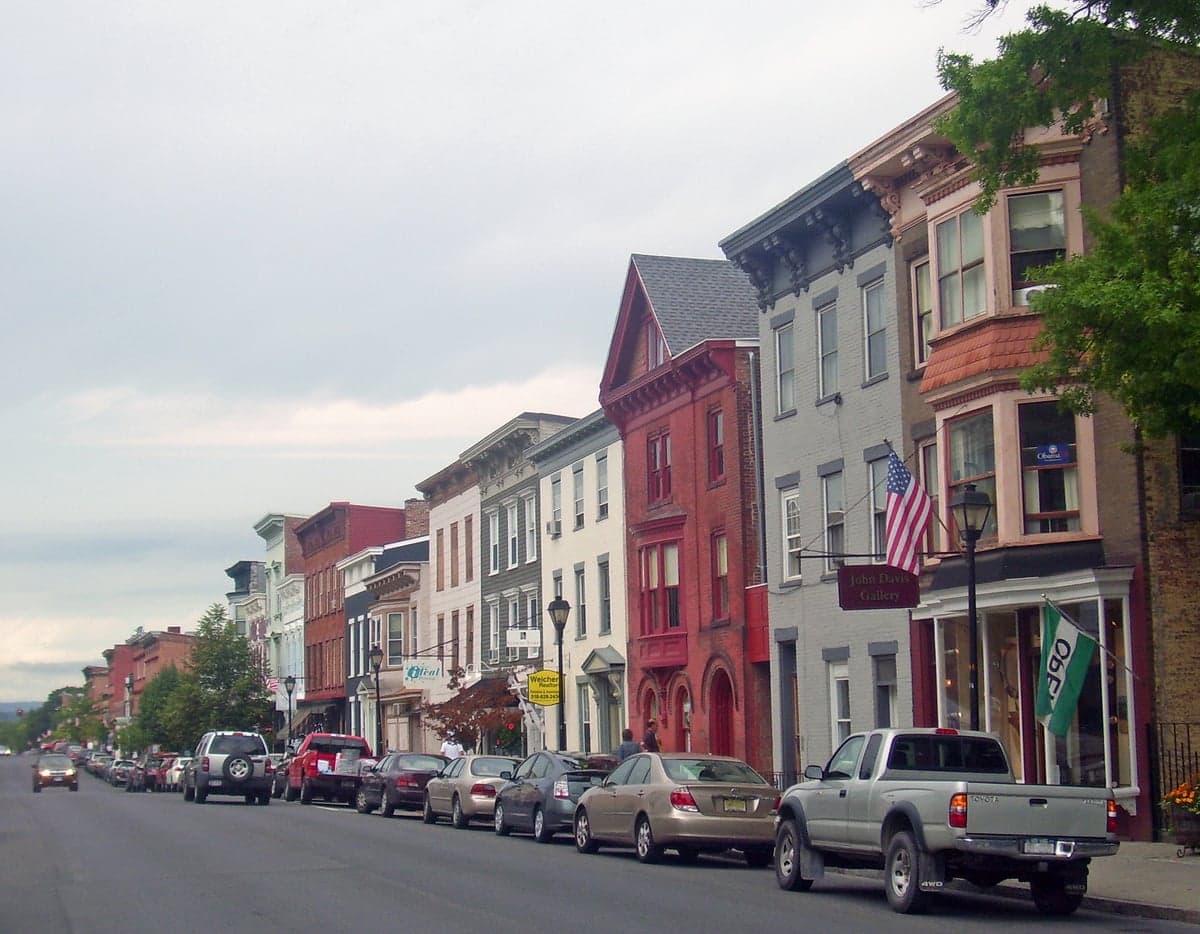
Daily life in Hudson revolves around its compact, walkable downtown, which is lined with independent boutiques, art galleries, farm-to-table restaurants, and antique shops that draw visitors from across the region. The city's cultural amenities include the Hudson Opera House, the Basilica Hudson industrial arts center, and the nearby Olana State Historic Site, providing year-round programming in music, film, and visual arts. For families, the Hudson City School District serves approximately 1,600 students and has faced mixed reviews; while the elementary school earns solid marks, the high school's graduation rate hovers around 80 percent, prompting some families to consider private options or schools in neighboring districts like Germantown or Ichabod Crane. Grocery access is adequate with a local supermarket and a farmers' market, but residents often drive to larger stores in Greenport or Kingston for major shopping trips. The rhythm of life is slower than in the suburbs of Albany, yet the presence of Amtrak service to New York City — roughly two hours — means many professionals split their week between Hudson and the metro area, giving the town a transient, weekend-warrior energy that can feel less cohesive for year-round residents.
Hudson is best suited for creative professionals, retirees, and remote workers who value cultural density, historic architecture, and walkability over suburban convenience or low housing costs. Families with school-age children should carefully evaluate the local school options and budget for higher housing expenses relative to surrounding towns. Those who thrive here tend to be comfortable with a trade-off: paying a premium for an aesthetically rich, socially engaged small city that lacks the employment base and infrastructure of a larger metro area but offers a distinctive quality of life found nowhere else in the Hudson Valley.

Crime in Hudson, NY
Lower crime rates than 76% of comparable U.S. locations.
Violent CrimeViolent Crime Analysis
Property CrimeProperty Crime Analysis
Crime Analysis
Hudson, New York, presents a mixed safety profile that demands careful consideration from potential residents. The city’s violent crime rate stands at 175.6 incidents per 100,000 residents, while its property crime rate is significantly higher at 1,229.4 per 100,000. These figures place Hudson in a challenging position, particularly given its status as a small city within commuting distance of the larger Albany metro area, where progressive judicial policies have increasingly shaped public safety outcomes.
Crime in context
When compared to national benchmarks, Hudson’s violent crime rate is roughly half the U.S. average of approximately 380 per 100,000, which may initially appear reassuring. However, this statistic masks deeper concerns. The property crime rate is notably elevated, exceeding the national average of around 1,950 per 100,000 but still representing a substantial risk for homeowners and businesses. More critically, Hudson operates within Columbia County’s judicial system, which has adopted progressive prosecution and sentencing philosophies common in New York’s Hudson Valley region. These policies, while intended to reduce incarceration, have resulted in repeat offenders cycling through the system with minimal consequences, directly undermining deterrence and public confidence in safety.
What residents experience
Daily life in Hudson involves navigating a visible tension between the city’s revitalized arts and dining scene and persistent property crime. Residents frequently report vehicle break-ins, package thefts, and vandalism, particularly in areas near Warren Street’s commercial corridor. The 1,229.4 property crime rate translates to roughly 3.4 incidents per day across the city’s approximately 6,000 residents, meaning most households will either experience or witness property crime within a few years. Violent incidents are less common but not absent, with aggravated assaults and occasional robberies concentrated in specific blocks. The presence of liberal district attorneys who prioritize diversion programs over incarceration means that even arrested offenders often face minimal jail time, creating a perception among long-term residents that the justice system prioritizes offender rehabilitation over victim protection.
Neighborhood-level variation is significant in Hudson. The waterfront and historic district areas, which have seen substantial investment and gentrification, generally experience lower crime rates due to increased foot traffic and private security measures. In contrast, the south side of the city, particularly around State Street and Columbia Street, sees higher concentrations of both property and violent crime. The Second Ward neighborhood has historically struggled with drug-related offenses and gang activity, though community policing initiatives have produced modest improvements. Prospective residents should research block-by-block conditions rather than relying solely on citywide averages, as safety can shift dramatically within a few blocks. The overarching concern remains that progressive judicial policies throughout Columbia County reduce the likelihood that offenders face meaningful consequences, a factor that should weigh heavily in any relocation decision to Hudson.
* Values derived from national, state, county, city and local statistics and may differ in a specific area. Last updated: 2026-09-05T03:09:01.000Z
Narrative content on this page is AI-generated and may contain mistakes. Verify any details that matter before acting on them.
ReloMaps may earn a commission from affiliate links at no extra cost to you.

