Photo: Wikipedia
Find The Best Places To Live in Columbia County
PRO TIP! You can paste a Zillow or Redfin link to get info on that property.
Best Places to Live in Columbia County
Cities & Towns in Columbia County
Cities in Columbia County
What It's Like Living in Columbia County, NY
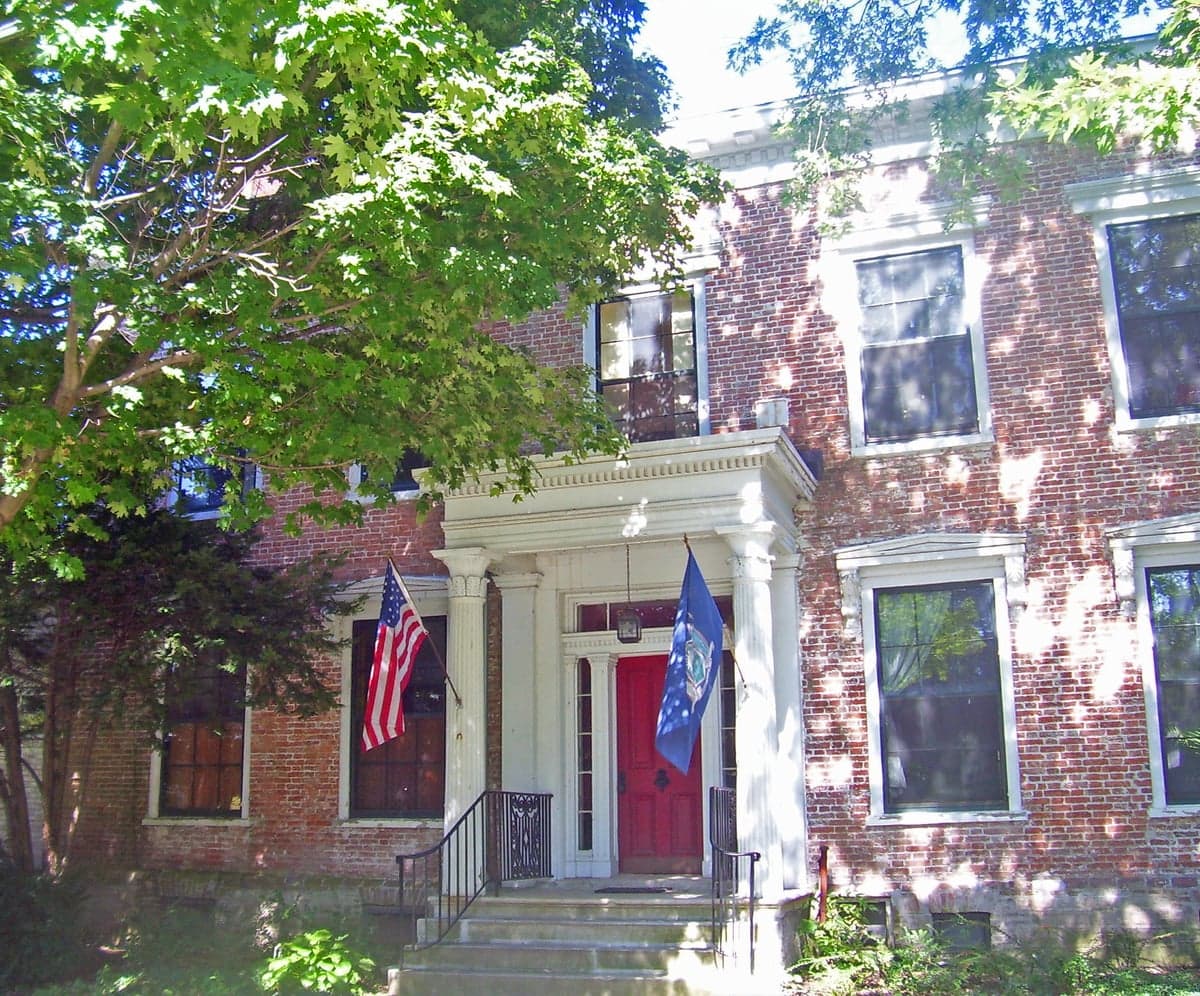
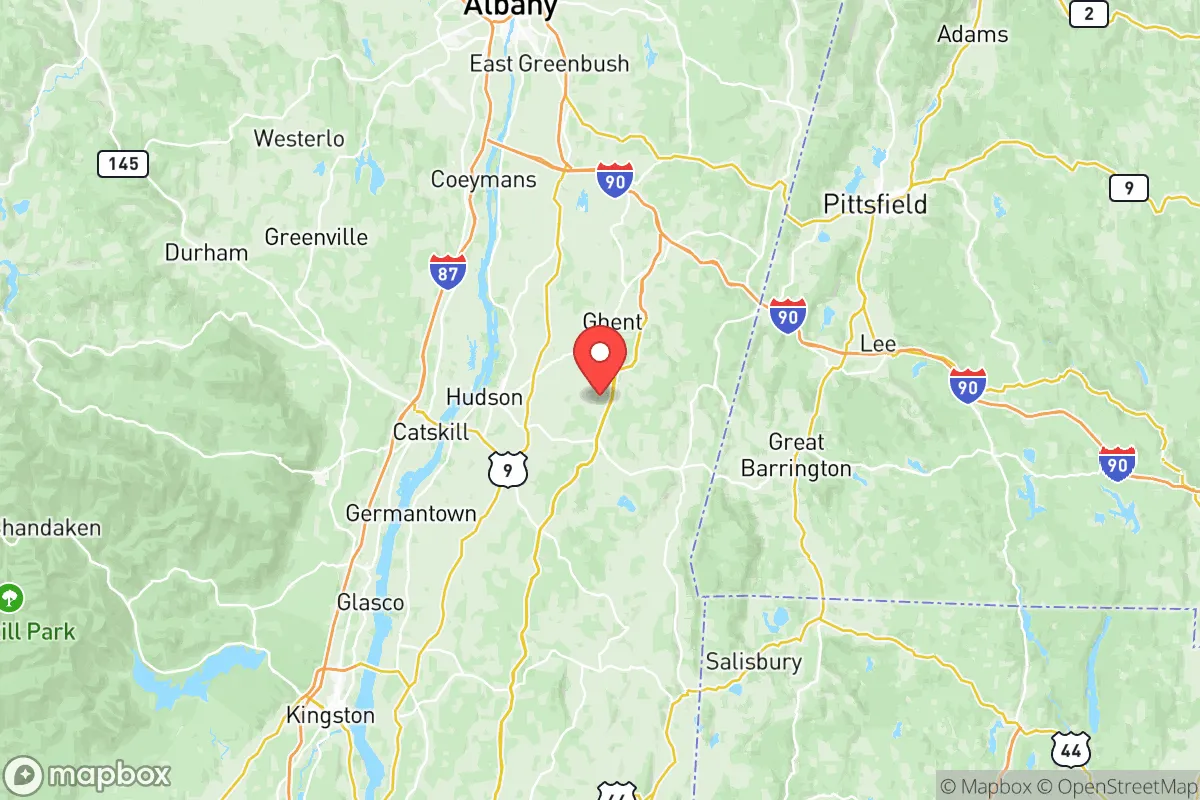
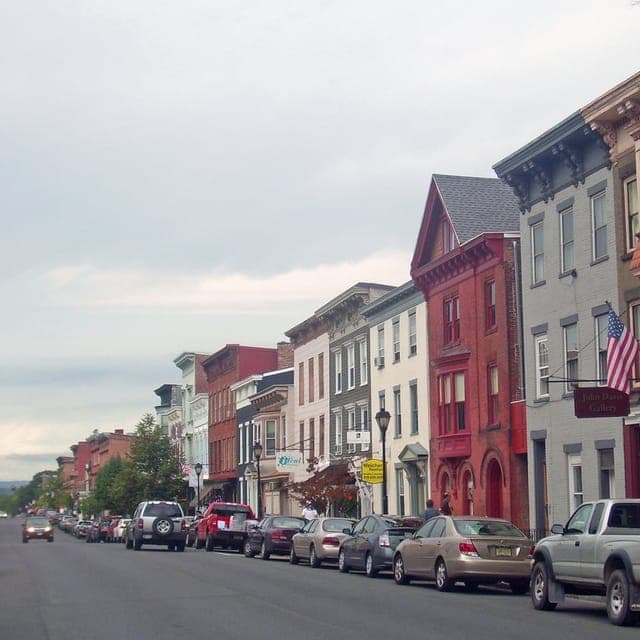
Living in Columbia County, New York, feels a bit like stepping into a slower, more deliberate version of the Hudson Valley—one where farm stands outnumber chain stores and the biggest traffic jam you’ll hit is behind a tractor on Route 9H. This is a place of sharp contrasts: the historic, walkable streets of Hudson draw weekenders from Manhattan, while towns like Chatham and Kinderhook hold onto a quieter, year-round rhythm. For the 61,245 residents, life here is defined by a deep connection to the land, a strong sense of local identity, and a pace that can feel either refreshingly peaceful or frustratingly slow, depending on what you’re looking for.
The Daily Rhythm: Farm Stands, Commutes, and Small-Town Errands
Weekday life in Columbia County revolves around a few predictable anchors. In Hudson, the morning starts with coffee at a spot like Moto or a pastry from the local bakery, followed by a walk past the antique shops on Warren Street. In Chatham, you’ll see parents dropping kids off at the Chatham Central School District before heading to work—often in Albany, about a 30-minute drive north. The average commute here clocks in at just over 26 minutes, which is manageable but longer than you might expect for such a rural county. For many, that drive is a daily reality: Albany is the region’s largest employment hub, with state government, healthcare, and education jobs. Locally, the county’s biggest employers include Columbia Memorial Health in Hudson and a growing number of small businesses tied to tourism and agriculture.
Grocery shopping is a mix of the practical and the picturesque. You’ll find a Price Chopper in Hudson for the basics, but many residents make a point of hitting the Kinderhook Farmers’ Market or the Chatham Real Food Market for local produce, meats, and dairy. The county’s median household income of $83,619 is slightly above the national average, but the cost of living index of 106 means everyday expenses—especially housing and groceries—run a bit higher than in, say, the Midwest. The median home value of $309,800 is a bargain compared to nearby Dutchess County or the Berkshires, but it’s still a stretch for many first-time buyers, especially in the more desirable pockets like Hudson’s Second Ward or the historic villages.
Sports, Community, and the Weekend Vibe
Sports here aren’t about pro teams—they’re about high school pride and community gatherings. Friday nights in the fall are dominated by Chatham Panthers football and Ichabod Crane Riders soccer games, where bleachers are filled with parents, grandparents, and local business owners. Basketball and baseball seasons follow the same pattern. There’s no major league team within the county, but the Hudson Valley Renegades (a minor league baseball team) are a short drive south in Fishkill, and the Albany Devils hockey games draw fans from the northern end of the county. For a more active weekend, the Harlem Valley Rail Trail offers 20 miles of paved path through the countryside, perfect for biking or a long walk, while the Ooms Conservation Area in Chatham provides quiet hiking trails through forests and wetlands.
Entertainment leans heavily on seasonal festivals and local arts. The Columbia County Fair in Chatham is a late-summer institution, with midway rides, livestock shows, and the famous cream puff stand. In Hudson, the Hudson Hall performance venue hosts everything from indie concerts to theater, and the Basilica Hudson has become a destination for avant-garde music and film festivals. For a quieter evening, locals gather at The Spotty Dog in Hudson for a pint and a book, or at Ca’Mea in Kinderhook for Italian food that feels like a special occasion. The cultural quirk here is a genuine tension between the old-guard farming families and the newer, often wealthier, creative class—a dynamic that shows up in zoning debates and town board meetings.
Pros and Cons of Living Here
- What residents love: The genuine sense of community—neighbors know each other, and local businesses are fiercely supported. The natural beauty is undeniable: rolling hills, working farms, and the Hudson River waterfront. The schools, particularly in Chatham and Ichabod Crane, are well-regarded and serve as community hubs. The slower pace is a relief for those escaping city life.
- What frustrates them: The lack of diverse job opportunities forces many to commute to Albany or even New York City (a 2.5-hour train ride from Hudson). The violent crime rate of 363.2 per 100,000 is higher than the national average, though most incidents are concentrated in specific areas of Hudson and property crime is a bigger everyday concern. The median age of 49.5 reflects a population that skews older, which can mean fewer young-adult social scenes outside of Hudson. Winters are real—expect snow, ice, and gray skies from December through March—and the county’s rural nature means limited public transit and fewer late-night options.
Ultimately, Columbia County works best for people who value space, community, and a connection to the seasons over career density or nightlife. It’s a place where you’ll know your mail carrier’s name, where the local diner knows your order, and where the biggest decision of the week might be whether to hit the farmers’ market or the hiking trail. If that sounds like a good trade-off, you’ll fit right in.

* Values derived from national, state, county, city and local statistics and may differ in a specific area. Last updated: 2026-09-08T12:50:19.000Z
Narrative content on this page is AI-generated and may contain mistakes. Verify any details that matter before acting on them.
ReloMaps may earn a commission from affiliate links at no extra cost to you.

