Photo: Wikipedia
Find The Best Places To Live in Dutchess County
PRO TIP! You can paste a Zillow or Redfin link to get info on that property.
Best Places to Live in Dutchess County
Cities & Towns in Dutchess County
Cities in Dutchess County
What It's Like Living in Dutchess County, NY
Living in Dutchess County means straddling two worlds: the quiet, land-rich rhythm of the Hudson Valley and the commuter reality of the New York City metro area. You’ll find folks in Poughkeepsie grabbing coffee before a Metro-North train to Grand Central, while families in Millbrook spend their weekends on horseback or at a farm stand. It’s a place where the median age is 42.6, and the median household income sits at $97,273—a figure that reflects the mix of white-collar telecommuters, local healthcare workers, and small business owners who make the county work.
Daily Rhythm: Commutes, Schools, and the Weekend Reset
For most people, the day starts early. The average commute here is just over 31 minutes, which is shorter than Westchester’s grind but longer than what you’d find in, say, Ulster County to the north. If you work in the city, you’re looking at a 90-minute door-to-door trip on the train from Beacon or Poughkeepsie. Locals who work in the county—at IBM’s legacy sites, Vassar Brothers Medical Center, or Central Hudson—tend to have a much easier drive. The big trade-off is that you’re trading a shorter commute for a higher cost of living: the index here is 131, meaning everyday goods and housing run about 31% above the national average. That median home value of $368,100 feels steep for a county that’s not exactly Manhattan, but it’s still cheaper than anything south of the Tappan Zee.
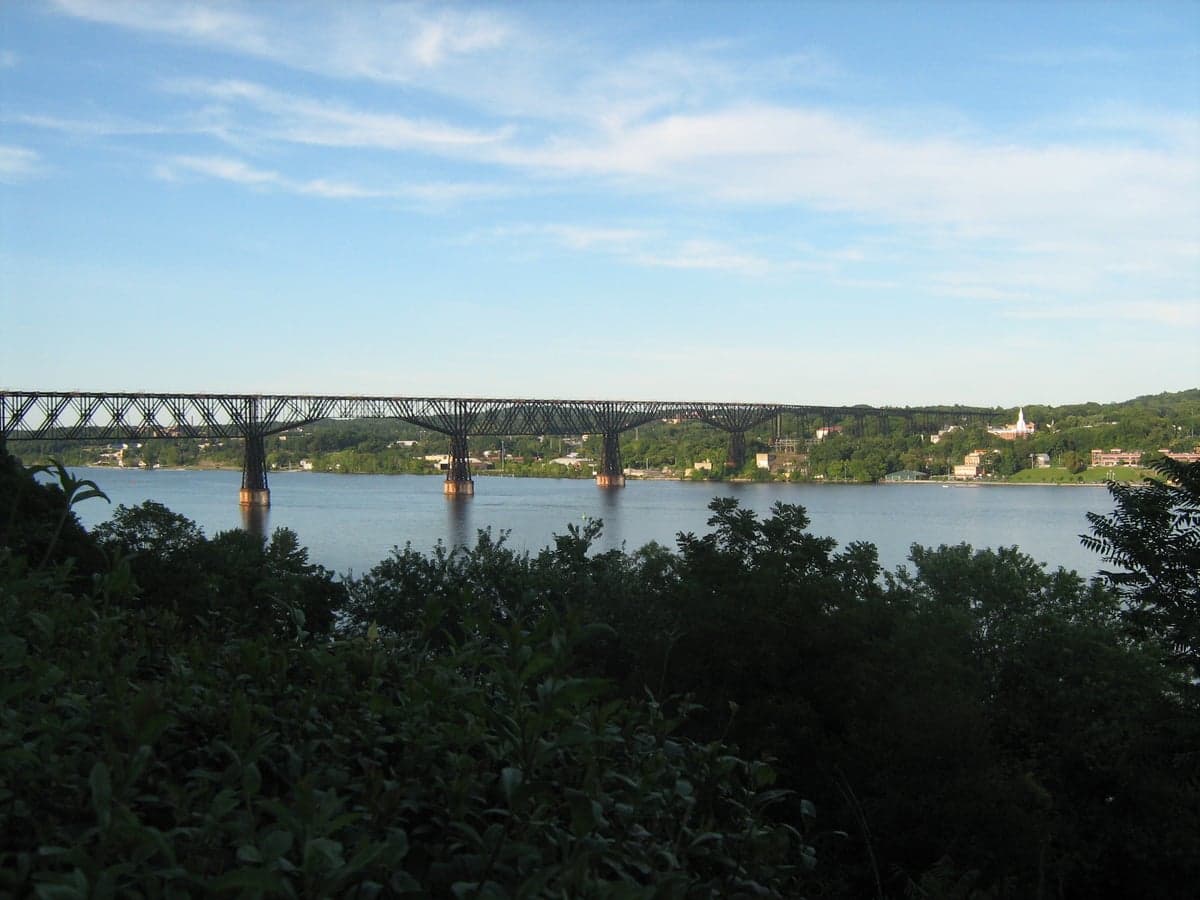
Weekends are where Dutchess shines. You’ll see families hitting the Walkway Over the Hudson in Poughkeepsie, a 1.28-mile pedestrian bridge that’s the longest elevated pedestrian bridge in the world. Others head to the Dutchess County Fair in Rhinebeck every August—a massive 8-day event that draws over 500,000 people and feels like the county’s unofficial annual reunion. The school system is a major anchor: districts like Arlington Central and Spackenkill are highly rated, and the local sports scene—especially high school football and lacrosse—gets real crowds on Friday nights. If you’re a family with kids, the school calendar basically dictates the social rhythm.
Sports, Entertainment, and the Local Hangouts
Dutchess doesn’t have a major pro sports team, but it doesn’t need one. The Hudson Valley Renegades, a minor-league baseball team in Fishkill, draw solid crowds all summer—it’s cheap, family-friendly, and the stadium has a solid beer selection. For college sports, Marist College in Poughkeepsie has a loyal following for its basketball and lacrosse teams. But the real local obsession is high school athletics: the rivalry between Arlington High School and John Jay High School in East Fishkill can pack a gym on a Tuesday night. If you’re into the arts, the Bardavon 1869 Opera House in Poughkeepsie is a historic gem that hosts everything from tribute bands to the Hudson Valley Philharmonic.
For food and drink, you’ve got options. Millbrook has the Millbrook Vineyards & Winery, which is a legit destination for tastings and events. In Beacon, Roundhouse is a popular spot for craft beer and Hudson Valley views, while Poughkeepsie’s Mole Mole serves some of the best Oaxacan food in the region. The bar scene is more “local dive” than “club scene”—places like Schatzi’s Pub in Poughkeepsie or The Derby in Hyde Park are where you’ll find regulars nursing a pint after work.
Pros and Cons of Living Here
Let’s be honest: Dutchess County has real upsides and real frustrations. Here’s the breakdown from people who’ve lived here for a decade or more:
- Pro: Access to nature is unmatched. You’ve got the Taconic Mountains, the Hudson River, and dozens of state parks like Clermont State Historic Site and Stony Kill Farm. Hiking, kayaking, and cycling are part of the lifestyle, not an afterthought.
- Pro: The community feel is genuine. In towns like Red Hook or Pine Plains, people know each other. The Dutchess County Fair and local farmers’ markets (especially the Poughkeepsie Farmers Market) are social hubs.
- Con: The cost of living is a shock for newcomers. That $368,100 median home value is tough for first-time buyers, and property taxes are among the highest in the state—often $8,000-$12,000 a year on a modest house.
- Con: The violent crime rate of 362.1 per 100,000 is higher than the national average, though it’s concentrated in specific areas of Poughkeepsie and Beacon. Most of the county feels very safe, but it’s worth knowing the numbers.
- Con: Winter can be a drag. From December through March, expect gray skies, snow, and temperatures that hover in the 20s. The spring thaw is beautiful, but the seasonal affective disorder is real.
One cultural quirk you’ll notice: Dutchess residents are fiercely protective of their local identity. People from Poughkeepsie don’t like being lumped in with “the city,” and folks in Millbrook will remind you they’re not part of the “Hudson Valley tourist trail.” It’s a county of distinct towns, each with its own personality—and that’s part of the charm. If you’re looking for a place where you can have a career, raise a family, and still feel like you’re living in the country, Dutchess delivers. Just be ready for the taxes and the train schedule.

* Values derived from national, state, county, city and local statistics and may differ in a specific area. Last updated: 2026-07-08T09:22:25.000Z
Narrative content on this page is AI-generated and may contain mistakes. Verify any details that matter before acting on them.
ReloMaps may earn a commission from affiliate links at no extra cost to you.

