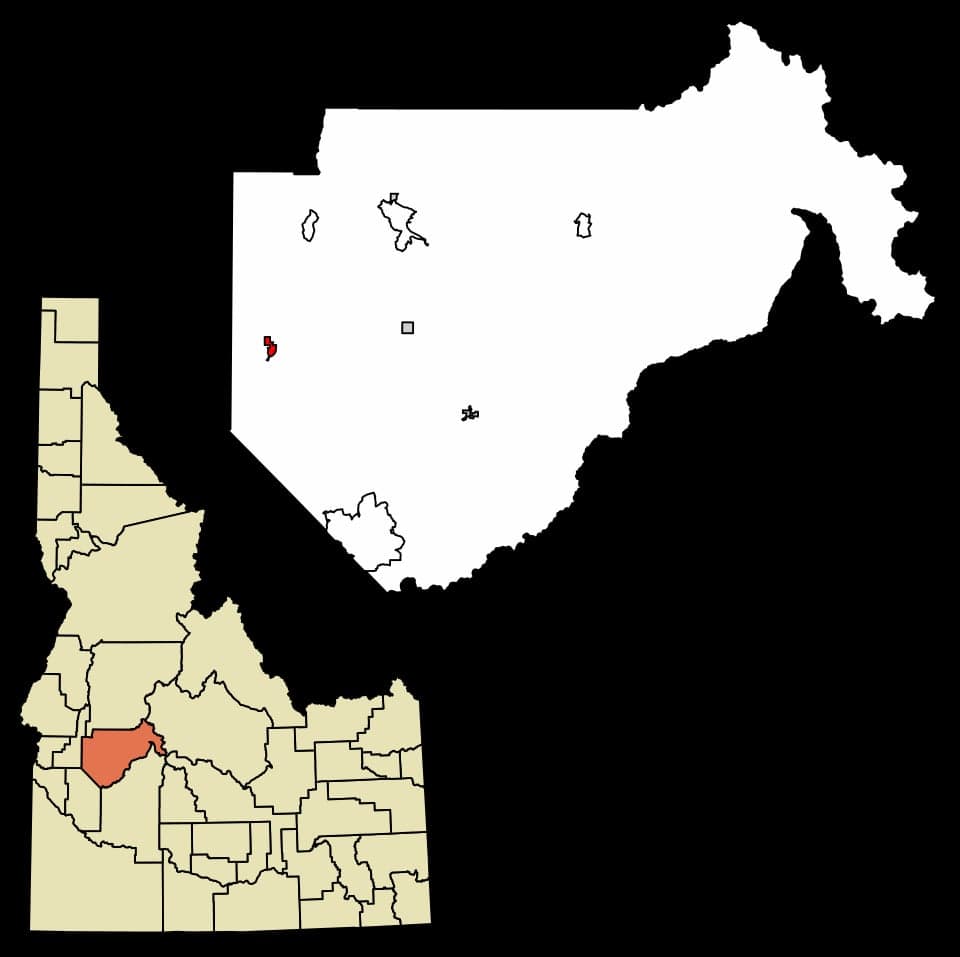
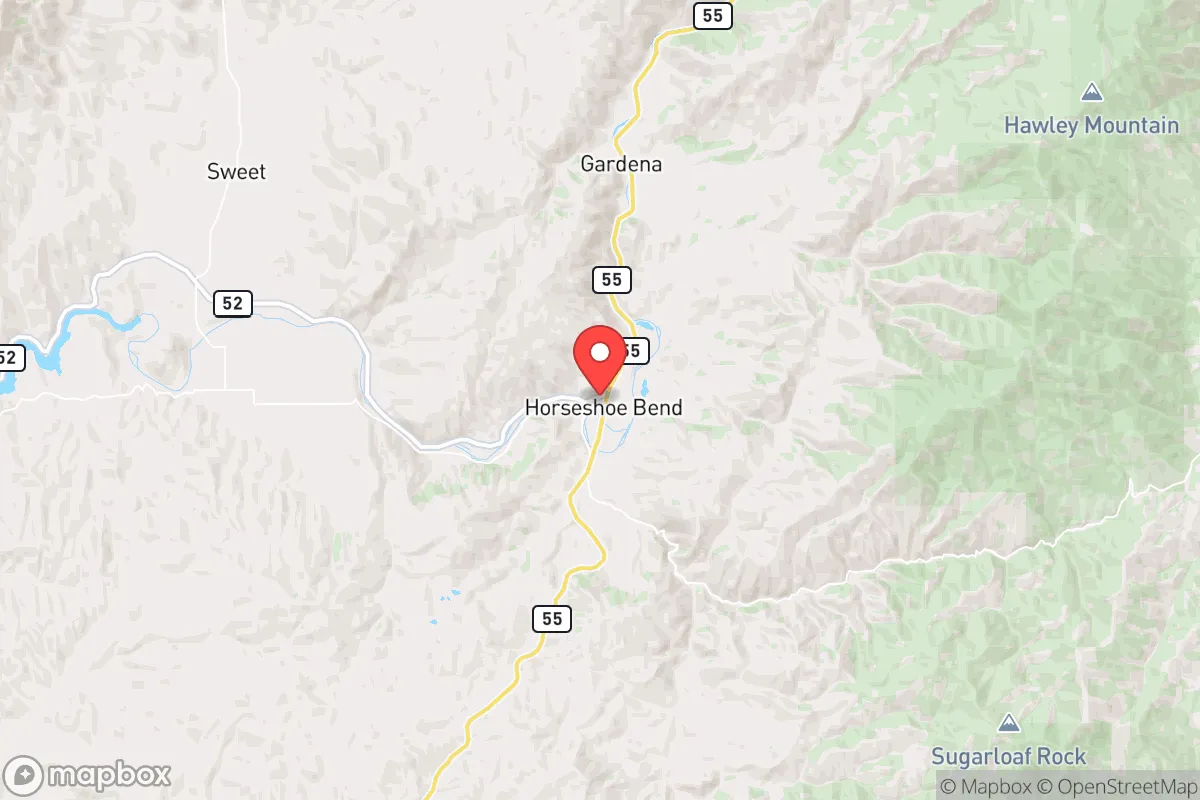
Photo: Wikipedia
Find The Best Places To Live
in Horseshoe Bend
PRO TIP! You can paste a Zillow or Redfin link to get info on that property.
Compare Horseshoe Bend with another place
What It's Like Living in Horseshoe Bend, ID
Horseshoe Bend, Idaho, is the kind of place where you wave at every passing truck because you probably know the driver. With a population of just 756, this small town on the Payette River feels less like a suburb and more like a well-kept secret for people who want space, river access, and a 30-minute commute to Boise without paying Boise prices. It’s a working-class river town with a laid-back pulse, where the median age of 46.5 means you’re more likely to hear about someone’s garden than their nightlife.
The Daily Rhythm: River Mornings and Quiet Evenings
Life here moves on river time. The Payette River isn’t just scenery; it’s the town’s living room. On any given summer weekend, you’ll see families launching rafts at the Banks put-in or fly fishermen standing thigh-deep in the cold water. Weekday mornings are quiet — most folks grab coffee at the local gas station or the small diner before heading out. The average commute is about 21 minutes, which is a trade-off locals happily make: you trade city traffic for a drive along Highway 55 that follows the river canyon, often with deer or the occasional elk on the shoulder.
Errands are simple. There’s no big-box store in town; you’ll drive to Eagle or Meridian for a Walmart run, about 25 minutes south. For daily needs, the local market and a couple of small eateries cover the basics. The cost of living index sits at 75 — a full 25 points below the national average — which is the single biggest reason people move here. That $54,236 median income goes noticeably further when your mortgage is based on a median home value of $205,300, a figure that would get you a studio apartment in Boise.
Sports, Schools, and the Community Glue
If you’re expecting pro sports, you’re in the wrong place. The nearest major team action is Boise State Broncos football, about 40 minutes south, and plenty of locals make the drive on fall Saturdays. But the real sports culture here is high school. The Horseshoe Bend Mustangs are the heart of the town — Friday night football in the fall is less an event and more a civic duty. The gym is packed for basketball in the winter, and the baseball diamond is the social hub in the spring. The school district is small enough that the superintendent knows most students by name, and that’s exactly how most residents like it.
What the town lacks in professional entertainment, it makes up for in seasonal traditions. The annual River Festival in late summer draws people from across the valley, with a parade down Main Street, a barbecue, and live music that echoes off the canyon walls. The Horseshoe Bend Saloon is the unofficial town hall — a no-frills bar where you’ll find ranchers, river guides, and retirees sharing a beer and swapping stories. It’s not fancy, but it’s authentic.
Who Fits In Here — and Who Should Think Twice
This town suits a specific kind of person: someone who values solitude, outdoor access, and a slower pace over amenities and nightlife. The 18.6% college-educated rate is low by national standards, but that’s not a knock — it reflects a community of tradespeople, river guides, remote workers, and retirees who chose this life deliberately. You’ll meet electricians, welders, and contractors who could earn more in the city but prefer the quiet. You’ll also meet a growing number of remote workers who discovered Horseshoe Bend during the pandemic and stayed for the affordability.
That said, it’s not for everyone. The violent crime rate of 215.5 per 100,000 is slightly above the national average, and while most of it is petty theft and property disputes rather than violent incidents, it’s worth knowing. The nearest hospital is in Emmett or Boise, so emergency care is a drive. And if you need cultural amenities — art galleries, concert venues, diverse restaurants — you’ll be making that 40-minute trip regularly. The winter can feel long and quiet, with the river too cold for recreation and the town settling into a hibernation mode.
The Honest Trade-Offs: What Locals Love and Lament
Ask anyone who’s been here a decade, and they’ll list the same pros and cons. The pros are tangible: affordable housing that’s still attainable, world-class river recreation right out your back door, and a genuine small-town community where neighbors actually help each other. The cons are equally real: limited shopping and dining options, a long drive for anything specialized, and the occasional tension between longtime residents and newcomers who want to change the town’s character.
Weather here is a study in contrasts. Summers are hot and dry, often pushing into the 90s, which makes the river the only place to be. Winters are cold but manageable, with snow that occasionally closes Highway 55 for a few hours. Spring brings the runoff and the best fishing; autumn is a golden stretch of mild days that locals call the reward for enduring February. The seasonal rhythm is strong — the town feels different in July than in January, and that’s part of its charm.
For the right person, Horseshoe Bend is less a compromise and more a liberation. You give up convenience, but you gain a life where the front porch is the best room in the house, the river is your backyard, and the people around you know your name. That trade-off, for 756 residents, is clearly worth it.

Similar small towns to Horseshoe Bend

* Values derived from national, state, county, city and local statistics and may differ in a specific area. Last updated: 2026-10-28T16:40:36.000Z
Narrative content on this page is AI-generated and may contain mistakes. Verify any details that matter before acting on them.
ReloMaps may earn a commission from affiliate links at no extra cost to you.

