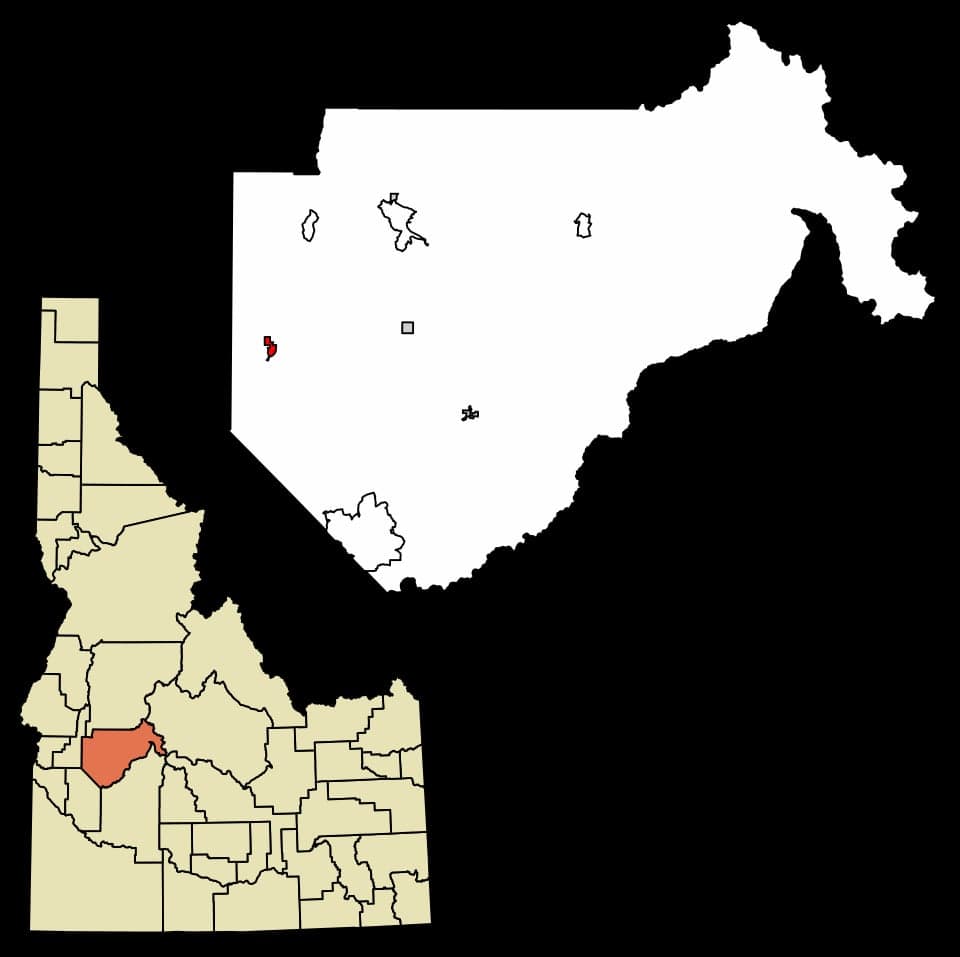
Photo: Wikipedia
Quality of Life in Horseshoe Bend, ID
A high quality of life with strong walkability, manageable living costs, healthy neighborhood signals, and solid amenity access.
What does Quality of Life tell us?
Quality of Life blends cost of living, nearby amenities, socioeconomic signals, and neighborhood character. City-level scores represent the whole municipality; individual neighborhoods can differ.
What does this tell us?
Quality of Life blends cost of living, nearby amenities, socioeconomic signals, and neighborhood character. City-level scores represent the whole municipality; individual neighborhoods can differ.
Cost of Living
25% below national average
The Real Cost of Living in Horseshoe Bend, ID for 2026
| Tier | Individual | Family (4) |
|---|---|---|
| Survival | $14k | $26k |
| Comfortable | $40k | $59k |
| Luxury | $78k+ | $121k+ |
| Elite (Top 5%) | $92k+ | $143k+ |
93%
The Area Signal
A metric tracking the socioeconomic signals of the area.
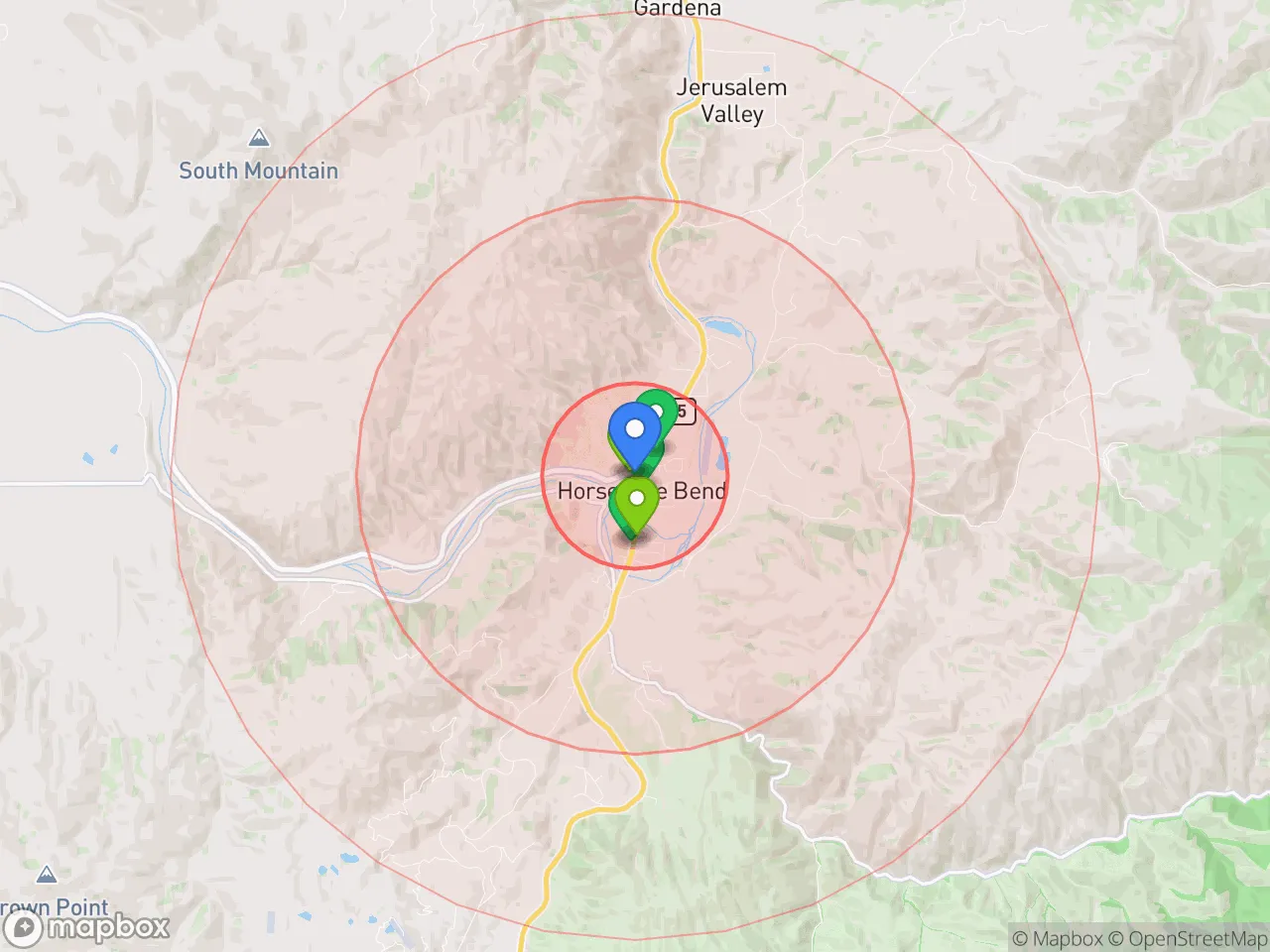
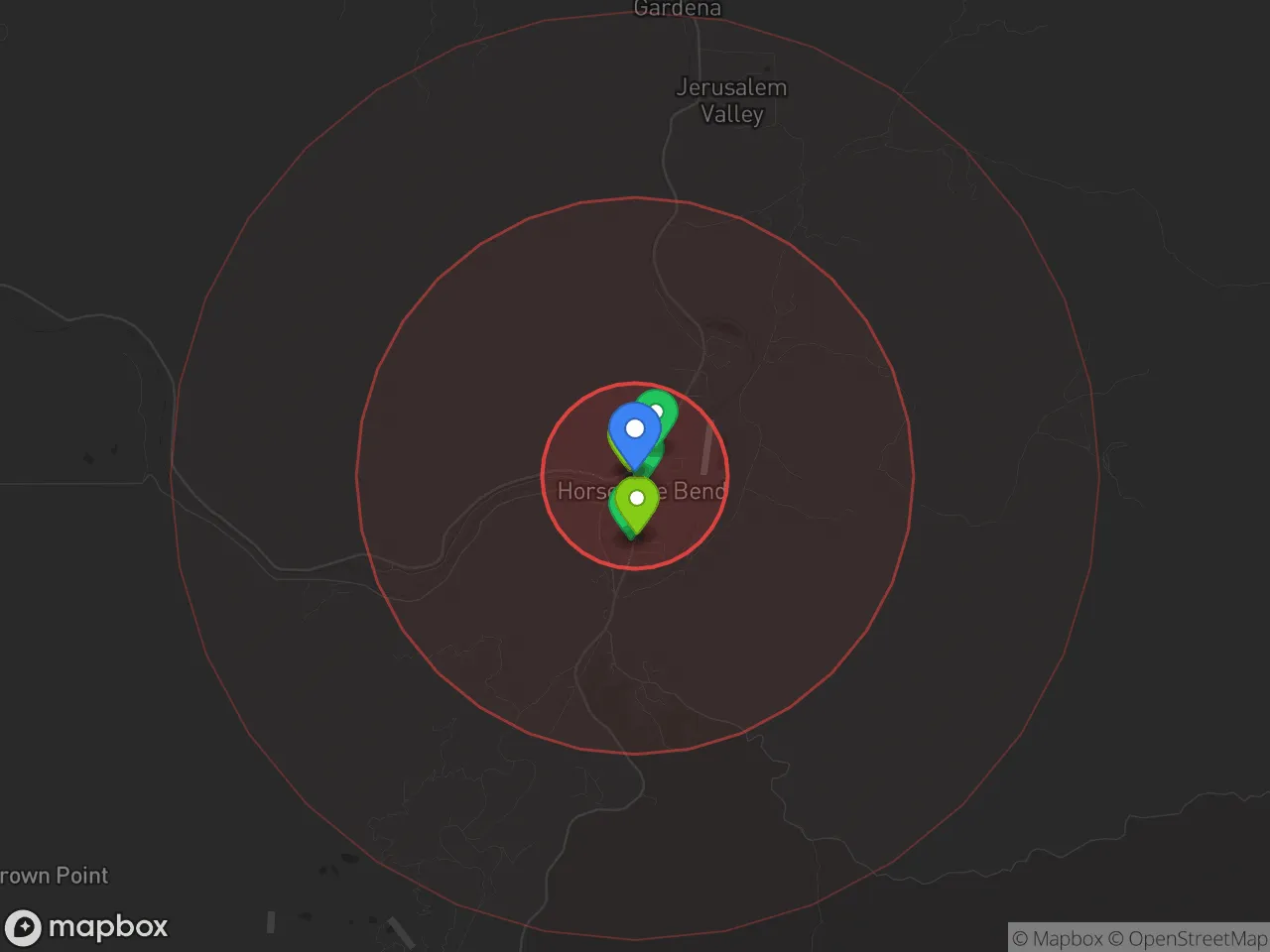
Hobbies
Explore the areaGroceries
0 within 10 miles
Gas
0 within 10 miles
Hospital
0 within 20 miles
Airport
SLC — Salt Lake City International
Post Office
Critical Amenities
Quality-of-Life Analysis
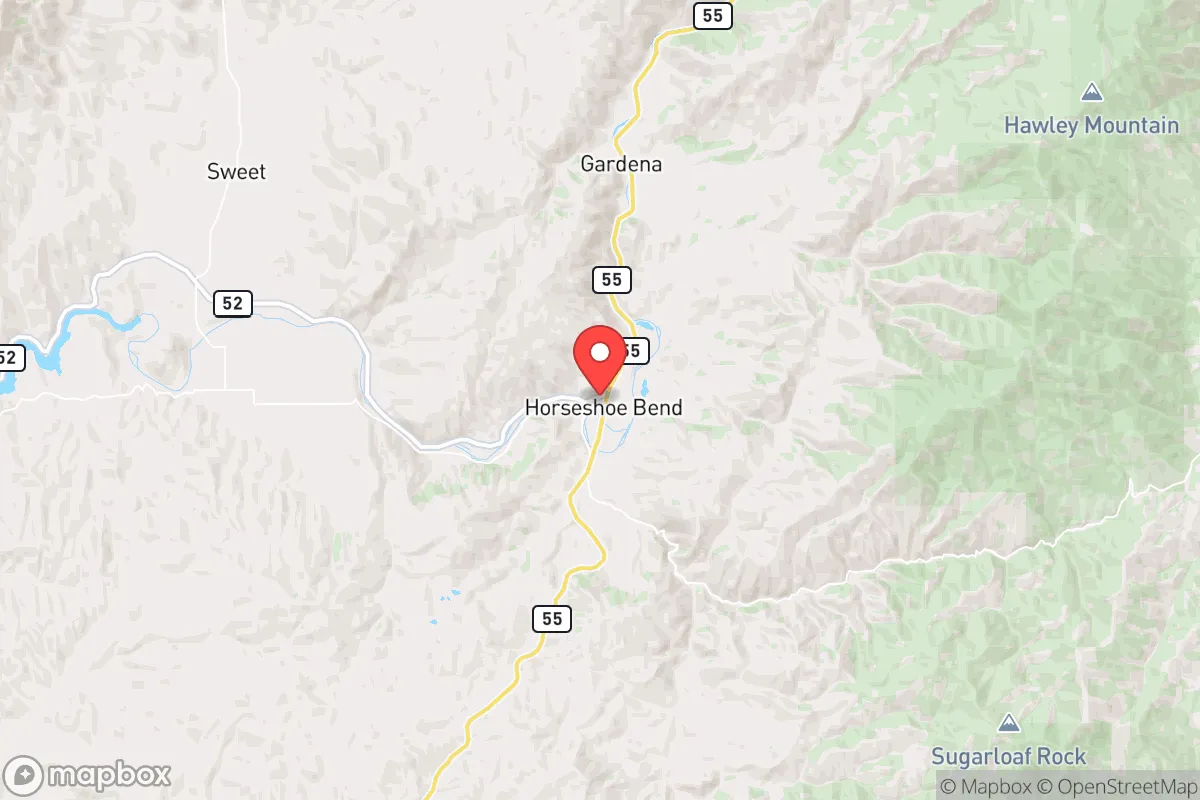
Horseshoe Bend, Idaho, is a small, affluent river community where the median home value of $205,300 and a cost-of-living index of 75 (25% below the U.S. average) attract a specific demographic: retirees, remote workers, and outdoor recreationists who prioritize space and river access over urban convenience. The city sits along the Payette River in Boise County, roughly 35 miles northeast of Boise, and its population of just over 800 residents skews older and more financially comfortable than the state average. This is not a bedroom suburb in the traditional sense—it is a lifestyle choice for people who want a slower pace without completely abandoning access to Idaho's capital region.
Cost of living and housing affordability compared to Boise and Eagle
Horseshoe Bend's affordability is its strongest draw, especially when stacked against Boise's overheated market. The cost-of-living index of 75 means everyday expenses—groceries, utilities, and healthcare—run roughly a quarter cheaper than the national norm, and significantly less than in Ada County. The median home value of $205,300 is a fraction of Boise's median (which exceeded $500,000 in 2025) and even undercuts nearby Eagle, where the median often tops $800,000. Renters fare equally well: the median rent of $883 per month is about half of what a comparable unit costs in downtown Boise. However, the trade-off is inventory—Horseshoe Bend's housing stock is limited, with few new developments, so buyers often compete for older ranch-style homes or riverfront lots. The average commute of 21.5 minutes to Boise is surprisingly manageable, though winter driving over Banks-Lowman Road or Highway 55 can add unpredictability.
Schools, amenities, and the rhythm of daily life
Daily life in Horseshoe Bend revolves around the Payette River, the city's namesake and primary amenity. Rafting, kayaking, and fishing dominate summer weekends, while the nearby Boise National Forest provides year-round hiking and snowmobiling. The Horseshoe Bend School District (part of Basin School District #72) serves roughly 400 students across a single K-12 campus, offering small class sizes but limited elective options compared to larger districts like West Ada. For groceries, medical care, or big-box retail, residents drive 15 minutes to Emmett or 35 minutes to Boise—a routine that reinforces the community's self-selecting nature. The town itself has a handful of cafes, a gas station, a post office, and a small library, but no hospital or major employer; most working residents commute to Boise or work remotely. The social rhythm is quiet: community events center on the river, the annual Payette River Whitewater Festival, and church gatherings, with little nightlife beyond the local tavern.
Horseshoe Bend is best suited for those who view affordability as a means to a lifestyle, not an end in itself. Retirees on fixed incomes, remote tech workers, and river guides will find the low costs and outdoor access compelling, while families seeking diverse schools or young professionals wanting urban amenities will likely feel isolated. The 21.5-minute commute to Boise makes it viable for hybrid schedules, but the lack of local services means errands require planning. For buyers willing to trade convenience for riverfront living and a cost structure that leaves room for savings, Horseshoe Bend delivers a rare combination in Idaho's increasingly expensive Treasure Valley—genuine affordability without sacrificing proximity to a major metro.

Crime in Horseshoe Bend, ID
Lower crime rates than 76% of comparable U.S. locations.
Violent CrimeViolent Crime Analysis
Property CrimeProperty Crime Analysis
Crime Analysis
Horseshoe Bend, Idaho, presents a mixed safety profile that falls between the state average and national benchmarks. With a violent crime rate of 215.5 incidents per 100,000 residents and a property crime rate of 601.6 per 100,000, the small city offers a lower risk of violent offenses than the U.S. average but a higher property crime rate than both the state and national norms. These figures place Horseshoe Bend in a category where residents generally feel safe in their daily routines but should remain vigilant about theft and burglary.
Crime in context
Horseshoe Bend’s violent crime rate of 215.5 per 100,000 is notably lower than the national average of 380 per 100,000, but it exceeds Idaho’s statewide rate of roughly 240 per 100,000. Property crime, however, tells a different story: the local rate of 601.6 per 100,000 is higher than Idaho’s average of about 450 per 100,000 and slightly above the national figure of 580 per 100,000. This pattern—lower violence but elevated property crime—is common in smaller communities that serve as gateways to larger metro areas. Boise, approximately 40 miles south, exerts a significant pull on regional crime trends, and the progressive judicial philosophy in Ada County (which includes Boise) has been linked to lighter sentencing and higher recidivism. For Horseshoe Bend residents, this means property criminals from the metro area may view the town as a softer target, with a justice system that often prioritizes rehabilitation over incarceration.
What residents experience
Daily life in Horseshoe Bend is shaped by a close-knit community where most violent incidents are isolated and rarely involve strangers. The most common safety concerns are vehicle break-ins, shed burglaries, and package theft, particularly along the Highway 55 corridor. Residents report that unlocked cars and visible outdoor equipment are frequent targets. The city’s small police force relies heavily on the Boise County Sheriff’s Office for backup, and response times can stretch during peak tourist seasons. While violent crime is uncommon, the presence of progressive district attorneys in the broader region—who often favor diversion programs and reduced bail—means that repeat property offenders are frequently back on the street within days, eroding trust in the justice system’s ability to protect victims.
Neighborhood-level variation is modest but worth noting. Homes along the Payette River and in newer subdivisions near the city limits tend to see lower property crime rates due to better lighting and neighbor-watch participation. Older sections of town, especially near the downtown core and the highway, experience higher rates of theft and vandalism. For prospective residents, choosing a home with good visibility, secure storage, and active neighborhood communication can significantly reduce risk. Overall, Horseshoe Bend offers a relatively safe environment for those who take basic precautions, but the regional influence of lenient metro-area justice policies remains a legitimate concern for long-term safety and community stability.
* Values derived from national, state, county, city and local statistics and may differ in a specific area. Last updated: 2026-10-28T16:40:36.000Z
Narrative content on this page is AI-generated and may contain mistakes. Verify any details that matter before acting on them.
ReloMaps may earn a commission from affiliate links at no extra cost to you.

