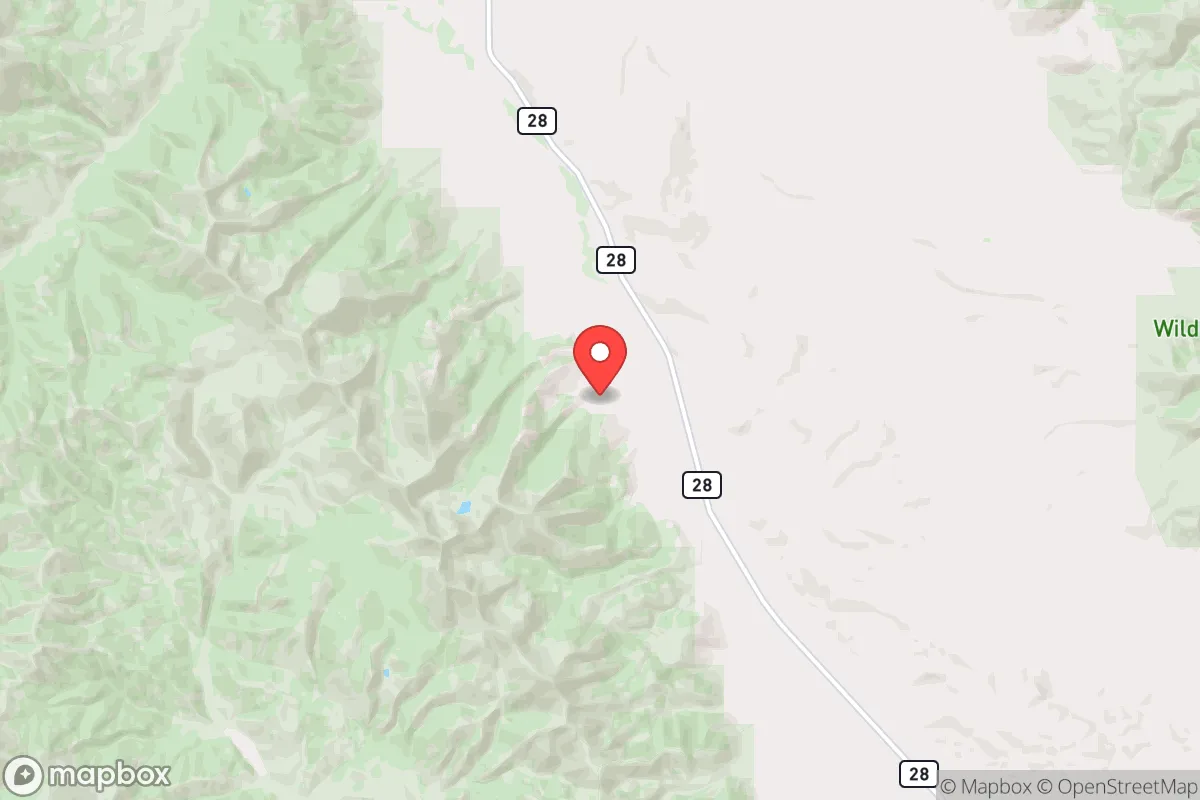
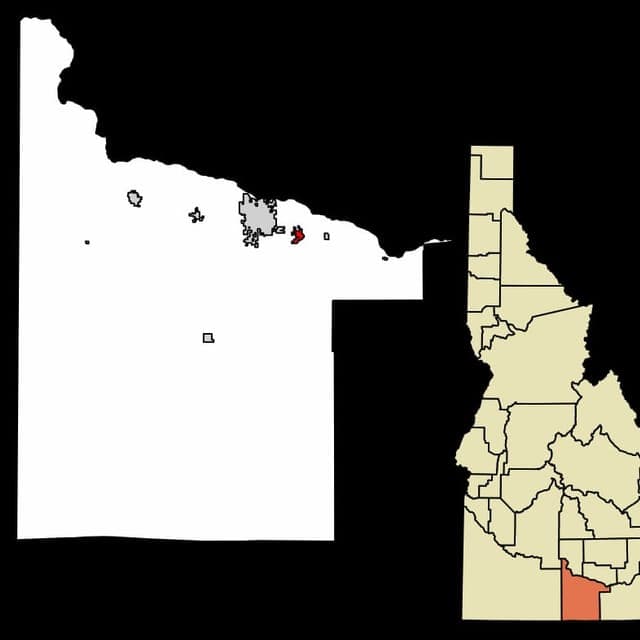
An Unincorporated Community in Lemhi County, Idaho
Find The Best Places To Live
in Gilmore
PRO TIP! You can paste a Zillow or Redfin link to get info on that property.
Compare Gilmore with another place
What It's Like Living in Gilmore, ID
Gilmore, Idaho, feels like a place where the pace of life slows down to match the surrounding mountain views, and where people still wave at passing trucks on the main road. With a population hovering around 3,000, it’s a small, tight-knit community where most folks know each other by name, and newcomers are noticed—but welcomed—quickly. The median age of 50.5 gives the town a quieter, more settled vibe than a typical boomtown, and the cost of living index of 92 (well below the national average of 100) makes it an attractive option for those looking to stretch a paycheck without sacrificing access to the outdoors.
Daily Rhythm in a Small Mountain Town
Life in Gilmore revolves around a simple, self-sufficient rhythm. Most residents work locally—in healthcare, education, or small businesses—or commute an average of 16 minutes to nearby towns for jobs in manufacturing or agriculture. The median household income of $60,917 is modest but goes further here, especially with a median home value of $304,900 that still feels attainable compared to pricier parts of the state. Weekends are spent on practical chores: tending to a garden, fixing a fence, or heading to the local hardware store for supplies. The town’s one grocery store and a couple of family-run diners serve as informal community hubs, where you’ll overhear talk about the weather, the upcoming high school game, or who’s got the best deal on firewood. For a night out, locals gather at The Rusty Nail, a bar with a pool table and a jukebox that leans toward classic country, or at Mountain Brew Coffee, which doubles as a hangout for remote workers and retirees alike.
Sports, Community, and the High School Anchor
High school sports are the heartbeat of Gilmore’s social calendar. The Gilmore Grizzlies (football, basketball, and volleyball) draw crowds that pack the bleachers on Friday nights, with parents, grandparents, and even childless couples showing up to support the kids. The town’s small size means the athletes are also the ones bagging your groceries or serving your coffee, so the community feels personally invested in every game. There’s no college or professional team nearby, but that doesn’t dampen enthusiasm—locals are passionate about Boise State Broncos football and the Idaho Vandals, with game-day watch parties at the American Legion hall. The annual Gilmore Fall Festival in October is the biggest event of the year, featuring a parade, a pie-baking contest, and a 5K run that loops through the scenic foothills. It’s the kind of tradition where everyone volunteers, and the high school band plays the same fight song they’ve played for decades.
What’s There to Do—and What’s Not
Outdoor recreation is the main draw. The Bitterroot National Forest is a 20-minute drive west, offering hiking, fishing, and camping in the summer, and snowmobiling and cross-country skiing in the winter. The Gilmore Reservoir is a popular spot for kayaking and paddleboarding, though it’s quiet enough that you’ll often have a stretch of shoreline to yourself. For a bigger adventure, the Salmon River is about an hour away, with world-class rafting. But let’s be honest: Gilmore isn’t a nightlife destination. There are no music venues, no movie theater, and the closest mall is a 45-minute drive. The trade-off is that you can own a home on a half-acre lot, leave your doors unlocked, and let your kids ride bikes to the park without worry. The violent crime rate of 217.1 per 100,000 is slightly above the national average, but residents say it’s almost entirely property crime—theft from unlocked cars or sheds—rather than violent incidents. The biggest frustration locals voice is the lack of healthcare options: the nearest hospital is 30 minutes away, and specialists require a trip to Idaho Falls, two hours east.
Who Fits In—and Who Might Struggle
Gilmore is best suited for people who value quiet, self-reliance, and community over convenience and entertainment. Retirees and remote workers with flexible schedules thrive here, as do families who want their kids to grow up in a place where everyone knows their name. The 22.3% college-educated rate is lower than the national average, but that reflects a workforce heavy on trades and small business ownership rather than a lack of ambition. Winters are long and snowy—November through March, with temperatures often dipping below zero—so seasonal affective disorder is a real consideration. Summers, though, are glorious: dry, sunny, and perfect for gardening or hiking. The town’s cultural quirks include a fierce pride in local history (the old mining cabins on the edge of town are preserved as a historic district) and a general distrust of rapid change. Newcomers who try to “improve” things too fast are met with polite resistance. But those who take the time to show up at the volunteer fire department’s pancake breakfast or join the church potluck will find themselves welcomed into the fold.

Similar small towns to Gilmore
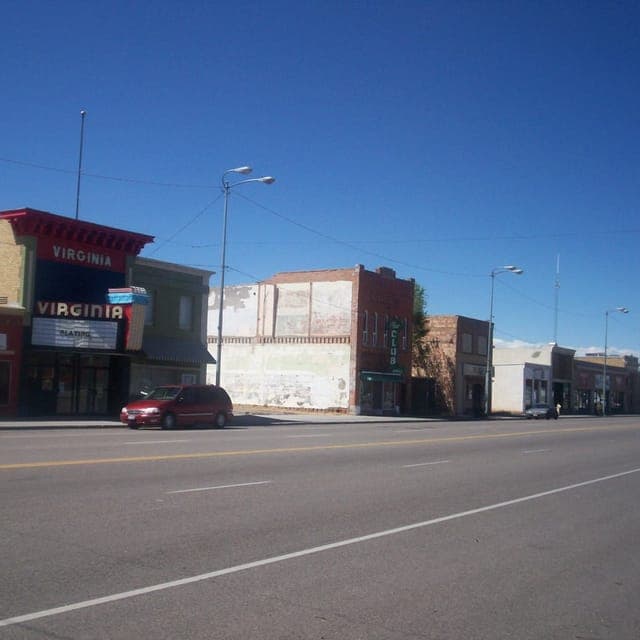

* Values derived from national, state, county, city and local statistics and may differ in a specific area. Last updated: 2026-07-23T02:26:12.000Z
Narrative content on this page is AI-generated and may contain mistakes. Verify any details that matter before acting on them.
ReloMaps may earn a commission from affiliate links at no extra cost to you.

