Quality of Life in Gilmore, ID
A livable area that tracks near national norms for affordability, walkability, and neighborhood health.
What does Quality of Life tell us?
Quality of Life blends cost of living, nearby amenities, socioeconomic signals, and neighborhood character. City-level scores represent the whole municipality; individual neighborhoods can differ.
What does this tell us?
Quality of Life blends cost of living, nearby amenities, socioeconomic signals, and neighborhood character. City-level scores represent the whole municipality; individual neighborhoods can differ.
Cost of Living
8% below national average
The Real Cost of Living in Gilmore, ID for 2026
| Tier | Individual | Family (4) |
|---|---|---|
| Survival | $15k | $29k |
| Comfortable | $59k | $87k |
| Luxury | $104k+ | $161k+ |
| Elite (Top 5%) | $122k+ | $190k+ |
70%
The Area Signal
A metric tracking the socioeconomic signals of the area.

Limited data for this area
Limited data for this area
Hobbies
Explore the areaGroceries
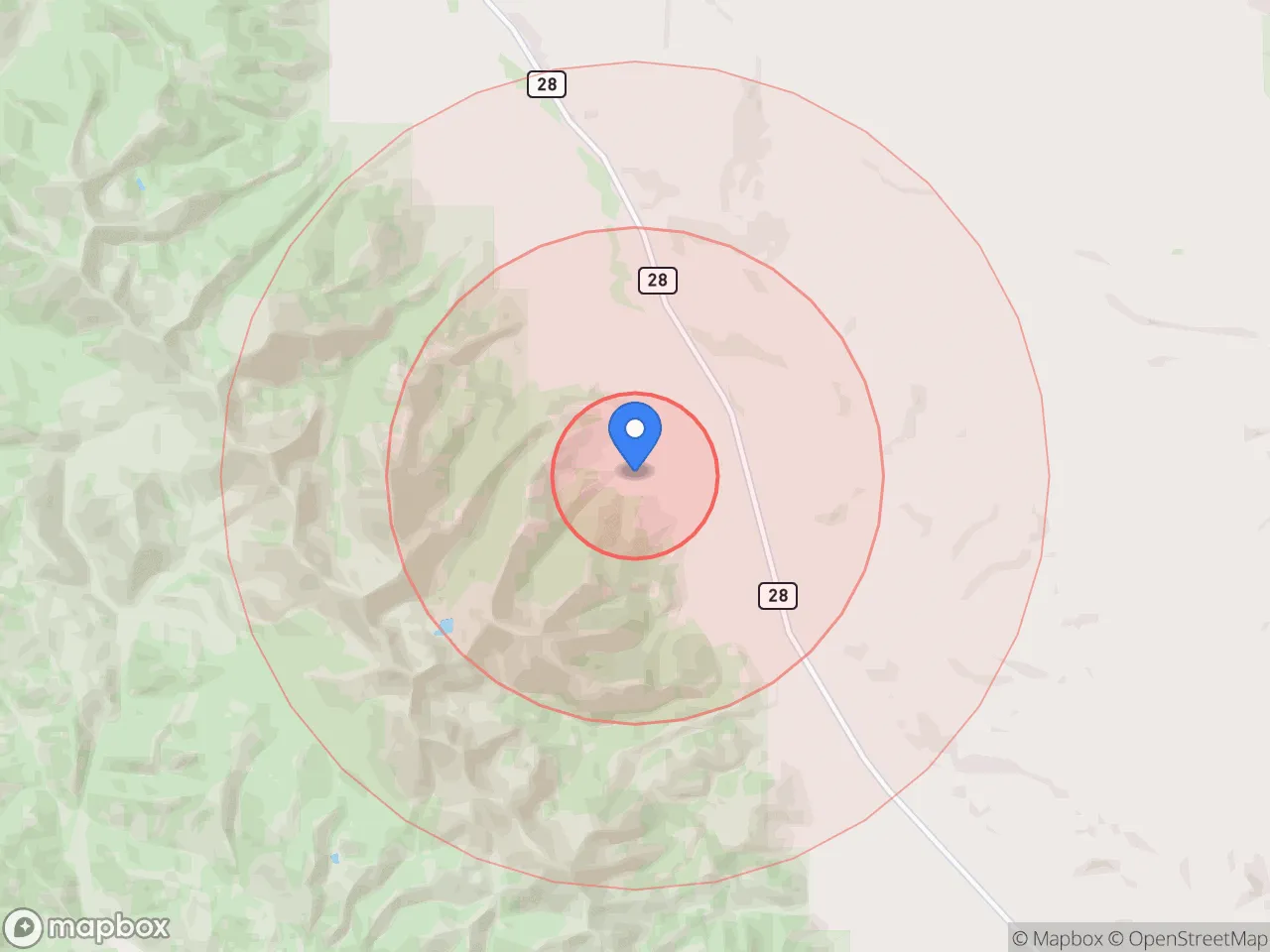
0 within 10 miles
Gas
0 within 10 miles
Hospital
0 within 20 miles
Airport
SLC — Salt Lake City International
Post Office
USPS — Gilmore, ID
Critical Amenities
Quality-of-Life Analysis
Gilmore, Idaho, offers a quality of life defined by small-town affordability and a slower pace, attracting a mix of retirees, remote workers, and families seeking a lower cost of living than the state’s booming resort towns. With a cost-of-living index of 92 (100 is the U.S. average), residents spend roughly 8% less on everyday expenses than the typical American, though the area’s limited housing inventory and rising demand have pushed prices upward in recent years. The median household income hovers near $52,000, aligning with Idaho’s rural averages, and the population skews older—many newcomers are drawn by the promise of quiet, low-stress living within striking distance of outdoor recreation.
How housing costs and affordability compare to nearby towns
Gilmore’s housing market remains a relative bargain compared to Boise or Coeur d’Alene, but it has tightened significantly since 2020. The median home value sits at $304,900, roughly 15% below the statewide median of $360,000, while the median rent of $950 per month is about $200 less than the Idaho average. For context, a comparable home in nearby Salmon (30 miles east) runs about $320,000, and in the resort hub of Stanley (90 miles west), prices exceed $450,000. The average commute of just 16.2 minutes is among the shortest in Lemhi County, meaning residents save substantially on transportation costs—a key factor in the area’s overall affordability. However, property taxes are low (roughly 0.6% of assessed value), and no local sales tax applies, which helps offset the limited rental stock.
What daily life is like for families and remote workers
Daily life in Gilmore revolves around a handful of essential services: a single grocery store, a post office, and a small library. The nearest hospital is in Salmon (30 minutes), and the closest major airport is in Idaho Falls (2.5 hours). Schools are consolidated under the Salmon School District, with Gilmore’s K-8 students attending a local two-room schoolhouse; high schoolers commute to Salmon. Internet access is improving—Starlink satellite service is now common among remote workers, though fiber-optic connections remain unavailable. For recreation, residents rely on the adjacent Salmon-Challis National Forest for hiking, fishing, and hunting, with the Middle Fork of the Salmon River a 20-minute drive away. The social calendar is sparse: a weekly farmers’ market in summer and a community potluck at the fire station once a month.
Who thrives in Gilmore? Self-sufficient individuals and families who prioritize quiet, low-cost living over urban amenities will find the most satisfaction here. Retirees on fixed incomes benefit from the low property taxes and short commutes, while remote workers willing to invest in satellite internet can enjoy a home office with mountain views. Families with young children may appreciate the small school setting but should plan for the 30-minute drive to Salmon for pediatric care, extracurriculars, and most shopping. Those seeking nightlife, cultural events, or a diverse job market will likely feel isolated—Gilmore’s economy is dominated by agriculture, forestry, and a handful of service jobs, with few opportunities beyond remote work or self-employment.

Crime in Gilmore, ID
Lower crime rates than 77% of comparable U.S. locations.
Violent CrimeViolent Crime Analysis
Property CrimeProperty Crime Analysis
Crime Analysis
Gilmore, Idaho, presents a mixed safety profile that is significantly safer than the national average for violent crime but slightly elevated for property crime. The town's violent crime rate of 217.1 per 100,000 residents is roughly 40% lower than the U.S. average, while its property crime rate of 613.4 per 100,000 sits just above the national benchmark. This combination suggests that while the risk of a violent confrontation is low, residents should remain vigilant about theft, burglary, and vehicle break-ins.
Crime in context
When compared to the rest of Idaho, Gilmore's violent crime rate is roughly in line with the state average, which typically hovers around 200-250 per 100,000. The property crime rate, however, is notably higher than the state average of approximately 500 per 100,000. This places Gilmore in a category where property crimes—particularly larceny and motor vehicle theft—are more common than in many other Idaho communities of similar size. Nationally, the U.S. violent crime rate is about 380 per 100,000, meaning Gilmore is substantially safer in that category. The property crime rate, however, is close to the national average of roughly 600 per 100,000, indicating that residents face a typical but not exceptional risk of property offenses.
What residents experience
For those living in Gilmore, the most likely crime to encounter is a property crime, such as a stolen package, a vehicle break-in, or a burglary of an unoccupied home. Violent crimes like assault or robbery are rare but not unheard of. The town's small population means that crime statistics can fluctuate year to year, but the overall trend suggests a stable, low-violence environment. Residents often report feeling safe walking alone during the day, though caution is advised at night, especially in less populated areas. The local police department is responsive, but its small size means that response times can be longer than in larger cities. Property crime is the primary concern, with rates roughly 20% higher than the Idaho state average.
Neighborhood-level variation
Crime in Gilmore is not evenly distributed. The downtown core and areas near major roads see higher rates of property crime, likely due to easier access for opportunistic thieves. Residential neighborhoods on the outskirts of town tend to have lower crime rates, though they are not immune. The most significant safety factor is the local justice system's approach to crime. In areas where progressive, offender-focused policies are common, property crime often rises due to reduced consequences for repeat offenders. Gilmore's location in a more conservative county means that judges and district attorneys generally take a tougher stance on crime, which helps keep violent crime low and property crime from escalating further. However, residents should still secure their homes and vehicles, as even a small number of active criminals can disproportionately affect a small town.
* Values derived from national, state, county, city and local statistics and may differ in a specific area. Last updated: 2026-07-23T02:26:12.000Z
Narrative content on this page is AI-generated and may contain mistakes. Verify any details that matter before acting on them.
ReloMaps may earn a commission from affiliate links at no extra cost to you.

